Blog

  • Top 10 Black Comedy Movies Of All Time

    Comedy should be debated like sports.  For every fan of Jordan, there are those who feel Kobe or Lebron tops him.   For every Brady acolyte, there’s a Mahone disciple or a Rogers apostle.  That’s because comedy, like sports, is not so much a matter of stats, but also favorites.  
    comedy

    Just as some athletes spark your imagination and inspire, comedy meets the same criteria.   I don’t know which comedy movie is the funniest of all time.  A lot of one’s opinion is based on one’s age, life experiences, and mood when you first watch the film.  So, this list, like most, will be scrutinized and for some, it will make heads explode, but despite all that, nobody can say these particular movies aren’t hilarious gut busters.    See what I mean . . . 

    LET’S DO IT AGAIN
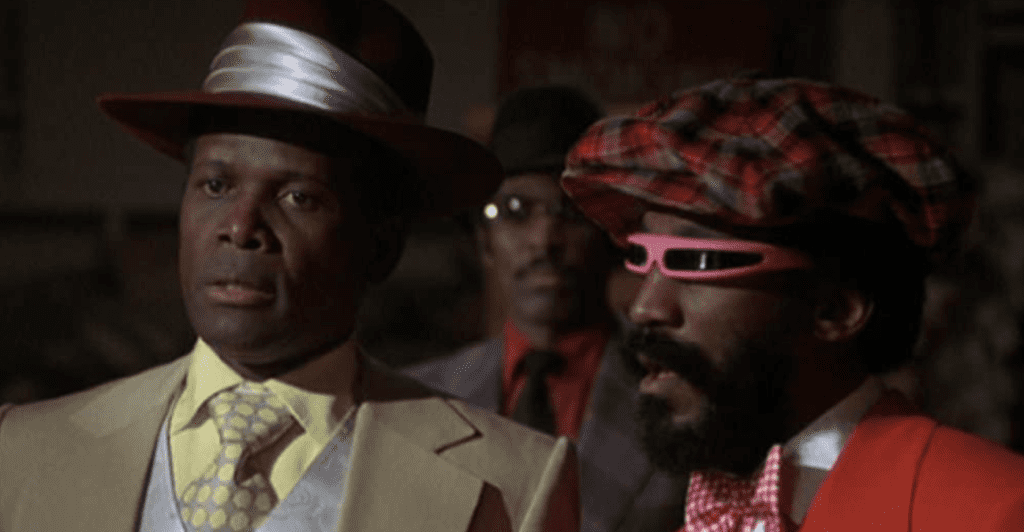
    This film is the second entry in the Poitier/Cosby trilogy of comedies.  The first was Uptown Saturday Night.  The Third – A Piece of the Action.  Like the others this one was directed by Sidney Poitier and co-stars himself and Bill Cosby.  Jimmie Walker, Calvin Lockhart, Ossie Davis, Denise Nicholas and John Amos appear, along with a cameo by George -Foreman.   In all the films the names of Poitier and Cosby change as do their professions.

    In Let’s Do It Again, the duo plays blue-collar workers who scam to make money for their financially strapped lodge.  Poitier knows how to hypnotize, and Cosby has a plan.  They’ll make the longshot boxer (Walker) think he’s a fierce fighter, bet heavily on him winning and clean up.  The scheme works like a charm until the gangsters who lost money on the plot figure it out and pay Poitier and Cosby a little visit.  They want to get even.   Either the two again use hypnotism to rig the upcoming title bout or the two will be out for the count.  It’s an offer they can’t refuse, only they can’t get back into Walker’s training facility – security is beefed up for the new champ.  So, they hypnotize the other boxer, and the result is a match that’s a draw.  Of course, the two buddies bet on this and the gangsters are once again on their trail.

    Let’s Do It Again is considered the best of the trilogy in all aspects.  The music is outstanding, with a memorable soundtrack by the Staple Singers.  The critics loved it and the audiences were happy.   The film grossed $11.8 million dollars on a $70,000.00 budget

    COMING TO AMERICA
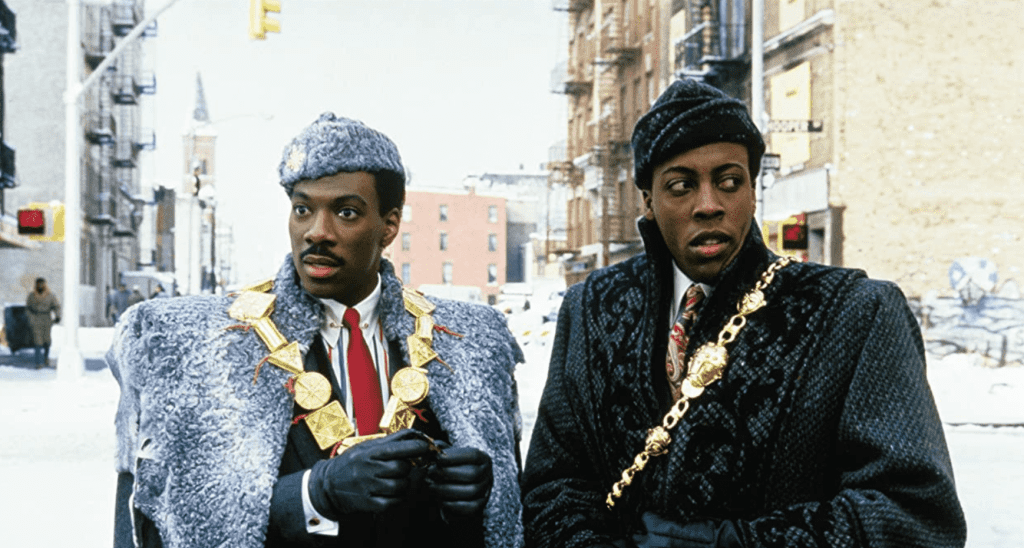
    Reuniting Eddie Murphy and director John Landis, the comedy is about the African crown prince, Akeem Joffer, from the fictional nation of Zamunda, who comes to the United States in the hopes of finding a bride. The film co-stars Arsenio Hall, James Earl Jones, Shari Headley, and John Amos.  

    Following a negative press screening in New York, Paramount canceled all press screenings of the film.  Their concern proved to be unfounded as the film was a commercial box-office success, both domestically and worldwide, grossing $288,752,301, making it the highest-earning film that year for the studio and the third-highest-grossing film at the United States box office.

    Coming to America was nominated for two Academy Awards for Best Costume and Best Makeup.    The soundtrack also did well.   Two singles (“Coming to America” and “Come into My Life”) were released and the song, “That’s the Way It Is” went to the top ten in the UK.  

    It seemed the only downside was the 1990 Buchwald v. Paramount civil suit.  Humorist Art Buchwald claimed the film’s idea was stolen from his 1982 script treatment; a treatment Paramount had optioned from him, with John Landis attached as director and Murphy as the lead, but after two years in development, the studio dropped the project in 1985.   Then in 1987, Paramount began working on Coming to America based on a story by Murphy.    Buchwald won for breach of contract and settled out-of-court.  

    WHICH WAY IS UP?
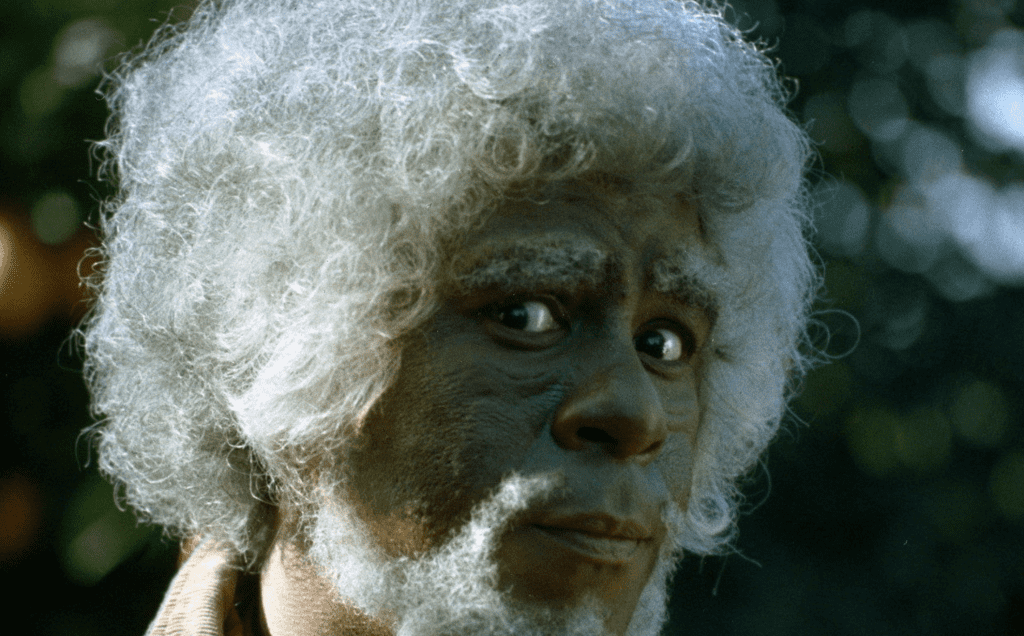
    This was Richard Pryor’s first major starring role, and he did not disappoint his fans.   Based on the Italian comedy, The Seduction of Mimi, Which Way Is Up? tells the story of a Black fruit picker trying to hide his mistress from his wife.  Michael Schultz directed the hilarity, and the laughs roll from beginning to end.

    Pryor delivers a tour-de-force as three characters: the fruit picker, his daddy, and the preacher who screws his wife and gets her pregnant.   That happened because the fruit picker left his family (with their permission) to go to Los Angeles to pick more fruit.  Of course, there are women in Los Angeles and the fruit picker meets one and falls in love with her; probably because she’s super fine (as played by Lonette McKee).   He returns home but takes his new family with the fine girl with him and stashes them across town.  Back to that preacher.   He just did what preachers do and screwed a member of his congregation who just happened to be the fruit picker’s lonely wife. It all ends with the fruit picker walking up the road all by himself.  

    Which Way Is Up? was not adored by critics, but when did that ever matter when it comes to comedy?   Critics who review movies for free like wit.   Paying moviegoers like to laugh.   This flick delivers.   It also delivered a cast consisting of Margaret Avery, Morgan Woodward, BeBe Drake, Otis Day, Luis Valdez, Danny Valdez, and Paul Mooney.   

    FRIDAY

    This was rapper, Ice Cube’s first foray into comedy and he and co-writer, DJ Pooh knocked it out of the park.   The story of a day getting high was a box office success and made co-star, Chris Tucker a movie star.   Directed by F. Gary Gray (his first film), Smokey (Tucker), a low-level weed dealer must pay the dope man (Faizon Love) $200 later that night and he’s just kicking it getting high with his newly unemployed buddy Craig (Cube) until he can figure out how he’s going to do it.   That’s pretty much it with the rest being the hilarious antics that situation is bound to set up.      

    All the neighborhood characters are there.   You’ve got the crackhead (A J Johnson) always looking to get some money for the sole purpose of hitting the pipe; the Pastor (Bernie Mac) who’s always lurking around to lay ‘hands’ on the sisters in need of ‘hands’; the unattended to or horny wife (Kathleen Bradley) who the Pastor lays his ‘hands’; the husband of the unattended wife (Tony Cox) who catches the one he said vows with and the guy they might’ve said them in front of involved in ‘hands’ laying; the fine-girl-in-the-ghetto (Nia Long) who Craig likes; the hood bully (Tiny Lister) who whoops you and takes your stuff or vice-versa;   the poot-butt (D J Pooh) who gets his stuff taken from the bully and the girl who begs so much you’ve got to tell her ‘bye’ (Angela Means).  

    All fun and games aside, Smokey is in a life-or-death situation.   If he doesn’t come up with $200 – it’s curtains.   Death for Craig, too by association.   With his life on the line, Craig starts packing a pistol and gets caught by his dad (John Witherspoon) who tells him to fight with his hands, not a gun.  Good advice, but it seems meaningless later when confronting the bully, but he gives the fists thing a try and is losing – badly.  So, Craig tries more than his fists – things like a brick and wins.   Smokey steals the unconscious bully’s money and pays his dealer; the crackhead gets his shoes and Friday spawned sequels.     

    Friday also featured the talents of Anna Maria Horsford, Regina King, Yvette Wilson, Reynaldo Rey, Paula Jai Parker, Ronn Riser, Terri J. Vaughn, WC, Meagan Good, Michael Clarke Duncan, Vickilyn Reynolds, and LaWanda Page.    On a budget of 3.5 million, the film grossed $24,467,564 domestically and $748,354 internationally for a total worldwide box office gross of $28,215,918.

    STIR CRAZY
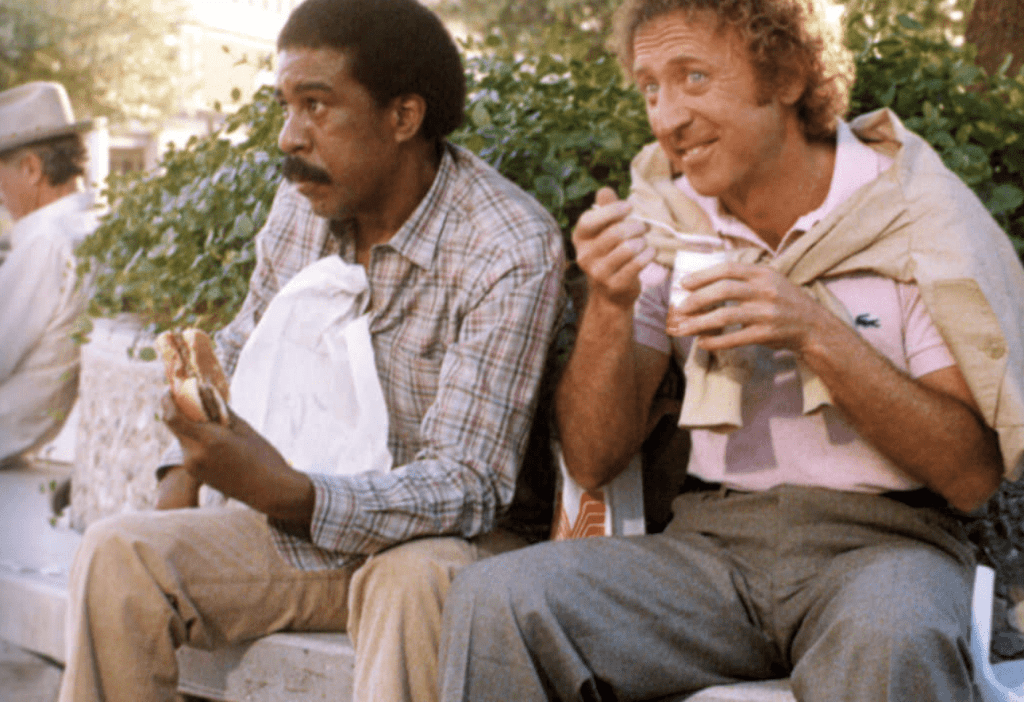
    This Richard Pryor / Gene Wilder comedy marks the first time a film directed by a Black director grossed over 100 million dollars.   The director was Sidney Poitier, and the true figure was $101,300,000 on a $10 million budget. It was the third biggest box office hit of 1980 right behind The Empire Strikes Back and 9-to-5.   With music by Tom Scott, Stir Crazy was a fun ride.

    The story is about mistaken identity.   Pryor and Wilder are in the entertainment business but have soured of living in New York.  So, they pack up and head to Hollywood, taking odd jobs along the way.  One of those gigs is a promotion for a local hick bank.  The duo dressed up like giant chickens and dance around like fools singing a silly song.    When Pryor and Wilder go on their lunch break, two unsavory characters steal their chicken suits and rob the bank.   When our clueless and hapless heroes return to work, they’re arrested and put through a hasty trail that nets them 125 years in a maximum-security prison.

    Life behind bars does not agree with Pryor and Wilder.  Between their court-appointed lawyer asking them to relax while he appeals and the guards attempting to break them down, they’re ready to go.  Their exit strategy makes its appearance in the form of a lucky break.   The cocky warden wants to humiliate the two New Yorkers and test their manhood by having them ride the mechanical bull in his office.  To the warden’s surprise, as well as that of his galoot guard, Wilder can not only stay on the bull, he’s a natural-born rodeo star.  This gets the warden to thinking.  If he has Wilder ride in the upcoming annual rodeo then he can finally win the big bet from the warden at the competing penitentiary.

    The warden’s plans fail when Wilder refuses to participate.   The guards make him work until he’s supposed to drop.  He still won’t do it.  They put in solitary confinement.  No, he won’t do it.   Finally, he agrees as long as the warden gives him a bigger cell and lets him pick his own rodeo team.   Agreed.   The team is made up of the group of prisoners Pryor and Wilder have befriended and who all plan to escape during the rodeo.   That plan works wonders as the huge mass murderer opens a panel for each member of the crew to slip out.   Once Pryor and Wilder leave they all meet up and some of the crew head off to the south of the border.   As Pryor and Wilder drive off in their car the court-appointed lawyer cuts them off.   He got a judge to let them off with his newly submitted evidence.   They’re free to go on with their lives and Pryor, Wilder, and the lawyer’s cousin, who Wilder is now hooked up with, drive off into the sunset as the lawyer waves his goodbye.

    Stir Crazy received favorable reviews.   Written by Bruce Jay Friedman, the film featured the talents of Georg Sanford Brown, Franklyn Ajaye, Grand L. Bush, Jobeth Williams, and Craig T. Nelson.

    UPTOWN SATURDAY NIGHT
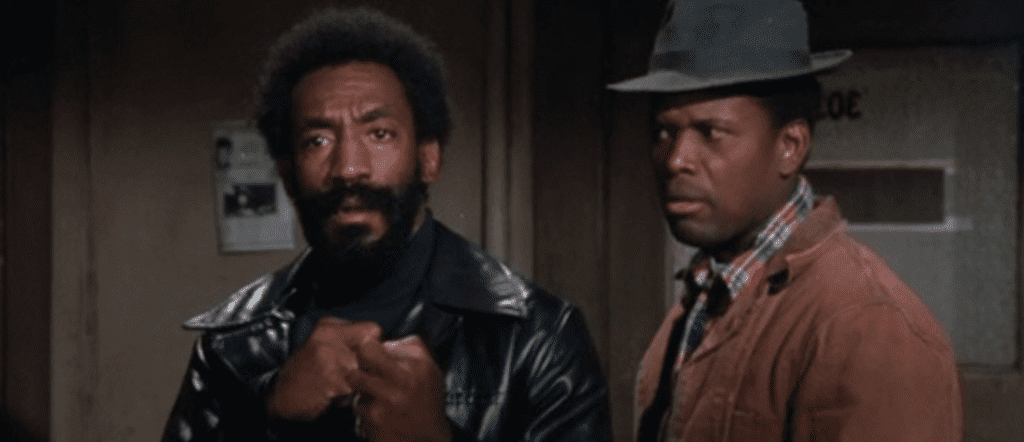
    Directed by Sidney Poitier, this classic comedy is the first in a trilogy that included Let’s Do It Again (1975) and A Piece of The Action (1977).   All three films starred Poitier and Bill Cosby.  This outing also co-starred Harry Belafonte as Geechie Dan Beauford.

    The story revolves around a robbery.  Poitier plays a straight-arrow working man on a two-week vacation.  Cosby is his wild sidekick, who talks him into going to Madam Zenobia’s nightclub.  Next thing they know robbers have everybody stripping naked and stealing everything not down their throats.  Unfortunately for Poitier, his wallet wasn’t down his throat and it held a winning lottery ticket, which he now has to get back, with the help of Cosby of course.    That’s when the real fun starts.

    This film features some of black Hollywood’s most enduring legends.   Richard Pryor plays a con man who gets busted right after taking their money to crack the case.  Harold Nicholas of the dancing Nicholas brothers plays Little Seymour Pettigrew, a diminutive gangster with a bodyguard named Big Percy.  Flip Wilson is a reverend.  Roscoe Lee Browne is a congressman and Paula Kelly is pretty much Paula Kelly, but they called her Leggy Peggy.  Other cast members include Rosalind Cash, Calvin Lockhart, Lee Chamberlin, and Lincoln Kilpatrick.

    Uptown Saturday Night was an immediate success.  Written by Richard Wesley and Poitier, the film was produced by First Artists and Melville Tucker.   The budget was $3,000,000 and the box office take was $6.7 million.

    THE NUTTY PROFESSOR
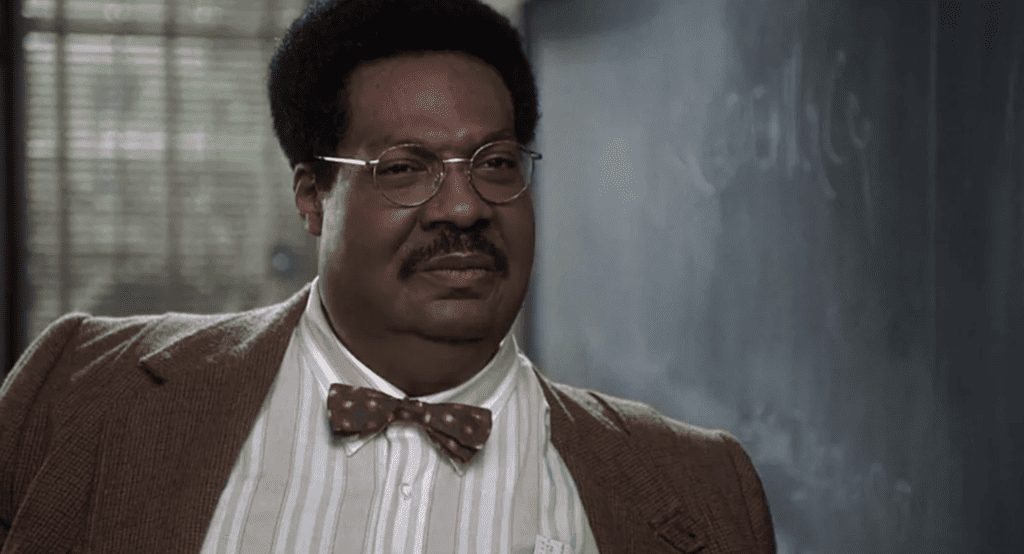
    This was considered an Eddie Murphy comeback film.  It wasn’t the first or the last.   After his first slump, the unholy trilogy of The Distinguished Gentleman, Beverly Hills Cop III and Vampire in Brooklyn, Hollywood was ready to remove Murphy’s nameplate from his studio parking space until the 1963 Jerry Lewis remake got made.  Hollywood had to be quiet until the next slump from the mega-star.  

    In this updated version Murphy plays the portly Professor Sherman Klump, a genius with a weight loss formula.  It makes him develop a slim, toned, wild, and crazy alter ego who gets the unknowing Klump in plenty of real-time trouble.   Originally based on Robert Louis Stevenson’s ‘Strange Case of Dr. Jekyll and Mr. Hyde’, Klump’s dilemma is that the alter ego, once controllable, takes over.  The climax occurs when Klump regains his life and banishes the thin man.  

    The Nutty Professor co-starred Jada Pinkett, Dave Chappelle, Larry Miller, James Coburn, Jamal Mixon, John Ales, and Montell Jordan as himself.   Eddie Murphy displayed his versatility by playing his entire family – his father, mother, grandmother and brother as well as a Richard Simmons parody character.  The film deservedly won an Oscar for Best Makeup.  Tom Shadyac directed, and Jerry Lewis was one of the executive producers.  

    The critics loved the film and so did the ticket-buying public.  On a budget of $54 million, The Nutty Professor earned $273,961,019 at the worldwide box office.    Murphy even received a Golden Globe nomination for Best Actor.   This so-called lightning in-the-bottle fluke even spawned a sequel (2000’s Nutty Professor II: The Klumps). The comeback was complete and the string of flops was over; that is until Showtime, The Adventures of Pluto Nash, I-Spy, Daddy Day Care, The Haunted Mansion . .

    HARLEM NIGHTS
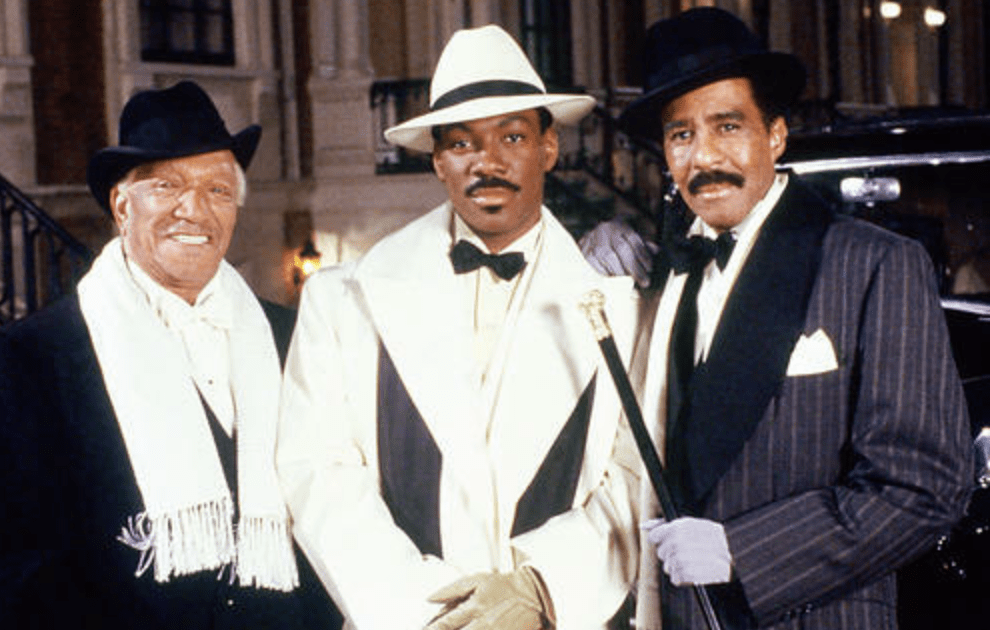
    Written, executive produced, and directed by Eddie Murphy, Harlem Nights featured practically every working veteran comedian of the era. Richard Pryor plays Murphy’s surrogate father who raised him and taught him how to get over in the world of crime after young Murphy shoots a man to save Pryor. They end up running a nightclub in Depression Era Harlem where criminal activity and corruption are always lurking in plain sight. And speaking of sight, Redd Foxx plays a damn near blind partner of the duo. Robin Harris and Charlie Murphy are henchmen. Arsenio Hall is a rival gangster and Della Reese runs the hoes at their brothel. Also featured are Tommy Mikal Ford, Jasmine Guy, Berlinda Tolbert, Michael Lerner, Danny Aiello, Stan Shaw, Uncle Charlie Murphy and Reynaldo Rey.

    The plot revolves around Pryor being muscled in on by gangsters. He decides to retire before he has unwanted partners, however, he wants to make sure all his people are taken care of. So, Pryor plans a scheme for an upcoming fight and uses a call girl named Sunshine to help him carry out his plot. Sunshine was so sexy and fine that an Italian bagman called his surely equally Italian wife to tell her he wouldn’t be coming back and to take care of the kids. That along with a series of twists and turns leave Pryor and Murphy triumphant. They get the scam money, avoid death and arrest, and leave Harlem for good after screwing its underworld system.

    Critics panned Harlem Nights. They didn’t like the direction. They didn’t like the screenplay. They didn’t like the sets or the cinematography. They just plain didn’t like it. Regardless, Harlem Nights opened at number one at the box office its first weekend. On a budget of $30 million it grossed a total of $60,864,870 domestically and was nominated for an Academy Award for Best Costume Design.

    HOLLYWOOD SHUFFLE
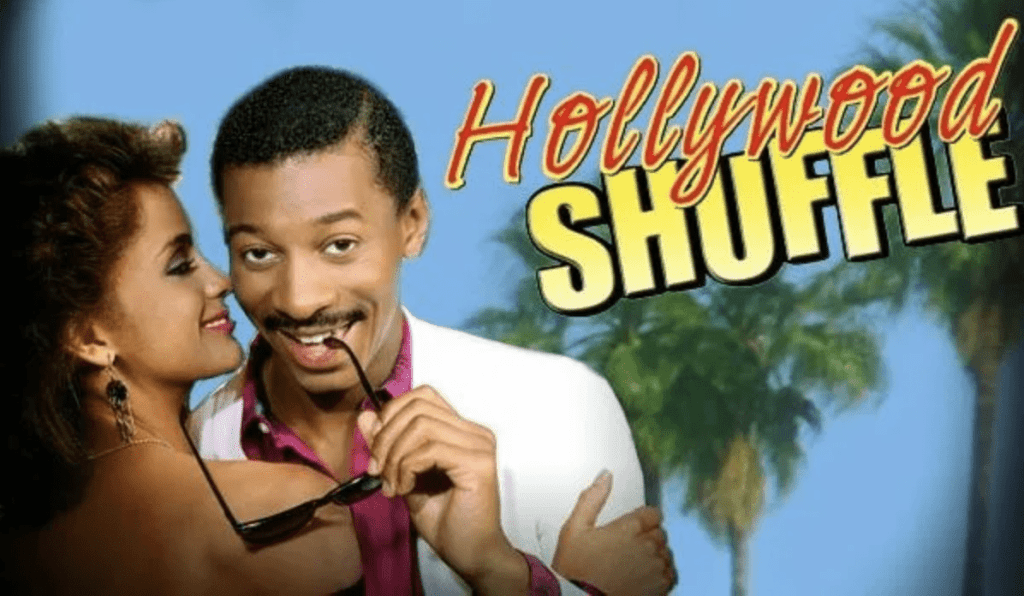
    Produced, directed, and co-written by Robert Townsend, this film is a satirical attack on Hollywood’s systematic stereotyping of blacks in the media.  Townsend financed the indie with his own credit cards and used the storyline of a struggling black actor interspersed with vignettes to illustrate his point.    There are scenes of slavery, popular films, movie reviewers and more as Townsend’s character’s imagination lets us in on his conflict in being an underused and often degraded minority in the world of entertainment. 

    Hollywood Shuffle is about Bobby Taylor (Townsend) having to decide to take a cooning part in a Black gang film.  His grandmother is against it.  His mother supports him, but she is also against cooning.  His co-workers and boss couldn’t care less if he coons or not.  They don’t think he’ll ever make it as an actor anyway and he needs to keep his mind on his job at Winky Dinky Dog.  They’re wrong.  He gets the coveted role and finds out he can’t do it.  It’s too much cooning.  So, he takes his grandmother’s advice and gets a job working for the post office.   He does a commercial for USPS. 

    This comedy classic was co-written by Keenan Ivory Wayans and co-produced by Dom Irrera, Hollywood Shuffle features Anne-Marie Johnson, John Witherspoon, Brad Sanders, Helen Martin, Eugene Robert Glazer and Paul Mooney. 

    The film was a critical and box office success.    It won the 1987 Deauville Film Festival Grand Special Prize Critics Award and Coup de Coeur LTC Award for Robert Townsend and made $5,228,617 on a $100,000 budget.

    COTTON COMES TO HARLEM
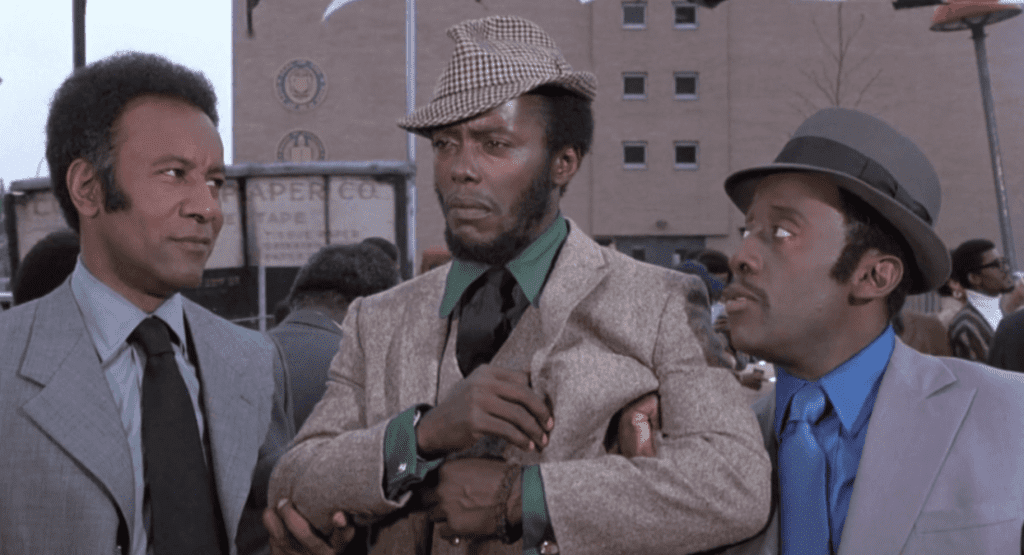
    Based on the Chester Himes novel this Ossie Davis directed hit starred Godfrey Cambridge and Raymond St. Jacques.  It was co-written by Davis and Arnold Perl and the theme song (which was sung by Melba Moore) was also written by . . . Ossie Davis.   Oh, and by the way Cotton Comes to Harlem marks the screen debut of Calvin Lockhart, Judy Pace, Cleavon Little and Redd Foxx as a junk dealer.

    The story revolves around a back-to-Africa movement and $87,000 in stolen cash.   Seems the crooks stuffed their loot into a bale of cotton and dumped it on the streets during their high-speed getaway.   Two Harlem detectives are assigned to find the cash, but everybody else who heard about it feels it is their obligation and duty as well and the citywide hunt is on.     There are shootouts, more car chases, sexy women, gangsters, and a whole lot of jive-talking.   It was considered a Blaxploitation film.   What would you expect? Cotton Comes to Harlem boasts an impressive cast of 1970’s character actors: Theodore Wilson, Don “Bubba” Bexley, John Anderson, Eugene Roche, J. D. Cannon, Lou Jacobi, Emily Yancy, Dick Sabol and Mabel Robinson.   Produced on a budget of $1.2 million the film grossed $5.2 million making it one of the most commercially successful films starring Blacks in Hollywood history and it spawned the sequel, Come Back Charleston Blue (which was not written, directed or theme song composed by Ossie Davis).
  • Black Leaders’ Late Success Stories

    Some worry that if they don’t achieve success by a certain age, they will never achieve it. Fortunately, these 10 African American people did not allow this fear to get in their way and enjoyed resounding success after 50.

    1. Dawn M. Blackman

    black, 50

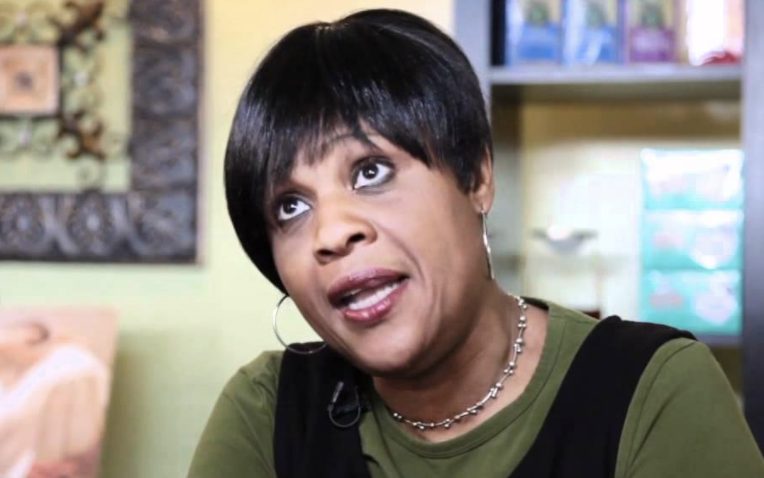
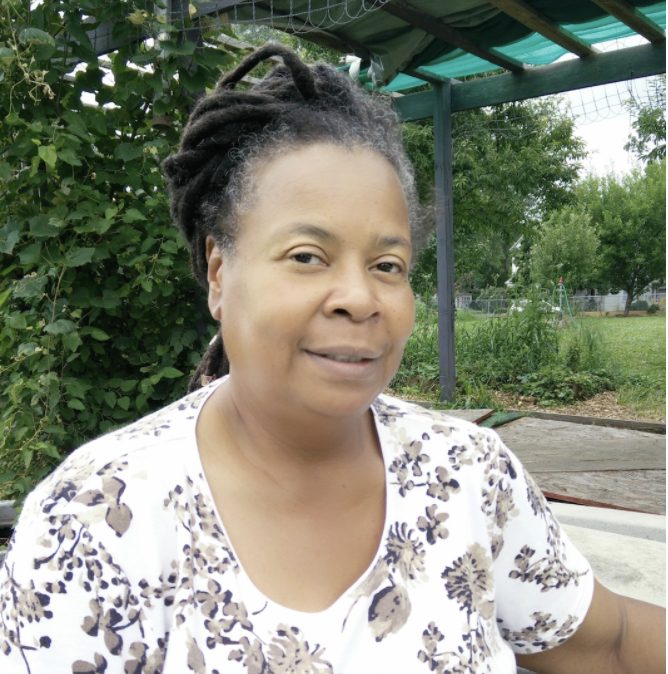
    In 2003, at age 53, Dawn M. Blackman had a career as a caterer and a clothing store owner in Illinois when she began schooling local children about gardening.

    Three years later, she was operating The Randolph Street Community Garden full time and committing her life to teach the residents of the Washington Square Apartments, local youth, and anyone wanting to join them the benefits of gardening, accessing fresh food, and coming together as a community with a common goal. 

    2. Marcia Duhart

    As a communication specialist at Meryl Lynch, Marcia Duhart trained other staff members to use computer systems.

    She retired at age 56 and embarked on a second career teaching senior citizens how to use and access digital technology through her brainchild, Cyber-Seniors.

    The organization promotes intergenerational exchange and diminishes ageism by partnering young teachers with older students. Seniors learn computer skills that help them establish stronger connections to their communities. Today over 300 Cyber-Seniors programs run throughout rural and urban communities within the United States.

    3. Mary Fields

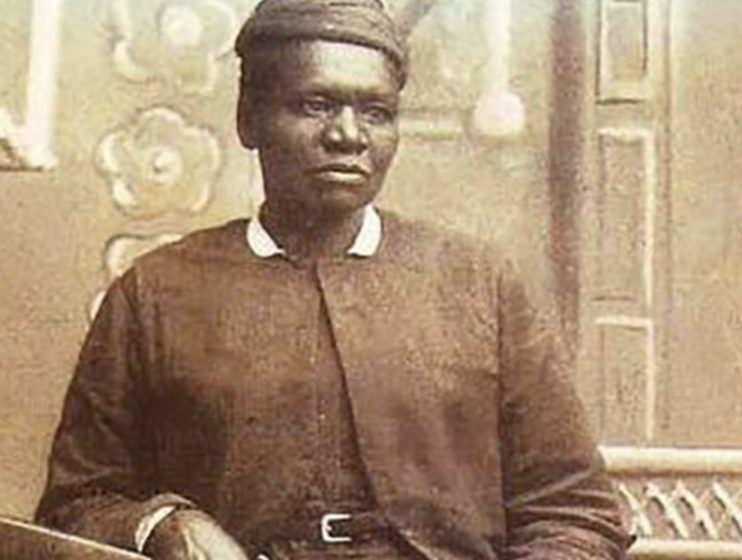
    Mary Fields was born into slavery in 1832 and worked at a convent in Ohio as an adult. She left there, and eventually found work gardening and delivering supplies at a Montana mission where her former convent’s mother superior was living.

    While there, Fields gardened and delivered supplies. Unfortunately, her gruff demeanor and salty language led to her expulsion by the Bishop.

    In 1895, at over 60 years old, Fields began a career as the first female and second African-American Star Route Carrier in Montana. Her dangerous job as an independent mail carrier required her to use a rifle and revolver for protection as she operated a stagecoach to deliver mail. The role gave Fields fame, the nickname “Stagecoach Mary” and a permanent place in American history. 

    4. Hubert Jones

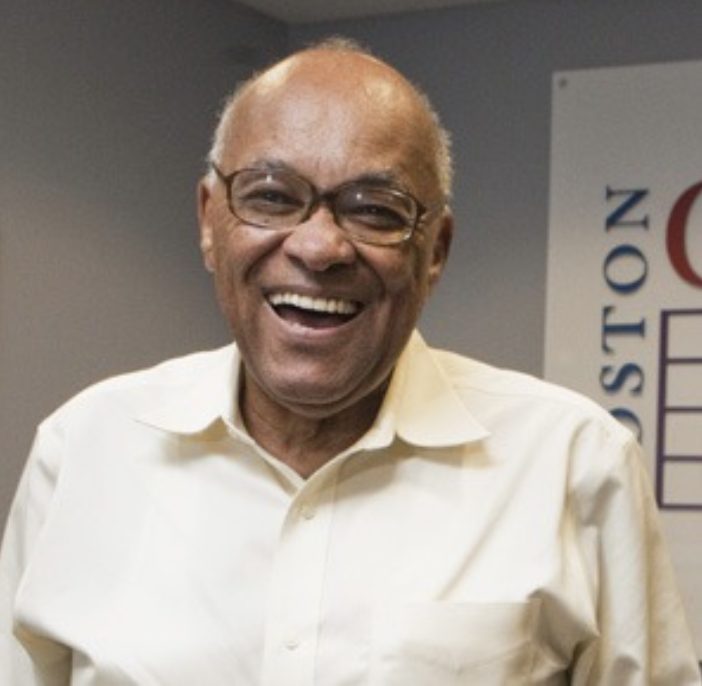
    As the first African-American dean of Boston University’s School of Social Work, Hubert Jones built his reputation as an academic who championed social change, minority people, and the educational needs of underprivileged children in Boston.

    At 69 years old, he began to consider ways to bring children from multi-cultural backgrounds together. In 2002, despite having no musical background, Jones founded the Boston Children’s Choir.

    The choir began with eight children from various ethnic and socioeconomic backgrounds. Today the diverse choir consists of 500 children who receive musical training and academic support and perform around the world. 

    5. Nelson Mandela

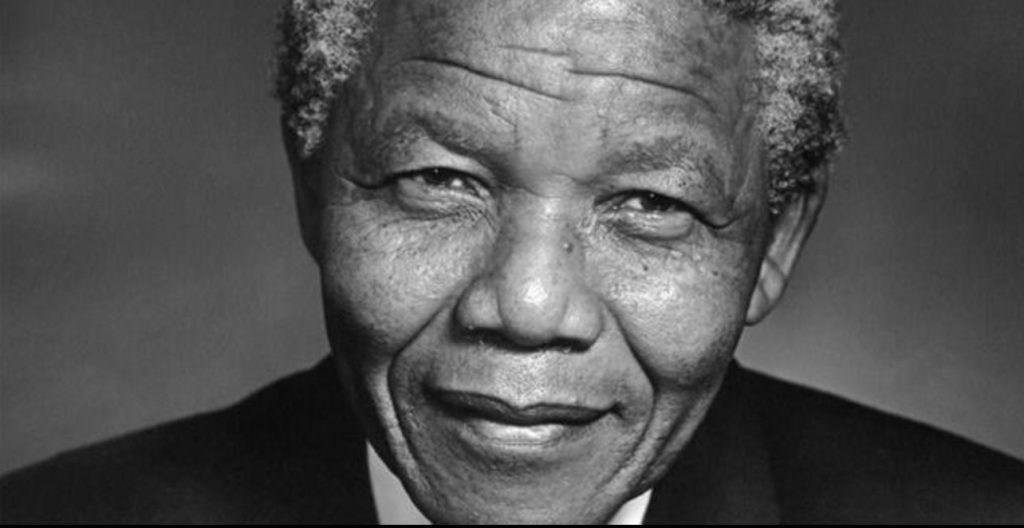
    Nelson Mandela was born in 1918 and spent most of his life opposing apartheid, the racial segregation system that dominated society in South Africa from 1948 through the early 1990s. In 1962, he was arrested and sentenced to life in prison for conspiring to overthrow the state.

    He was released after 27 years by President de Klerk, who feared a civil war due to mounting international and domestic pressure. Mandela and de Klerk joined forces to end apartheid and inspire South Africa’s first multiracial general election in which Mandela was a presidential candidate.

    In 1994, at the age of 76, Nelson Mandela was elected the first President of South Africa. He and de Klerk were jointly awarded the Nobel Peace Prize for ending apartheid.

    6. Gordon Parks

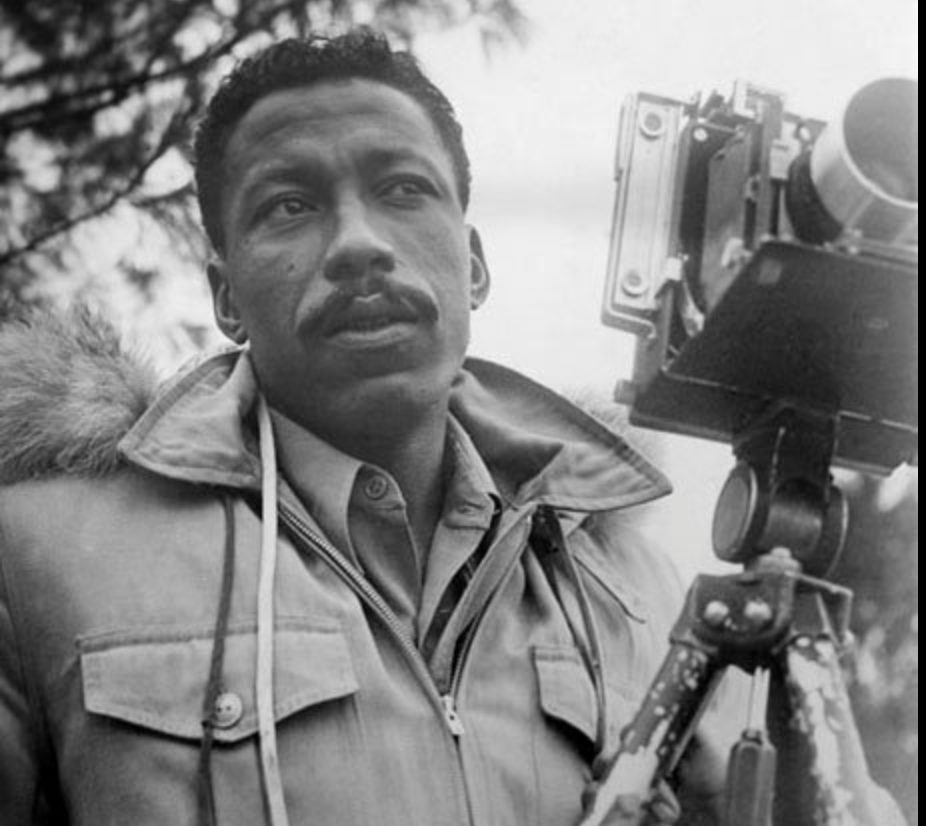
    Gordon Parks was a prominent photojournalist documenting social conditions and racial tension, along with glamour portraits for Life Magazine. Parks also found success writing fiction and non-fiction and in 1969, his semi-autobiographical book, “The Learning Tree,” was adapted for a film.

    With that project, he became the first African-American Hollywood film director at age 57 and had another successful career directing blaxploitation films. These were hugely popular among people of color, despite their emphasis on drugs, violence and womanizing within the lower-class Black community. Parks also co-founded the African-American woman’s lifestyle magazine Essence when he was 58 years old.

    7. Joe Thomas, Sr.

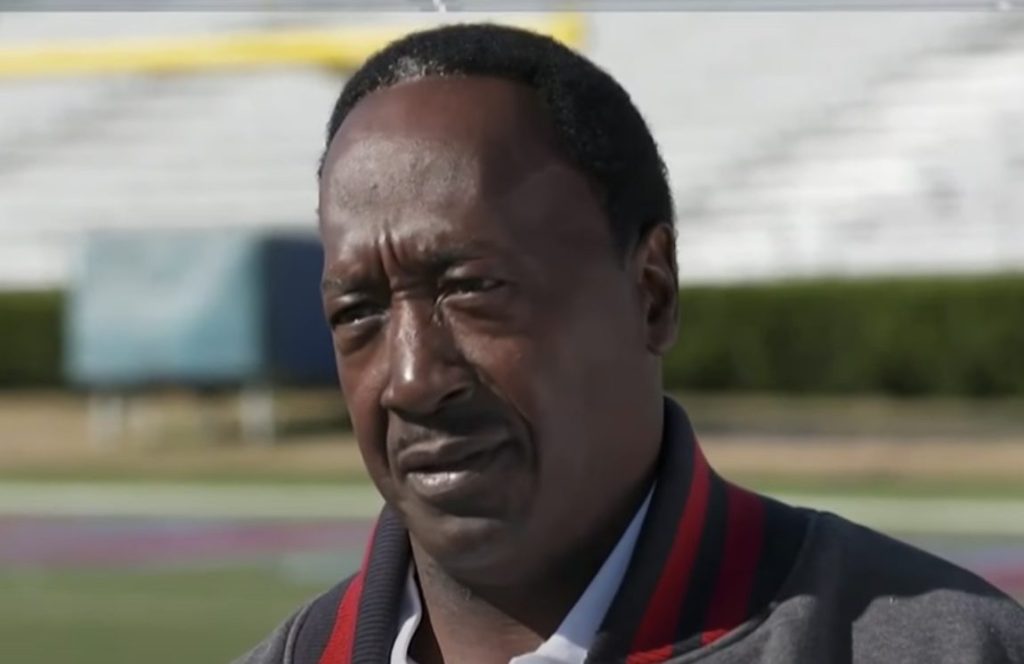
    At 51 years old, Joe Thomas, Sr., began the journey toward realizing his dream of returning to college and playing football at South Carolina State University, where his son was studying.

    The younger Thomas went on to play in the NFL while his father remained at the university. Although Joe Sr. had showed promise as an athlete during his youth, he had never achieved his goal of playing beyond high school.

    In 2016, following years of sitting on the bench, he finally achieved his dream at age 55 and became the oldest player in Division I history as a running back in a game against Savannah State University.

    8. Estella Pyfrom

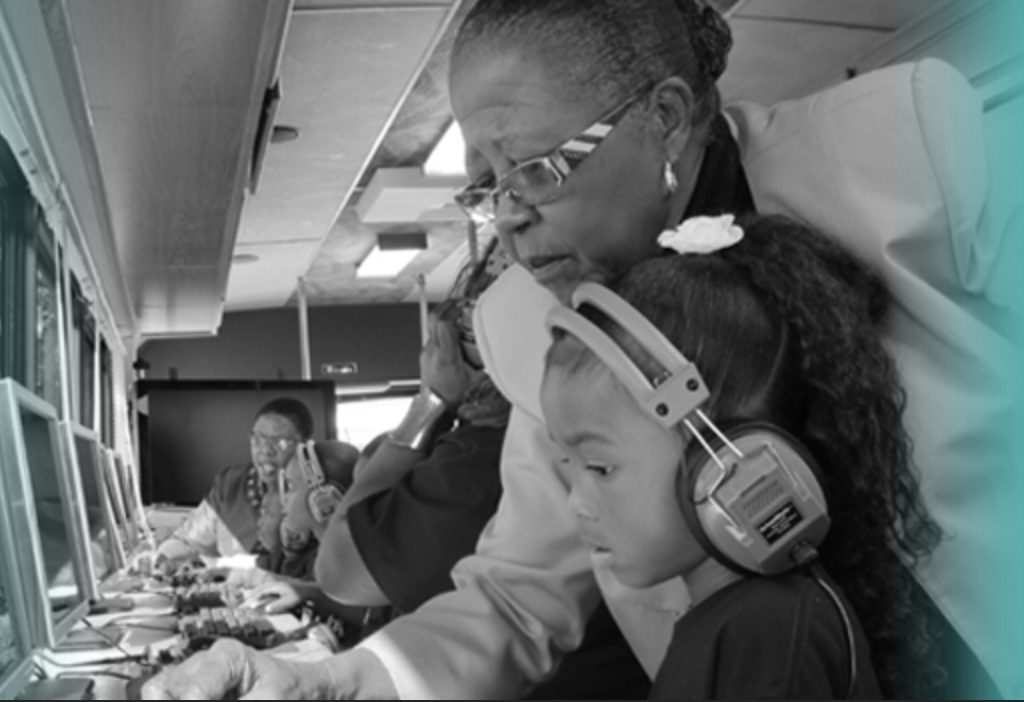
    Estella Pyfrom was a teacher, guidance counselor, and summer school principal in the Florida school system where she advocated for underprivileged children. She returned to teaching briefly following her 2004 retirement but left again in 2006 to pursue her greatest goal.

    At age 71, she put her retirement money into her dream of bringing learning technology to underprivileged neighborhoods. Estella’s Brilliant Bus provides mobile education assistance, tutoring, training, test preparation and a host of other educational benefits to communities that need them most.

    9. Deborah Ramsey

    Deborah Ramsey spent much of her career in the insurance and banking industries when she was caught in a wave of corporate layoffs in her early 50s. She decided to go to work for herself rather than someone else and began her education to receive certification as a massage therapist.

    In 2008 she used her training to open her own Philadelphia business, Natural Wellness & Spa. She has expanded her offerings to include nutritional and other wellness counseling services.

    10. Nadja West

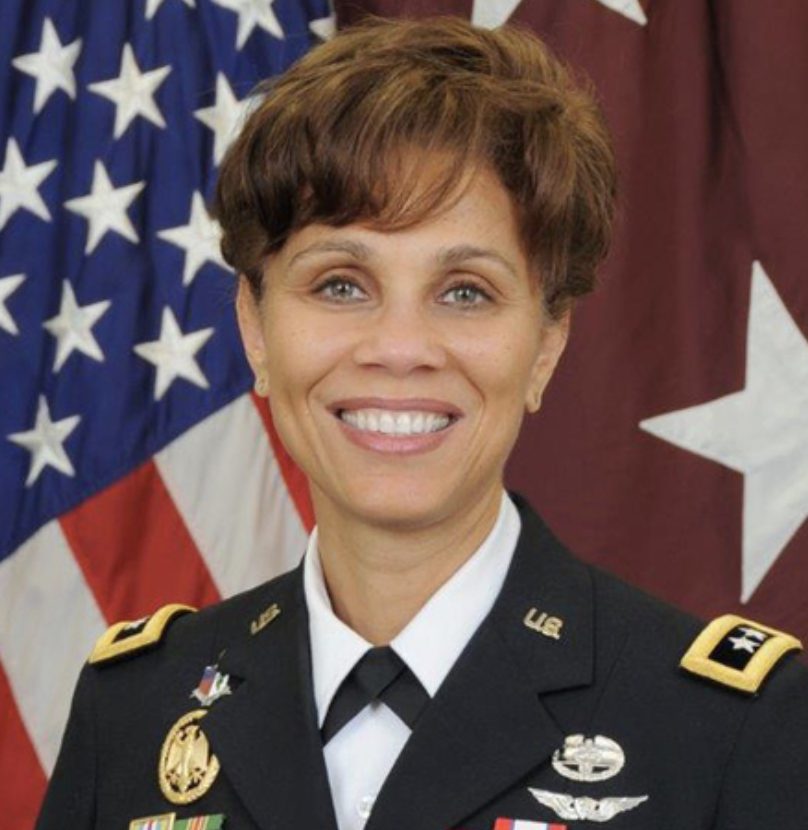
    Nadja West had already distinguished herself as the United States Army’s first African-American female major general and the first female two-star general in the Army’s Medical Command before assuming the historical role of the first Black Surgeon General of The United States at age 53.

    She is the highest-ranking female of the United States Military Academy and followed her distinguished military career with public service as a board member of various medical organizations and an advocate for underprivileged youth.

    African American Stories

    Visit our website to learn more about African-American superstars and the minority communities they represent.

  • Exploring Black Cultural Pride

    black culture, cultural appropriation

    What are the values of black culture?

    When it comes to cultural appropriation, it appears that Black people are the only ones who say the least and get ripped off the most. It seems that every other culture is highly protective of everything from their fashions to the food to the music.

    Still, if you look around, you’ll see that black culture is utilized in most other cultures free and clear and it is even, in some cases, stolen as an aspect of different cultures who claim origination. Here are ten reasons why this often happens.

    Black People are Peaceful

    Contrary to popular belief, for the most part, black people are peaceful. We love competitive sports, and we love to dance and sing and celebrate. As David Banner said, we are the GREATEST threat to each other instead of everyone else. Nevertheless, we and society by news sources and media have been fooled into thinking that we are threatening and deviant and that we are to be feared as predatory (predominantly black men) instead of worthy.

    We’ve also been fooled into thinking that it’s not ok for us to fight against oppression as in it’s not good to be the ABW or the ABM (angry black woman or angry black man)

    Whenever we, in the black culture, stand up for ourselves or our beliefs, we are often regarded as the “angry black man” or the “angry black woman.” That often makes us the target of unfair criticism and shameful stares from the white race.

    We are looked at as if our emotions are out of place and insufficient or not worthy of notice, attention, or confronting bias. Unfortunately, we often acquiesce to the lies and believe that we are wrong for standing up for ourselves so we often opt to say and do little or nothing when racist events present to us.

    We’re Too Trusting

    When it comes to black culture, we foolishly believe that others have our best interest at heart, and we are too trusting of people outside the culture who often take advantage of us and our money. Once you give away a recipe for a killer dish in a restaurant, you no longer own the restaurant, now someone else does. There is a reason patents and copyrights exist.

    This is what makes a business successful: we can do something better than other people can. We all know the (his)story of Aunt Jemima, Uncle Ben, and Kentucky Fried Chicken; even Paula Deen stole dishes from Black people and then claimed them as their own. They made millions and the black person was paid either a paltry wage or nothing at all. They weren’t educated and they didn’t know but they were used and taken advantage of because they didn’t understand business or friendships.

    We Depend on Recommendations from the People We Trust Outside of Black Culture

    If I am a black celebrity and I have a white manager, chances are I will also have a white agent and a white real estate agent, and a white attorney, mainly because the people that we have in our circle often are the ones who recommend others to us … from their circles. This is why the sports industry is riddled with racism. There are few power players in the top positions who can utilize their black resources to help others OR they don’t have black resources either. We are not exactly innocent of having our culture stolen either.

    Cultural Appropriation Exists Because We Don’t Trust Each Other

    We are remarkably trusting of other cultures but not our own black culture we don’t often trust each other. We are constantly under the impression that we are out to hurt each other and to take what we have earned from each other but that is not often the same insight that we have when it comes to different cultures infiltrating black culture. We call each other haters and jealous, manipulators and thieves and we were taught to think this way by the people we trust.

    Cultural Appropriation Exists Because Most of us remain silent

    … even those often in power. It takes harsh circumstances for us to unify and stand up against oppression, such as the George Floyd situation but when the culture comes together for a cause, we get much more accomplished

    Cultural Appropriation Exists Because Our Comraderie is Forbidden

    We don’t read enough, and we don’t believe in contracts and signing agreements. We believe in handshakes and gentleman’s agreements that often mislead us and allow other people to make a lot more money off of us in the black culture than we make ourselves.

    As mentioned in several of the segments, looking out for ourselves or each other is often a threat to those outside of the community and we are under the feigned assumption that by helping each other or loving each other it is selfish and inconsiderate and we are even racist (look at all the commercials and ads with interracial couples).

    These concepts cause us shame and guilt as if we are wrong for looking out for ourselves. Black camaraderie is viewed by all, including us, as the enemy of success. which makes no sense; it’s a game that is played on us but allows other people to steal our culture and our money.

    We Ask For Just Enough Instead Of More Than We Need Or What We Deserve

    It is evident in business as well as in our dealings with each other that we short-sell ourselves, asking for just enough to get by and then asking for discounts from each other when we help support black businesses within black culture.

    We have a ‘hook a brother up’ concept but will pay premium top prices for products at white retailers without a complaint. This speaks volumes as to how we think of ourselves and the value that we see in our culture in addition, paying top dollar to everyone but black business owners, it is an indication of what we often deem as approval.

    Cultural Appropriation Exists Because We Don’t Support Black Businesses Enough.

    There are certain types of black businesses that are undeniable, like barbershops and beauty salons, and soul food restaurants. We’re only going to get traditional black culture from those places and that is what we are looking for.

    But when it comes to everything else, we’d rather shop at other places for the most part and not support each other even when we own the business; there is often a tendency to hire people outside the culture to work there.

    I used to think that this was on the black business owner until I realized that we don’t have a lot of support and trust of black businesses as a culture, so if we think we should only hire black people, it’s not impossible. Still, you will be looking for a VERY long time to survive and thrive.

    Cultural Appropriation Exists Because We Don’t Promote What WE Are Doing Enough

    Our black culture sits idly by many times and we don’t often promote what we do enough for fear of ruffling white feathers. Thus leaving room for others to enjoy the benefit of appropriating black culture.

    Even when we are promoted, and our contributions are appreciated, we’d rather leave it up to the corporation or the business to promote us being promoted. We look at promoting ourselves as bragging and putting our futures in jeopardy as if we don’t deserve the promotion, the adulation or the recognition.

    Black people make incredible strides, but our accomplishments are often short-lived because we don’t take credit for what we do enough. If you look at some of the comments on social media after black people celebrate what we do it’s often very negative, and coming from black people it’s even worse.

    We Are Trained to Think WE Are Racists When It Comes to Black Pride

    Whenever we complain about racism or being mistreated, we are often looked down upon in an ad as the racist ourselves but what is even worse is when we talk about black pride and loving ourselves, it’s STILL viewed as racist.

    We Need to Have a Better Understanding of How Business Works

    At the end of the day, we wouldn’t be taken advantage of if we truly understood how business works. Agreements, signatures, documents, and contracts are all the things that it takes to make sure that we don’t get ripped off we leave in the hands of others, and what happens? We get ripped off.

    Here are 10 small business grants for black-owned businesses along with their respective websites:

    National Minority Supplier Development Council (NMSDC) Business Consortium Fund: https://www.nmsdc.org/programs/business-consortium-fund/

    African American Empowerment Fund: https://www.aaefund.org/

    Minority Business Development Agency (MBDA) Grants: https://www.mbda.gov/businesses/grants

    The Amber Grant for Women: https://ambergrantsforwomen.com/

    FedEx Small Business Grant Contest: https://www.fedex.com/en-us/small-business/grant-contest.html

    National Association for the Self-Employed (NASE) Growth Grants: https://www.nase.org/business-help/grants

    Small Business Innovation Research (SBIR) and Small Business Technology Transfer (STTR) Programs: https://www.sbir.gov/

    Black Girl Ventures Foundation: https://www.blackgirlventures.org/

    Minority Business Development Institute (MBDI): https://www.mbdiusa.org/

    National Urban League Entrepreneurship Center Program: https://nul.org/entrepreneurship-center-program

    Please note that grant availability, eligibility criteria, and application deadlines may vary. It’s advisable to visit the respective websites for detailed information on each grant and their application processes.

  • 10 Best Places to Donate a Car for Charity

    10 Best Places to Donate a Car for Charity Places

    donate a car

    An easy and efficient way to get rid of an old vehicle or one no longer in use while still reaping tax benefits would be to donate it to charity. It has been documented that charities make quite a bunch of money from recycling the vehicles that do not work and selling their scrap parts. If the car is well functioning, the charity will even be able to make more money as they often auction them ranging from as low as three hundred dollars to as high as three thousand five hundred dollars.

    Key pointers to look out for when deciding where to donate your car

    Although donating your car helps you escape the torturous hassle of the process of selling a car, you have to be careful as to which charity you use for donation. Some things you can look out for include:

    • Cases of scamming are prevalent in this specific industry of donating cars. Scammers impersonate the auction houses that charities would go to and then deduct very high expenses from the sales of the cars, leaving the charity houses with little to nothing.
    • You should get to know before turning in your vehicle what exactly your charity of choice accepts. There are some charities that accept all kinds of donations related to vehicles from campers, to motorcycles, jet skis, and even snowmobiles while other charities do not.
    • You should factor in the fact that there will be fees that arise during the process of donation that will probably have an effect on your tax deduction such as dismantling fees and towing costs.

    The best places to donate a car are:

    Charitable Adult Rides and Services – Donate a Car for Charity

    CARS is a donation service that is non-profit and serves other charities. For this reason, it is both a charitable organization as well as a car sales service. This service gives you the opportunity to donate your vehicle to your charity of choice whether or not the service works with them. After donation, CARS will sell it by working with over 400 vendors that are all over the US, whether it is through salvage yards or auctions. The service then picks the best outlet, that is the choice that will end up giving you the highest tax deduction, to sell the car. To get started you can call them at 855-500-RIDE(7433).

    The Arc – Donate a Car for Charity

    This is the largest organization that is community-based nationally. It advocates as well as serves those with developmental and intellectual disabilities across all ages as well as their families. Melwood runs their vehicle donation program and it, therefore, handles the whole process from contact with the donors to disbursement to the charity. You can contact them on 877-MELWOOD (877-635-9663) for you to be able to arrange a convenient pickup time. After the car gets picked, you will receive receipts from the towing company, Melwod after receiving the car, and after the sale of your car.

    Volunteers of America – Donate a Car for Charity

    This organization supports people with disabilities, the youth who are at risk, individuals who are homeless as well as people who have been affected by natural disasters. It also provides services aimed at mental health and even abuse of substances. You can get in touch with them at 833-300-5737, and in thirty days you will be able to receive your tax deduction.

    National Kidney Foundation – Donate a Car for Charity

    This foundation aims at increasing people’s awareness of kidney disease as well as providing support as well as guiding those who are fighting the disease together with their families. In donating your car, you enable the foundation to sell it and get money to continue funding its operations. You can reach them at 800-488-CARS (2277) and they will pick up your car in the next twenty-four hours. They will send you a letter proving your donation within two weeks of you making your donation and you will be able to receive your tax return in the following thirty days.

    Habitat for Humanity – Donate a Car for Charity

    This is a non-profit organization that offers affordable housing to not only the residents in the US but to people worldwide. These car donations help the foundation afford the materials that they need to not only build but also repair the homes of the families that fall under the low-income bracket. The organization uses Car Donation Wizard for the reselling of the donated cars and the cars that can not be sold get compressed in salvage yards to make steel beams that are used in house construction. You can reach them at 877-277-4344 and thirty days from when they pick up the car, you will receive a letter showing how much you will be able to file your tax returns.

    This is a vehicle donation service that partners with charities such as Red Cross, Animal Charities, and even those that support people with specific illnesses such as lupus and diabetes. You can reach them on 800-273-5714. After your car gets picked up, you will be mailed a receipt and in thirty days you will be able to get a Form 1098-C if at all your car was able to sell for more than five hundred dollars.

    Car Talk Vehicle Donation Program – Donate a Car for Charity

    This program supports the local NPR station. NPR is simply a media organization that is nonprofit and that seeks to find local and international human-interest stories. You can contact them on 877-215-0227 and you will be able to schedule a pickup date. Depending on how much your car sells, you will be able to receive a sales receipt.

    American Diabetes Association – Donate a Car for Charity

    This organization has its aim of not only preventing and curing diabetes but also improving the lives of the individuals living with the illness. You can reach them at 800-ADA-6570 (800-232-6570) and you will be called to set up a pick up date in three to four days. If your car is able to sell for more than 500 dollars, you will receive an acknowledgment letter that will contain the total proceeds and everything about the car.

    Wheels For Wishes – Donate a Car for Charity

    This organization benefits yet another foundation, Make-A-Wish Foundation, which seeks to bring to life the wishes of children who get diagnosed with chronic illnesses. This helps to bring some hope and strength for the families during such hard times. You can reach them at 855-278-9474 and you will be able to schedule whatever pickup time would be convenient for you. In thirty days, you will be able to get your tax deductions.

    TOP TO BLACK MALE SINGING GROUPS

    Goodwill – Donate a Car for Charity

    Goodwill is one of the largest places where people donate household goods. Other than that, it also receives any kind of vehicle. You can reach them by calling 866-233-8586 and you will be able to arrange a pickup time. Within thirty days of the sale, you will be able to get your tax deduction.

    Donating a  car is not a walk in the park but in contacting your charity of choice and doing research, you will be able to understand all that you need to know. You will also be contributing to a good cause which is honorary.

  • What Elon Musk’s $44B Buyout of Twitter Means for The Popular Social Media Platform

    What Elon Musk’s $44B Buyout of Twitter Means for The Popular Social Media Platform

    There are good reasons why Elon Musk wants to buy Twitter - Vox

    So Elon Musk bought Twitter, now what?

    After only a week of being Twitter’s largest shareholder, the multi-billionaire and CEO and chief of SpaceX, Elon Musk, decided to outright buy the company for $44 billion and break the internet in one fell swoop.

    What the billionaire may do to the social media platform is anyone’s guess, but based on a statement released after the deal was reached where Musk called Twitter “the digital town square where matters vital to the future of humanity are debated” and said he looks forward to tapping into the company’s “tremendous potential,” it’s reasonable to gather that there the Twitter we now know is no longer.

    Here’s an idea of Musk’s new Twitter:

    Twitter is Likely Going Private

    In the recent past, Musks has shared that the changes that Twitter needs to make can only be done if the platform is privatized. In agreement with Musk’s view is Jack Dorsey, the co-founder, and ex-CEO of the platform, who Tweeted on Monday that it “has been owned by Wall Street and the ad model.” He followed that up by saying that going private “is the correct first step.” 

    Despite the sale going through with Twitter’s board, it still needs approval by shareholders and is subject to a regulatory review. CEO Parag Agrawal said he expects the deal will close in the next three to six months.

    Whether Musks gets approval from shareholders mainly depends on whether his offer and plans for the company are the best they can get.

    If they accept Musk’s buyout offer, they will be able to sell their shares for $54.20 each.

    Twitter Will Become a Free Speech Zone

    Musk’s main intention behind buying Twitter was to provide a platform that ensures “free speech.” There’s no word as of yet on how he wants to put this idea into practice, but he has been notably critical of the platform’s censorship.

     He has suggested that there would be changes to Twitter’s content moderation policies and that he would lessen efforts to remove individuals who violate the service’s guidelines. Musk has also said that he hopes his acquirement of the platform doesn’t cause anyone to leave. 

    In addition to content moderation, the billionaire has also noted that he would like to:

    No Layoffs… Yet.

    At a company-wide town hall, Agrawal  said that no layoffs are currently planned; however, “once the deal closes, we don’t know which direction the platform will go.”

    Source

  • 5 Best Negotiation Tactics For All Entrepreneurs (New and Old)

    5 Best Negotiation Tactics For All Entrepreneurs (New and Old)

    How to Hone Your Negotiation Skills | ACC Docket

    Negotiation is the bread and butter for all entrepreneurs.

    Negotiation involves tact, active listening skills, assertiveness, and, most importantly, research. It’s an art form frequently used by business owners, freelancers, artists, and more to settle disputes and to achieve a desirable resolution for both parties involved in an agreement.

    For some, negotiating comes naturally. They speak, and people listen and want to agree with them. However, for others (including myself), negotiation is learned. Below are the top 5 tactics to use when negotiating to achieve the best results.

    Understand Who You’re Negotiating With

    The most common reason why most negotiations don’t go people’s way is that they don’t understand the other party’s position: what they want, why they want it, and who they are. Understanding these three facts can ensure that you’re negotiating from a place of knowledge of and respect for the other party. 

    It can also prevent unnecessary arguments and misunderstandings since you’ll be aware of what you and the individual you’re communicating with want. 

    Gather All Pertinent Facts

    While gathering information on the other party, it’s of the utmost importance to prepare for the negotiation at hand; this looks like setting up an agreed-upon time and place where both parties can meet and understanding who will attend the meeting.

    This step also involves understanding your own position as well. How much do you want, how much are you willing to settle for, and what alternatives you’re willing to provide.

    (Pro tip: Setting up an end-time for the meeting will save you and the other party unnecessary time and effort spent arguing if an agreement can’t be made.)

    Make Your Case

    A common mistake many entrepreneurs make when negotiating is jumping straight into discussing their price and product value. As mentioned previously, negotiating is an art. It’s a dance in which both parties just want to go home happy. Therefore, try to build a rapport with the other individual. Say your ‘hellos’, talk about your days, and then move into discussing pricing (this part may seem tedious, but it’s important to show the other person who you are, so they recognize that they’re speaking to another person just like them that has their own needs and wants.)

    Now, once you start talking shop, be prepared to demonstrate your value to the other individual, whether that’s your value as a unique artist, a skilled writer, or whatever. And what will really show you as a credible business person is bringing a portfolio of your work. Having visual evidence of what you’re capable of can show the other party that you’re worth the money.

    Build Emotional Resilience

    Between marketing yourself, doing quarterly taxes, and building your brand, negotiating is probably one of the most emotionally taxing projects done by an entrepreneur. It can be frustrating, tedious, and seemingly even a waste of time. But remember that things you learn negotiating in your professional life will go a long way in your private life when you have to compromise and prove your worth to others.

    And now that you know the emotionality of negotiating be prepared to think and communicate clearly while under stress. It’s easy to lose control and insult the other party when they devalue you, but refrain from reducing this conversation to an argument. Express your knowledge and what you want, and listen to the other person. And if it comes down to it, accept the lower value and move on.

    Maintain Your Personal Integrity

    At the end of the day, you have to live with yourself. If you don’t make this sale, there will be others. However, if you make this sale through nefarious means, such as lying or stealing the work or ideas of others, you will have to hold the knowledge of these deceitful acts for the rest of your life.

  • 7 Free Hacks on How To Receive Free Crypto

    7 Free Hacks on How To Receive Free Crypto

    7 Free Hacks on How To Receive Free Crypto

  • The End of Generational Trauma: How Remote Work Is Helping Black Entrepreneurs Overcome Inherited Trauma

    Generational trauma

    Generational trauma, also called intergenerational trauma, is a concept used to explain the transmission of challenges within families. It has become a hot topic in recent years due to the focus on redefining mental health and due to the need for accessible and adequate mental health services.

    However, as a result of the Covid-19 pandemic or the ‘new normal,’ it seems as if the cycle of passed down trauma has finally broken.

    According to a 2021 Future of Work Abroad survey, Americans who live and work abroad are happier. Nomadism enables entrepreneurs to live free of the restrictions of capitalism, and it also provides African Americans with the opportunity to explore more inclusive environments.

    Benefits of Location Independence

    One of the many benefits of this digital nomadism is the escape from many of the inequities historically faced by African Americans in America, such as health disparities, particularly those seen as a result of Covid-19, and the challenges of growing a business in a systematically racist society as a black business owner.

    What author and freelance writer, Kimanzi Constable, has recognized while working abroad is that “Black entrepreneurs are not limited to building a business where they may have grown up.” Rather, we, as entrepreneurs, more than ever can utilize alternative forms of business, such as relying solely on our online business or a product-based business that delivers products through third parties.

    A Unique Perspective on Generational Trauma

    Other black entrepreneurs, like Hervé Da Costa, a French man that studied and worked in America’s Silicon Valley for 16 years, held similar feelings about the prejudice he faced as a black man in the United States versus abroad:

    “I got tired of the societal roadblocks in the United States as a Black career professional. I wanted to start a business but kept running into hurdles as an aspiring black entrepreneur. It felt like my skin color was seen before I was given an opportunity to show what I had to offer.”

    Hervé has since returned to his native country and has been back there for the last seventeen years. He works as a coach and consultant who trains leadership teams at some of the world’s largest corporations.

    “I came back to France, and almost immediately felt welcomed. It was as if people in France were color-blind. That may not be the case but it’s what I’ve felt. My skin color is not a barrier here,” he says.

    Why American Prejudice is Incomparable

    However, this is not to say that racism and prejudice do not exist in Europe, but rather that the systems in place in America that propagate generational trauma—such as gerrymandering to keep legacy politicians and leaders in positions of power and the refusal to incorporate Critical Race Theory in syllabi and thereby educate younger generations on theories of race and prejudice— exist to a lesser extent abroad.

    With that said, African American entrepreneurs who’ve chosen location independence and escaped from the generational trauma they’ve experienced in the states have thrived while living abroad. Constable even notes that “In Europe, I personally haven’t experienced outright prejudice or expressions of racism. It feels as if there’s an effort to understand different people and cultures and see humans as humans.”

    Source

  • Dame Dash Shares His Honest Thoughts on The Industry’s Greatest: Kanye West, Kevin Hart, Jay-Z, and More

    Dame Dash may not be the most loved entrepreneur, but he does spit facts.

    On a new episode of Fox Sport’s Club Shay Shay, Shannon Sharpe and Dame Dash covered various topics from Dash’s childhood, his success in the industry, and his feelings on Kanye West and Kevin Hart’s accolades. As an outspoken entrepreneur, he gave what most people expected: his raw, insightful, and honest thoughts on the music industry.

    Many respond to death through the normal grieving process: denial, anger, bargaining, depression, and acceptance. However, when Sharpe asked about his response to his mother’s death, Dame Dash notes that her death made him more robust:

    (Dash) “Made me a beast, it made me an animal. It made me fearless. My worst nightmare was losing my mother and it happened to me fairly young, so what else did I have to be scared of? And then my friends started to become killers and I knew that I would have to become one because it was part of the game and I was becoming a product of my environment. My mother worked too hard for me not to have to do that. So I put myself in boarding school. Self Care – I played football, lacrosse, and basketball.”

    His relationship with his mother and with her death was one of many shocking; yet, inspiring things said in the sit-down interview. But what caught most people’s attention was Dash’s thoughts on Kanye West’s rise to fame:

    (Sharpe) “When you first met Kanye, when you heard his sound, did you know he would be what he became?”

    (Dash) “No, I never expected that in a billion years … I didn’t expect it. I expected other people that were in my crew to be Kanye. I expected someone to do those things, but I didn’t know it would be him. But the reason why it was him is because he had the most respect for me. He’s the only one that listened completely. And still does – on certain levels.”

    Make a note of that, one of the most successful and talked about artists today may have become successful due to simply listening. As entrepreneurs, we sometimes feel like we have to do everything ourselves, but sometimes taking help from somebody else and hearing them out can be what changes everything for us.

    Sharpe also asked Dame Dash to consider his reasons for putting Kevin Hart in movies:

    (Dash) “I was confident in the fact that I thought he was funny. … the role I needed, he fit the role. I needed a little dude that was funny that could make fun of himself. He fit the bill. And he just took the opportunity – like I give a lot of people the same opportunities and I see potential in a lot of people that don’t realize them. Effort, and again as a professional athlete, you know, you can be good but not have the discipline and you end up going nowhere. So Kevin was just one of those people that had the work ethic and took the opportunity.

  • Robinhood’s 4 New Crypto Tokens: Shiba Inu, Solana, Polygon, and Compound

    In the early hours of the morning, the popular stock and crypto trading giant Robinhood quietly added a few more tokens to its offerings, rounding it out to 11.

    Included in the new offerings are the ever-progressing innovator Solana (SOL), the Ethereum-based token and technological platform Polygon (MATIC), the beloved, dog-themed meme-coin Shiba Inu (SHIB), and the original defi token Compound (COMP).

    Robinhood’s support of these 4 tokens has had an immediate effect on stocks, with SHIB rising almost 25% an hour (5:00 AM EST) following the news and the others rising just as rapidly.

    Robinhood Making Crypto Moves in Miami

    At the Bitcoin 2022 Conference in Miami, Robinhood announced that it would be adding a new feature to its platform, Lightning Network, to allow for speedier BTC transactions, meaning instant payments, lower costs, and off-chain transactions.

    The announcement comes only 6 months after the trading giant shared that a wallet feature, enabling users to deposit and withdraw crypto assets, was in the works. Most recently, though, a beta of the wallet launched in January, allowing select users to transfer major cryptocurrencies including Bitcoin, Ethereum, and another well-beloved meme coin, Dogecoin.

    Crypto

    Source