Blog

  • 9 Basic Ways Small Businesses Start Up

    Have you ever wondered how small businesses start up? What gives them the courage to start up the process? How do they take that first step, and what encourages them to keep it going? Here I break it down.

    Small Businesses Start

    Frustration

    I want to start a business but have no ideas

    I started my business radiofacts.com 27 years ago from frustration.

    I was frustrated with how Radio was going in my career, and I felt like my voice wasn’t being heard. So I wrote a brutally honest letter to a few friends in the industry and emailed it, and they, in turn, emailed it to other people. By the end of the next day, I had over 300 responses telling me they felt the same way and that I had to keep this going, whatever I was doing.

    There was a hole in the market to fill, and I didn’t even know I was doing it. I know I did not sleep that night when I sent it out.

    Not being able to sleep when it comes to business is often a good thing it means that your mind is in overdrive, and you’re probably on to something and probably have a couple of good ideas, which is our next segment. Your best ideas will come to you at 3 am. Keep a pad and a pen by your bed to jot it down before you forget.

    Small Business Ideas – Idea

    Ideas to start a business comes from seeing something that is not being done that you can easily do. Of course, you have to motivate yourself to make an effort. Still, you’re probably on target for a new business, especially if others feel the same way.

    Make sure you don’t blow off the idea and don’t tell other people about it because they can’t often see into the future. They could only see things from their perspective.

    Business with no money

    Make an effort to put your idea on paper and then into fruition. It is possible to start a business with no money if the company is online, so in this case, you’re ahead of the eight ball if that’s your goal. Like if you have an excellent idea for a blog or site to discuss a specific subject.

    Mistake

    Some small businesses start with a “mistake,” kind of goes with what I said earlier as it’s falling into something, but it could also be from a mistake you made and how you had to correct it on your own. For example, getting ahead of your credit on your own instead of hiring one of those companies that do what you can do but charge you for it.

    That’s how they got started too. When it comes to credit reports, many people don’t know that you can fix that on your own, and you don’t need to pay hundreds or thousands of dollars for someone else to do it.

    It’s not even as time-consuming or complicated as people think, but figuring it out yourself could be a great way to inform others about how they can correct their credit, and this could be a great blog or social media group. For example

    Well planned

    Your business may be well-planned, something you have wanted to do for a long time, and you’re going to give it a shot. I have a friend right now who has a well-planned business for a grocery app, and he has partners and a lot of frustration.

    There are times when you can have a well-planned business, and you bring other people into the fold, and they are not moving fast enough or at the same pace. That can cause significant problems and make you feel less motivated.

    Just know, no matter how well-planned your business is, no small businesses start without having bumps and bruises, and you must keep yourself motivated. This is the difference from what we’re about to talk about next.

    Passion

    The most successful businesses start with a passion for a subject or concept you’re deeply concerned about and want to fix or change.

    Everything else can fall into place when passion is at the forefront. This is how I started my business. I was very passionate about getting ahead in the radio game but ran into a lot of racism and issues with my own people in the industry when it came to progressing in the radio industry.

    Once I wrote about it, I got it on paper and sent it out to the universe. I cured my frustration and turned it into a business.

    I would strongly suggest writing your ideas on paper first from your hand to that paper. It’s going to get that idea going, and I know million-dollar businesses that started on a napkin at lunch.

    Suggestion

    Some small businesses start because some people are good at one thing, like making cheesecakes.

    I had a friend who enjoyed making different cheesecakes during the weekend. He would do other cheesecakes like peach cobbler, peanut butter, red velvet, Oreo cookie, etc. Then he would take the cheesecakes to work to avoid gaining weight and dole it out to his coworkers.

    They enjoyed his cheesecakes so much that they were willing to pay him $75 per order. That’s a hell of a profit. He started a weekend business and made more money during the weekend than he was making the entire week working at the gas company.

    He didn’t want to do it full-time, and he wanted to continue enjoying the benefits of his job.

    Some people just like that you can have a part-time business and keep working simultaneously and enjoy the benefits and security of a full-time job but know that you may have to make a choice at some point.

    Hobby

    There may be something you enjoy doing, like art, but you’ve never tried selling it online. Some people make a ton of money by buying items in a large market and selling it online to smaller markets around the country.

    I have a friend who does this with model cars, and he buys the cars from a retailer in Los Angeles and then sells them on eBay for a profit.

    There are many portals online where you can sell your art, and they do everything for you. They print it, frame it, sell it and collect the money for you, and they keep a percentage and then send you a more significant portion.

    Payment is a passive income business. Is there a hobby you have that you can multiply online, or have you investigated it? Something like an artist is a great example.

    Perhaps your design T-shirts instead. Passive income is key, and there’s no more incredible feeling than seeing an automatic deposit in your account when you didn’t expect it.

    Boredom

    We all have talent. Sometimes, we don’t know what it is, and sometimes it comes to us in our deepest frustrations or boredom.

    What did you enjoy doing as a child? Can you do that as an adult? Is it something that brought you joy? The thing is, it may bring other people joy as well. This is well worth investigating to start a small business.

    Whichever segment fits you best, you will never have a more significant benefit than working for yourself. When it comes to how small businesses start up it’s not for everybody and not always easy, but it’s always rewarding when you get to keep most of your profits.

  • PepsiCo’s Supplier Diversity Program Celebrates 40th Anniversary and Commits to Spending More than $400 Million Annually with Black and Hispanic-owned Suppliers

    PepsiCo is recognizing this milestone by:

    • Accelerating its efforts to achieve its Racial Equality Journey commitments to increase its investment with Black-owned and Hispanic-owned suppliers. A goal part of PepsiCo’s pep+ agenda to create growth and shared value with sustainability and human capital at the center.  
    • Further diversifying its spend and deepening engagement with advocacy organizations to help remove barriers for diverse suppliers – from farmers and transportation providers to marketing agencies and professional service providers
    • Leveraging existing forums, such as its diverse-owned Media Days, to expand its base and increase spending with diverse-owned media and marketing agencies

    PURCHASE, N.Y., July 6, 2022 /PRNewswire/ — PepsiCo is celebrating the 40th anniversary of its Supplier Diversity Program, where it currently spends more than $1 billion annually with certified, diverse suppliers, including Women, Black, Hispanic, Asian, LGBTQ+, Native American, Individuals with Disabilities, and U.S. Veterans. The anniversary commemorates a tremendous milestone for the company, from an initial spend of $5 million in 1982 to nearly $30 billion spent over the past 40 years across PepsiCo’s entire value chain. The company is also committing to expanding its base and increasing overall spend through new forums, mentorship, partnerships and resources, including increased support around the supplier certification process to help businesses grow and sustain their economic impact for years to come.

    PepsiCo
    Video produced by REVOLT and a 100% Black creative team

    “As one of the leading convenient food and beverage companies in the U.S., we have a responsibility to leverage our size and reach to help address the systemic barriers that too often limit or exclude diverse suppliers from developing and expanding their businesses,” said Melani Wilson Smith, PepsiCo’s Global Chief Procurement Officer. “We’ve been on this journey for decades and we are committed to growing with our diverse suppliers and procuring new ones. Working with diverse-owned businesses is one of the more important ways we can help build a more inclusive supply chain which, in turn, strengthens the communities where we operate and yields greater value for our consumers and customers.”

    Minority Business Enterprises (MBEs) are staples in the American economy, generating more than $400 billion in economic output annually and resulting in the creation and/or preservation of 2.2 million jobs, according to the National Minority Supplier Diversity Council.

    Increasing spend with Black and Hispanic Suppliers

    Building on the overall growth of its Supplier Diversity Program, in 2020, PepsiCo doubled-down on its support for Black and Hispanic suppliers as part of its Racial Equality Journey, a more than $570 million investment in a set of commitments over five years to increase representation within its workforce, leverage its scale and influence across suppliers and strategic partners, and help drive long-term change by addressing systemic barriers to economic opportunity and advancing economic empowerment for Black and Hispanic Americans.

    As part of this journey, in 2021, PepsiCo spent nearly $500 million with Black and Hispanic suppliers, including adding more than 10 Black-owned and Hispanic-owned marketing agencies to its roster, which has resulted in leveraging an award-winning Black woman-owned agency for the rebrand strategy of the Pearl Milling Company and the development of the P.E.A.R.L. (Prosperity, Empowerment, Access, Representation, Leadership) Pledge which provides grants to non-profit organizations working to empower Black women and girls across the country; and an award-winning Hispanic women-owned agency to launch ‘Juntos Crecemos‘, a multi-faceted platform to support small Hispanic-owned businesses. Additionally, through its diverse-owned media days, it has increased its spend with Black and Hispanic media companies by more than 50% of its 2020 spend. 

    Removing barriers to economic advancement

    PepsiCo has also hired Pink Patch Group, a Black-woman-owned certification consultancy, to help with the diverse supplier certification process and remove barriers to economic advancement. A recent MIT study revealed that the onerous certification process taxes the very companies that supplier diversity programs seek to help. In fact, only about 1% of diverse companies achieve certification despite meeting the required criteria. PepsiCo has since assisted several companies with the process, including Webber Marketing & Consultancy, LLC and Extrategic Culture, a culture-first social experience agency.

    “We would like to give a special thanks to PepsiCo for believing in our capabilities and being an invaluable ally through the certification process,” said Jeffrey Duque, Co-Founder of Extrategic Culture. “Their support demonstrates PepsiCo’s commitment to developing a robust supplier base that includes diverse-owned businesses that provide quality goods and services.”

    We know that minority certification will allow diverse businesses to work with many Fortune 500 companies beyond PepsiCo,” said Christina Tyson, Director of Supplier Diversity at PepsiCo. “Hiring a third-party consultancy to assist small diverse-owned businesses with the certification process is one of several steps we’re taking to drive racial equality and create systemic change in the communities we serve.”   

    Diversifying spend through partnerships, advocacy and mentorship

    Through existing partnerships with organizations such as the National Minority Supplier Development Council (NMSDC) and the National Black Growers Council (NBGC), PepsiCo has also advanced its efforts to create opportunities for these diverse businesses, deepen their relationships and identify potential new partners. The company has nearly doubled its spend among Black growers within the agriculture segment and continues to mentor growers on expanding their acreage and capacity available to purchase.

    “As farmers in underserved communities, we typically find ourselves isolated and concentrated,” said P.J. Haynie, a fifth-generation farmer from Virginia and board chairman of the NBGC. “Having relationships and mentors, and knowing you can call another grower to share information that will help your operation – whether they’re 100 or 1,000 miles away – is a priceless tool in our toolbox. Companies like PepsiCo understand that.”

    To learn more about potential business opportunities with PepsiCo, interested businesses can visit PepsiCo’s Supplier Diversity Portal.

  • 10 Reasons Why Google Docs is Great for Your Business

    There is no question that when it comes to Google Docs, Google Docs is the best word processing application online.

    It can be quite a task finding the right word processor and having one is paramount in making sure you get the job done right. You can certainly pay for certain word processors like Microsoft for Word (or Microsoft Word) or you can download open-source software or even use Pages on Macs but truth be told they all have their limits.

    Open-source software uses up a lot of space on your hard drive and you don’t know if it comes with viruses or something that could screw up the configuration of your computer. Pages on Macs use a lot of space and tend to run slow. But Google Docs is not only efficient and in the cloud, but it also has great features like auto-save and because it’s in the cloud you can literally pick up where you left on any computer at any time.


    How to Create a Google Account

    In order to use Google for docs, you have to create a Google account. You can start the process of creating a Google Account by creating a Gmail account new from scratch here. Once you fill out the form for Gmail to create an email account with the Gmail login and you leave your Gmail account open, you can go into your browser and type https://google.com/docs and docs will pop up. If you have signed out from your Gmail account you will get the same prompt to sign in the same way you sign in to your Gmail account for Google Docs.

    Once you create a login you have access to google accounts across the spectrum including Google docs.

    The Great thing about Google Docs is the functionality. You not only have a word processor but you also have access to spreadsheets, and slides, and you can even create Google forms that you can add to your website or social media.

    Can be Used Anywhere

    As previously mentioned one of the greatest advantages of using Google Docs is that it can be used anywhere so if you wanna just stop writing and continue another time it’s very easy to do and very efficient Auto-saved documents. You don’t even have to save unless you want to give the file a name (which you should otherwise it will default to “Untitled”)

    The documents are automatically saved as you work on them and if you make a mistake it’s best to save the document in the original version first. I will admit the “undo” function has not always worked so that’s tricky. I find it best to save a backup file.

    Google Forms

    This is an extremely great feature because it cost you to use this feature with a plug-in or another way with an app. It’s very accurate and you can create a database including a database of email addresses with it as I’ve done

    Can email

    You can send emails it to anyone that you want to see your document. You can do it one of two ways you can do it for the person whose email address it is addressed to or for anyone who has a link to the file (if you want to send it to multiple people like a team). This comes in very convenient when you have a team working on your project and you want input from other people.

    Share documents

    As mentioned in the previous article you can email but you can also share a document with someone or on social media if you need to

    Free

    This is very convenient as it cost to use Microsoft Word on a new PC and Google Docs is the premiere word processing software that, in my opinion, has so many other features than other word processors. I absolutely prefer Google Docs over Microsoft Word or pages on Mac.

    Can be used on all computers

    This is another great feature you can look at your files and finish editing them on any computer via Mac or PC you can also do it on your phone and tablet. Google Docs is accessible from any computer or phone without having to have additional software installed.

    Easy search for documents

    It is very easy to look for a document on Google Docs. It can even be done by typing in a couple of words that are in the document and it will pull it up. It’s a great database of documents that you can reference very easily

    In the cloud

    As mentioned above the fact that it’s in the cloud you can use it on any computer anywhere. No matter where you are or what time it is it’s always available once you sign in with your Google sign in

    Great spellcheck

    Even though I use Google Docs spellcheck as well as Grammarly the Google Docs spellcheck in my opinion is far superior to WordPress, Microsoft Word, or Pages.

    Overall, apparently, I am a big fan of Google Docs and I’m sure you will be too. Would love to know what you think of it feel free to leave a comment.

  • Missing Important Hints Your Bank Accounts Keep Telling You as a Small Business

    Our bank accounts speak volumes to us each month, and most of the time we are ignoring them or playing catch up watching our bank accounts dwindle each month, but there is a way to fix it.

    We are consistently focused on what we make as small business owners but rarely see what we are spending OR what we are KEEPING each month. If your bank account is not increasing each month, you are probably spending more than you make and living above your means. And we have all done it.

    It would behoove you to take a couple of hours to look at your earnings, spending, and WHAT YOU ARE KEEPING in your bank account. As business owners, it is paramount that we know a little bit about everything. Depending on a bookkeeper or an accountant is OK, but ultimately, YOU need to know what your spending looks like.

    bank accounts

    Why do we overspend?

    Credit cards and usage, and the convenience of paying it back later are the number one culprit. They make it incredibly easy to THINK you have the money, or at least you will make it by the time the bill comes. If you only pay the minimum monthly on your credit cards, you get royally screwed with interest. If you can’t afford to pay the entire balance off for the previous month each month, you are digging yourself into a neverending rut. 

    Watch What You’re Spending, Including Subscriptions

    This is a quick and easy way to waste a ton of money. $9.99 here, $200 for storage each month (that you have had for 5 years). $29.00 for digital internet service you have not used in months.

    I even had to remove a monthly subscription to Grubhub because I have Amazon Prime, and there is an AmazonFresh grocery store up the street from me to get groceries delivered for free if I spend a small amount. The food lasts longer, and you end up spending a lot less.

    Example #2, I wanted to subscribe to Bloomberg and was about to pay $6.99 for HULU but after digging a little more found that Bloomberg offers their own subscription for $1.99 a month including more features. Learn to dig deeper for discounts. The more you SAVE the more you EARN.

    Example 3#. I found out I had two subscriptions to Amazon Prime with two different credit cards. I called them and they gave me back the money for the 6 months on the extra account. These are things that are easy to miss when you don’t pay attention to your statements and things that we ignore but these things add up. If you see an overage CALL the company MOST will offer you a refund. The prime refund was about $160.00. Today, that’s a tank of gas (lol) but it’s better spent that way.

    Become a fan of saving money

    Pick a day each week to go through your bills, like Friday or Monday, when business might be slow. 

    Are online bank accounts safe?

    Yes, as long as they are FDIC insured (look for the logo at the bottom of their site) you can put your money into a high-yield saving account online or an index fund (if you are familiar with investing and you trust your financial adviser to have YOUR best interest in front of his or hers.

    Check google.com for “Best High Yield Saving Account for July” or whatever month we are in. I’ve seen it as high as 2%. If you have a large sum of money sitting in a commercial bank, it’s a depreciating asset with paltry returns. The bank is giving you pennies on pennies and making more than you for YOUR balance in several ways.

    Online banks don’t have the brick-and-mortar staff, so they can pay more than the amount you make with a standard bank, just make sure it’s got the FDIC logo at the bottom of the site which most do.

    Where did all my money go?

    We have all asked ourselves that question, and the truth is we spent it by not paying attention, and just as your money disappears quickly, you can also SAVE very fast. Make it a point to put 10, 20, or 30% of everything you make in your high-yield savings account, ACH it over each money this is what is called using your bank accounts to PAY YOURSELF FIRST.

    You will be amazed at how fast this will add up and now you are putting money away for a rainy day. I sincerely believe that this is like insurance. Once you have it, you rarely need it but it’s when you DON’T have it that you become desperate for it and all hell breaks loose. 

    It’s not about what you make as much as it is WHAT YOU KEEP in your bank accounts and our spending is what gets us in trouble with keeping money in our accounts. 

    Get into the habit of using two credit cards when needed, one for business and one for personal. Preferably both with points. Never use your points to shop on Amazon or other sites, you don’t get the entire value and they take a percentage of your earnings. It’s best to move the money to your credit card from the points FIRST to get the entire amount and then use it on the credit card.

    Easy ways to see your specific monthly spending 

    You can call your credit card company and ask them how you can get a report of last month’s spending (easiest) or

    Go to each of your credit card accounts and download a .csv file of the most recent months’ spending.

    You must do ALL of your accounts including debit cards for the month to get an accurate number of earnings and spending.

    Use Google Docs Spreadsheets to open the .csv file

    Bring the same categories in line by selecting the row with the types of spending then sort it 

    Copy all the money you spent on gas (for example) copy and paste the entire transactions with the same spending category and create another spreadsheet.

    Calculate and do a sum of what you spent for the month. 

    Do the same thing for your other accounts. 

    Do this for each credit card and debit card, then add it all up.

    Now go to your bank account and see how much you earned last month. 

    Match the numbers up and ask yourself these questions

    Are you spending more than you are making?

    Are you spending on things you don’t need, like subscriptions or fees each month?

    Is there a way you can save money?

    What do you need to eliminate in your business?

  • Black Boys Code Organization Now in Chicago

    Black Boys Code, an organization that equips Black youth with skills and tools to thrive in technology, opens its newest location in Chicago today, the second location for Black Boys Code USA.

    Their inaugural event, Black Boys Code Technology Summer Camp, kicks off the expansion with a five-week tech program that aims to equip youth participants, ages 13 to 15, with confidence and problem-solving skills, as well as their digital literacy – all while having fun.

    black boys code

    “We’re so excited to bring Black Boys Code to Chicago to educate the next generation of scientists, technology professionals and engineers, to fill the diversity gap in STEM and to create a presence for Black youth to learn computer coding skills in the Chicago community,” said Bryan Johnson, Chief Executive Officer of Black Boys Code. “Today’s youth are savvy tech users of smartphones, tablets and video games, however, this will likely be the first time these boys learn about coding and how to code. It’s so fulfilling to see a young Black male’s eyes light up as he hears and then sees for himself that, yes, he can do it. When we ignite that, we can shape their futures by planting the seeds for them to pursue education and aspire for career opportunities in STEM fields.”

    Founded in 2015 by Johnson, Black Boys Code is working to fill a growing lack of Black professionals in computers and technology. Through exposure to inclusive workshops, hackathons, summer camps, and after-school programs, they are educating Black youth, ages 8 to 17, to become tomorrow’s creators and innovators of technology. Chicago participants will start with introductory computer coding, then additional workshops will be added, including Python, coding video games with Roblox, mBlock, micro:bit, quantum computing, analytical skills sessions and more.

    Black Boys Code is about so much more though. It helps youth develop critical problem-solving and leadership skills in a collaborative and supportive environment. In addition, the workshops expose Black boys to Black male industry role models – living proof that success in the computer and technology fields is real, attainable, and can be the norm rather than the exception.

    This new Chicago location is Black Boys Code’s 13th location; there are 11 locations in Canada and one in Atlanta. The camp and workshops will be held at Gately Park.

    Black Boys Code relies on the support of corporate partnerships and volunteers. To find out more, volunteer for the Chicago location in technical or non-technical roles, or register for upcoming workshops, visit www.blackboyscode.com and follow us @blackboyscode  on Instagram.

    About Black Boys Code

    Black Boys Code (www.blackboyscode.com) is committed to developing a generation of young men who see success in technology careers as an option, not an impossibility. With 13 locations throughout Canada and the United States, Black Boys Code is working to fill that gap by educating Black Youth to become tomorrow’s creators and innovators of technology through exposure to workshops, summer camps, hackathons, and after-school programs. Learn more on our website and follow us on Instagram @blackboyscode.

  • Top 10 Sacred Songs of Chicago House Music

    Top 10 Sacred Songs of Chicago House Music

    Top 10 Sacred Songs of Chicago House Music

    Some of our best memories include the electronic sounds from this genre of music, whether it is the untz played in festivals or the rapid hi-hats heard in clubs. Chicago House Music was born from the music of disco, homemade beats, European synth, 1970s soul, and it was created by DJs on drum machines and synthesizers. 

    However, the late DJ and producer, Frankie Knuckles, brought this genre into worldwide recognition, so in honor of this artist and the many others who brought attention to this genre, we would like to spotlight their songs and explain what each of them provided to  this acid trip that is Chicago House music:

    Marshall Jefferson “MOVE YOUR BODY” (1986)

    If there was ever a Chicago House anthem, this would be it. Starting out on the rapid hits of a drum set, this song will immediately get your blood pumping and have you in the mood to groove. Its meta lyrics, “Lost in house music where I wanna be/It’s gonna set you free,” echo the listener’s own heady experience and will have you feeling more immersed in a song than you’ve ever been.

    Sleezy D “I’VE LOST CONTROL” (1986)

    This song is anything but sane – with its thunderous vocals that are quickly followed by the bellows of a mysterious man’s laughter – but that’s what you’ll love about it. Uncanny, dark, and experimental, “I’ve Lost Control” is praised for its utter dissonance. 

    Unfortunately, Sleezy D never gave us another song to throw our souls into, since he preferred anonymity and slipped away from the spotlight. 

    Ron Trent “ALTERED STATES” (1992)

    “Altered States” is an absolute banger. Its frenetic atmosphere brings you to a whole nother realm and has you floating above consciousness. Whether Ron Trent was under the influence of drugs or his own artistry while making this piece, this song shows us what Chicago House Music is meant to be.

    And for all those type A’s, it may make your day (or maybe set you on a wicked work binge) to know that Ron Trent first recorded this song while still in high school. 

    Green Velvet “Preacher Man” (1999)

    Preacher Man is an acid attack, riot house; its singer comes at you with surprising evangelical punchlines spouting about “babies making babies!” and “we’re still playing catch a girl, kiss a girl but the rules have changed…. You don’t have to just kiss the girl. A kiss AIN’T ENOUGH!” Talk about intense, this sample of Aretha Franklin’s father, Clarence LaVaughn Franklin, overlaid on tweaking acid sounds may have you wondering why you’re jiving to a sermon and seeing the holy light at the end of the night. 

    Rhythm Is Rhythm “Strings of Life” (1987)

    It is thanks to the Detroit DJ Rhythm is Rhythm (i.e Derrick May) that we have what is now known as techno. His early music was mainly instrumental but intentionally made to sound machine-made, and, in this way, “Strings of Life,” compares: its hi-hats and untz are as cold and industrial as the machinery it mimics.

    Jamie Principle “Your Love” (1986)

    Unlike many of the songs on this list with their quaking, frenzied beats, Principle’s recording of “Your Love” is richer in sound and falls on the ears like a lover’s kiss. In a way, the song seems to be built upon everything that Chicago House music isn’t: a more conventional, smooth tune that likens itself to what the Europeans were making back in the day. 

    Frankie Knuckles feat. Jamie Principle “Baby Wants to Ride” (1987)

    It’s difficult to put to words and pin down what this song is other than masterful, but if I had to try, I would say that a piece like this doesn’t come around too often. “Baby Wants to Ride” is an unexpected and overwhelmingly beautiful work of art that pieces together seemingly disparate themes of Christianity and S&M transcendence. In other words, Frankie Knuckles and Jamie Principle came to conquer with this piece. And conquer they did, while plunging us into this wild ride of a song

    A Guy Called Gerald “Voodoo Ray” (1988)

    https://www.youtube.com/watch?v=wPLvWwMlnZU

    If you’re looking for a song to rise above the dregs and to transcend this life to be welcomed into the next, you found yourself in the right place with A Guy Called Gerald’s (aka Gerald Rydel Simpson) “Voodoo Ray.”

    The dreamy winding vocals and spunky acid unite to form a euphoric track that dominates many and will leave you wanting to roam and get lost in the raves, during the witching hour.

    Larry Heard Presents Mr. White “The Sun Can’t Compare” (2006)

    Quixotic and surprisingly endearing, “The Sun Can’t Compare” gets you bobbing your head to its pulsing beats and has you wanting a lover to profess his passion and profound ideas of you in various metaphors involving wonders of the universe. 

    The song has also made quite an impression amongst DJs since everyone from Ellen Allien to Julio Bashmore has played it in their tracks.

     Model 500 “No UFO’s” (1985)

    Similar to “Strings of Life,” Techno Pro Model 500 made this spacey prototype with a decidedly different sound in mind than that of the usual Chicago House tracks of the 80s. Think A.I.s attempting their own tunes, while backed by a gravely, robotic voice. While a bit unnerving at first, this song grows on you and has you popping, locking, and dancing like no one’s watching.

  • Top 10 Black Singers who are Absolute Beggars

    singers
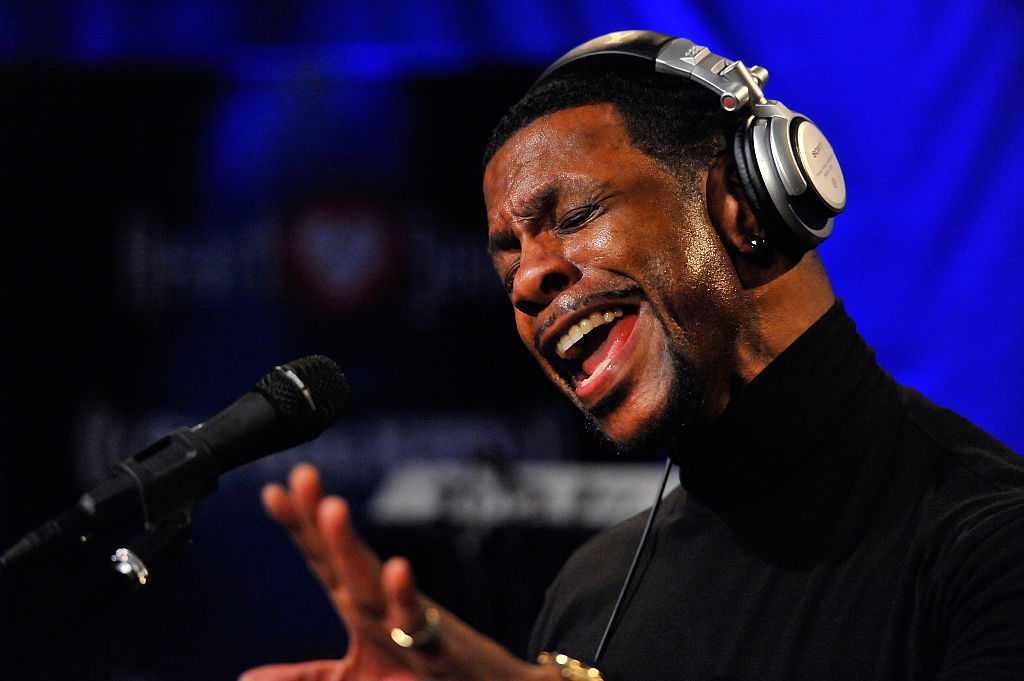
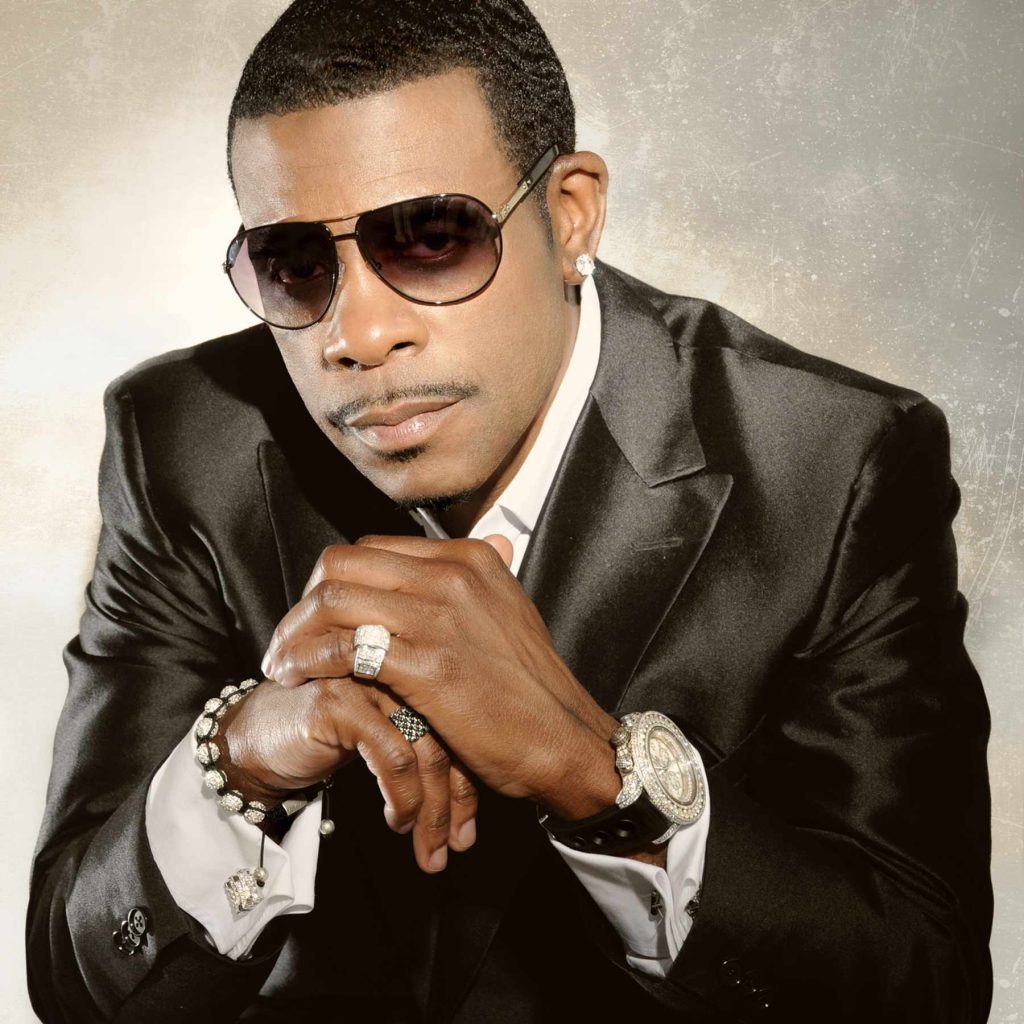
    WASHINGTON, DC – MARCH 11: Keith Sweat performs on Heart & Soul at SiriusXM Studio on March 11, 2016 in Washington, DC. (Photo by Larry French/Getty Images for SiriusXM)

    Some black singers are undeniable, and some fit into a niche of singers. In this case, “Beggars.”

    … it’s the early nineties. Jaleel White, then riding high playing the “Steve Urkel” character on the sitcom Family Matters, is guesting on Arsenio Hall’s talk show. The subject turns to young Jaleel’s music tastes. Luther Vandross’ name comes up in conversation. Jaleel wasn’t a fan.

    “He begs too much!” he said.

    Okay, at the moment in black music when the New Jack Swing sound was hot and gangsta rap was around the corner, kids Urkel’s age didn’t want to know about any old-fashioned, bent-kneed romantics who apologize for things they probably didn’t do.

    However, since the dawning of rhythm & blues, it was tacitly understood that rhythm & blues was the one genre where a person could beg and still retain their dignity when they got off the floor. When most R&B singers go into their pleading bag, they do so with the conviction of a preacher. Some aren’t even tender about it – they dead-ass attack those pleas with all the gusto of a hungry man at a buffet table.

    So, without further ado, here are ten great rhythm & blues artists in the begging business. Some of these folks could make Luther Vandross look like Mr. T.

    Tyrone Davis

    The undisputed Godfather of Begging. Others have come before, and many have come since, but Tyrone Davis had a patent on it, starting with his first hit, 1968’s “Can I Change My Mind.” In that song, Tyrone threatens to leave, but chickens out when his lady doesn’t stop him.

    After that single sold a million copies, Tyrone amped up the begging on subsequent releases. His prime begging moment was during the monologue on “I Had It All The Time,” where he calls his lover direct from Chicago’s O’Hare Airport, apologizing profusely for some mistake he made (“oh baby, yeah – I’m ready to CRAWL”), adding that he’s “had a lot of time to think (and) reminisce” – probably while drunk – “about all he good things about you….”: Coming dead close: “You Wouldn’t Believe,” where his wife walks out on him after accusing him of cheating.

    Never mind that he’s so honest that he shows her his “pay stub so you can see how much I made.” Despite his forthrightness, she still thinks ole TD is tippin’. No wonder Tyrone is always pleading, even though he was probably in the right.

    (2) David Ruffin


    (3) Levi Stubbs

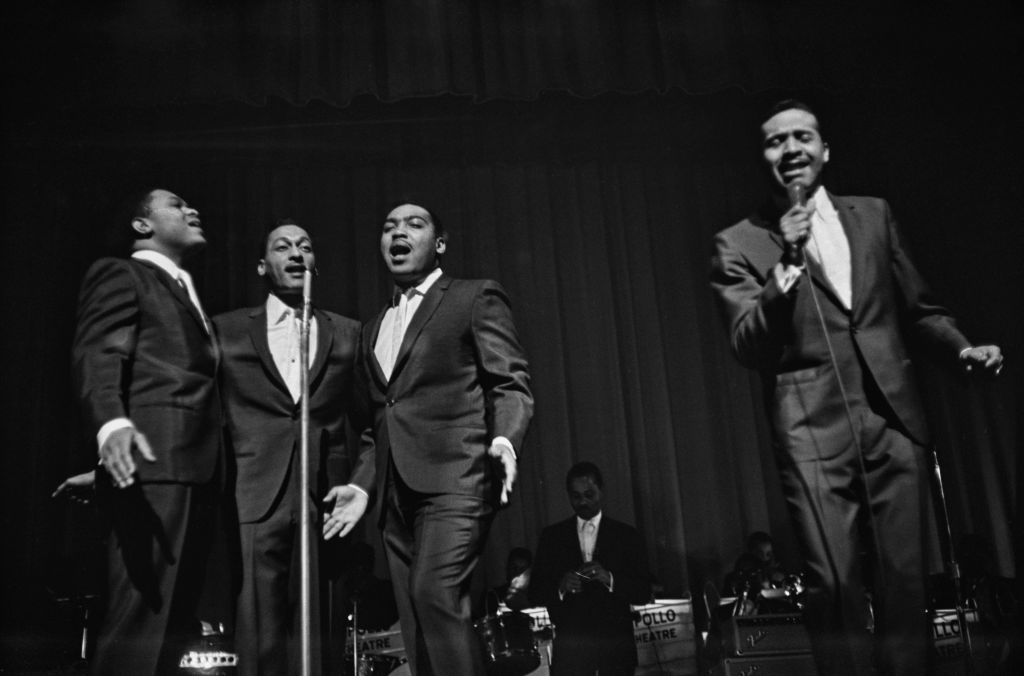
    American soul singers The Four Tops (American singer Lawrence Payton (1938-1997), American singer Abdul ‘Duke’ Fakir, American singer Renaldo ‘Obie’ Benson (1936-2005), American singer Levi Stubbs (1936-2008)) perform live at the Apollo Theater in the Harlem neighbourhood of Manhattan, New York City, New York, circa 1965. (Photo by Don Paulsen/Michael Ochs Archives/Getty Images)

    I call the respective lead singers of the Temptations and the Four Tops “arrogant beggars.” While both men could scuff their knees as well as anyone who wanted it real bad, neither man had the humility of Tyrone Davis.

    Ruffin and Stubbs sounded a little more entitled. Right at the top of the Temptations’“Ain’t Too Proud To Beg,” Ruffin is right in your face: “I KNOW YOU WANNA LEAVE ME, BUT I REFUSE TO LET YOU GO!” He then adds that he will resort to begging if he has to, but his tone is so cocky that it comes off as a threat.

    As for Levi Stubbs, he always had a vulnerable streak, even when he got the girl. Most of the time he’s usually living in mortal fear that she’s about to leave him – “Shake Me, Wake Me,” “Bernadette,” and especially “Standing In The Shadows Of Love,” where he almost invokes hell and damnation during the spoken passages.

    His most defeated moment was “Baby, I Need Your Loving” – for once, his voice was unusually clear, not as gravelly, and you can bet he didn’t want to see his lifeline taken away by the woman he’s singing to.

    (4) Lorraine Ellison

    In pure chart terms, Lorraine Ellison is fairly obscure (two songs in Billboard’s R&B Top 40 listings), but aesthetically, Lorraine recorded a body of work that is just as essential as Etta James or Aretha Franklin, with a strong cult following.

    One of those two hits was 1966’s “Stay With Me,” which doesn’t hit you over the head with its greatness but rather sneaks up on you and smolders before you even know what’s going on.

    The begging on this song was so intense that when Mary J. Blige remade it, she toned down the submissive lyrics. Lorraine was “asking and begging”; Mary J. was TELLING him. Despite this, Ellison’s original is still a powerful force. Out-of-tune trumpets and all.

    (5) Lenny Williams

    Lenny was a former lead singer of Tower Of Power who struck out on a career of his own.

    He recorded “‘Cause I Love You” twice on two different albums. The second version, on the Spark Of Love album, was the one that got the airplay, and again, it was the spoken bit that did it.

    The phone calls went unanswered, the unfamiliar car parked in his lady’s driveway, the records he played all night till he didn’t want to hear them anymore, the television he watched “until television went off” – after all this, the man just snaps. Oh, oh, oh, oh…

    (6) The Manhattans

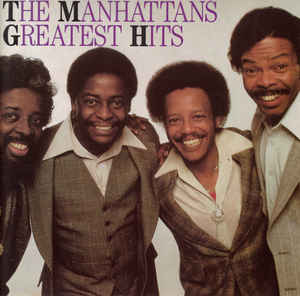
    Blue Lovett was one of the greatest talking bass singers this side of Hoppy Jones from the Ink Spots. Several Manhattans’ numbers feature Lovett’s love-man raps (including the million-selling “Kiss & Say Goodbye”).

    However, she’s leaving him on “Don’t Take Your Love.” In that deep, thundering voice, Lovett turned on the waterworks full steam, even invoking that old cliche “a man ain’t supposed to cry.”

    (7) Andre Williams

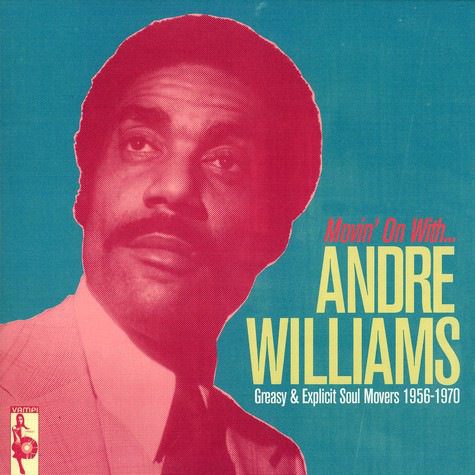
    Andre was a jack-of-all-trades who split his time between Dallas, Chicago and Detroit, involved in the music business as a singer, producer and songwriter (his best-known number was likely “Shake A Tail Feather,” recorded by everybody from the Five Dutones to Ray Charles in the Blues Brothers movie).

    As a singer, he recorded a ton of off-the-wall numbers, including “Bacon Fat,” “Rib Tips,” “Pearl Time,” “Cadillac Jack” and “The Greasy Chicken.”

    However, he was not adverse to throwing his pride out the window if it would either get him laid or keep him out of jail.

    Thus, “Let Me Put It In” was a frenzied appeal for, ah, a woman’s…attention (I’m being polite). In “Jail Bait,” he’s pleading to the judge not to send him to the Big House (I guess he didn’t think twice about asking the girl’s age).

    (8) James Brown

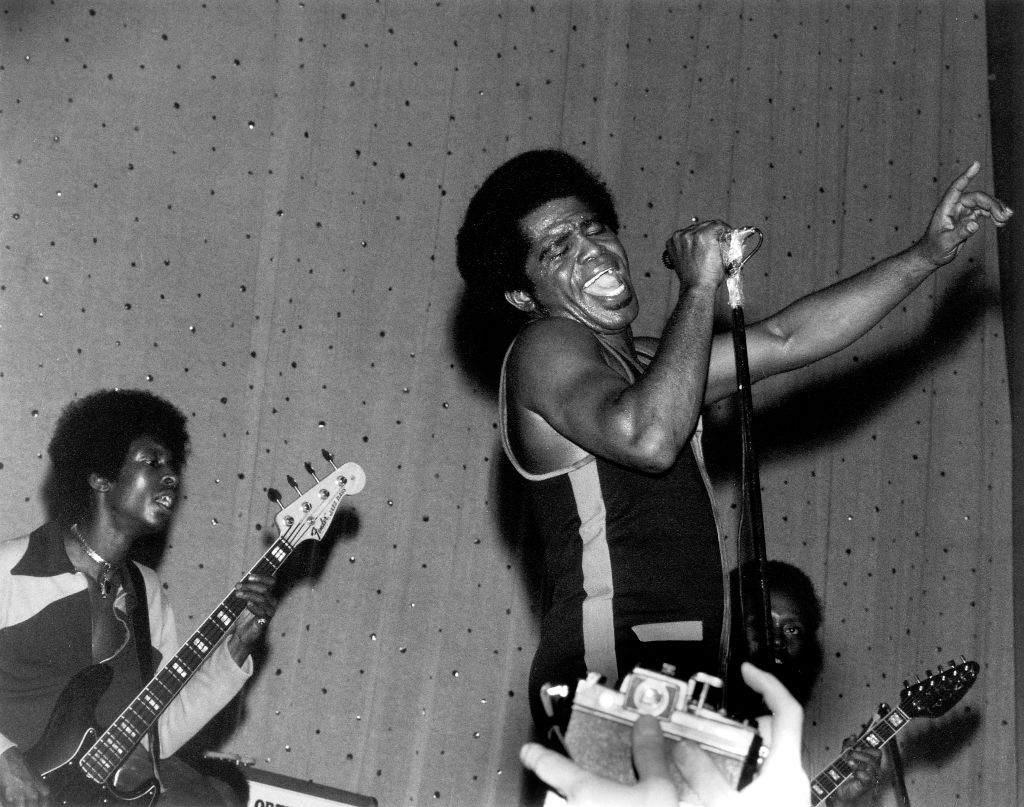
    American soul singer and songwriter James Brown (1933-2006) performs live on stage with the J.B.’s, including bass guitarist Bootsy Collins on left and guitarist Catfish Collins (1943-2010) behind on right, in East Ham, London in March 1971. (Photo by David Redfern/Redferns)

    What’s the Godfather Of Soul doing on a list like this? Well, in the fifties and early sixties, before he became the Minister Of New New Super Heavy Funk, he recorded a surprising amount of love ballads.

    Even though the studio versions of “Please Please Please,” “Lost Someone,” and “Prisoner Of Love” will give you a good example of his vulnerability, you need to hear the live versions on the first two “Live At The Apollo” albums to really hear JB moaning about his romantic woes.

    Especially on Live At The Apollo, Vol. 2, where he starts wailing off the mic in the middle of “Prisoner Of Love.” Whatever he was up to, I’m sure the Apollo audience loved it. The listener at home might not know what’s happening, but it doesn’t take long to figure it out.

    (9) Jerry Washington

    Again, it’s all about the monologue, which in this case threatens to be an entire soap opera. At the beginning of his 1972 southern-soul classic, “Right Here Is Where You Belong,” we hear Jerry asking some stranger where “Kim” lives.

    Remarkably, the stranger obliges, giving him the exact apartment number. Jerry knocks on the door, knowing he’s in hot water with this lady. She angrily responds: “what do you want!” And then Jerry starts working his show: “wait, wait one minute, please…don’t close the door…I was just released from the hospital…the doctor told me that the medicine can’t do no good…he told me what I have is more serious than cancer…a very, very bad case of the blues….”

    The rap is over, and then a vocal group starts sweetly harmonizing on the title. I sure hope Jerry (“it’s me, baby”) and Kim are reunited.

    (10) Keith Sweat

    Around the time of the Jaleel White/Arsenio Hall conversation related at the top of the article, New Jack Swing was the preeminent musical style of the day, fusing mainstream R&B with a hip-hop sensibility.

    Along with Al B. Sure!, Guy, and others, Keith Sweat was one of the more popular acts in that idiom. Despite Jaleel’s protests, Keith was keeping the begging spirit alive.

    What’s even better, he knows it and owns it. Most modern-day interviews with Sweat reveal that he is fully conscious of the great “begging” tradition in soul music. He is perfectly happy to be part of that lineage, even predicting that it will make a comeback…someday. With a fairly solid string of hits from 1987 onward, he’s doing his damndest to keep it going.

  • 10 Great Artists in the Jazz Music Genre

    Jazz music is a genre that was invented by the black American community in the 1920s during the famous period called the roaring 20s. It is known for its intricate harmonious variations and its expressiveness.

    In this article, we explore those who made jazz popular and what makes a song a jazz song. We also delve into the history of jazz music.

    Miles Davis

    jazz music
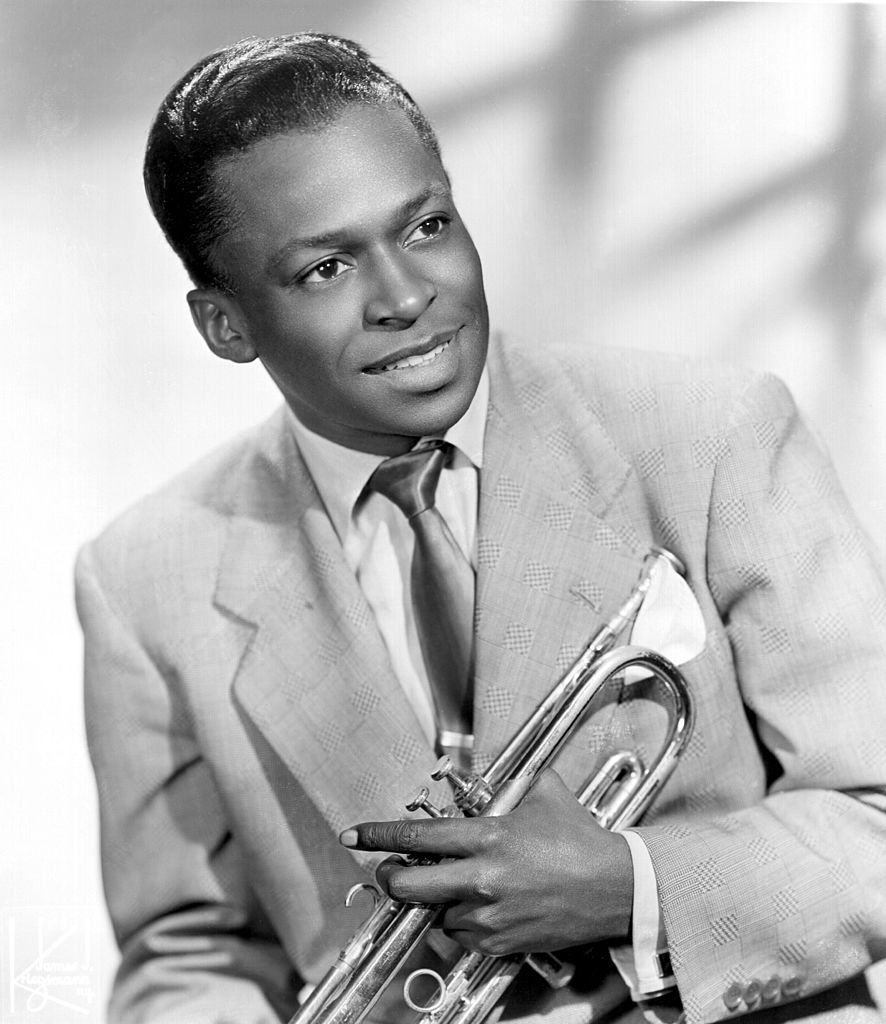
    NEW YORK – 1948: Jazz trumpeter Miles Davis poses for a portrait early in his career holding his horn in 1948 in New York City, New York. (Photo by Michael Ochs Archives/Getty Images)

    Miles started playing the trumpet as young as 13 years.

    He won all the honor and glory that a jazz artist can achieve. This included six Grammys and won best-selling albums. Ten of his releases, some of the records were inducted into the Hall of Fame.

    He changed his performing genre in 1944 to a new jazz sound, called be-bop, when he moved to New York. His contemporaries included artists like bandleader Billie Eckstein, and Charlie Parker, the alto sax giant. During his musical career, his two most significant and best-selling albums were: Miles Ahead, Bess, sketches of pain, and Porgy. He passed away at the age of 65 from a lot of health issues.

    Sarah Vaughan

    Sarah Vaughan and Ella Fitzgerald held the top two of the best jazz vocalist in their century.

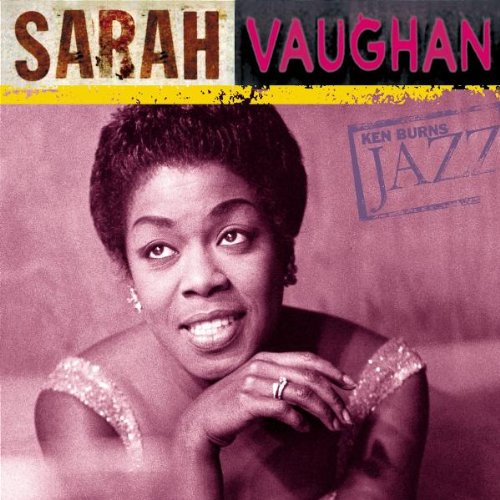
    She was nicknamed “Sassy” Sarah won countless awards including four Grammys. She produced very many outstanding recordings. After got recognition after she received her first award in the historic talent contest at Harlem’s Apollo theatre. Michel Legrand, from France, did a recording with Vaughan. He commented and remarked as “she sings from the stars.”

    Duke Ellington

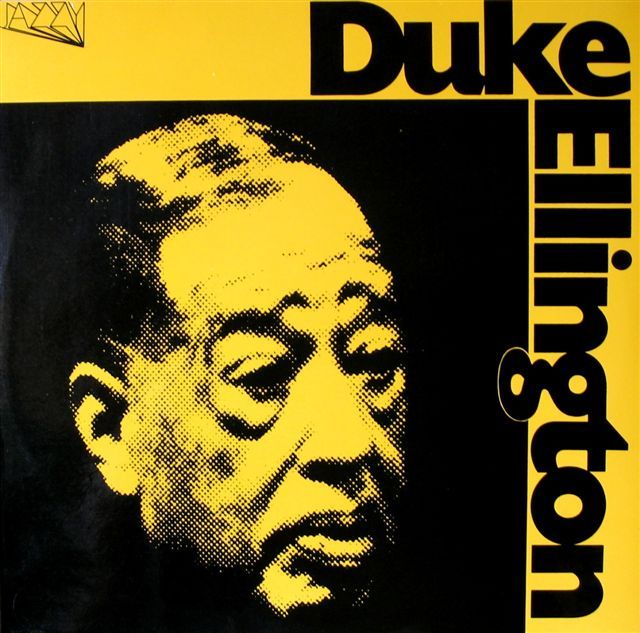
    Duke Ellington is described as the most famous, charming, respected, talented, and elegant in the jazz industry.

    He created jazz music for every kind of show, and business, which included both theatre and film. He kept his band alive so that he could hear how his imaginary musical notes on paper sounded in real-time. His listeners are always so appreciative of this.

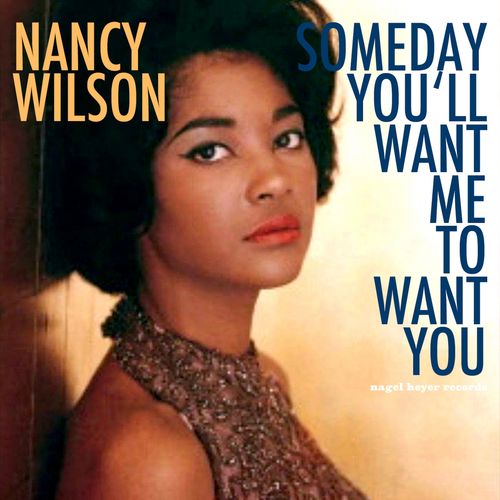
    Nancy Wilson

    Nancy Wilson did most of her performance on the road.

    She arrived in New York in 1960 and signed with Capitol records. She first recorded and released jazz music hits with two of the Label’s stars George Shearing and Cannonball Adderley. Her career went from 1960 to 1971 when she had her TV show, and performed in jazz festivals, and clubs. She won many awards including, multiple Grammys and Martin Luther King Jr. Center for Nonviolent Social Change. She recorded and performed till 2011 before she retired. She passed on later in 2018.

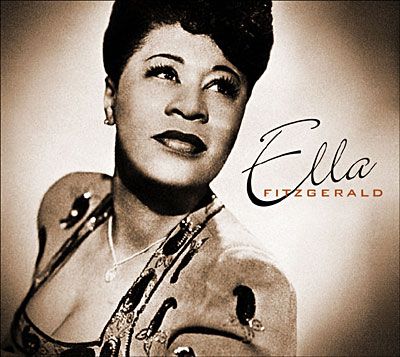
    Ella Fitzgerald

    Ella Fitzgerald sang swing better than any other artist.

    She had power in her diversity. She started as a swing writer, went to be-bop, sang scat perfectly, and was an extraordinary jazz artist. Ella expressed no fear of modern material. With her beautiful voice, she went from blues to carols, to bossa nova, and calypsos. She sang with all her heart and her voice did not let her down. Ella was gifted with a range of three octaves, enunciation, and beautiful diction. Fitzgerald was as good as it gets.

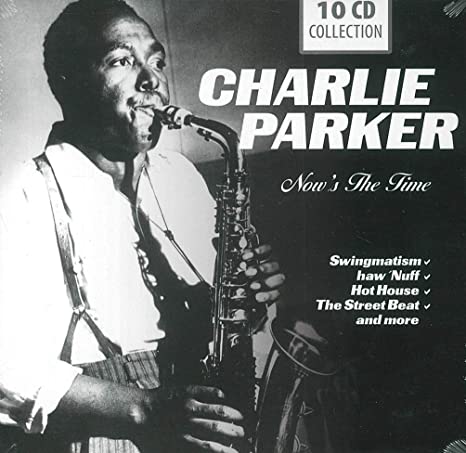
    Charlie Parker

    The Kansas City, Missourian, “the inventor of Jazz music” Charlie Parker started his Jazz musical career in 1930.

    He was an alto saxophonist before he found himself inspired by the swing era of people like Ellington. Parker has received many forms of tribute; documentaries, stage productions, and biographies. The most regarded attribute of all times is Clint Eastwood’s Bird, the big screen docudrama.  Clint Eastwood’s Bird is among the few classic movies about Jazz.

    He, however, passed when he was 34. The whole world of Jazz keeps wondering how he would have developed the Jazz industry and the gems he would have produced and recorded. It was a sad time for his fans when they learned he had passed away at such a tender age and right when his career had started blooming.

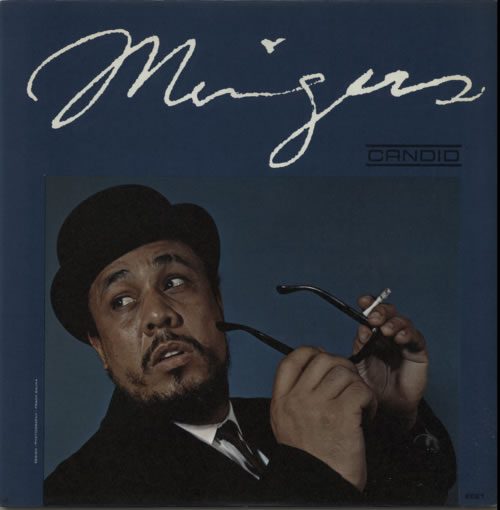
    Charles Mingus

    Charles Mingus was a well-known jazz musician from the 40s who was never found in one place.

    He would be found starring the crowds in major Japan concerts. Interestingly enough, he recorded a whole album while performing in one of the Japanese concert halls. In the ’40s his main sound was more like the swing stars of that period, the likes of Benny Goodman. Later in his career, Charles became more open and versatile and would perform with artists from other eras. He performed and recorded with the likes of vibist Norvo Red and Guitarist Tal Farlow.

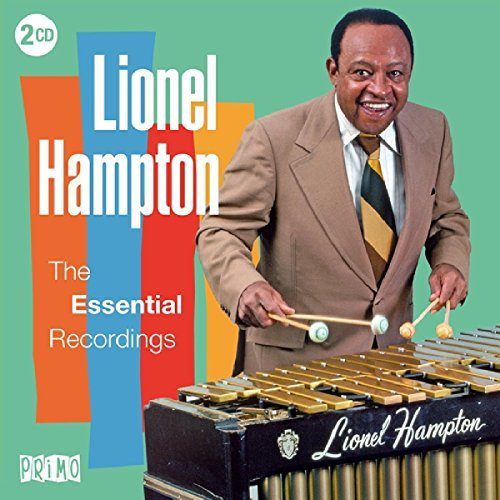
    Lionel Hampton

    Lionel Hampton’s career ran for seven significant decades.

    He was a Jazz artist, vibes player, and bandleader. Lionel is greatly remembered for helping Goodman Benny tear down the rivalry between white and black musicians in “live” performances in 1936. One of his greatest developments was seeing Benny make it possible for Jackie Robinson to get into Major League baseball. He received numerous awards including the National Medal of Arts and some Honorary Doctorates.

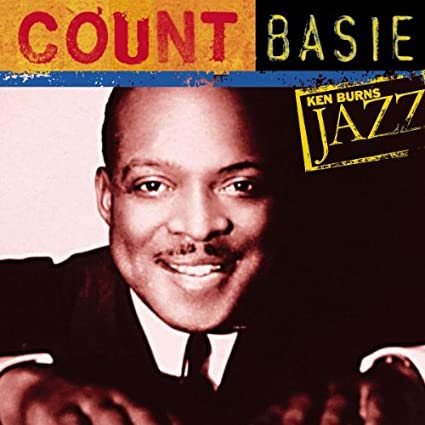
    Count Basie

    Basie started as a backup player pianist on the historic Black Vaudeville Circuit.

    The show business eventually landed him in Kansas City, Missouri in 1935. He founded his band which carried him through half a century. Basie was called “the Kid From Red Bank.”

    Count went by this name because of where he was from, Jersey. His instrumentalist gained professional experience working with him. Basie was most popular with Jewish comedians, well known as Jerry Lewis and Mel Brooks.

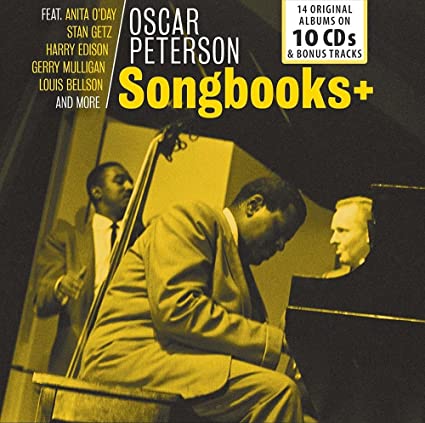
    Oscar Peterson

    Oscar Peterson was the founder of the Jazz school, The Advanced School of Contemporary Music in 1960.

    He was a spectacular music writer, he wrote for different Canadian films such as the Big North and The Silent Partner, for which he won 8 Grammys. His record legacy takes weeks to listen to when played continuously and I bet you will find exemplary and brilliant music. He died in December 2007. He never stopped performing.

    This list consists of the most brilliant black artists in the Jazz industry. They are the ones who invented and did not let the beautiful genre die.

  • 10 Reasons P Valley is Such a Great Show

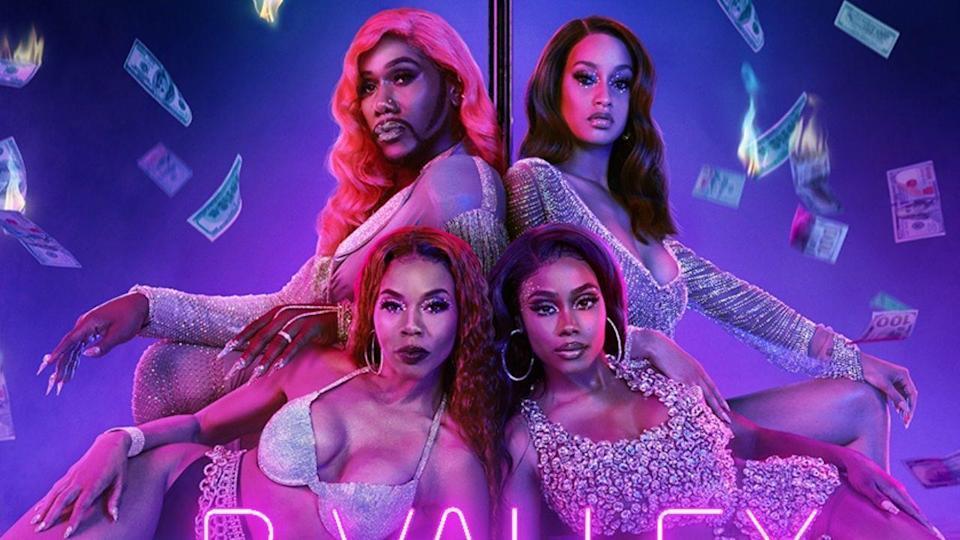
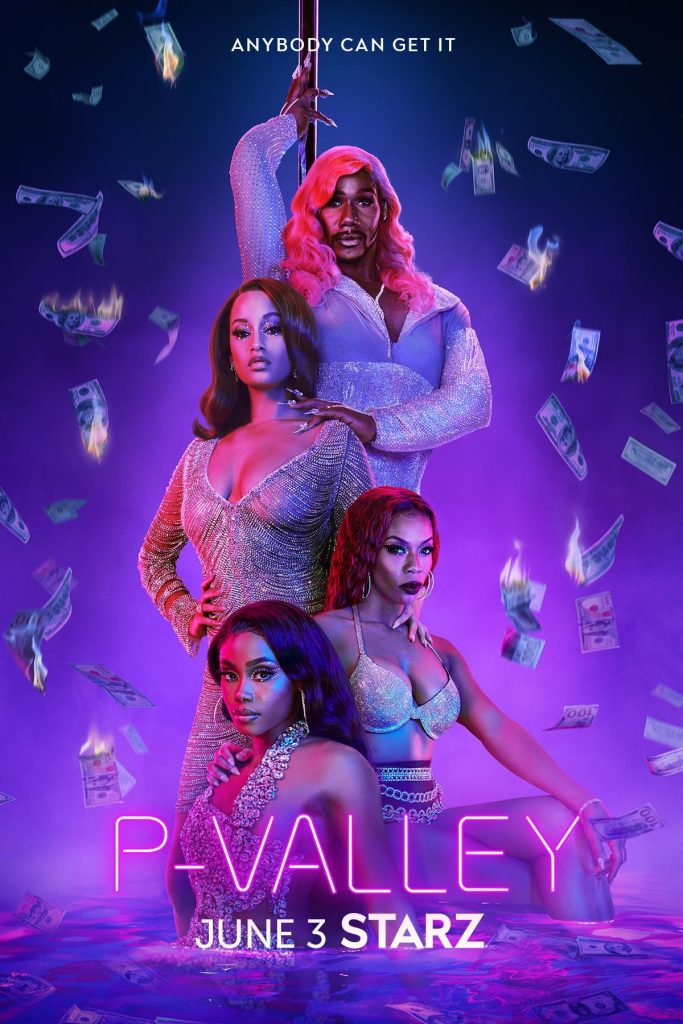
    P Valley Season 2 The new season dives Deeper into the abyss and darkness of the stripper world and for some, it’s too much to handle but for others, it’s a must-watch. Either way, it’s a hit show for the Starz network and it targets several marginalized communities.

    The 4th episode of the second season is the most risque and takes a deeper look into the personal lives of the P Valley cast and delves into everything that is attached to the stripper world, nightclubs, and more

    P Valley is based on the imaginary town of Chucalissa, Mississippi.

    When it comes to season 2 It seems nothing under the sun is missed in this particular episode but watching the entire first season and the second is required to understand the entire show. Filmed in Atlanta, the cast is on a short hiatus as of this writing and is in the process of working on season 3.

    Cast members

    Nicco Annan, Brandee Evans, Elarica Johnson and Shannon Thornton.

    Additional cast members

    include J. Alphonse Nicholson, Parker Sawyers, Harriett D. Foy, Dan J. Johnson, Morocco Omari, Dominic DeVore, Tyler Leply, Jordan M. Cox, and Skyler Joy. The show is based on Pulitzer Prize-winning Katori Hall’s play Pussy Valley. New cast members include John Clarence Stewart, Shamika Cotton, Gail Bean, Psalms Salazar, and introducing newcomer Miracle Watts.

    P Valley

    Here are 10 reasons P Valley is such a great show

    Brutally honest

    The show is brutally honest to the point that to some, it might even be offensive. To others, it’s a must-watch. It’s intriguing and interesting at leaves no holds barred

    Incorporates all facets of life

    This is pretty much self-explanatory everything from Uncle Cliff (played by Nicco Annan) to Mercedes (played by Brandi Evans) having to supplement her income as an older stripper by being an escort to a coach and his wife.

    Compelling stories

    It’s a dark show that is suspenseful as well as a drama simultaneously that reels you in to see what’s gonna happen next. The catch is you never know. You’re lured in from the first couple of episodes and then for the rest of the season. Excellent writing and the show should last at least seven or eight seasons.

    Black entrepreneurship

    Another great thing about the show is the club that has been owned by generations of black owners. It’s a landmark in the fictional town of Chucalissa that is going through trials and tribulations within the political community with the mayor trying to take over the space to build a casino.

    Relatable characters

    Everything from strippers to transgender characters to politicians, religious leaders, and more showing all sides of themselves. The most controversial character you would think would be Uncle Clifford but actually, it’s Murda (a character played by J. Alphonse Nicholson) who is a burgeoning hip-hop artist who operates on the DL in order to have a career in the industry.

    Everything is OK from the strippers to lesbian scenes even the flamboyant Uncle Clifford but the sex scenes between Murda and a new character Big Teak (played by John Clarence Stewart) set the internet ablaze with homophobic attacks.

    Producer and writer Patrick Ian Polk responded to the backlash to people like Lil Duval by saying “The reality is: a lot of these “straight” men are triggered by these gay love scenes. Watching them brings up questions they have about their own sexuality. That ain’t got nothing to do with us or #PValley. Do the work; look inward!” and he’s absolutely right.

    Extremes

    Unlike any other TV show you see a lot of extremes. You’ll see what I mean when you look at the fourth episode from the second season.

    Hypocrisy of religion

    Usually, we are only shown one side of religion on TV and it is a side that is all about the Bible and God … it is rare that we see preachers cursing people out and having a totally different other side but on the show we get a great example of this.

    BLACK Straight and LGBTQ plus relationships

    We are bombarded in the media with interracial couples rarely seeing black couples straight or gay and in P Valley not only are the LGBTQ plus relationships black but so are the heterosexual relationships (excusing one that is interracial and abusive) … it is good to see black love and that it too … can exist.

    Creativity

    In the first two episodes of the second season, the club is closed because of Covid it’s very interesting to see how they create a stripper car wash to make money for the club. Who would’ve ever thought of this idea?

    Hypocrisy of politics

    We all know their politics can be very dirty and this show is no exception. It shows an honest black man Andre Watkins (played by Parker Sawyers) running for mayor of the city who had an affair on his wife and then when he caught her having an affair on him later on, he was ready to leave. He’s not even from the town but he’s running for mayor and it will be very interesting to see how this plays out.

    P Valley Trailer (below)

  • Best Songs From The 90s

    Best Songs From The 90s

    The 90s gave us Tupac, Wu-Tang Clan, and a record number of other rappers and singers. However, with such a variety of great artists, it’s difficult to name which ones were the best and brightest. Nevertheless, we have scoured the web and found the diamonds among the gems of best 90’s songs, based on listener count, acclaim and awards, and how well it has aged into the 21st century:

    “The World Is Yours” By Nas (1994) – Best Songs From The 90s

    Probably one of the best rap songs of all time, Nas’ hit from his most-listened-to album, Illmatic (originally titled Stillmatic and The Lost Tapes), presents us with a story that many of us can identify with about overcoming poverty, racism, and violence. And we can’t even talk about the tragic irony of this song, which spins the idea of the world being our oyster into something sadder and grimmer when he renames the big apple with the moniker of “the rotten apple.”

    “No Scrubs” By TLC (1999) – Best Songs From The 90s

    Now let’s talk about “No Scrubs,” because this song puts into words every thought every wronged woman has experienced about dating a lazy, desperate man. It’s also a song that empowers women to say no to these men who are constantly, “Hanging out the passenger side of his best friend’s ride/Trying to holler at .” There’s so much more to say about this 90’s hit, but let’s leave it with this: the spunky lyrics definitely a 9/10, the fact that it still sits as no.1 in Billboard’s Chart History a solid 10/10, and their MJ and Janet Jackson-esque “Scream” look from their music video a close 8/10, thus making this song one we’ll never forget.

    “Killing Me Softly With His Song” By Fugees (1996) – Best Songs From The 90s

    Based on Roberta Flack and Lori Lieberman’s 1973 song of the same name, “Killing Me Softly With His Song” brought us to our knees and drove grown men to weep over its words of grief. While the lyrics were not written by the Fugees, Lauryn Hill sings it as if the words and the pain in it were her own. 

    When the song first came out, in the summer of 1996, over 3 million people bought it, and all they could do was listen to it to drown out the summer heat and exorcise the pain of lovers that “kill them softly.”

    “No Diggity” By Blackstreet ft. Dr. Dre and Queen Pen (1996) – Best Songs From The 90s

    You know that song Anna Kendrick started rapping (and surprisingly killing) in Pitch Perfect, well apparently it was by Blackstreet and once you listen to the original, you’ll understand why it’s on this list. Talking about a girl he has feelings for, Blackstreet comes complimenting this girl, saying, “no means average/She’s on when she’s got to have it/ Baby, you’re a perfect ten” and has all of us wanting a man to go gangsta and gives us his game.

    “C.R.E.A.M.” By Wu-Tang Clan (1993) – Best Songs From The 90s

    For all you anti-capitalist aficionados, you’ll find yourself in good company with “C.R.E.A.M” (Cash Rules The World Around Me); the song reveals the hopeless reality of capitalism, which traps many into a life of either crime or poverty.

    Of the videos that the Wu-Tang Clan have uploaded to their YouTube channel, “C.R.E.A.M.” is by far the most loved, with over 90 million views.  And their popularity is also matched by the fact the song was their highest-charting single hitting No. 60 in 1994.

    “Say My Name” By Destiny’s Child (1999) – Best Songs From The 90s

    Another song that’s made its round into Hollywood films, namely last year’s iteration of The Candyman, is Destiny Child’s “Say My Name.” This song is an anthem for all strong Queens who just want Kings to see their worth, and it’s also a song for those who just long for the times of black girl groups and their color coordinating styles.

    Plus, we cannot forget to thank Queen B. for giving us her Gold Pick and Drop braids, cause this inspired countless looks throughout the years.

    “The Boy Is Mine” by Brandy and Monica (1998) – Best Songs From The 90s

    Brandi has treated us with her color-blind casting of Cinderella (i.e. the only Cinderella that exists to me) and some of the best songs, including I Wanna Be Down and Baby, but nothing compares to “The Boy Is Mine”. It has everything we need in a song: drama, a perfect hook, and beautifully blended vocals.

    And while it’s not played as much today, it had a chart-topping run, during its prime with it spending 13 weeks at no.1 in the US, which made it the all-time no.1 female duet in US chart history.

    “Hit Em Up By 2Pac ft. Outlawz (1996) – Best Songs From The 90s

    Ok, anybody that knows me knows that I’m a hardcore pacifist and not interested in hearing the “n” word being shouted in my ears, but when I first heard 2Pac belting about cutting young ‘n-word’ ass up and “leaving in pieces,” I had to bob my head along, cause his tracks were that good. This song and all of his others have lived with us, since his tragic death in 1996.

    And if you’re really feeling nostalgic for his sound, you may get a chance to see him (or at least his hologram) at the next Coachella.

    “Otherside of The Game” By Erykah Badu (1997) – Best Songs From The 90s

    “Otherside of The Game” comes to us as a beloved house single. If you’re feeling tired or dragged down by life, you’ll find a kindred soul in Erykah Badu. From talking about her questionable job to questioning whether or not she wants her baby, Badu exposes us to the reality of what life can be, but also makes all of us, with our repressed pain and sad circumstances, feel seen and heard.

    “SpottieOttieDopaliscious” By Outkast (1998) – Best Songs From The 90s

    While Outkast has since broken up, we still have this beloved single, which seems to hit us like the highest high we’ve ever felt. Not too fast and not too slow, this song is just right, and is spoken like poetry, “Taste of nightlife, me? Well, I’ve never been there, well perhaps once
    But I was so engulfed in the “E”/I never made it to the door you speak of hard core/While the DJ sweating out all the problems and troubles of the day.”

    And unlike the words in this song, listeners won’t be wasting their time with the humdrum of nightlife when they have this diamond in the rough.

    The best songs from the 90s is a list comprising songs of our childhoods and adolescence, and, if you’re anything like me, these songs will stay with you for the rest of your life.