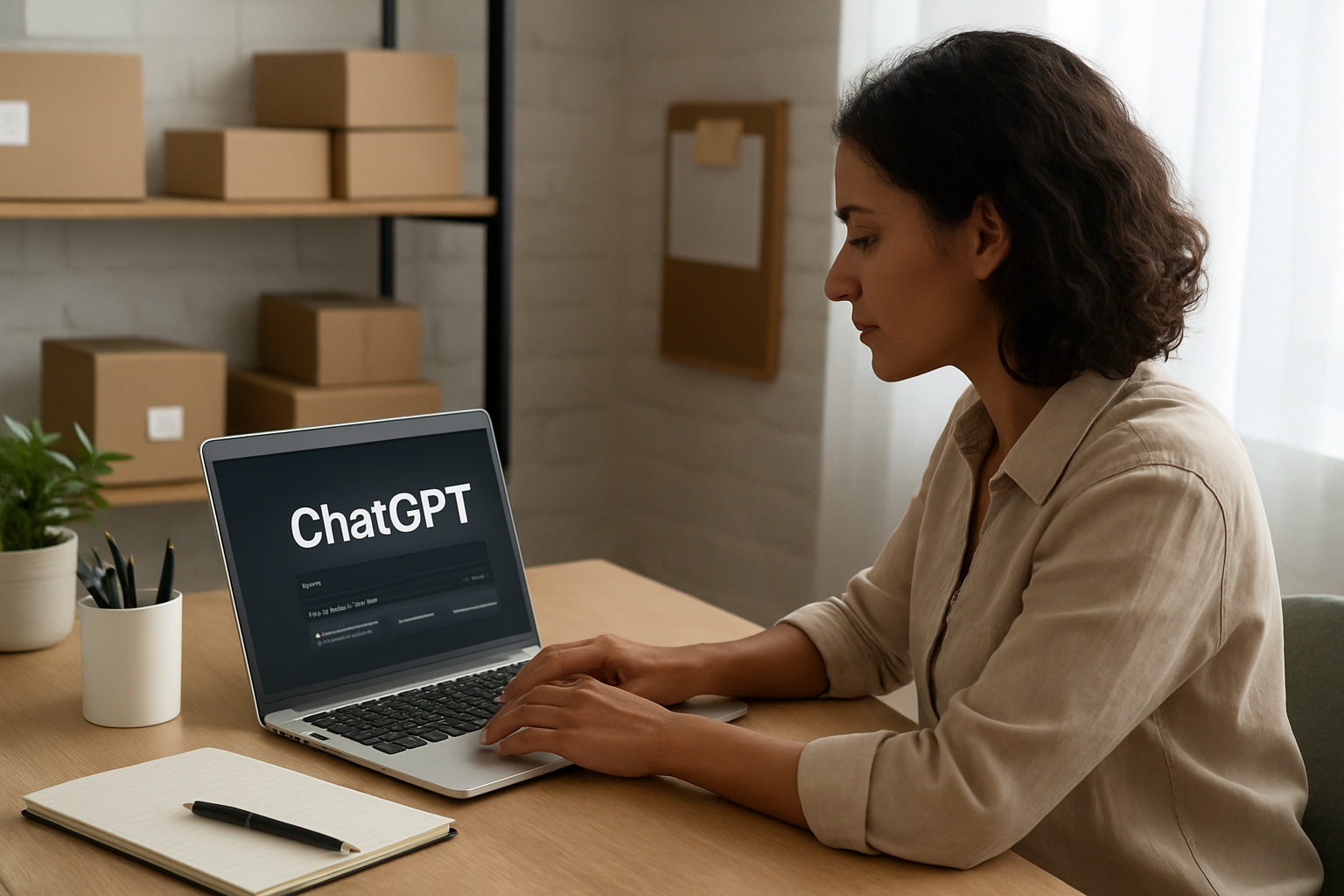
The new program bundles training, guides and partner tools that could help owners automate admin, marketing and support without adding headcount.
Why this matters for small businesses
OpenAI’s new ChatGPT small-business program is aimed at a very practical problem: owners and lean teams often know AI could save time, but they do not have the bandwidth to test tools, build workflows, and train staff from scratch. According to OpenAI, the program is designed to help small businesses become more productive, scale with ChatGPT, and use workflows and automations they can apply immediately.
That makes the announcement more than a product update. For solo operators, consultants, freelancers, and service businesses, the value is in reducing unpaid admin time and speeding up work that usually gets pushed to nights and weekends: drafting marketing copy, organizing customer messages, summarizing notes, and turning scattered tasks into repeatable processes.
What OpenAI says is included
OpenAI says the program includes hands-on virtual training, in-person small-business AI academies across the U.S., new starter guides, customer stories, and curated partner tools and promotions. The partner list named by OpenAI includes Dropbox, Shopify, Intuit, Slack, Atlassian, and Wix.
OpenAI also says ChatGPT Work and GPT-5.6 are available to small businesses now. For BizTipper readers, the practical takeaway is not the model name itself but the distribution channel around it: webinars, local academies, guides, and partner integrations lower the friction of adoption. That matters because many small businesses do not need a full AI strategy deck; they need a simple path to one or two useful automations that save time this week.
Where the business payoff could show up
OpenAI cites results from its Small Business AI Jams: 78% of participants built a functional AI workflow in a single day, and 42% saved more than five hours per week. Those figures come from OpenAI, so they should be treated as company-reported results, not an independent benchmark. Still, they point to the kinds of use cases that are most likely to matter for small firms: replacing repetitive admin work, speeding up customer response handling, and generating marketing or product ideas faster than a person can do manually.
The research brief also points to concrete examples of how owners might use the program: turning voice notes into Slack messages, improving customer review handling, and generating new product or marketing ideas without hiring. Those are useful because they map directly to cost control and revenue growth. Saving five hours a week can mean fewer outsourced admin tasks, faster follow-up on leads, or more time spent on sales and client work.
How to evaluate it without getting distracted
The smartest way for a small business to approach this program is to treat it as an adoption funnel, not a brand campaign. The useful question is whether the webinars, guides, and partner offers help you implement one workflow that removes a bottleneck. For example, a retailer might look at Shopify-related workflows, a bookkeeping-heavy business might look at Intuit, and a team juggling internal communication might look at Slack or Atlassian integrations.
OpenAI’s small-business push is most relevant to owners who have delayed AI because setup felt too technical or too time-consuming. If the program makes it easier to move from curiosity to a working workflow in a day, that could translate into real savings in labor, faster customer response times, and more capacity to sell without hiring immediately.