Blog

  • 10 R&B Hits That Could Tie for the #1 Love Song

    R&B Love songs have enchanted and enriched the ears and imaginations of music lovers the world over like no other genre.
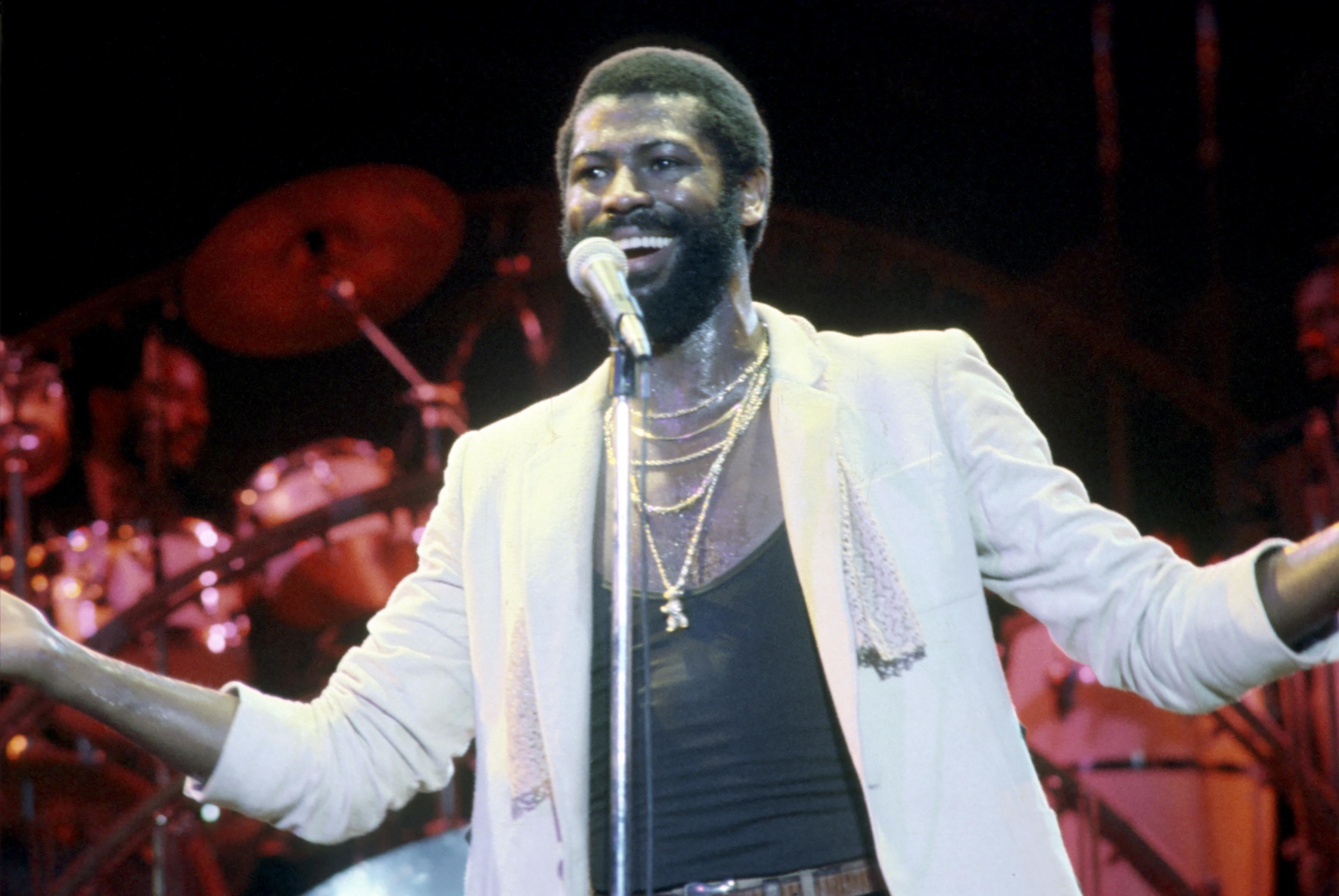
    UNSPECIFIED – SEPTEMBER 04: Photo of Teddy Pendergrass. (Photo by Michael Ochs Archives/Getty Images)

    Some might credit this to the impassioned manner in which they were sung or the soul-stirring rhythms that recall the very beat of a bountifully fulfilled heart.

    However, the essence of a love song is its lyric, conveying a message more effectively sung with memorable melody than spoken with earnest intent. Words & Music coupled with a soulful expression that transcends the abilities of the everyday man or woman are priceless treasures when one seeks to acquire life’s ultimate prize: a soulmate forever true, loving, and enticing. 

    One of the finest songs ever written about the mythical jackpot of perfect love is Kenneth Gamble & Leon Huff’s jaunty and bright Philly Soul gem for Teddy Pendergrass entitled, “When Somebody Loves You Back.” Breaking the concept down to mathematical fractions, Teddy emphatically instructs, “Not 70/30, not 60/40 / Talkin’ `bout a 50/50 Love!”

    If you live long enough, you understand that there will be times when both partners are required to give more than the other due to several sundry circumstances. But when all is said and done in a relationship that hopefully lasts across many decades – when all the calculations are in – the see-saw of love balances out in a space of mutual adoration and respect.

    One absolutely beautiful word for what true love should feel like was turned into a song by Chuck Jackson & Marvin Yancy as deliciously sung by Yancy’s wife at the time, Ms. Natalie Cole.

    That word is “Inseparable”: meaning never ever to be separated by anyone or anything. This is dream state soulmate territory…never wishing to be apart from the one you love, which, again, in reality, is truly extreme. In Khalil Gibran’s timeless text “The Prophet,” wisdom is dispatched in the suggestion, “Let there be spaces in your togetherness,” as a key to long-term relationships.

    But in dream states – especially during long-term loneliness – one aches for someone to love them so much they never want to be away from them.

    Additionally, of an extreme nature is when one feels that love is so destined, that nothing can stop it from happening! Thus the angle of Nickolas Ashford & Valerie Simpson’s epic “Ain’t No Mountain High Enough,” first made a classic by the soul-pop love duo of all-time Marvin Gaye & Tammi Terrell, later catapulted into orbit by Diana Ross. “No wind, no rain, nor winter’s cold / Can stop me, baby, if you are my goal.” This is romance 101…bordering on stalking!

    On a purer level is the heartwarming “I’ll Be There,” which had a pint-sized Michael Jackson and his brother Jermaine (within The Jackson 5) crooning about pacts and salvations of which surely none of them understood at such young ages.

    Still, Motown Records’ secret songwriting quartet The Corporation (Berry Gordy, Freddie Perren, Fonce Mizel and Deke Richards) tapped into the everlasting aspect of true love like no other with this song, including the ultimate sacrifice; “If you should ever find someone new / I know he better be good to you / `Cuz if he doesn’t…I’ll be there.”

    When two people find someone they hopefully feel fits the bills of the above four songs, they arrive at the mountaintop of “At Last,” the most adopted wedding anthem of all time. The song was written by Harry Warren (Italian-American Salvatore Antonio Guarana) and Mack Gordon (American Morris Gittler) for the 1941 musical film “Sun Valley Serenade” and originally recorded several times by trombonist/conductor Glenn Miller’s Orchestra.

    Nearly two decades later, Etta James (African American R&B singer Jamesetta Hawkins) unwittingly made the song her own via an impassioned exclamation to the heavens that any long-waiting love-starved dreamer truly understands – heavily imitated yet never duplicated. 

    Jumping the broom into Holy Matrimony, the table for the consummation of love has never been as poetically or prayerfully set as by Stevie Wonder who likened true destined love as being represented by a knot-tied in serene celestial eternity with his masterful rhapsody, “Ribbon in the Sky.”

    The song was one of only four then-new ones included on a two-album set otherwise consisting of past milestones assembled under the colorful (and bold) title, Original Musiquarium, Volume 1

    Once lovers come together as one, the challenge is to keep it together. Though life and the world will hurl them many hurdles to leap and obstacles to avoid, the honest to God best way to survive is to keep love simple. “Whatever you want to do is all right with me….” And, of course, this goes for both parties.

    Thus is the plea of the Secular Reverend Al Green’s “Let’s Stay Together,” which he co-penned with Memphis Soul music producer extraordinaire Willie Mitchell and master drummer Al Jackson, Jr. (the reason why the gently driving pulse of this song so perfectly syncs to the success of the long-distance jog of love). 

    Once a couple has been around long enough to be pleased to be called ‘the folks who live on the hill,’ they can also surely sing a wistful duet of “(You’re the) Best Thing That Ever Happened to Me” a la Gladys Knight & The Pips, written by soft-spoken country tunesmith Jim Weatherley, the soul group’s first-call go-to secret weaver of love magic.

    All of that said, there are times when love weighs so profoundly that it’s difficult to articulate even in song. Ernie Isley, best known as the searing blues-rock guitarist of The Isley Brothers, best captured that sentiment by putting pen to paper to write the elliptically poetic “(At Your Best) You Are Love” – originally sung by Ronald Isley but also sensitively interpreted for another generation by “baby girl” Aaliyah.

    Finally, when no words can express the glow and the glory of love, there is the universal instrumental gift of music. And no instrumental struck a chord about what it feels like to be in love than the note that the swirling ascending strings of the Love Unlimited Orchestra climaxed on – over and over – on the international smash “Love’s Theme,” master stroke of the love man of love men, Barry White. 

    May all within the sight or sound of my words above experience every emotion encompassed within these hallmark songs of Soulful Love.


  • Minority Business Owner Success Tips

    In the past, minority business owners were women and people of color. Today, minority-owned small businesses have increased in number. 

    Research shows that more black women than white men are starting businesses, and minority business has accounted for more than half the 2 million U.S. ventures created in the last decade.

    Minority-owned businesses are beginning to represent a significant portion of the American economic system. There are several ways for women and people of color to take advantage of this momentum and grow their businesses. A strong toolkit can be used to strategically manage and finance their business, which will help minority business owners succeed and thrive.

    Hone in on the growth mindset 

    When starting their own small business, minority owners typically have to overcome many more obstacles. This is evident more than ever during the Covid-19 global healthcare crisis. The Covid-19 crisis impacted in a way that was disproportionately affecting minority business owners.

    Even though it has been hard, many entrepreneurs and women of color have found their strength and growth mindsets. Minority business owners will be able to thrive if they keep their determination and grit intact as the economy stabilizes.

    What is the growth mindset Entrepreneurs with a growth mindset see themselves as able to develop their talents and learn from others. They are more successful as growth-minded entrepreneurs. They are strong leaders who have a knack for making people happy.

    Even though minority business owners may face setbacks or difficulties, it is possible to focus on resilience and tap into a growth mindset to help them succeed.

    Learn from your community

    Although networking is important for all business owners, it can also be particularly beneficial for minority business owners. Businesses that have experienced similar difficulties or roadblocks to their own can share their experiences and help each other overcome them. These communities are now stronger and more visible than ever.

    To begin, minority business owners may contact their local governments to learn more about the resources available. You may find it beneficial to reach out directly to minority business owners from their local communities who share your identity. Even though it can feel nerve-wracking at times to take initiative, building one-on-one relationships with minority business owners in your locality can provide valuable experiences that may inspire you to form your own local association to benefit other entrepreneurs.

    Find targeted programs

    It is becoming more common to find resources specifically designed for minority business owners. People of color and women have many options for business support. They can get guidance and financial planning.

    The resources are available from the local level to the national. There are many grant programs available for minority-owned businesses, particularly in areas of economic growth. A national program includes grants and accelerators that target minority business owners, as well as professional development and networking organizations such as the Black Business Association. The U.S. Small Business Administration U.S. Department of Commerce offers additional resources like SCORE and the SB8(a), Business Development Program, and Minority Business Development Agency.

    Future financial success: Plan now

    For day-to-day operations, stability is important, but long-term planning is key to success and viability. This includes understanding your options when it comes to capital.

    The term loans and credit lines that are available to small businesses can be very beneficial. Minority owners might also consider Small Business Administration loans and Community Loan Programs. These special programs are designed to boost minority-owned small businesses and secure their financial futures. For minority-owned businesses in economically disadvantaged communities, there are often additional resources.

    Minority-owned companies can plan their futures by obtaining additional funding. It is just one step in the process to obtain capital. For many, the first step is to establish a relationship and trust with a bank. This will help them locate the right resources and guide them through applying for funds.

    It’s hard to overstate how important minority-owned businesses are in the United States. They’re crucial not only for the economy and increasing personal wealth of marginalized groups but also for the communities they serve. By engaging with their communities and sharing resources, minority-owned business owners can make themselves more successful. source

  • Four Types of Online Business Degrees to Consider

    Consider Online Business Degrees

    There is a misconception that people who go into business are limited to economics or commerce. However, the variety of careers available under the business umbrella is quite remarkable. From human resources to marketing and dozens of fields in between, degrees in business are leading the way. Here are four types of online business degrees to seriously consider.

    online business degree

    1. Public Relations Specialists

    Consider Online Business Degrees

    Who would have thought that the nineteenth-century businessman and founder of Adams and Company would have “hit the head on the nail” in describing the importance of public relations? He was right in stating that PR is a key component of any operation.

    As the culture has moved rapidly into the digital age, companies are competing for recognition like never before. Public Relations Specialists are in high demand to develop social media content that will stand out amongst the competition. Their jobs include creating press releases, promoting a company’s brand, and writing dynamic stories for websites and social media.

    Getting an online business degree in public relations is an outstanding option for those who thrive in marketing, promotion, and content creation.

    2. Entrepreneurship

    Consider Online Business Degrees

    There’s no other way to say it: Entrepreneurship is booming. Simply a fancy word for  “businessperson,” the brave entrepreneur is cropping up in nearly every profession. Although a degree is not required to run your own business, an Entrepreneurial Business Degree can be highly beneficial. Here is an outstanding article on the pros and cons of entrepreneurship programs.

    Valuable skills, such as sales, retail, accounting, and management, are needed for businesses to thrive. Online education will only help the independent career person take their personal strengths to a new level. Fortunately, the flexibility of taking online courses fits nicely into the hectic start-up schedule most entrepreneurs face.

    3. Accounting

    Consider Online Business Degrees

    Good with numbers? Accountants and finance managers are needed in every growing corporation. Their jobs include preparing tax statements, overseeing budgetary expenses, keeping financial systems up-to-date, and much more.

    Accounting is one field that is stable and ever-growing, even in poor economic times. Solid money management is crucial to growing and thriving companies. Therefore, earning an online business degree in accounting is an excellent choice.

    Still on the fence? Check out this article that details the pros and cons of choosing a career in accounting.

    4. Health Care Administration

    Consider Online Business Degrees

    When people hear the word “health care,” they automatically picture doctors and nurses. However, there is a whole world of healthcare professionals that handle the business side of things. And theirs is a profession that isn’t going away anytime soon. The benefits of getting a Health Care Administration Degree include training in human resources, medical insurance claims, and even specialized jobs such as mental health or child welfare.

    Don’t underestimate the value of an online business degree. The options are endless, and the potential is great. Whether you have the desire to focus on media as a PR Specialist, manage a company’s finances, or join the growing network of entrepreneurs, an online business degree is seriously worth considering.
    Choosing the Cheapest College Online

  • 5 Characteristics of Highly Successful Women in Business

    A leader is someone who inspires, motivates, and mentors others to achieve a higher goal. We have to be real: Women in business in a male-dominated industry will require her to do more.

    A study done by Calpers found that successful women leaders share the same traits as all great leaders: assertiveness and action-mindedness, risk-taking, and problem-solving ability, and even risk-taking. They must also learn other skills to overcome obstacles at work and home. Women have made it to the top of the U.S. professional ranks, making them more than half the workforce. Yet, women still hold a much smaller percentage of leadership positions across different sectors than men.

    The leadership gender gap is still stubbornly high. Experts believe this may be due to unconscious biases that cause people to react differently towards male and female leaders. For example, male ambition is often celebrated. Female ambition can often lead to hostility. Women are expected to be more compassionate and ethical than men and to be better at making compromises.

    How can women entrepreneurs achieve success in a world dominated primarily by men? These are the qualities that I found most helpful as an entrepreneur and company founder.

    1. Integrity

    Integrity – adhering ethically to moral principles and keeping your word is a foundational part of effective leadership. It builds trust between people — from your employees to investors to your customers.

    Because people want to be guided by an ethical leader with integrity, they know they will be treated fairly, and their leader will do the best for the company. To create a company culture that is based on these values, it is essential to demonstrate ethical behavior, honesty, and respect from the top.

    2. Humility and willingness to learn

    Entrepreneurship is a process that takes a lifetime. Smart businesswomen know this. You can be innovative today, but be outdated tomorrow in the business world. Women entrepreneurs who are successful continue to learn and study so they can quickly adapt to the changing trends. They learn from each opportunity and are humble.

    3. Perseverance and resilience

    Entrepreneurship is difficult for all genders. The challenge of entrepreneurship is even more difficult because of the increased responsibilities that women have and the slower career progress often caused by having children. Despite this, millions of women have built businesses because they are resilient and persevering. Nothing is easy in business. You must put in the effort and persevere to achieve your goals. To grow as a businesswoman, you must persevere.

    4. Intuition

    Strong intuition is a characteristic of women. Strong female leaders are able to use their intuition to guide their decisions. Their intuition is often what guides them through the ups or downs of business.

    Women can also read their teams and spot potential problems. This skill allows them to build loyal and valued teams of employees.

    5. Adaptability

    It is important to take action, but you must have a good understanding of your customers, industry, and market. Women leaders are open-minded and curious about new ideas.

    Adaptability well allows us to see the changes coming for our business, which is particularly important in this age where technology drives high-speed change.

    Source: Entrepreneur – https://www.entrepreneur.com/leadership/8-qualities-female-entrepreneurs-need-to-succeed/428136

  • The Path to Generational Wealth for Black/African Americans

    When it comes to generational wealth, parents want to provide their children with opportunities that will lead them to a happy and healthy life. In the hopes of influencing our future, we are taught as children the importance of hard work and education. 

    How do these values impact the way we live, how we spend our money and what our financial goals are?

    Merrill examined how Black/African Americans’ financial goals, fears, and aspirations are shaped by common experiences to better understand this. Merrill conducted extensive research by conducting deep conversations, online discussions, and surveys with wealthy Black/African Americans. The report’s findings explored themes such as identity, work, and money, as well as dreams for the future.

    generational wealth

    These dreams are what motivate Doug, a professor and father is living the dream of his ancestors. His career path is far from his roots. It can be traced back both to Jim Crow-era inequity and slavery when learning to read was illegal for some Black/African Americans. Doug’s grandfather worked in a garment factory, his great-grandfather was a sharecropper, and his great-great-grandfather was enslaved.

    This story might sound familiar. Many Black/African American families have histories that are filled with obstacles their ancestors had to overcome just to survive the next day. It’s important to remember that their sacrifices were stepping stones to the paths we travel today.

    “This is our time. Standing on the shoulders of these giants before me, I’m in a position now to create a new legacy and legacy for my family.

    Doug stated, “Until very recently, we haven’t had any opportunities to really accumulate wealth.” This is our time. Standing on the shoulders these giants have left me, I’m in a position now to create a new legacy for my family.” Doug is not the only one who wants to do the same thing for his loved ones. Merrill’s survey encourages us to ask important questions. So, when you hear “wealth,” what are your thoughts?

    You’re not the only one who can think of different definitions. Many people view to comfort, access, or opportunity as a sign of financial health. It could mean that we are truly enjoying the fruits and having financial security. For the Black/African Americans with high net worth who took part in Merrill’s research, this is a complex and nuanced topic.

    Participants noted, for example, that inheritances and leaving assets to children were not common in their families. Many participants said that wealth transfer, inheritances, and estate planning were not topics they had with their families as they grew up. Intergenerational wealth is a luxury that has been available to those who have not faced systemic obstacles to wealth accumulation. The survey revealed that wealthy Black/African Americans have redefined wealth transfer. Participants agreed that it is important to pass on morals and values to future generations.

    “I felt the study really validated what I believed about wealth accumulation and hard work,” Denita, Vice President of Supply Chain and Support Services at Southern California Gas Company, said during a roundtable conversation led by Merrill. She grew up in Chicago’s South Side, where her father was a police officer and her mother was a school principal. She said that this instilled a work ethic that she still uses today. These early lessons have influenced her approach to financial planning and building wealth.

    Denita is correct about the obstacles many of us will encounter on our journey. Understanding your options and looking at your financial picture is one of the most important steps in building wealth. Working with a trustworthy and culturally-sensitive financial advisor, such as one of the 14,000 at Merrill, can help you create a customized plan that will make sense for your financial future. This is not a common practice. Merrill’s survey found that 58% of African Americans who are financially secure have a financial advisor.

    Denita is looking forward to the day that she can pass on property to her children. She hopes that they will have a place where they can raise their families. Denita wants to leave her children an inheritance. She’s not the only one who hopes for financial success. The study found that 21% of wealthy Black/African Americans want to pass on wealth as part of their financial plan.

    “I believe it is more important to plan. Denita says, “Plan your work and then execute your plan.”

    Many of us have witnessed our families “trying to make a dime out of fifteen cents.” They often don’t give their earnings to banks. There is a history of discrimination against Black/African Americans in relation to the banking industry. This is due to the long history of legislation that restricts minority access to mainstream financial services.

    Diane, a Black/African American financial adviser, is well-acquainted with the historical context surrounding wealth accumulation. She is working to dispel the negative beliefs surrounding wealth building.

    Diane stated that there was still doubt in the Black community about the intangibility and quality of the products.

    Advisors are responsible for making financial planning accessible to those who want someone to help them build wealth.

    Diane stated that she wanted to show that wealth is not about creating income. She said that making money work for you is part of creating wealth, and it is okay to let someone else do the work.

    Black/African Americans are focused on their future financial success. Merrill’s report shows how financial institutions are learning from their community and listening to them to improve their services and gain their trust.

    Our DNA is made up of resilience and excellence.

    For centuries, our people have made their way through seemingly impossible obstacles. Because we have greater resources and information to help us make future generations proud, we have no choice but to make our lives better. We are already the fulfillment of our ancestors’ wildest dreams. Merrill is committed to helping you achieve your dreams right now.

    Source: Merrill – https://www.ml.com/articles/black-african-americans-journey-to-generational-wealth.html

  • John Lee Hooker: Blues Masterclass

    Introduction

    John Lee Hooker was one of the most influential musicians in the history of the blues origin. He had a distinctive sound and fantastic talent, recording over 100 albums. 

    This article will examine ten great things about a man who helped to create the blueprint of the blues origin and he is one of the greatest blues legends of all, Mr. John Lee Hooker

    blueprint, john lee hooker, blues legends, blues origin
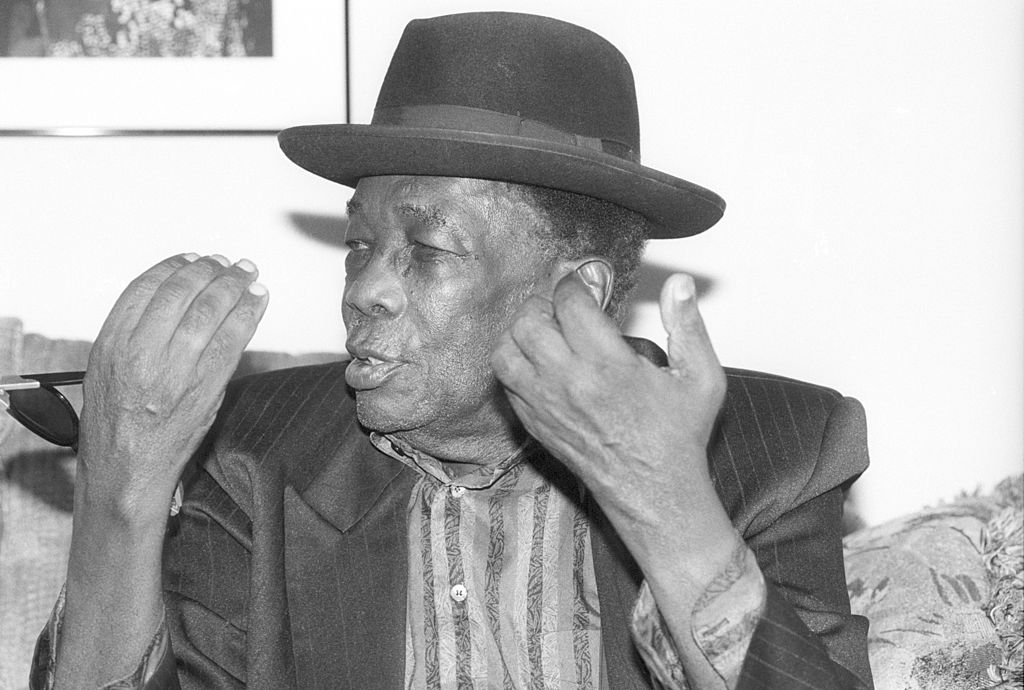
    UNSPECIFIED – CIRCA 1970: Photo of John Lee Hooker Photo by Michael Ochs Archives/Getty Images

    Hooker’s sound was raw, gritty, and uniquely his own.

    As a blues artist, Hooker’s sound was raw and gritty. The sounds of Robert Lockwood Jr. and Blind Lemon Jefferson, both country music and jazz, influenced Hooker and influenced his contemporaries. 

    In addition to his guitar playing, Hooker used a chair for percussion—a technique that became popularised when he played with Muddy Waters’ band in the 1960s.

    Other artists recorded his songs.

    You might think the most obvious benefit of being a blues singer is having your song become popular, which would be true if John Lee Hooker hadn’t beat you to it. 

    In 1952, his song “Boogie Chillen” was released as a single and became one of the first songs by an African-American artist to be a hit on both R&B and pop charts.

    As it turns out, Hooker wasn’t just good at writing his songs; he also made other people’s work sound great. 

    The Rolling Stones covered him in their early days (and even named themselves after an early Stones track). 

    Led Zeppelin incorporated bits from “Boogie Chillen” into their classic tune “Whole Lotta Love,” while Eric Clapton sampled Hooker’s guitar solo on “I’m In The Mood” for his song “Layla.”

    He was awarded an honorary degree.

    John Lee Hooker is the only African American to receive an honorary doctorate from the University of Washington. 

    He earned this honor in 1999 and was awarded one from Berklee College of Music in 1992 (the first time they had ever granted such a degree).

    His fame rose in the 1960s and 70s.

    Hooker’s fame rose in the 1960s and 1970s. He influenced the blues revival movement, which was popular among the hippie countercultures. Hooker significantly influenced Bob Dylan, who covered many of his songs.

    Tony Hollins gave John Lee Hooker his first guitar.

    Hooker was given his first guitar by Tony Hollins, an itinerant bluesman who befriended Hooker’s father. The young John Lee Hooker was twelve years old when he received the instrument.

    One of his signature songs is “Boom Boom.”

    One of Hooker’s most notable songs is “Boom Boom,” released on his first album in 1960. Written by John Lee Hooker and his wife, Nellie, the song tells the story of a woman who isn’t faithful to her husband. 

    Many artists have covered the song over the years, including Robert Plant and Jimmy Page of Led Zeppelin, John Lennon and George Harrison of The Beatles, and Elvis Presley.

    He didn’t study to play the guitar until he worked on a farm.

    John Lee Hooker was born in Clarksdale, Mississippi, on August 22, 1917. His family moved to Dyess, Arkansas, when he was two years old due to financial hardship. 

    He worked on a farm in his teenage years and learned how to play the guitar there. His stepdad, who worked at the farm, encouraged him to learn this instrument because it would help him find work as a musician later in life.

    He took public transportation during his early career as a musician

    He never wanted to be a burden to anyone, and to be independent of his family, he had to learn how to support himself as a musician.

    This humble attitude eventually helped him become one of history’s most prolific blues singers.

    He sometimes used a chair as a drum kit.

    John Lee Hooker was so well-known for his songs that it became common for him to play in clubs. 

    This meant he had to improvise when the drummer didn’t show up. He often used a chair as a drum kit, putting his foot on the seat and tapping out a bass line with his hands. Sometimes he used the chair to tap out rhythms or even entire songs.

    His biggest influences were Blind Lemon Jefferson and Robert Lockwood Jr.

    John Lee Hooker was a blues singer and guitarist who had a massive impact on American music. 

    Many artists influenced him, but his most significant influences were Blind Lemon Jefferson, and Robert Lockwood Jr. John Lee Hooker also had great humor, which is why we love him so much.

    Blind Lemon Jefferson was a famous blues guitarist who lived until the early 1930s. He played the guitar with just one finger (on his left hand), which gave him an unusual style that became very popular during his lifetime (you can see how he did it in this video).

    Robert Lockwood Jr. was another famous blues guitarist from Mississippi who played with B.B. King in their band.

    John Lee Hooker was exceptional

    The first thing you should learn about John Lee Hooker is that he was fantastic. He had a relaxed style and an easygoing personality, which made it seem like he was having fun with his music. This helps explain why so many people think of him as one of history’s best blues singers and musicians.

    Countless musicians have imitated John Lee Hooker’s style, sound, and songwriting over the years, but there are only a few artists who can match the soulfulness that he brought to his songs—and even fewer who can make it look easy to do so.

    Conclusion

    And that’s the kind of guy John Lee Hooker was. He didn’t care what people thought and just did his own thing. And it’s a good thing because many people have enjoyed his music since he first started playing in the 1940s.

  • Business Grants for Black Women

    Black women can get business grants to help them start or grow their businesses. Although this may sound appealing, small business grant contests have limited application windows and a lot of competition for small amounts of funding. It’s important to also tap into other resources.

    We’ve collected a lot of grants for Black women in this list. Many of these grants are also open to female-identifying Black entrepreneurs. There are also organizations that assist Black women entrepreneurs in securing government contracts, pitching investors, and finding other funding opportunities.

    business grants

    These grants are only available to Black women who own businesses.

    1. Fearless Strivers Grant Initiative

    Fearless Strivers Grant Initiative grants $10,000 to specific cities, including Atlanta, Birmingham, Alabama, Dayton, Ohio, Los Angeles, New Orleans, New York City, and St. Louis. There are also 11 grants available nationwide. The winners also receive mentorship and digital tools.

    2. SoGal Black Founder Startup Grant

    These grants of $10,000 and $5,000 are intended to help Black women entrepreneurs who have “the ambition to become the next billion-dollar business.” You can apply at any time.

    The SoGal Foundation administers the program and is funded by WinkyLux and Bluemercury as well as twelve NYC and Twilio. Read more.

    3. Give a Legacy Grant to Help You Build It

    The Pine-Sol and Essence administer this grant contest. It has one grand prize. In 2022, the winner was awarded $100,000 in grant funding, six months of business coaching, and six months of grant funding. To receive more information, sign up for the Pine-Sol newsletter Learn more.

    4. HerRise Micro-Grant

    The program provides $500 per month for a small business that is owned by a woman of color. The grant is a program offered by the Yva Jourdan Foundation (a nonprofit arm of HerSuiteSpot). Read more.

    Black women could also be eligible for business grants

    You may be eligible for grants that are not specifically targeted at Black women. There are also general grants that are available for Black entrepreneurs and Black business owners.

    All entrepreneurs are eligible for other business grant programs, regardless of their ethnicity or gender. Register to receive notifications when the program reopens.

    5. Small Business: Fast Break

    The $10,000 grant comes with free LegalZoom services. LegalZoom, LegalZoom, and the NBA G League fund the program. Each year, applications are open during the NBA season. This usually runs from October through June. Read more.

    6. Comcast RISE Investment Fund

    Each funding cycle, the grant is targeted at different cities. Each city receives a $10,000 grant. You must be in business for at most three years, have less than 25 employees and have been in business for less than three years. Read more.

    7. Coalition to Back Black Businesses

    The partnership includes Shopify and American Express and offers Black-owned businesses $5,000 grants every fall. Many grantees will receive $25,000. After receiving mentorship and coaching, they can apply for another $25,000. After a period of mentorship and coaching, several grantees receive an additional $25,000. Read more.

    8. Small Business Grant from Power Forward

    The grant is open to Black-owned New England businesses. This program is funded by VistaPrint and the Boston Celtics Shamrock Foundation in partnership with NAACP. It awards $25,000 grants on an ongoing basis. Learn more.

    9. The Amber Grant Foundation

    Monthly grants of up to $10,000 are awarded by the Amber Grant Foundation to female entrepreneurs to help them launch their businesses. You could also be eligible to receive the Amber Grant’s annual $25,000 grant if you are awarded one of the $10,000 monthly grants.

    You will need to fill out an application form on the Amber Grant website. This allows you to tell the organization about your company and how you plan to spend the grant money. You will need to pay $15 for the application fee. Learn more.

    10. NASE Growth Grants

    The National Association for the Self-Employed (NASE) was founded in 1981 and is committed to supporting microbusinesses and entrepreneurs. NASE members can apply for grants up to $4,000 through its grant program to fund a specific need such as hiring staff, buying equipment or launching a marketing campaign.

    The organization grants one grant each month and reviews applications on a monthly basis. You must be a member of NASE for at least three months to apply for a NASE Growth Grant. Learn more.

    11. FedEx Small Business Grant Competition

    FedEx’s annual grant competition awards a $50,000 grant and $4,000 in FedEx business and print services to the three grand prize winners every year. Other grand prize winners also receive grants. U.S.-based companies with at least six months of business experience and fewer than 99 employees are eligible to participate in the contest. Learn more.

    Black women entrepreneurs have access to other resources

    12. Black Girl Ventures

    Black Girl Ventures (or BGV) states that its mission is to “provide Black/brown women-identifying founders access to community capital and capacity building.” Its flagship offering is its crowdfunded pitch competition. Participants have three minutes to pitch their idea, followed by a three-minute Q&A session with professionals in front of an audience. All teams are eligible to keep the capital raised. Cash prizes will be awarded to the top three teams. Find out more.

    13. IFundWomen

    IFundWomen (or IFW) helps female founders of all races and ethnicities to raise capital via crowdfunding. They also provide coaching, networking, and grant opportunities. The grants hub of the organization aggregates all available grant opportunities for women and provides information about current application deadlines. Learn more.

    14. Minority Business Development Agency

    The Minority Business Development Agency (MBDA) is a federal agency that supports minority-owned businesses. It operates in the same way as the U.S. Small Business Administration or SBA. MBDA also has locations throughout the country where minor entrepreneurs can get financial assistance and consult. Read more.

    15. Grants.gov

    Grants.gov allows federal agencies to post information about grant programs, specifically for minority-owned companies, as well as details about eligibility requirements and deadlines. There are many search criteria that you can use to find grants, such as your industry and the sponsoring federal agencies. Find out more.

    16. SBA 8(a), Business Development Program

    SBA 8(a), Business Development Program, is an assistance program that assists “economically and/or socially disadvantaged” business owners in securing a government contracts.

    The federal government will dedicate 5% of its annual contracting budget each year to small businesses owned or operated by underrepresented entrepreneurs through the SB 8(a). Federal contracting program. Entrepreneurs can get the support they need through the Business Development Program, which includes one-on-one advice.

    17. Fund for Female Founders

    The Female Founders Fund is a great option for tech entrepreneurs looking to raise early-stage capital. The FFF invests in business-to-business, consumer, fintech, and health care businesses that have at least one female founding member, and it primarily focuses on investing in seed-stage businesses. On average, the fund invests $6-8 per year. Investments range from $500,000 to $750,000. Read more.

    18. Women’s Business Centers

    There are over 100 SBA Women’s Business Centers across the country. Although most do not grant grants, these centers can provide support for women business owners by providing classes, coaching, and capital. Find out more.

    Black women have other options than small-business grants

    Business grants may not be the right fit for all companies. Grants can be restrictive due to their limited application window, small funding amounts, and competitive judging process.

    These are other funding options that you might consider for your business:

    SBA microloans These loans up to $50,000 can be backed by the U.S. Government and are issued by non-profit community financial institutions. Many microlenders provide training and other resources that can prove to be very valuable for business owners. If you are a small or new business, they may be easier than other types.

    Crowdfunding Many businesses can raise funds from their customers and supporters, regardless of whether they are friends or not. There are many crowdfunding options available, including donation-based support and investments that you promise to repay as your business grows.

    Business credit card: Credit cards are useful for businesses that are already in operation. They allow you to keep up with your everyday expenses, even if your cash flow is not consistent. It is possible to find a card that rewards you for spending.

    Peer-to-peer business loans: P2P loans are available from both established institutional investors and crowdfunding platforms such as Kiva. They are generally easier to get than bank loans for small or new businesses.

    Business credit lines: If you require six-figure financing or more, a line of credit might be the right choice. These loans work in the same way as credit cards. You borrow what you need, then pay off your debts over time. Then, you borrow up to your limit again. However, lines of credit might require at least one year of business experience to be approved for.

    Source: Nerd Wallet – https://www.nerdwallet.com/article/small-business/grants-for-black-women

  • Banking Online: Valley Direct Bank Offering 4.00 APY On High Yield Savings Account

    Great news, Valley Direct is offering the opportunity to Earn 16x the national average 4.00% APY with a Online high-yield savings account backed by Valley Bank (FDIC Insured).

    banking online

    This information is taken from this page of Valley Direct Bank

    95+ years of helping people save
    24/7 online and mobile access
    FDIC insured up to $250K
    Only $1 minimum deposit to open
    FAQ’s

    How long does it take to open an account?
    It should take less than 10 minutes to open an account.

    What will I need to open an account?

    To open a Valley Direct online savings account, you must be at least 18 years old with a valid U.S. bank account and Social Security Number. You will also need a government-issued ID (i.e., U.S. Driver’s License, Non-Driver State ID, Passport, U.S. Permanent Resident Card) and a valid U.S. bank online account username and password.

    Do you require a minimum opening deposit?
    Yes, the minimum opening deposit is just $1.

    Do you have a minimum account balance?
    No minimum balance is required in your online savings account. However, if you do not maintain a balance of $0.01 or more for sixty (60) days, we may close your account.

    Are there any fees associated with my online savings account?
    We do not charge fees for transfers to or from your online savings account. However, your external financial institution may charge you a fee.

    How do I add money to my account?

    There are 6 ways you can add money to your account:

    #1 Deposit funds during the initial account opening. You will need a valid U.S. bank online account username and password.

    #2 Initiate an inbound external transfer from another financial institution through Personal Online Banking on your computer or using the Valley mobile app on your phone or tablet.

    #3 Initiate a money transfer or wire transfer from another financial institution or transfer from a Valley Bank account.

    #4 Receive money in your ValleyDirect account from another account via Zelle. You must ensure your ValleyDirect account is your primary account for Zelle within Valley Personal Online Banking.

    #5 Deposit checks via the Valley Mobile Banking App.
    #6 Set up a direct deposit of your payroll, pension, or government benefit such as Social Security.

    How do I set up direct deposit?

    To set up direct deposit, follow the procedures outlined by your payroll or benefits provider. They will need the following information:

    – Valley’s routing/ABA number: 021201383
    – Your Valley Direct account number
    – Download a Direct Deposit form

    Is my online savings account FDIC insured?

    Yes, your online savings account is FDIC-insured. For more information about FDIC insurance, visit the FDIC website at fdic.gov.
    Withdrawing Money

    How do I make a withdrawal from my account?

    There are 3 ways to withdraw your money from your account:

    #1 You can easily transfer funds to an external account through Personal Online Banking using your computer or using the Valley mobile app on your phone or tablet.
    #2 You can initiate a Zelle transaction through Personal Online Banking using your computer or using the Valley mobile app on your phone or tablet. This method is best if you are initiating a transaction to someone else.
    #3 You can withdraw your money by requesting a check either by sending a secure message via online banking on ValleyDirect.com, or by calling 866-899-9900. For calls made from outside of the U.S. and Canada, please call 973-305-8800. We’re available Monday through Friday from 8 AM – 6 PM ET. Checks are payable to the account owner only.

    How many withdrawals can I make from my account each month?

    You are typically allowed only six transfers per monthly statement cycle, according to federal law. However, a recent change in federal law has temporarily suspended this limit, allowing you to make more than six withdrawals or transfers in a monthly statement period. That means there’s currently no limit to the number of withdrawals or transfers you can make. Please keep in mind that this change is likely temporary, and the monthly transfer limit it could be reinstated in the future.

    How can I access my account?

    We offer 24/7 online access from your computer, tablet or mobile device at ValleyDirect.com, as well as our Valley Mobile Banking app. You can also call us at 866-899-9900. For calls made from outside of the U.S. and Canada, please call 973-305-8800. We’re available Monday through Friday from 8 AM – 6 PM ET.

    Where can I find the Valley Direct routing/ABA number or my account number?

    Valley’s routing/ABA number is 021201383. To access your account number, simply login to your Valley Direct online banking account, select the desired account, then view the Account Details.
    Contact and Support

    How do I change my contact information?

    For security purposes, you will have to call us to update your contact information. You can call us at 866-899-9900. For calls made from outside of the U.S. and Canada, please call 973-305-8800. We’re available Monday through Friday from 8 AM – 6 PM ET.

    How can I close my Valley Direct account?

    You may close your account at any time by calling us at 866-899-9900. For calls made from outside of the U.S. and Canada, please call 973-305-8800. We’re available Monday through Friday from 8 AM – 6 PM ET.
    About Valley

    For more than 95 years, we’ve been committed to our mission of giving people and businesses the power to succeed. Because at Valley Bank, we believe when our customers and communities thrive – we all do.

    That’s why we’re one of the largest and most trusted regional banks in the country, with more than $41.7 billion in assets and branch locations across New Jersey, New York, Florida, and Alabama.

    But we always knew we wanted to do more for people beyond our physical footprint. That’s why we created Valley Direct. So, we could bring the high-quality, trusted service our customers know us for directly to you – no matter where you are. If you want to learn more about Valley Bank, go to Valley.com.

  • Tips for Successful Text Message Marketing for Business in 2023

    Not only for marketing but also for all other communications, text messaging is becoming more common in business. Text Request, a business text messaging platform, has released the 2023 State of Business Texting Report. This report examines how consumers interact with businesses and how they are meeting these demands. It also identifies how gaps may exist. These are five key points that business leaders should consider. Disclaimer: Although I am part of the Text Request study, this article is not as promotional.

    1. Eighty-eight percent of customers want to be notified by text about their appointments

    Many businesses rely on appointments to keep them running. It’s obvious that texting can make it easier to set up and keep more appointments. You may also save time and overhead by texting. Texting can help you save time and overhead. 70% of respondents believe that texting is the best way to get in touch with them.

    Instead of calling customers to confirm appointments and cancel them, send a message. To automate notification, you can either send one to each person at a time or send a bulk message to all of them. Texting is far more efficient and effective than calling each person individually about every appointment. You will be able to keep more appointments in the book, as forgetting appointments is the main reason why people miss appointments.

    Text customers when they are due to book their next appointment. This will allow you to make more appointments and increase your revenue. For seasonal check-ins, annual renewals, or any other period that makes sense to you, text us. The dealership that sold me my car sent me a text every three months regarding an oil change and tune up. That’s because it takes 3,000 miles to drive.

    2. People want more SMS marketing (yes, really)

    Respondents to the survey said that they would like to receive text messages about discounts and promotions. However, only 29% of respondents indicated that their businesses send these texts. This is a huge opportunity and it’s important that you think beyond retail when considering promotions. The report includes several examples such as:

    Customers are more likely to book appointments for services or appointments

    Informing customers about new services and other offers

    Fundraising for schools and nonprofits

    Sharing important reminders

    Offer discounts or incentives

    Each of these can be combined to increase revenue and create great customer experiences.

    3. B2B companies can also use texting

    According to the report, texting can be a powerful channel for business-to consumer (B2C) companies but not for businesses selling to other businesses (B2B). Business buyers can still be consumers wherever they go.

    Eighty percent have text with a business before. As these people experience consumer services, they start to expect the same from business services. There are many easy applications for texting B2B businesses:

    • – During the sales process, touch base
    • – Take a few minutes to talk on the phone
    • – Reminders and appointment scheduling
    • – Support and customer service
    • – Promotions for new products or services

    Texting can help you get people’s attention, and they will respond. No matter your role, this can make a huge impact.

    4. In 2023, the most anticipated trend is texting to make payments

    This gap is the largest between businesses and consumers, according to the report. This is also where you will see the most growth in traffic over the next year. Sixty-nine per cent of people would like to receive text messages for payment reminders. 45% of people also want to pay their bills via text. Yet, only 30% of businesses use text messaging for payments.

    This is crucial because revenue collection is an essential function. Your business will fail if you don’t collect revenue, especially the revenue that you owe. Even minor delays in collecting payments or the need to spend more money to collect them can have a negative effect on your business.

    This is a simple problem to solve, as PDF invoices can be sent via text messages. Businesses can send reminders by text message to clients with outstanding balances and include invoices if necessary.

    5. Businesses are comfortable with consumers texting.

    Eighty percent have texted a business before, and 58% send a text at least once a month. 90% of consumers want to be able to text businesses and other organizations. People feel comfortable using texting for business purposes and are starting to expect such experiences. This presents both a challenge as well as an opportunity.

    Businesses will need to include texting in their communication mix in order to reach customers wherever they are in 2023. It is important that businesses enable text conversations and not just one-way automated communications. Customers want to be able to text businesses on their terms, so it is vital to allow text conversations. 77% of respondents want to text businesses for support and customer service.

    Many businesses will find texting a valuable tool for customer communication. If you don’t use it to meet customer demands, you risk losing out to those who do.

    What can you do with all this information?

    Businesses have many opportunities to increase their revenue, reduce costs, and improve customer experience through text messaging. You can see the benefits of your efforts sooner if you act quickly. You don’t have to overhaul your entire strategy at once.

    You can pick one small task that is easy to do and that you are able to commit to. For example, replacing appointment confirmation calls with text messages. Once you and your team are comfortable with the change and can track any improvements made, then move on to the next opportunity.

    Source: Entrepreneur – https://www.entrepreneur.com/growing-a-business/5-reasons-to-add-texts-to-your-customer-communications-mix/439964

  • Real Estate Hack That Will Make Selling a property Easier in 2023

    We are in the final month of 2022. Not only are we moving into a new year but also entering a recession which is affecting real estate sales all across the country.

    Virtual tours can help real estate agents sell more property, as other authors and I have discussed in previous articles. But that’s not up to debate.

    We have a clever little trick that you can use to increase your exposure to real estate listings and get more leads. This is called geotagging.

    This term is new to you? You don’t have to worry about it. Let’s talk about how you can incorporate it into your content.

    What is geotagging?

    Geotagging is a term in technical search engine optimization that helps local content rank higher on search engines. It uses the exact coordinates and type of property to identify the location of a listing. This strategy is used by many business owners to help them rank higher in local searches. Let’s take a look at an example.

    John Smith is the owner of a Philadelphia bakery. He has great photos and videos, but he wants to be able to stand out against his competitors. Geotagging is a process that he discovers. He goes to geoimgr.com to find the coordinates of Philadelphia. Geo Imgr then adds them to Geo Imgr. Finally, he adds his keyphrase to what people search for when searching for his type of business, such as “bakeries near my” or “bakeries within Philadelphia.”

    You are basically telling Google what your “niche” is in your local coordinates. Google then positions you as such, because Google has tagged your content and organized it accordingly. This is a great way to rank higher on local searches. You’ll need to think out of the box in 2023. This is a great example.

    What does this mean for real estate listings?

    What do brick-and-mortar businesses and real estate listings share in common? Both are pieces of real property, so the process works with both real estate listings and small businesses like John Smith’s bakery.

    This is not a job for a real estate agent. While they are focused on great content, it is not enough to be successful. They also need to geotag every photo and video. Hotshot realtors use geotags to improve their listings’ exposure.

    So how do I optimize my content as a real estate agent?

    It is easier than you might think. Don’t be too hard on yourself! This is a step-by-step guide to geotag real estate content.

    1. Visit Geoimgr.com
    2. Plug in your current listing content (photos and videos, renderings or 360 tours) to the groomer.
    3. Google your location coordinates. Ex: Philadelphia’s coordinates (33.9526deg N, 75.1652deg West).
    4. Enter the coordinates into Geoimgr.
    5. Geoimgr will allow you to enter your type of property into “single-family home in Rittenhouse (insert neighborhood)” or “multifamily house south California.
    6. Click the “EXIF tag” button to optimize your real estate listing content.

    Once I have my optimized content, where do I put it?

    You’ll upload to the multiple listing service just like you would. This posts to all major listings such as Zillow and Realtor, Loopnet, Redfin, and Redfin. Google will still offer geotagging because most people search for information on Google. Geoimgr’s best feature is the ability to upgrade your account and get more content optimized for listings. As you gain more success, you will be able to use geoimgr.

    Are you short on time? This process is quick and easy, taking less than 10 minutes. This process is easy to learn. Then, give it to your interns or teammates to geotag your content in the future.

    Virtual tours are a great marketing tool for your listing. But geotagging is what makes your listings sell faster and for more cash.

    This strategy can be used to jumpstart your 2023 career and help you succeed in real estate.

    Source: Entrepreneur – https://www.entrepreneur.com/growing-a-business/how-to-use-virtual-tours-to-elevate-real-estate-sales/440839