Blog

  • Top 10 Black Country Singers:

    Country music, with its roots in storytelling and soulful expression, boasts a rich tapestry woven with the vibrant threads of Black country singers. Their contributions, though often underrecognized, have been pivotal in shaping the genre’s evolution.
    Pioneers and Chart-Topping Stars:

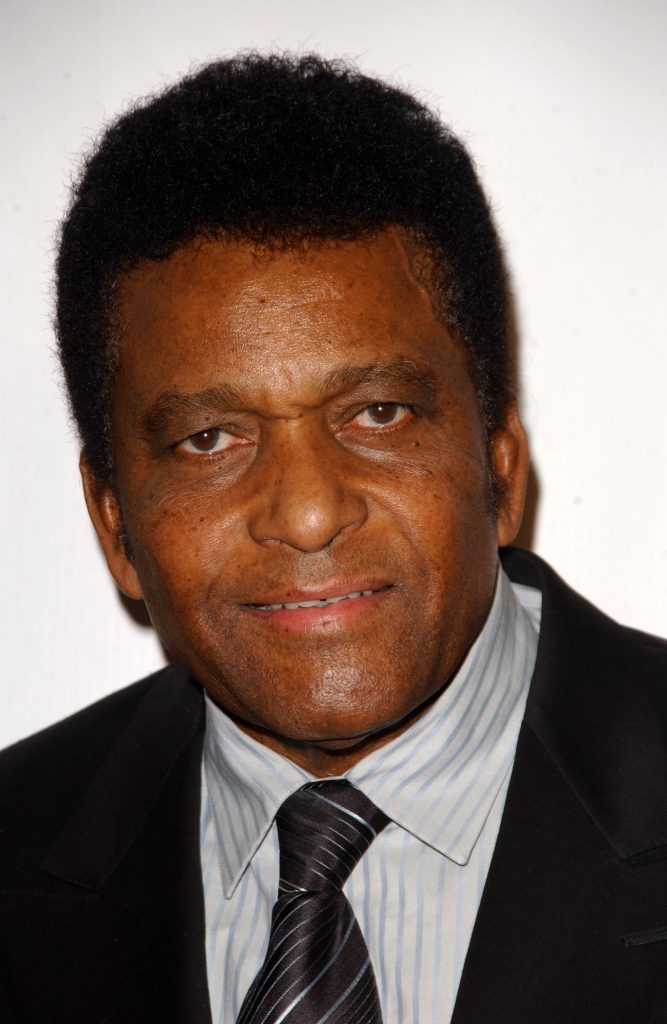
    Charley Pride (1934-2020): A Beacon of Perseverance:
    black country singers

    Born in Mississippi, Charley Pride wasn’t just a Black country music legend, he was a true trailblazer. His journey began not on stage, but on the baseball diamond, where he dreamt of becoming a professional player. However, music coursed through his veins. He taught himself guitar at 14 and continued playing even while pursuing his baseball career. Encouraged by country stars like Red Foley, Charley ventured into music in 1958.

    His path was riddled with obstacles. Black country singers were a rarity, and racial prejudice loomed large. Despite facing rejections and closed doors, Charley persevered. A chance encounter with Chet Atkins, a legendary record producer, proved to be the turning point. His 1966 hit, “Just Between You and Me,” became a stepping stone, reaching number nine on the Hot Country charts and earning him a Grammy nomination.

    Charley’s powerful voice and genuine storytelling resonated with audiences. He shattered barriers, becoming the first Black country singer to win the coveted CMA Entertainer of the Year award in 1971. Throughout his career, he amassed an impressive 52 Top 10 hits and became a household name, paving the way for future generations of Black country artists.

    Contemporary Stars Making Waves:

    Darius Rucker (Born 1966): From Rock Stardom to Country Royalty:
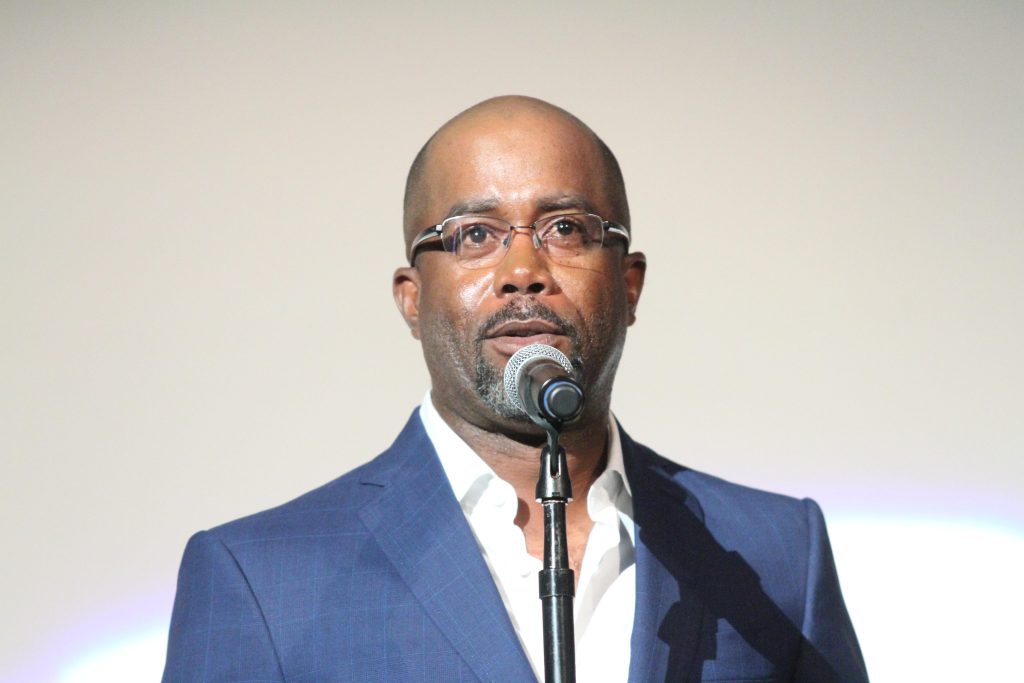
    Darius Rucker‘s story showcases the evolution of black country music. He rose to fame as the lead vocalist of the rock band Hootie & the Blowfish, achieving immense success in the 90s. However, his love for country music never dimmed. In 2008, he embarked on a solo career, venturing into the uncharted territory of black country music singers.

    His debut country single, “Don’t Think I Don’t Think About It,” became an instant hit, topping the Billboard Hot Country charts. This feat made him the first Black country singer to achieve this since Charley Pride. Darius went on to win numerous awards, including the New Artist Award in 2009, solidifying his position as a prominent voice in black country music.

    His success story extends beyond awards. Darius has released several critically acclaimed albums, seamlessly blending traditional country sounds with contemporary influences. He continues to push boundaries, using his platform to advocate for diversity and inclusion within the genre.

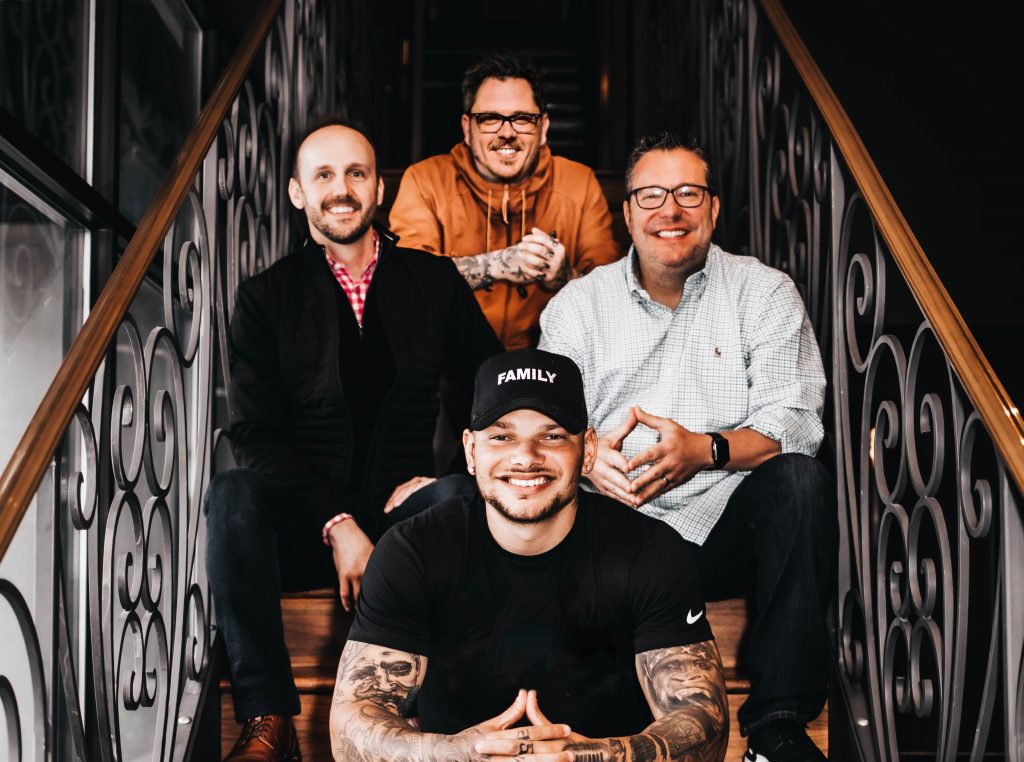
    Kane Brown (Born 1993): A Social Media Star Takes Country by Storm:

    Kane Brown‘s rise to fame is a testament to the power of social media. He started by posting videos of himself singing country covers online, quickly amassing a loyal following. His raw talent and captivating voice caught the attention of the music industry.

    In 2015, he released his debut EP, “Closer,” which topped the Billboard Country Albums chart. This feat made him the first Black country artist to achieve this with a debut release. Kane’s meteoric rise continued with his self-titled debut album in 2016, becoming the first black country singer to have an album debut at number one on the Billboard 200 chart.

    Kane’s music seamlessly blends country, pop, and R&B influences, creating a unique sound that resonates with a diverse audience. He continues to break new ground, becoming the first black male country singer to win an American Music Award for Favorite Male Country Artist in 2021.

    A Genre Enriched by Diversity:

    Black country music goes beyond the aforementioned legends. Black country music singers like Mickey Guyton are pushing boundaries and challenging the status quo. Her powerful vocals and honest lyrics tackle social issues and champion female empowerment, earning her recognition and critical acclaim.

    Recent Black Country Singers and Beyond:

    Jimmie Allen (Born 1985): From Rodeo Clown to Country Star:

    Jimmie Allen‘s journey to country music is unconventional. He began his career as a rodeo clown, showcasing his natural charisma and stage presence. However, music was his true passion. He honed his songwriting skills and eventually signed a record deal.

    Allen’s debut single, “Best Shot,” hit the ground running, reaching number one on the Billboard Country Airplay chart in 2018. This success was followed by critically acclaimed albums like “Mercury Lane” and “Bettie James,” solidifying his position as a rising star in black country music.

    His music is characterized by smooth vocals, relatable lyrics that paint vivid pictures of everyday life, and a touch of Southern charm. Jimmie Allen is a powerful voice for a new generation of country music fans, proving that talent and dedication can pave the way for success regardless of background.

    Willie Jones (Born 1978): A Soulful Blend of Country and Blues:

    Hailing from Louisiana, Willie Jones brings a unique blend of soulful vocals and country storytelling to the genre. His music is deeply rooted in his Southern heritage, drawing inspiration from gospel and blues influences.

    Jones’ debut album, “Alberta,” released in 2014, received critical acclaim for its raw honesty and emotional depth. He has since collaborated with several renowned artists, including the legendary Tanya Tucker. Willie Jones continues to push boundaries, showcasing the versatility of black country music and the genre’s capacity to embrace diverse sounds.

    Brittney Spencer (Born 1988): A Country Voice with Blues and Pop Influences:

    Brittney Spencer‘s music defies categorization. While firmly rooted in country, her sound incorporates elements of blues and pop, creating a captivating blend that transcends traditional boundaries. Her powerful vocals and introspective lyrics resonate with audiences seeking a fresh perspective within the genre.

    Spencer’s debut album, “Last Radio Standing,” released in 2018, garnered critical praise for its raw vulnerability and exploration of themes like self-discovery and heartbreak. She continues to evolve as an artist, pushing the boundaries of black country music and paving the way for a more inclusive soundscape.

    A Glimpse into the Future:

    The future of black country music is bright. New black country singers like Blanco Brown, Breland, and Rissi Palmer are emerging, bringing fresh perspectives and innovative sounds to the genre.

    Blanco Brown (Born 1996): A Country Artist with Hip-Hop Roots:

    Blanco Brown‘s story is a testament to the evolving nature of country music. He seamlessly blends elements of hip-hop and R&B with traditional country sounds, creating a unique and captivating style. His debut album, “Honeysuckle & Hand Grenades,” released in 2021, received widespread acclaim for its innovative approach to the genre.

    Breland (Born 1990): Country Music with a Modern Edge:

    Breland brings a modern twist to black country music. His music incorporates elements of pop and hip-hop, creating a sound that resonates with a younger generation of country music fans. With catchy hooks and relatable lyrics, Breland is making waves within the industry and pushing the boundaries of what country music can be.

    Rissi Palmer (Born 1981): A Voice for Social Change:

    Rissi Palmer uses her platform as a black country music singer to advocate for social change. Her music tackles issues of racial injustice and female empowerment, sparking conversations and challenging the status quo. Her powerful vocals and thought-provoking lyrics have earned her recognition as a rising star in the genre.

    Beyonce’s Makes Country Music Waves

    Beyoncé has recently made a significant impact on the country music charts with her single “Texas Hold ‘Em,” making her the first Black woman to top the Billboard Hot Country Songs chart. This achievement is a remarkable milestone, as she has now scored a No. 1 song on both the Hot Country Songs and Hot R&B/Hip-Hop Songs charts.

    Her venture into country music was highlighted during the 2024 Super Bowl, where she teased viewers with her plans to break the internet. Following this, she released two new country songs, “Texas Hold ‘Em” and “16 Carriages,” which were serviced to country radio on February 13 and quickly made history due to their success.

    “Texas Hold ‘Em” debuted at No. 50 on Billboard’s country airplay chart and No. 54 on Mediabase, marking a rare achievement for Black female country artists. This accomplishment is particularly notable in a month dedicated to celebrating Black history and excellence.

    This move into country music represents a new direction for Beyoncé, although it’s not her first foray into the genre. Her song “Daddy Lessons,” from her 2016 album, was an unequivocally country track, demonstrating her ability to blend genres and challenge industry norms

    Black country singers have played a vital role in shaping the genre’s rich tapestry. From the pioneering

    The narrative of black country singers is not just a chapter in the annals of music history; it’s a continuously unfolding story that speaks to the resilience, talent, and innovation of artists who have shaped the genre in immeasurable ways. From the pioneering legends to the new black country singer male artists emerging on the scene, each has contributed to the rich tapestry of country music, infusing it with soul, depth, and a perspective that broadens the genre’s appeal and significance.

    Black country music artists, often navigating the complex terrain of an industry and a genre historically dominated by white musicians, have nonetheless managed to carve out a space for themselves, garnering acclaim and a devoted following. The journey of these artists, from Charley Pride, the trailblazing black male country singer who broke racial barriers in the 1960s and 1970s, to Darius Rucker, whose crossover success has cemented his place as a contemporary country music black artist, illustrates the diverse voices that have always been part of country music’s soul.

    The rise of new black country singers male and female alike, such as Mickey Guyton and Kane Brown, signals a burgeoning shift in the landscape of country music. These artists bring fresh perspectives and stories that resonate with a wide audience, bridging divides and challenging the traditional confines of the genre. Their success is a testament to the evolving nature of country music and its ability to embrace change while staying true to its roots.

    Country black singers and black country western singers continue to navigate the challenges and triumphs of the music industry, their achievements underscore the essential truth that country music, at its core, is about storytelling, emotion, and the human experience. African American country singers, with their unique blend of influences from gospel, blues, and R&B, enrich the genre, offering songs that speak to love, loss, struggle, and triumph with authenticity and passion.

    Who is a black country singer today? They are artists like Jimmie Allen and Mickey Guyton, who not only create music that resonates across racial and cultural lines but also pave the way for future generations of black country music stars. They stand on the shoulders of legends like Ray Charles and Charley Pride, drawing from their heritage to create a sound that is distinctly their own yet universally appealing.

    The stories of black country music singers are not just about overcoming obstacles; they are about the joy of creating, the power of music to unite, and the ongoing quest for representation and inclusion in all facets of the music industry. These artists are not just black country singers; they are country music artists who embody the genre’s spirit, contributing to its richness and vitality.

    As we look to the future, it’s clear that the legacy of black country musicians will continue to influence and shape the direction of country music. Their voices, stories, and songs are integral to the genre’s narrative, reminding us that country music, at its best, is a reflection of the diverse experiences and perspectives that make up the American tapestry. The continued success of black country artists is a beacon of hope and a source of inspiration, proving that the heart of country music beats with the rhythm of inclusivity, diversity, and boundless creativity.

    spirit of Charley Pride to the contemporary sounds of Darius Rucker, Kane Brown, and countless others, their contributions have enriched the genre with diverse perspectives and unique musical styles.

    As new black country singers continue to emerge, the future of the genre looks promising. Their talent and dedication are redefining the sound of country music, creating a more inclusive and diverse landscape for generations to come.

    This exploration merely scratches the surface of the immense talent within black country music. Delve deeper by researching artists like The War and Treaty, Rhiannon Giddens, and Elder Brody to discover the vast array of black country music singers and musicians


  • 10 Ways Musicians Can Use ChatGpt

    What is ChatGpt?

    ChatGPT is a language model chatbot developed by OpenAI and launched on November 30, 2022. It is based on the GPT-3.5 and now 4 language model and allows users to have human-like conversations and perform various tasks. 

    It can be used for a variety of purposes, including:

    ChatGPT is designed to engage in conversation across a wide array of topics, offering informative and comprehensive responses. 

    This ability enables it to interact with users on virtually any subject, ranging from casual chats to in-depth discussions about complex issues. 

    chatgpt

    The system is adept at understanding the nuances of human conversation, ensuring that interactions are not only informative but also engaging and relevant to the user’s interests and inquiries.

    In addition to conversational capabilities, ChatGPT excels in generating creative text formats. It can craft an array of content types, such as poems, code, scripts, musical pieces, emails, and more. 

    This versatility makes it a valuable tool for creative endeavors, allowing users to explore new forms of expression or find assistance in areas like creative writing, programming, or content creation. Whether it’s composing a sonnet, drafting a screenplay, or writing code for a specific function, ChatGPT can handle a variety of creative tasks with ease.

    Answering questions is another key strength of ChatGPT. It is equipped to provide detailed and informative responses to a wide range of queries, regardless of how open-ended, challenging, or unusual they might be. From simple factual questions to complex philosophical inquiries, ChatGPT aims to deliver answers that are not only accurate but also insightful, helping users gain a deeper understanding of the topic at hand.

    Furthermore, ChatGPT can assist in automating various tasks, which is particularly useful in today’s fast-paced digital environment.

    For example, it can help with scheduling social media posts, ensuring consistent and timely online engagement, or responding to common questions, which can be a significant asset in customer service scenarios. This automation capability helps streamline repetitive tasks, allowing users to focus on more complex and creative aspects of their work or personal projects.

    While ChatGPT is still being developed, it has learned to perform many kinds of tasks, including:

    In following instructions and completing requests, I am committed to a thoughtful and meticulous approach. This involves carefully considering the specifics of each request and applying a deep understanding of various subjects to provide the most accurate and relevant information. 

    My responses are crafted not only to fulfill the immediate query but also to offer insights that might be beneficial in a broader context, thereby adding value to the interaction.

    My capability extends to using a vast repository of knowledge to answer questions in a comprehensive and informative manner. This is particularly evident when dealing with open-ended, challenging, or unusual questions. 

    In these instances, I strive to provide responses that are not only factually accurate but also insightful, helping to illuminate different facets of the topic at hand. Whether the question requires a simple explanation, a detailed analysis, or creative thinking, my goal is to deliver an answer that is both understandable and enlightening.

    Maintaining professionalism in all responses is a cornerstone of my approach. This means ensuring that each interaction is handled with a high degree of respect, sensitivity, and understanding. I aim to create an environment where queries are met with thoughtful and considerate responses, fostering a respectful and productive dialogue. 

    Professionalism, in this context, also involves staying updated with the latest information and best practices, ensuring that the guidance provided is not only accurate but also adheres to current standards and knowledge.

    Overall, ChatGPT can be a powerful tool that can be used for various purposes. It is still under development, but it has learned to perform many tasks, including following instructions, answering questions, and automating tasks.

    Here are some of the strengths and weaknesses of ChatGPT:

    ChatGPT is grounded in a large language model framework, which is the cornerstone of its ability to generate human-like text and engage in diverse conversations. This model is trained on a vast corpus of text, enabling it to understand and replicate a wide range of linguistic styles and structures. 

    As a result, it can hold conversations on a multitude of topics, from everyday casual discussions to in-depth dialogues on specialized subjects. The sophistication of this model lies in its capacity to grasp context, interpret nuances, and respond in a way that is both coherent and contextually appropriate, making interactions with it surprisingly human-like.

    The versatility of ChatGPT is one of its most striking features. It is not just a tool for conversation but a multi-faceted platform capable of a variety of tasks. This includes generating creative text formats such as poems, stories, code, scripts, and even musical compositions.

     Its ability to answer questions, whether they are straightforward or highly complex, adds to its utility. Moreover, ChatGPT can automate routine tasks, such as drafting emails, scheduling appointments, or managing social media posts, thereby streamlining processes and improving efficiency. This versatility makes it an invaluable asset across numerous fields and applications.

    Accessibility is another key aspect of ChatGPT. Its availability to the public opens up numerous opportunities, particularly for musicians and other creatives. 

    Musicians, for instance, can experiment with large language models to generate lyrics, compose music, or even develop new musical concepts. This accessibility democratizes the use of advanced AI technology, allowing individuals and organizations, regardless of their size or resources, to explore and benefit from the capabilities of large language models. 

    By making this technology readily accessible, ChatGPT stands as a powerful tool that fosters creativity, innovation, and efficiency in a wide array of domains.

    Weaknesses:

    The issue of bias in large language models, including ChatGPT, is a significant concern. Since these models are trained on massive datasets comprising text and code from a wide array of sources, they inherently absorb the biases present in that data.

     These biases can be of various types, including cultural, gender, or ideological biases, and they may inadvertently influence the responses generated by the model. 

    This is a critical aspect to consider, especially when using ChatGPT in scenarios that require neutrality and objectivity. Efforts are continually made to identify and mitigate these biases, but it remains an ongoing challenge in the field of artificial intelligence.

    Regarding factual accuracy, ChatGPT’s performance can be variable. While it is capable of providing correct and insightful information across many topics, there are instances where its responses might not be entirely accurate. 

    This limitation stems from the fact that the model is still evolving and learning to process and interpret information more effectively. It’s also influenced by the training data it was exposed to, which may not always include the most up-to-date or accurate information. Users should be mindful of this limitation, especially when seeking information that requires precision and up-to-date knowledge.

    The lack of transparency in how ChatGPT operates and makes decisions is another challenge. The internal workings of large language models are complex and not always understandable to those without a background in machine learning. 

    This opaqueness can make it difficult for users to fully trust or understand the rationale behind ChatGPT’s outputs. Users may find themselves questioning why certain responses were given or how the model arrived at a particular conclusion.

     This lack of transparency can be a barrier to fully integrating these models into scenarios where understanding the decision-making process is crucial. As AI technology advances, efforts are being made to increase the interpretability and transparency of these models, but it remains a complex and evolving task.

    ChatGPT can be a powerful tool that has the potential to be used for good. However, it is essential to be aware of its limitations and to use it responsibly.

    ChatGPT for Musicians: A 10-Step Guide to Boosting Your Career

    ChatGPT, a powerful language model, is revolutionizing the music industry by offering musicians many tools to enhance their creativity, productivity, and engagement with fans. This comprehensive guide explores ten detailed ways musicians can leverage ChatGPT to elevate their careers:

    Build a Powerful Online Presence

    The issue of bias in large language models, including ChatGPT, is a significant concern. Since these models are trained on massive datasets comprising text and code from a wide array of sources, they inherently absorb the biases present in that data. 

    These biases can be of various types, including cultural, gender, or ideological biases, and they may inadvertently influence the responses generated by the model. 

    This is a critical aspect to consider, especially when using ChatGPT in scenarios that require neutrality and objectivity. Efforts are continually made to identify and mitigate these biases, but it remains an ongoing challenge in the field of artificial intelligence. Regarding factual accuracy, ChatGPT’s performance can be variable. 

    While it is capable of providing correct and insightful information across many topics, there are instances where its responses might not be entirely accurate. 

    This limitation stems from the fact that the model is still evolving and learning to process and interpret information more effectively. It’s also influenced by the training data it was exposed to, which may not always include the most up-to-date or accurate information. 

    Users should be mindful of this limitation, especially when seeking information that requires precision and up-to-date knowledge. The lack of transparency in how ChatGPT operates and makes decisions is another challenge. 

    The internal workings of large language models are complex and not always understandable to those without a background in machine learning. This opaqueness can make it difficult for users to fully trust or understand the rationale behind ChatGPT’s outputs. 

    Users may find themselves questioning why certain responses were given or how the model arrived at a particular conclusion. This lack of transparency can be a barrier to fully integrating these models into scenarios where understanding the decision-making process is crucial.

     As AI technology advances, efforts are being made to increase the interpretability and transparency of these models, but it remains a complex and evolving task.

    The issue of bias in large language models, such as ChatGPT, is a significant and complex concern. These models are trained on extensive datasets that include a diverse array of text and code, mirroring the vast expanse of human knowledge and expression.

     However, this also means they absorb and replicate the biases inherent in their training data. These biases can manifest in various forms, including cultural, gender, and ideological biases. 

    Their presence in the model’s responses can be particularly problematic in scenarios where impartiality and fairness are paramount. 

    The recognition of these biases has led to ongoing efforts to identify and mitigate them, but the task is challenging. It involves not only refining the training process and the datasets used but also developing more sophisticated methods to detect and address biases that may not be immediately apparent.

    When it comes to factual accuracy, the performance of ChatGPT can be inconsistent. The model is proficient at providing accurate information on a wide range of topics, but there are occasions when its responses may not fully align with the most current or precise data. 

    This inconsistency is partly due to the model’s continuous development and learning process. The quality of the information it provides is heavily influenced by the data it was trained on, which might not always be up-to-date or entirely accurate. Therefore, users should exercise caution and cross-verify information, particularly in cases where accuracy is critical, such as in academic research or professional advice.

    The challenge of transparency in the operation and decision-making process of ChatGPT adds another layer of complexity. The inner workings of large language models are intricate and can be challenging to understand, especially for those without specialized knowledge in machine learning and AI. 

    This lack of clarity can lead to difficulties in fully trusting or comprehending why ChatGPT responds in certain ways or how it arrives at specific conclusions. For users, this might raise questions about the reliability and rationale of the responses, particularly in critical applications where understanding the underlying logic is essential. 

    While strides are being made to make these models more interpretable and transparent, it remains a nuanced and ongoing area of development in AI. The goal is to create models that are not only intelligent and capable but also understandable and trustworthy, striking a balance between advanced technology and user-centric design.

    Continuously Learn and Grow

    ChatGPT helps you:

    To maintain an up-to-date understanding of the latest music, industry trends, and technologies, you should regularly summarize relevant articles and news stories. 

    This practice will enable you to keep abreast of the evolving landscape of the music industry, from new technological advancements to shifts in musical styles and preferences.

    Additionally, it’s beneficial to connect with music mentors and advisors. Engaging in online communities and forums dedicated to music can be a great way to do this. These platforms often provide opportunities to interact with experienced professionals in the field, allowing you to gain insights, seek advice, and even establish valuable connections within the industry.

    Furthermore, to enhance your musical skills and knowledge, it is important to seek out educational resources and enroll in online courses. These can range from tutorials on specific instruments or software, to more comprehensive courses covering music theory, composition, production, and the business aspects of the music industry. 

    By continually educating yourself, you can develop a deeper understanding of music and refine your skills, which is crucial for staying competitive and relevant in the dynamic world of music.

    Conclusion: Unlocking Your Musical Potential with ChatGPT

    ChatGPT is a powerful tool that can empower musicians to achieve their full potential. 

    By utilizing its diverse capabilities, musicians can streamline their workflow, boost their creativity, build a solid online presence, and engage with their audience meaningfully. As AI technology continues to evolve, 

  • Business Ownership Lessons Learned

    Starting, running and owning a business is not for the faint of heart. With over two decades in the entrepreneurial trenches, I’ve picked up some crucial lessons—many of them the hard way. Here are the top 10 insights I wish I could have shared with my younger self, all to guide you on a smoother path to your own business venture.

    owning a business

    Know That Time is Money

    Time is your most valuable asset. Early on, I underestimated how precious time is and how it directly correlates with opportunity cost. When you’re spending time on tasks that don’t add value to your business, you’re essentially losing money. Be judicious in how you allocate your time, as it sets the pace and quality of everything you do.

    Understand the Types of People You’ll Encounter

    In any business, especially online enterprises, you’ll meet three kinds of people: targets, clients, and those who want something for nothing. While it’s tempting to try to cater to everyone, understanding the motives of the people you interact with can save you from wasted efforts and potential losses.

    Don’t Dilute Your Value

    If there’s one lesson that has hit home, it’s this: never offer your services for free or at a steep discount unless there’s a compelling reason. Doing so not only diminishes your brand’s perceived value but also sets a precedent that is hard to shake off. When you discount your services, you’re essentially betting against yourself.

    Actions Speak Louder Than Words

    Customers and clients may promise the moon, but always assess them by their actions. Early on, I was often swayed by what people promised or claimed they would do. With experience, I’ve learned that actions are the only metric worth considering. Promises don’t pay the bills; executed contracts do.

    Establish a Fixed Price List

    Setting up a rate card and sticking to it provides a clear framework for your clients and saves you from the slippery slope of endless negotiations. Don’t undersell yourself; establish your prices based on your expenses, the value you provide, and the market demand.

    Quality Over Quantity: Let Your Product Sell Itself

    You don’t need to scream from the mountaintops if you offer a high-quality product or service. Word will come out, and customers will come. Focus on refining your product and making it the best in its class. A quality product naturally minimizes the need for hard selling.

    The Art of Hiring

    Bringing the right people onboard can make or break your venture. It’s not just about their skills; it’s also about their mindset. Ensure that your hires are not just qualified, but also align with the culture and ethos of your business. Don’t hesitate to sever ties if you find they’re detrimental to your company.

    Maintain a Healthy Work-Life Balance

    There’s a tendency among entrepreneurs to make their business their entire life. This is a recipe for burnout. Remember that life is not a sprint; it’s a marathon. Regularly detach from work, treat yourself, and spend time with loved ones. Recharging is crucial for sustained success.

    No One Will Value Your Business Like You Do

    We’ve all dreamt of that magical employee or partner who would care for our business as we do. Reality check: that person doesn’t exist. The sooner you accept that no one will ever be as committed as you are, the quicker you’ll adapt strategies that don’t rely on someone else’s equal investment of effort.

    Are You a Manager or a Leader?

    Here’s a question to ponder: If you were to step away from your business for three months, what would you come back to? If your answer is a disaster, you’re a manager, not a leader. Leaders build systems and teams that can function without them. Managers create systems that crumble the moment they step away. Aim to be a leader.

    Bonus: Continual Learning

    Even after years in business, never stop learning. The market evolves, consumer tastes change, and new technologies emerge. Being adaptable and staying ahead of the curve will keep your business relevant.

    By internalizing these lessons, you’ll be better equipped to navigate the complexities and challenges that come with running a business. It’s a constant learning process, one that’s as rewarding as it is demanding. Keep pushing, keep evolving, and most of all, keep learning. Best of luck in your entrepreneurial journey—I’d be thrilled to hear how you’re doing.

  • The Top Iconic Bass Lines in Songs

    Uncovering the understated yet crucial rhythms and grooves that underlie some of the most renowned songs in music history is like finding a hidden gem within the sonic landscape. These well-crafted basslines can transcend genres, captivating audiences and breathing life into a song. From funk to rock, the role of the bass guitar in shaping a song’s identity and driving its melody is significant. Join us on a journey through music as we uncover the stories behind some unforgettable basslines – the rhythmic essence of songs that have become part of our musical consciousness.

    baselines

    Best Base Lines in a song voted on from our Facebook Page

    Under Pressure by Queen & David Bowie (1981)

    The iconic collaboration between Queen and David Bowie resulted in “Under Pressure,” released in 1981. Fusing rock and pop elements, the song created a memorable sonic experience. It climbed to #29 on the Billboard Hot 100, leaving a lasting impact on fans of diverse genres.

    Papa Was A Rolling Stone by The Temptations (1972)

    In 1972, The Temptations introduced “Papa Was A Rolling Stone,” a soulful masterpiece. Intricate instrumentation and passionate vocals defined this song, propelling it to the top of the Billboard Hot 100 and R&B Singles charts.

    Good Times by Chic (1979)

    Chic’s 1979 release “Good Times” became a disco anthem that defined its era. With infectious grooves and danceable rhythms, it secured the #1 spot on the Billboard Hot 100, resonating with music enthusiasts worldwide.

    Too Hot by Kool and the Gang (1980)

    Kool and the Gang’s 1980 release “Too Hot” embodied smooth R&B. It’s mellow vibes and soulful delivery propelled it into the Top 10 on the Billboard Hot 100, reaching #5 and showcasing the band’s timeless musicality.

    Don’t Look Any Further by Dennis Edwards (1984)

    Released in 1984, “Don’t Look any Further” by Dennis Edwards resonated with its emotive balladry. Captivating vocals and a captivating melody led to its success on the R&B charts, reaching #2 and leaving a lasting impression.

    Dreams by Fleetwood Mac (1977)

    Fleetwood Mac’s 1977 release “Dreams” highlighted the band’s songwriting prowess and emotional depth. Achieving the top position on the Billboard Hot 100, it remains a timeless classic in the rock genre.

    Heartbeat by Taana Gardner (1981)

    Taana Gardner’s “Heartbeat,” a standout in the dance music scene, was released in 1981. While not charting on the Billboard Hot 100, it captured the essence of disco and became beloved among dance enthusiasts.

    Ascension by Maxwell (1996)

    Maxwell’s 1996 release “Ascension” showcased his smooth R&B style and soulful vocals. Climbing to #36 on the Billboard Hot 100 and topping the R&B/Hip-Hop Songs chart, it solidified Maxwell’s status as an R&B icon.

    Lou Reed-Walk On The Wild Side (1972)

    Lou Reed’s 1972 release “Walk On The Wild Side” captivated audiences with its storytelling and unique musical arrangement. Reaching #16 on the Billboard Hot 100, it showcased Reed’s boundary-pushing approach.

    Disco Dazz by Brick (1976)

    Brick’s 1976 release “Disco Dazz” captured the disco era’s essence with funky beats and an energetic rhythm. Achieving #18 on the Billboard Hot 100, it became an enduring mark on the disco genre.

    “Glide” by Pleasure

    Pleasure’s 1979 track “Glide” showcased the bass talents of Nathaniel Phillips. While not a major hit on the Billboard Hot 100, the song’s smooth and groovy vibes resonated with R&B audiences.

    “When I Think Of You” by Janet Jackson

    Janet Jackson’s 1986 hit “When I Think Of You” featured bass by Nathan East. The song’s infectious pop sound and Jackson’s vocals propelled it to the #1 spot on the Billboard Hot 100, solidifying her as a pop icon.

    “Billie Jean” by Michael Jackson

    Michael Jackson’s 1983 release “Billie Jean,” with the legendary bass playing of Louis Johnson, became an iconic hit. The song’s electrifying performance and iconic baseline led it to #1 on both the Billboard Hot 100 and R&B Singles charts.

    “Super Freak” by Rick James

    Released in 1981, “Super Freak” by Rick James featured bass by Oscar Alston. The song’s funk-infused groove and James’ distinctive vocals propelled it to #16 on the Billboard Hot 100.

    “I Want Your Love” by Chic

    “I Want Your Love” by Chic, released in 1978, showcased the bass work of Bernard Edwards. The song’s disco energy and Nile Rodgers’ guitar stylings helped it reach #7 on the Billboard Hot 100.

    “Take Your Time (Do it Right)” by SOS Band.

    The SOS Band’s 1980 hit “Take Your Time (Do it Right)” featured bass by John Alexander Simpson. The song’s R&B sound and danceable groove propelled it to #3 on the Billboard Hot 100 and #1 on the R&B Singles chart.

    “Boogie Oogie Oogie” by Taste of Honey

    In 1978, “Boogie Oogie Oogie” by Taste of Honey featured bass by David Marquette. The song’s disco vibes and catchy baseline led it to hit #1 on both the Billboard Hot 100 and R&B Singles charts.

    “Rapper’s Delight” by The Sugarhill Gang

    The Sugarhill Gang’s pioneering hip-hop track “Rapper’s Delight,” released in 1979, featured bass by Chip Shearin. This groundbreaking song marked the emergence of hip-hop on the music scene, reaching #36 on the Billboard Hot 100.

    “Let It Whip” by Dazz Band

    Dazz Band’s 1982 hit “Let It Whip” showcased the bass work of Michael Wiley. The song’s funk-driven groove and catchy chorus propelled it to #5 on the Billboard Hot 100.

    “Flashlight” by Parliament

    Parliament’s 1978 hit “Flashlight,” featuring Bootsy Collins on bass, is an iconic funk anthem. Its infectious baseline and futuristic sound helped it reach #16 on the Billboard Hot 100.

    “I Wish” by Stevie Wonder

    Stevie Wonder’s 1976 hit “I Wish” featured his distinctive bass work. The song’s funk-infused sound and nostalgic lyrics made it top on the Billboard Hot 100.

    “Never Too Much” by Luther Vandross

    Luther Vandross’ 1981 track “Never Too Much” featured Marcus Miller on bass. The song’s smooth R&B vibes and Vandross’ soulful vocals propelled it to #33 on the Billboard Hot 100.

    “I Like It” by DeBarge

    DeBarge’s 1982 hit “I Like It” featured bass by Eldra DeBarge. The song’s upbeat R&B sound and catchy melody propelled it to #2 on the Billboard Hot 100.

    “Another One Bites the Dust” by Queen

    In 1980, Queen’s “Another One Bites the Dust” featured John Deacon on bass. The song’s infectious baseline and rock sound helped it reach #1 on the Billboard Hot 100.

  • Bernie Mac Show Actress Kelita Smith?

    Who is Kelita Smith?

    Kelita Smith is an American actress known for her roles in television and film. She was born on July 11, 1969, in Chicago, Illinois, United States. Smith gained recognition for her portrayal of Wanda McCullough in the popular sitcom “The Bernie Mac Show” (2001-2006), where she played the sister-in-law of the main character, Bernie Mac. Her performance in the show earned her critical acclaim and a wider audience.

    LOS ANGELES, CA – FEBRUARY 01: Actress Kellita Smith attends the 44th NAACP Image Awards at The Shrine Auditorium on February 1, 2013 in Los Angeles, California. (Photo by Frederick M. Brown/Getty Images for NAACP Image Awards)

    Smith has also appeared in other television series such as “Malcolm & Eddie,” “The Parkers,” and “In the Cut.” In addition to her television work, she has appeared in films like “Kingdom Come” (2001) and “Hair Show” (2004).

    Kelita Smith continues to be an active presence in the entertainment industry, taking on various acting projects.

    How Did Kelita Smith Get Started in Show Business?

    Kelita Smith began her journey in show business by pursuing a career in modeling. She entered beauty pageants and gained recognition for her beauty and talent. However, she later transitioned into acting and made her first notable television appearance in the late 1990s.

    One of her earliest television roles was in the sitcom “Martin” in 1996, where she played the character of Rochelle. This marked her initial breakthrough in the industry and helped establish her as an actress.

    After her appearance in “Martin,” Kelita Smith went on to secure various guest roles in popular television shows, including “The Jamie Foxx Show” and “Moesha,” which further showcased her acting abilities. However, it was her role as Wanda McCullough in “The Bernie Mac Show” from 2001 to 2006 that brought her widespread recognition and critical acclaim.

    Since then, Kelita Smith has continued to work in both television and film, building a successful career in the entertainment industry.

    What Role Did Kelita Smith Play In The Cut?

    Kelita Smith played the role of Cheryl in the television series “In the Cut.” “In the Cut” is a comedy series created by Bentley Kyle Evans that premiered in 2015. The show follows the life of Jay Weaver, played by Dorien Wilson, a barbershop owner who navigates relationships, family dynamics, and comedic situations. Kelita Smith’s character, Cheryl, is a close friend of Jay’s ex-wife, and she often appears in the series as a source of advice and support for the characters.

  • Essential Soul Music by The Intruders

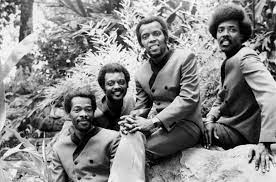
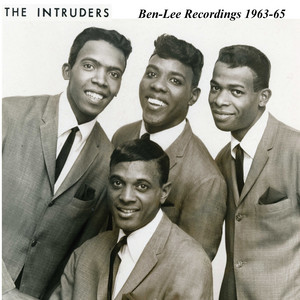
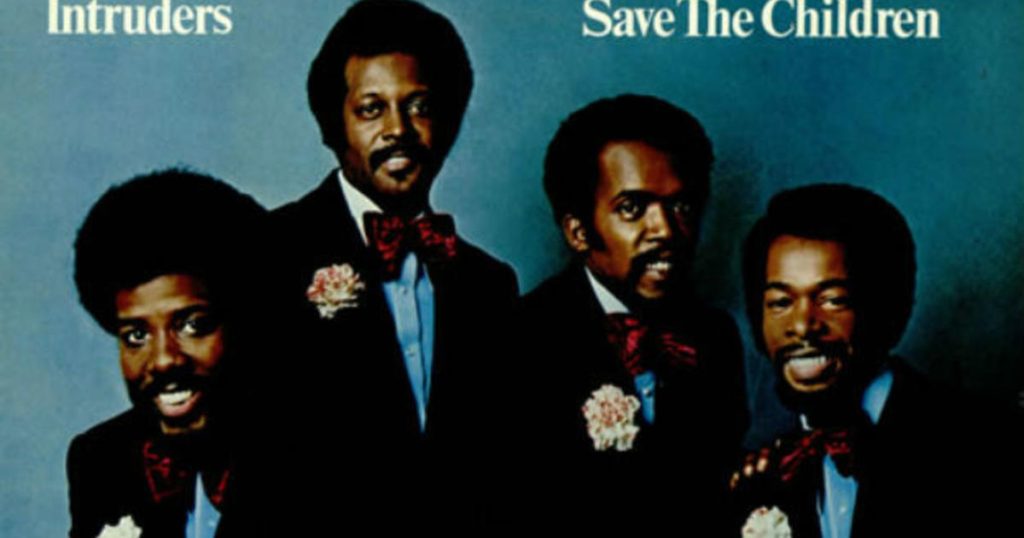
    The Intruders: An American Soul Music Group from Philadelphia

    The Intruders were an influential American soul music group from Philadelphia, Pennsylvania. Emerging in the early 1960s, they significantly shaped the city’s vibrant music scene and contributed to the soul genre’s evolution. Known for their captivating performances and heartfelt vocals, The Intruders left an indelible mark on the music industry.

    the intruders

    Formation of The Intruders in 1960: Philadelphia’s Soulful Sensation

    The group consisted of members Sam “Little Sonny” Brown, Eugene “Bird” Daughtry, Philip “Phil” Terry, and Robert “Big Sonny” Edwards. They are known for their smooth harmonies and soulful vocals.

    The Intruders achieved significant success in the 1960s and 1970s with hits such as “Cowboys to Girls,” “Together,” “I’ll Always Love My Mama,” and “Love Is Like a Baseball Game.” They were signed to the Gamble and Huff’s Philadelphia International Records label, where they contributed to the “Philly Sound” and became an integral part of the Philadelphia soul music scene.

    The year 1960 marked The Intruders’ formation, which quickly gained recognition as a soulful sensation in Philadelphia. Coming together as a group, they embarked on a journey that would lead to remarkable success and widespread acclaim. Their early days were characterized by honing their craft and developing a unique sound that would set them apart from other artists of the time.

    Smooth Harmonies and Soulful Vocals: A Signature Sound

    One of the defining characteristics of The Intruders’ music was their smooth harmonies and soulful vocals. Their ability to blend their voices seamlessly created a rich, captivating sound resonating with audiences. Whether delivering heartfelt ballads or energetic tracks, The Intruders’ vocal performances were marked by emotion, depth, and a distinctive soulful quality that became their trademark.

    Success in the 1960s and 1970s: Hits and Chart-Toppers

    The Intruders experienced significant success during the 1960s and 1970s, with several hits and chart-topping singles. Songs such as “Cowboys to Girls,” “Together,” “I’ll Always Love My Mama,” and “Love Is Like a Baseball Game” became fan favorites and received widespread acclaim. These tracks showcased the group’s versatility and ability to tackle different musical styles while maintaining their soulful essence.

    Signing with Gamble and Huff’s Philadelphia International Records: The Philly Sound Connection

    A pivotal moment in the group’s career came with their signing to Gamble and Huff’s Philadelphia International Records. The label was at the forefront of the “Philly Sound,” a distinct subgenre of soul music characterized by its lush arrangements and polished production. Collaborating with renowned producers Kenny Gamble and Leon Huff allowed The Intruders to refine their sound and release some of their most memorable and successful music.

    Influence on the Philadelphia Soul Music Scene

    As key contributors to the Philadelphia soul music scene they indelibly impacted the genre. Their soulful sound and unique approach to harmonies influenced other artists and helped shape the distinctive Philadelphia sound. The Intruders’ success and contributions solidified their place as influential figures within the soul music landscape and earned them a dedicated fan base.

    Heartfelt Performances and Meaningful Themes

    The Intruders’ music is a journey into heartfelt performances and meaningful themes. Their songs are delivered with deep emotion, capturing the essence of love, relationships, and social issues. Through their music, The Intruders touch the hearts and minds of listeners, evoking powerful emotions and connecting on a profound level. Whether through soulful ballads or energetic tracks, their performances are marked by sincerity and a genuine expression of the human experience.

    Recognizing The Intruders’ Impact: Influential Figures in R&B and Soul Music

    The Intruders are widely recognized as influential figures in R&B and soul music. Their contributions to the genre have left a lasting impact and have influenced subsequent generations of artists. With their smooth harmonies, soulful vocals, and innovative approach to music, The Intruders helped shape the landscape of R&B and soul. Their artistry and creativity have earned them respect and admiration within the music industry.

    Discography Highlights: Cowboys to Girls, I’ll Always Love My Mama and More

    The Intruders’ discography boasts several standout tracks that have become timeless classics. “Cowboys to Girls” is one of their most well-known hits, a soulful and melodic song that showcases their harmonies and catchy hooks. Another notable track is “I’ll Always Love My Mama,” a heartfelt tribute to mothers that resonates with audiences today. These songs represent the depth and quality of The Intruders’ catalog, which is filled with memorable performances and soulful gems.

    Some of The Intruders’ Biggest Hit Songs

    “Cowboys to Girls” (1968): This popular hit song reached #6 on the Billboard Hot 100 chart. It features the group’s signature harmonies and infectious rhythm, becoming one of their most recognized and successful songs.

    “I’ll Always Love My Mama” (1973): Released in 1973, this soulful ballad pays tribute to the unconditional love and appreciation for mothers. It became a top 10 hit on the R&B charts and remains a beloved classic.

    “Together” (1967): Released in 1967, “Together” is a heartfelt love song that showcases The Intruders’ smooth vocal harmonies. It became their first charting single and helped establish their presence in the music scene.

    “(Win, Place or Show) She’s a Winner” (1968): This uptempo track was released in 1968 and reached #14 on the Billboard Hot 100 chart. It is a lively and energetic song that captures the group’s dynamic performance style.

    “Love Is Like a Baseball Game” (1968): Released in 1968, this song draws an analogy between love and a baseball game. It incorporates catchy melodies and clever lyrics, showcasing The Intruders’ versatility and creativity.

    “When We Get Married” (1970): This soulful ballad, released in 1970, is a heartfelt expression of love and commitment. It became one of The Intruders’ biggest hits, reaching #8 on the Billboard Hot 100 chart.

    “Friends No More” (1974): Released in 1974, this song delves into the complexities of friendships and the challenges that can arise. It combines The Intruders’ soulful sound with introspective lyrics, offering a reflective perspective.

    “Slow Drag” (1970): This seductive and romantic song was released in 1970. It showcases The Intruders’ smooth vocal delivery and captures the essence of a slow, intimate dance.

    “A Nice Girl Like You” (1968): Released in 1968, this track is a playful and upbeat song that explores the attraction to a nice girl. It incorporates catchy melodies and showcases the group’s ability to create infectious tunes.

    “United” (1966): This song, released in 1966, exemplifies The Intruders’ early sound and style. It features their soulful harmonies and showcases their talent as a vocal group.

    Conclusion

    The Intruders were an iconic American soul music group from Philadelphia that significantly impacted the music industry. With their smooth harmonies, soulful vocals, and heartfelt performances, they captured the essence of love, relationships, and social issues. The Intruders’ success in the 1960s and 1970s, along with their chart-topping hits such as “Cowboys to Girls,” “I’ll Always Love My Mama,” and “Love Is Like a Baseball Game,” solidified their place in music history.

    Signing with Gamble and Huff’s Philadelphia International Records allowed The Intruders to refine their sound and contribute to the “Philly Sound,” shaping the unique Philadelphia soul music scene. Their influence on R&B and soul music is widely recognized, and their contributions have left a lasting impact on subsequent generations of artists.

    The Intruders’ discography is filled with standout tracks that have become timeless classics. Songs like “Cowboys to Girls” and “I’ll Always Love My Mama” showcase their signature harmonies and heartfelt performances. These highlights exemplify the depth and quality of The Intruders’ catalog, which continues to resonate with audiences today.

    Overall, The Intruders’ soulful sound, innovative approach to music, and meaningful themes have cemented their legacy as influential figures in American soul music. Their music remains a testament to the power of heartfelt performances and the enduring impact of soulful vocals. The Intruders will forever hold a special place in the hearts of fans and continue to inspire future generations of musicians.

  • Top 10 Great Black Stand Up Comedy Specials

    In stand up comedy, a powerful and influential tradition has resonated with audiences across generations.

    These remarkable performers have used their raw and unfiltered voices to tackle social issues, challenge norms, and bring laughter to the masses.

    stand up comedy, katt williams, stand-up
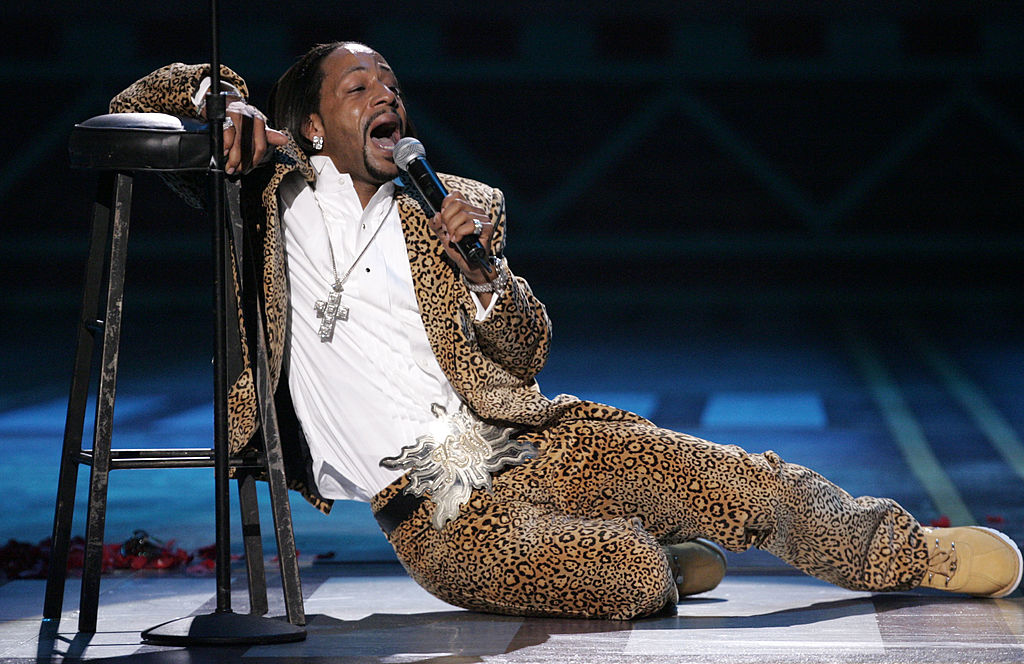
    PASADENA, CA – SEPTEMBER 25: Singer Katt Williams performs onstage at the 2005 BET Comedy Icon Awards at the Pasadena Civic Auditorium on September 25, 2005 in Pasadena, California. (Photo by Vince Bucci/Getty Images)

    From the groundbreaking moments of Richard Pryor’s raw and honest performance in 1979, where he fearlessly explored topics like race and addiction, to Eddie Murphy’s energetic and boundary-pushing special in 1983, which solidified his status as one of the greatest comedians of his generation, the stage has witnessed true comedic brilliance.

    Chris Rock fearlessly delved into controversial topics with his stand up comedy, challenging societal norms with his incisive wit and provocative insights. Dave Chappelle captured audiences worldwide with his masterful storytelling and witty insights into cultural and political matters.

    Bernie Mac’s larger-than-life persona and authentic storytelling style shone as he found humor in everyday situations. Kevin Hart’s high-energy performance and relatable storytelling propelled him to superstar status.

    These are just a few examples of the immense talent that has graced the stage. Comedians have fearlessly tackled sensitive subjects, navigating the landscape of politics, race, and sexuality with sharp insights and unapologetic delivery.

    Their ability to combine thought-provoking commentary with uproarious punchlines showcases their brilliance as comedians and establishes them as trailblazing voices in the industry.

    Stand-up comedy has provided a platform for these talented individuals to share their unique perspectives, providing a lens through which audiences can reflect on society and themselves. From intimate reflections on personal struggles to thought-provoking explorations of race, politics, and social justice, these performances have left an indelible mark on the world of comedy.

    As we celebrate the legacy of these comedic legends, let us cherish the timeless classics they have bestowed upon us. Their ability to blend humor with vulnerability and connect deeply with audiences continues to resonate, solidifying their status as some of the greatest comedians of all time.

    So, sit back, relax, and prepare to embark on a journey of laughter, introspection, and pure comedic genius.

    Richard Pryor: Live in Concert” (1979)

    Richard Pryor’s raw and honest performance tackling social issues and personal experiences remains a timeless classic when it comes to this legend’s stand up comedy.

    Pryor’s ability to effortlessly blend storytelling, social commentary, and impeccable timing made this special a groundbreaking moment in stand-up comedy history. With his candid and unfiltered approach, Pryor fearlessly explored topics like race, drug addiction, and relationships, connecting with audiences on a deeply relatable level.

    Eddie Murphy: Delirious” (1983)

    Eddie Murphy’s stand up comedy has always been energetic and boundary-pushing special propelled him to superstardom with his hilarious observations and unforgettable characters.

    Murphy’s infectious charisma, animated storytelling, and impeccable comedic timing captivated audiences from start to finish. From his iconic routines about childhood experiences to his raunchy but uproarious jokes, “Delirious” showcased Murphy’s comedic genius and solidified his status as one of the greatest comedians of his generation.

    Chris Rock: Bring the Pain” (1996)

    Chris Rock’s sharp and thought-provoking commentary on race, relationships, and society solidified his status as a comedic powerhouse. In “Bring the Pain,” Rock fearlessly delved into controversial topics, challenging societal norms with his incisive wit and provocative insights.

    The stand up comedy special is renowned for Rock’s iconic bits on politics, interracial relationships, and the differences between men and women, establishing him as a comedian unafraid to tackle complex issues head-on.

    Dave Chappelle: Killing Them Softly” (2000)

    Dave Chappelle’s masterful storytelling and witty insights into cultural and political matters made this special a fan favorite.

    Chappelle’s laid-back yet commanding stage presence and intelligent and thought-provoking stand-up, captivated audiences worldwide. From his observations on race relations to his musings on everyday life, Chappelle’s ability to seamlessly blend social commentary with laugh-out-loud moments made “Killing Them Softly” an instant classic.

    Bernie Mac: I Ain’t Scared of You” (2002)

    The late Bernie Mac’s stand up comedy was unique delivery and larger-than-life persona shine in this special, showcasing his stand-up ability to find humor in everyday situations.

    With his charismatic stage presence and unapologetic approach, Mac fearlessly shared personal anecdotes and hilarious takes on family dynamics, earning him a devoted fan base. His memorable catchphrases and authentic storytelling style made “I Ain’t Scared of You” a testament to his comedic talent.

    Kevin Hart: Laugh at My Pain” (2011)

    Kevin Hart’s stand up comedy has always been high-energy stand-up performance and relatable storytelling made this special a breakout success, catapulting him to superstar status.

    In “Laugh at My Pain,” Hart’s animated and self-deprecating humor resonated with audiences as he fearlessly delved into his personal life, relationships, and insecurities. Hart’s ability to connect with his audience on an emotional level while delivering non-stop laughter solidified his reputation as one of the most popular comedians of his generation.

    Chris Rock: Bigger & Blacker” (1999)

    Stand up comedy is no stranager to vet Chris Rock, while the infamous Will Smith and Chris Rock slap has become synonymous with his name, he still reigns suprememe as one of the best black stand up comedians. Chris Rock’s second HBO special features his trademark social commentary and razor-sharp humor, making it a standout in his career. With his no-holds-barred approach, Rock tackled sensitive topics in the stand up special, like race, gun control, and politics with a mix of intelligence and comedic flair.

    His ability to infuse thought-provoking insights with uproarious punchlines showcased his brilliance as a comedian and cemented his status as a comedic legend.

    One of Katt Williams’ most acclaimed stand-up comedy shows is “The Pimp Chronicles Pt. 1” (2006).

    This special catapulted Williams to mainstream success and solidified his reputation as one of the top comedians of his time. Filmed in Atlanta, Georgia, the show features Williams at the peak of his comedic prowess, delivering a relentless and hilarious performance.

    In “The Pimp Chronicles Pt. 1,” Williams covers a wide range of topics, including his personal life, social issues, and his unique perspective on the world.

    His animated storytelling, rapid-fire delivery, and sharp wit captivate the audience from start to finish. With his charismatic stage presence and unfiltered humor, Kat Williams delivers a memorable and highly entertaining performance in “The Pimp Chronicles Pt. 1,” making it one of his best stand-up comedy shows to date.

    Wanda Sykes: I’ma Be Me” (2009)

    Wanda Sykes’ bold and fearless style shines in this special, where she fearlessly tackles topics like politics, race, and sexuality. Sykes’ unique perspective and unapologetic stand-up delivery make her a standout comedian in the industry.

    In “I’ma Be Me,” she fearlessly shares her views on the current political landscape, offering sharp insights and hilarious commentary. Sykes’ ability to navigate sensitive subjects with wit and intelligence showcases her comedic brilliance and establishes her as a trailblazing voice in comedy.

    Richard Pryor: Live on the Sunset Strip” (1982)

    Richard Pryor‘s raw and intimate performance, reflecting on his personal struggles and experiences, solidifies his legacy as a comedy legend. Pryor’s ability to blend humor with vulnerability allows him to connect deeply with his audience.

    In “Live on the Sunset Strip,” Pryor delves into his personal battles with addiction, relationships, and fame, offering a candid and unfiltered glimpse into his life. With his masterful storytelling and unmatched stage presence, Pryor delivers a performance that continues to resonate with audiences and cements his status as one of the greatest comedians of all time.

    Dave Chappelle: Equanimity & The Bird Revelation” (2017)

    Dave Chappelle’s two-part Netflix special showcases his masterful storytelling and thought-provoking social commentary, earning critical acclaim.

    Chappelle’s ability to tackle sensitive and controversial topics with both humor and depth sets him apart as a comedic genius. In “Equanimity & The Bird Revelation,” Chappelle explores issues such as race, politics, and social justice, weaving together personal anecdotes and societal observations in this stand-up special.

    His thought-provoking insights, combined with his unrivaled comedic timing, create an unforgettable viewing experience that solidifies Chappelle’s reputation as one of the most influential comedians of our time.

  • Gil Scott Heron’s Hip-Hop Legacy

    Gil Scott-Heron (April 1, 1949 – May 27, 2011) was an American poet, musician, and author. He was known for his unique blend of spoken word poetry, soul, jazz, and blues music, often addressing social and political issues in his work. Scott-Heron’s most famous composition is the spoken word piece “The Revolution Will Not Be Televised,” which became an anthem for the civil rights and black power movements of the 1960s and 1970s.

    gil scott-heron
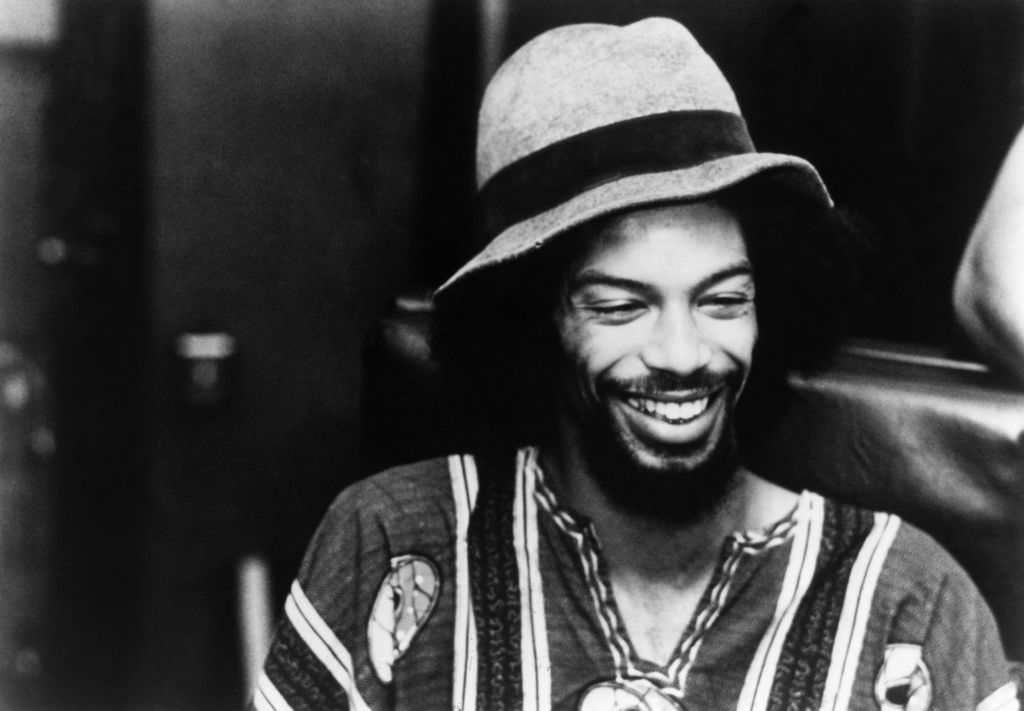
    Musician and poet Gil Scott-Heron performs onstage in circa 1974. (Photo by Michael Ochs Archives/Getty Images)

    Born in Chicago, Illinois, Scott-Heron was raised primarily in Tennessee and New York City. He attended Lincoln University in Pennsylvania, where he met musician Brian Jackson, with whom he collaborated extensively throughout his career. In 1970, they released their first album, “Small Talk at 125th and Lenox,” featuring Scott-Heron’s influential spoken word style.

    Scott-Heron’s music and poetry often explored themes of racism, inequality, and social justice. He used his art as a means of commentary and critique, and his work profoundly impacted subsequent generations of artists, particularly in the realm of hip-hop music. His style of blending poetry and music laid the foundation for the spoken word movement.

    Throughout his career, Scott-Heron released numerous albums, including “Pieces of a Man” (1971), “Winter in America” (1974), and “The Revolution Will Not Be Televised” (1974). He continued to create music and perform until he died in 2011. Gil Scott-Heron’s contributions to music and poetry earned him the title of “the godfather of rap”. They cemented his legacy as a significant figure in African-American culture and activism.

    “The Revolution Will Not Be Televised” – This iconic spoken word piece is one of Scott-Heron’s most famous compositions, delivering a powerful critique of media and consumer culture. The Revolution Will Not Be Televised” is a renowned and iconic phrase coined by Heron.

    It originated from his spoken word piece of the same name, which has become one of his most famous compositions. The phrase and the accompanying poem gained significant popularity during the civil rights and black power movements of the 1960s and 1970s. It served as an anthem and rallying cry for those fighting against racial inequality and social injustice.

    “The Revolution Will Not Be Televised” delivers a powerful critique of the media and consumer culture, challenging the notion that significant social and political changes can be neatly packaged and broadcasted through mainstream media channels. It highlights the need for active participation, grassroots movements, and genuine engagement to transform society.

    The poem employs a vibrant and rhythmic spoken word style, accompanied by jazz and soul-infused music, characteristic of Gil Scott-Heron’s artistic approach. It showcases his ability to merge poetry and music to convey powerful messages and engage listeners in thought-provoking social commentary.

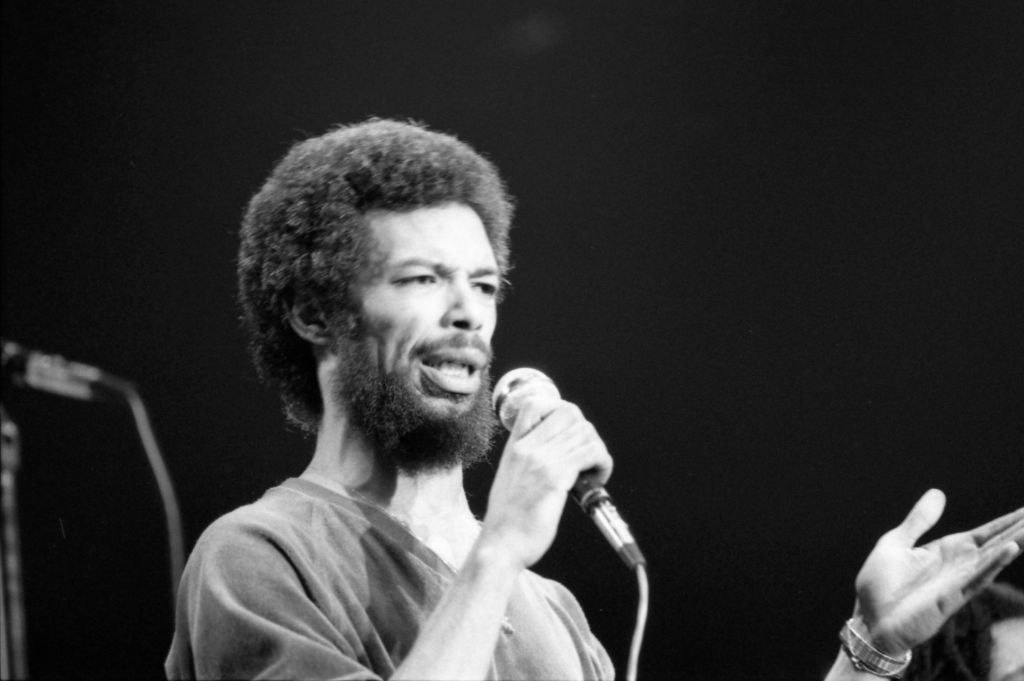
    Musician Gil Scott-Heron performed onstage in 1977 in Atlanta, Georgia. (Photo by Tony Murphy/Michael Ochs Archives/Getty Images)

    Overall, “The Revolution Will Not Be Televised” represents the spirit of activism and the call for individuals to stand against injustice. It has endured as a timeless expression of resistance, a reminder that true change requires active involvement, and a rejection of passive consumption.

    “Winter in America” – The title track from his 1974 album, this introspective song reflects on social and political issues prevalent at the time.

    “Home Is Where the Hatred Is” – A haunting and poignant song that addresses drug addiction and the struggles faced by individuals in marginalized communities.

    “Lady Day and John Coltrane” – This tribute to jazz legends Billie Holiday and John Coltrane showcases Scott-Heron’s appreciation for their musical contributions.

    “The Bottle” – A soulful and groovy track that delves into the themes of alcoholism and escapism.

    “Pieces of a Man” – The title track from his 1971 album, this introspective song explores identity and the challenges faced by African Americans in society.

    “Whitey on the Moon” – A satirical and scathing critique of racial inequality and the prioritization of space exploration over social issues.

    “Angel Dust” – This thought-provoking song delves into the impact of drugs on individuals and communities, shedding light on the struggles faced by addicts.

    “Johannesburg” – A collaboration with Hugh Masekela, this vibrant and rhythmic track protests against apartheid in South Africa.

    “We Almost Lost Detroit” – Inspired by the partial meltdown of the Fermi 1 nuclear reactor near Detroit in 1966, this song highlights the dangers of nuclear power and its potential consequences.

    These songs represent just a fraction of Gil Scott-Heron’s extensive discography but showcase his poetic brilliance, social consciousness, and musical versatility.

    Gil Scott-Heron faced several challenges throughout his life and career. Here are some of the key challenges he encountered:

    Substance Abuse: Scott-Heron struggled with drug addiction, particularly cocaine. His addiction affected his personal life and career, leading to periods of instability and legal troubles.

    Legal Issues: Scott-Heron faced legal challenges related to drug possession and other charges. These legal issues had a significant impact on his career and personal life.

    Political Opposition: Scott-Heron faced opposition and criticism from those who disagreed with his views due to his outspoken nature and the politically charged nature of his work. His activism and socially conscious lyrics often made him a target for authorities and conservative critics.

    Financial Difficulties: Despite his talent and influence, Scott-Heron faced financial struggles throughout his career. He encountered issues with record labels, poor management, and mismanagement of funds, which contributed to financial instability.

    Personal Loss: Scott-Heron experienced personal loss, including the death of close friends and fellow musicians. The death of his long-time collaborator and pianist, Brian Jackson, in 1989 profoundly impacted him.

    Despite these challenges, Scott-Heron continued to create powerful and influential music, impacting the world of music, poetry, and activism. His ability to confront and address these challenges through his art remains an important part of his legacy.

    Gil Scott-Heron’s music and artistry have influenced numerous artists across different genres. Here are some notable musicians and artists who his work has influenced:

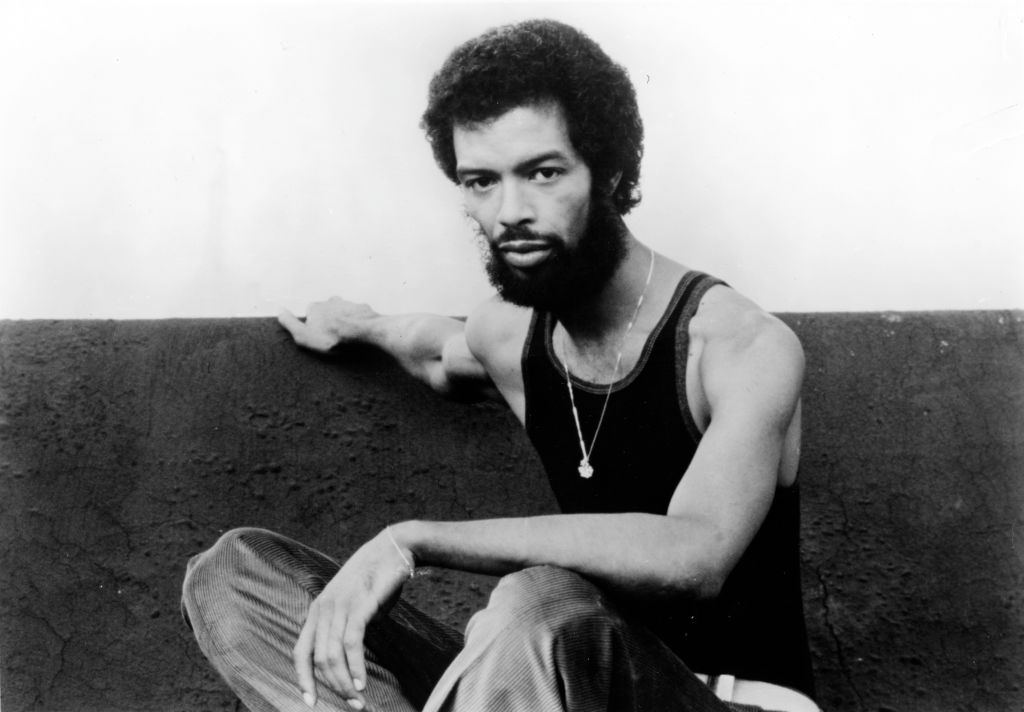
    UNSPECIFIED – JANUARY 01: Photo of Gil SCOTT-HERON; Posed portrait of Gil Scott Heron (Photo by Echoes/Redferns)

    Common: The Grammy-winning rapper has cited Gil Scott-Heron as one of his biggest influences, particularly in his socially conscious lyrics and fusion of spoken word and music.

    Kendrick Lamar: Lamar, a highly acclaimed rapper and Pulitzer Prize winner, has acknowledged Gil Scott-Heron as a significant influence on his music, specifically citing the album “Pieces of a Man” as a source of inspiration.

    Kanye West: West, a prominent figure in hip-hop, has referenced Gil Scott-Heron’s work in his own music and has expressed admiration for his poetic style and social commentary.

    Erykah Badu: The neo-soul singer has expressed her appreciation for Gil Scott-Heron’s music, acknowledging him as a profound influence on her artistic journey.

    The Last Poets: Often considered pioneers of the spoken word and poetry movement, The Last Poets drew inspiration from Gil Scott-Heron’s fusion of poetry and music.

    Jill Scott: The Grammy-winning R&B and soul singer-songwriter has acknowledged Gil Scott-Heron’s impact on her music, particularly regarding his lyrical depth and social consciousness.

    Talib Kweli: The acclaimed rapper and social activist has expressed his admiration for Gil Scott-Heron’s artistry and highlighted his influence on his musical and lyrical style.

    Lupe Fiasco: Fiasco, known for his introspective and thought-provoking lyrics, has cited Gil Scott-Heron as one of his influences, particularly regarding his ability to address social and political issues through music.

    Gil Scott-Heron, born on April 1, 1949, was an American poet, musician, and author known for his powerful blend of spoken word poetry and music. His iconic composition “The Revolution Will Not Be Televised” became a rallying cry for the civil rights and black power movements of the 1960s and 1970s. Born in Chicago and raised in Tennessee and New York City, Scott-Heron attended Lincoln University, where he met collaborator Brian Jackson. Together, they released their first album, “Small Talk at 125th and Lenox,” in 1970, showcasing Scott-Heron’s influential spoken word style.

    Scott-Heron’s music and poetry tackled themes of racism, inequality, and social justice, significantly influencing subsequent generations of artists, particularly in hip-hop music. His ability to blend poetry and music laid the foundation for the spoken word movement. Throughout his career, Scott-Heron released numerous albums, including “Pieces of a Man” (1971), “Winter in America” (1974), and “The Revolution Will Not Be Televised” (1974).

    Despite facing challenges such as substance abuse, legal issues, political opposition, financial difficulties, and personal loss, Scott-Heron continued to create impactful music that resonated with audiences. His contributions to music and poetry earned him the title of “the godfather of rap” and solidified his place as a significant figure in African-American culture and activism.

    Scott-Heron’s influence extended to a wide range of artists. Notable musicians such as Common, Kendrick Lamar, Kanye West, Erykah Badu, The Last Poets, Jill Scott, Talib Kweli, and Lupe Fiasco have all been influenced by his work. His legacy continues to inspire artists and activists alike.

    Gil Scott-Heron’s discography boasts a vast collection of powerful and thought-provoking songs. Some of his notable tracks include “The Revolution Will Not Be Televised,” “Winter in America,” “Home Is Where the Hatred Is,” “Lady Day and John Coltrane,” “The Bottle,” “Pieces of a Man,” “Whitey on the Moon,” “Angel Dust,” “Johannesburg,” and “We Almost Lost Detroit.”

    Gil Scott-Heron’s artistic journey and contributions left an indelible mark on music, poetry, and activism. His fearless exploration of social and political issues and his innovative blend of spoken word and music made him a trailblazer and an inspiration for future generations.

  • Vintage Cereal Commercials Revisited

    If you were lucky enough to grow up in the 60s and 70s, you remember two things; Saturday morning cartoons all morning and going to the grocery store and heading to the aisle loaded with cereals, which was probably your favorite aisle as a kid.

    There were many different kinds of cereal to choose from, and as kids, we were well-programmed from the Saturday morning cartoons on what we (thought we) wanted to put into the cart. 

    cereals, commericals, apple jacks
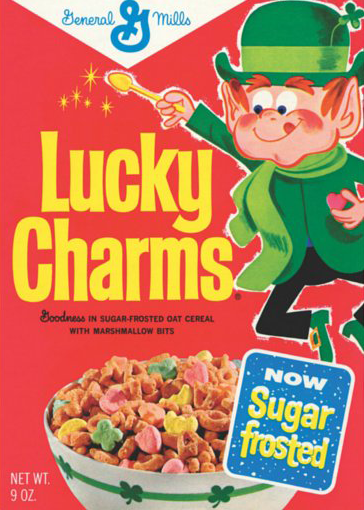
    Lucky Charms 70s Cereal Box, apple jacks, commercials

    The marketing for cereal in the 60s and 70s was ingenious because not only did they bombard the cartoons with commercials that were also cartoons for the cereal, but they also had characters that were spokespersons for the cereals, like Toucan, Sam, Cap’n Crunch, the Trix rabbit, Tony, the Tiger and more. It was like a run-on cartoon all morning with intentional subliminal programming to get kids to want to try that cereal being advertised. Unlike today, the commercials were just as entertaining as the cartoons.

    Ironically, If you talk to anyone that grew up in the 60s and 70s, they will tell you, “Mmm, hmm, back in my day when I was a kid, we used to fly out the door early in the morning and run and play all day long. And your mother would come to the door and yell out your name before dark, or if she needed you for something, one of your friends would tell you, ‘Your mother’s calling you!’ That was our cell phone.”

    All of this is the absolute truth, but we played and ran all day for one reason … we were HIGH from the sugar caused by the breakfast cereals we ate. Of course, we were completely unaware of this at the time, and we just thought we were loaded with energy when we busted outside the door each morning, running through the neighborhood bouncing off the walls, cars, and streets.

    Unfortunately, by the time the 80s rolled around and Crack was introduced to the black community. Those days were gone. Kids didn’t play together anymore, and it was much safer to stay in the house. Kids born in the 80s and 90s and after will never know what it was like when we grew up in the 60s and 70s. Even today, technology has taken over, and kids today won’t know what it’s like to experience Sat mornings (the commercials still run) watching commercials, cartoons and playing outside. Those were absolutely some fun times. 

    On a lighter note, I want to talk about some of the breakfast cereals that many of us grew up on and which are the best and which were the worst. Let me know if you remember these cereals.

    Frosted Flakes

    Frosted flakes weren’t bad, but they were very sweet, and they were actually a better version of cornflakes. On a scale of one to 10, I will get frosted flakes and 8. I’m sure everybody remembers this cereal being very heavily marketed in the 70s with the cartoon spokesman “Tony the Tiger” and his famous line “Theeeeeeeeere Greaaaaaaaaat.” 

    Lucky Charms

    Lucky Charms used a leprechaun as a cartoon character, which was probably racist in today’s terms, as a spokesperson for the cereal. Of course, as kids, we didn’t know what a leprechaun was, but most of us remember the Lucky Charms motto. It was corny, but it was pretty funny.

    “Frosted Lucky Charms, they’re magically delicious!” What the hell did that mean? Regarding quality, Lucky Charms was confusing. It was crunchy with these nasty marshmallowy soft things. It wasn’t a good combination; it wasn’t something you craved and didn’t blend well with milk. It was usually something you ate once and never asked for another box. On a scale of one to 10, I give us a 2 but a 6 if you include the great marketing.

    Cocoa Puffs

    Who doesn’t remember the famous line “I’m Cookoo for Cocoa puffs”? While they had a great ad campaign, the cereal was not great. It had a bland taste like Coco, but there was never enough sugar, and you didn’t want to put sugar in it. It was just not a great cereal. On a scale of one to 10, I’ll give this one a 3.

    Froot Loops

    “Just Follow Your Nose, it always knows the flavor of fruit wherever it grows” Toucan Sam was a spokesperson for Froot Loops. I remember the cereal was very sweet, and it was OK, but once again, it wasn’t something that you craved or desire a second bowl, but it was pretty good on a scale of one to 10. I’ll give us want to 8.

    Cap’n Crunch and Crunch Berries

    “Cap’n Crunch stays crunchy even in milk!” That was true. Cap’n Crunch’s spokesperson was a ship’s captain, Cap’n Crunch was basic. It was alright, but Crunch Berries were even better. But the berries were way too sweet, but it was better than Cap’n Crunch by itself or the other spin-offs that flopped like the Peanut Butter version. Also, if you ate it too fast, you could easily cut up your mouth because the edges were sharp. On a scale of 1 to 10 and get this one a nine. It had a great taste.

    Apple Jacks

    “A is for apple, J is for Jacks” Kellog’s Apple Jacks had an acquired taste. I don’t remember a spokesperson for Apple Jacks. The cereal wasn’t bad, but it wasn’t that great. Either you loved it, or you hated it, but it wasn’t something that most people craved or that you saw in a lot of houses in the hood. On a scale of one to 10 I give it a 5.

    Corn Flakes

    I hated cornflakes. They were very bland, and you had to put a ton of sugar on them to get any taste out of them, and if you left them sitting in the milk for one minute, they became soggy and nasty, but you saw it in every house in the ghetto. Everybody had Corn Flakes, and it was a staple, along with Wonder Bread, Crisco oil, Oreo’s, and Colt 45. This was a hood favorite, so I’m sure people will give it a much higher score, but I give it a 2. Ironically, not only did you see it and all the houses in the hood, but you always saw the real big boxes.

    Count Chocula

    This cereal was really bad. I remember they had Count Chockula, a vampire, as the spokesperson for the cereal, and it was god-awful, the worst on the entire list. This was the worst cereal of all. Did I mention it was bad? On a scale of one to 10, I give it 2

    Trix

    Another famous line for this cereal was “Silly Rabbit, Trixs are for kids” Who can’t remember that he was raised in the 70s? This cereal was good and one of my favorites besides Crunch Berries. I had just enough sugar A good taste and it was manageable, and just enough flavor. On a scale of one to 10? I’ll give us a 10.

    Rice Krispies

    “Snap, Crackle, Pop Rice Krispies.” Rice Krispies are only good for one thing Rice Crispy Treats. Otherwise, it was the most bland, boring cereal on the planet. Once again, you had to add a lot of sugar to get any taste out of it, and it just wasn’t that good. It was like eating crispy air. It had no flavor, and you had to have a second bowl to feel full.

    It was so light. This was the cereal that was the last box left in the cabinet that nobody wanted, and you only eat it because it was the last one left on a scale of one to 10. I get this a three.

    This commercial even pushed Rice Krispies at night

    Corn Pops

    Sugar Corn Pops were another weird one. It was like corn kernels but sweet. It was not that good because you can’t imagine sweet corn kernels. I don’t understand the purpose of the cereal, and it could have been better. I don’t remember a spokesperson for this cereal was not that popular, but I do remember seeing commercials for it in the 70s On a scale of one to 10. I give it a 4.

    Frankenberry

    I said Count Chocula was the worst serial on the list, but I forgot its cousins, Frankerry. They both came out around the same time and both tasted like shit. I can’t remember any kid talking about this cereal, and it was certainly something you skipped past when you were looking for cereal to put in a grocery cart. The cereal didn’t last that long. It was so bad that I remember having one bowl in my entire life, and I knew I would never have it again. On a scale of one to 10, I give us a solid 1.

    Honeycomb

    What did they think when they came up with Honeycomb, this cereal was not meant for anyone to eat. It was hard, and I didn’t do well with milk. I remember you could only get one of your mouth at a time, and it was like a rock. It was not enjoyable or tasty, and it was hard to eat. I’m sure I had one bowl of this and never returned.

    Raisin Bran

    “2 Scoops (raisins)” (who cared) The last thing on a kid’s mind is fiber. But if you were raised around old people, they probably gave you this. Raisin Bran was nasty, and it wasn’t sweet enough, and it couldn’t provide the energy that we needed to run it through the neighborhood and bounce off the walls. It shouldn’t even be on this list. It should be on the same list as Oatmeal, but I decided to include it anyway. I’ll give us a three on a scale of one to 10, but as an adult, I’ll give it a 12. Comments?

  • Discover Black YouTube Musicians

    Finding great Youtube Musicians is easy if you’re a fan of great music and love discovering new artists. Check out our pics for these 10 Black musicians on YouTube.

    Alex Isley

    Alex Isley is a singer-songwriter from Los Angeles who has been making waves in the music industry with her soulful and smooth vocals. She comes from a family of musicians, including her father, Ernie Isley of the legendary Isley Brothers. Alex’s music is a blend of R&B, soul, and jazz, and she has released several EPs and albums, including “The Beauty of Everything, Pt. 1” and “Wilton.” Her YouTube channel features live performances, music videos, and behind-the-scenes content, giving fans a glimpse into her creative process.

    If you’re a fan of artists like Erykah Badu and Jill Scott, then you’ll definitely want to check out Alex Isley. Her YouTube channel showcases her talent as one of the rising YouTube musicians, attracting a growing fanbase with her captivating performances and engaging content. Whether she’s delivering intimate acoustic sessions or collaborating with other talented artists, Alex Isley’s YouTube channel is a must-visit destination for music lovers looking to discover fresh and soulful sounds. Alex Isley’s YouTube channel:

    Jacob Collier

    Jacob Collier is a British musician, composer, and producer who has been making waves in the music industry with his unique style and incredible talent. He first gained attention on YouTube, where he posted videos of himself performing intricate arrangements of popular songs using multiple instruments and his own voice. His videos quickly went viral, and he has since collaborated with artists like Quincy Jones, Herbie Hancock, and Hans Zimmer. Jacob’s music is a blend of jazz, pop, and classical influences, and he has released several albums, including “Djesse Vol. 1” and “Djesse Vol. 2.”

    If you’re a fan of innovative and boundary-pushing music, then you definitely need to check out Jacob Collier. Jacob Collier’s rise to prominence as one of the most talented YouTube musicians is a testament to his undeniable musical genius. His YouTube channel serves as a platform for showcasing his extraordinary abilities, mesmerizing viewers with his mind-boggling multi-instrumental performances and breathtaking vocal arrangements.

    Jacob’s innate ability to seamlessly blend genres and create harmonically rich compositions has captivated audiences worldwide. As he continues to push boundaries and redefine the possibilities of music, Jacob Collier’s YouTube channel remains an essential destination for music enthusiasts seeking a truly transformative musical experience.Jacob Collier’s YouTube channel: 

    H.E.R.

    H.E.R.’s journey from YouTube musician to an acclaimed R&B sensation is nothing short of remarkable. Her YouTube channel served as a launching pad for her career, allowing her to connect with audiences through her captivating covers and raw, emotive performances. As her talent and artistry shone through, H.E.R. caught the attention of industry professionals, leading to a record deal and the release of her highly praised projects. With her signature blend of contemporary R&B and heartfelt songwriting, H.E.R. continues to captivate listeners with her soul-stirring music. If you’re seeking a captivating and authentic R&B experience, look no further than H.E.R.’s YouTube channel, where her journey as one of today’s most talented YouTube musicians unfolds before your eyes..

    H.E.R.’s YouTube channel: H.E.R. YouTube

    Tank and The Bangas

    Tank and The Bangas is a New Orleans-based band known for their unique blend of funk, soul, and spoken word poetry. The group gained national attention after winning the NPR Tiny Desk Contest in 2017, and have since released several albums and toured extensively. Led by frontwoman Tarriona “Tank” Ball, the band’s energetic live performances and infectious music have earned them a dedicated fanbase. Check out their YouTube channel for live performances, music videos, and behind-the-scenes content. Their performances showcase why Tank and The Bangas are considered one of the most exciting YouTube musicians of their generation.

    Their YouTube channel is a treasure trove of electrifying live performances that capture the band’s dynamic stage presence and the raw energy they bring to each show. From the groovy basslines to the soulful vocals and thought-provoking lyrics, Tank and The Bangas’ YouTube channel offers a front-row seat to their captivating fusion of genres and poetic storytelling. Whether you’re a fan of funk, soul, or spoken word, exploring Tank and The Bangas’ YouTube channel is a must for music enthusiasts seeking fresh and exhilarating sounds. Youtube channel

    Lucky Daye

    Lucky Daye is a singer-songwriter from New Orleans who has been making waves in the R&B scene with his soulful voice and unique sound. His debut album, “Painted,” was released in 2019 and received critical acclaim, earning him a spot on the coveted XXL Freshman Class list. Lucky Daye’s YouTube channel features music videos, live performances, and behind-the-scenes content, giving fans an intimate look at his creative process. Keep an eye on this rising star as he continues to make his mark on the music industry. Lucky Daye’s rise in the R&B scene as one of the most promising YouTube musicians is undeniable.

    His YouTube channel serves as a platform for fans to immerse themselves in his soulful melodies and distinctive style. Through captivating music videos, electrifying live performances, and exclusive behind-the-scenes content, Lucky Daye’s YouTube channel provides a glimpse into his artistic journey and showcases his immense talent. With his debut album “Painted” garnering critical acclaim and his inclusion in the esteemed XXL Freshman Class, Lucky Daye is a rising star worth keeping an eye on. Subscribe to his YouTube channel to stay connected with the evolving sound and artistic vision of this remarkable musician. Lucky Daye Youtube Channel

    Daniel Caesar

    Daniel Caesar is a Canadian singer-songwriter who has gained a massive following on YouTube. His soulful voice and introspective lyrics have earned him critical acclaim and a loyal fanbase. Some of his most popular songs include “Get You” and “Best Part,” which have millions of views on YouTube. If you’re a fan of R&B and soul music, Daniel Caesar is definitely an artist to check out. You can find his YouTube channel here.

    Brent Faiyaz

    Brent Faiyaz is a rising R&B star who has been making waves on YouTube with his smooth vocals and introspective lyrics. His breakout hit “Crew” has over 200 million views on YouTube and earned him a Grammy nomination. Faiyaz’s music is a blend of classic R&B and modern hip-hop, and his unique sound has earned him a dedicated fanbase. If you’re looking for a new artist to add to your playlist, Brent Faiyaz is definitely worth checking out. You can find his YouTube channel here.

    Anderson.Paak

    Anderson.Paak is a singer, rapper, drummer, and producer who has been making waves in the music industry for years. His unique blend of funk, soul, and hip-hop has earned him critical acclaim and a dedicated fanbase. Paak’s YouTube channel features music videos, live performances, and behind-the-scenes footage that give fans an inside look at his creative process. If you’re looking for an artist who can do it all, Anderson.Paak is definitely worth checking out. You can find his YouTube channel here.

    SZA

    SZA is a singer-songwriter who has been making waves in the R&B scene since her debut album in 2017. Her unique sound blends elements of soul, hip-hop, and alternative R&B, and her lyrics often touch on themes of self-discovery and empowerment. SZA’s YouTube channel features music videos, live performances, and interviews that give fans an inside look at her creative process. With millions of views and a growing fanbase, SZA is definitely a rising star to watch on YouTube. You can find her YouTube channel here.

    Mahalia

    Mahalia is a talented singer-songwriter who has captivated audiences with her soulful voice and heartfelt lyrics. Hailing from the United Kingdom, she has made a name for herself as a rising star in the music industry. Mahalia’s music blends elements of R&B, soul, and pop, creating a unique sound that resonates with listeners. Her YouTube channel features a collection of her music videos, live performances, and behind-the-scenes footage, providing fans with an intimate look into her creative process. If you’re a fan of powerful vocals and authentic storytelling, be sure to check out Mahalia on YouTube.

    Mahalia’s YouTube channel: Mahalia YouTube