Amazon’s 2026 seller conference looks less like a generic event and more like a place for small brands to fix account issues, shop vendors, and test AI tools before launch.
Why this matters for small Amazon sellers
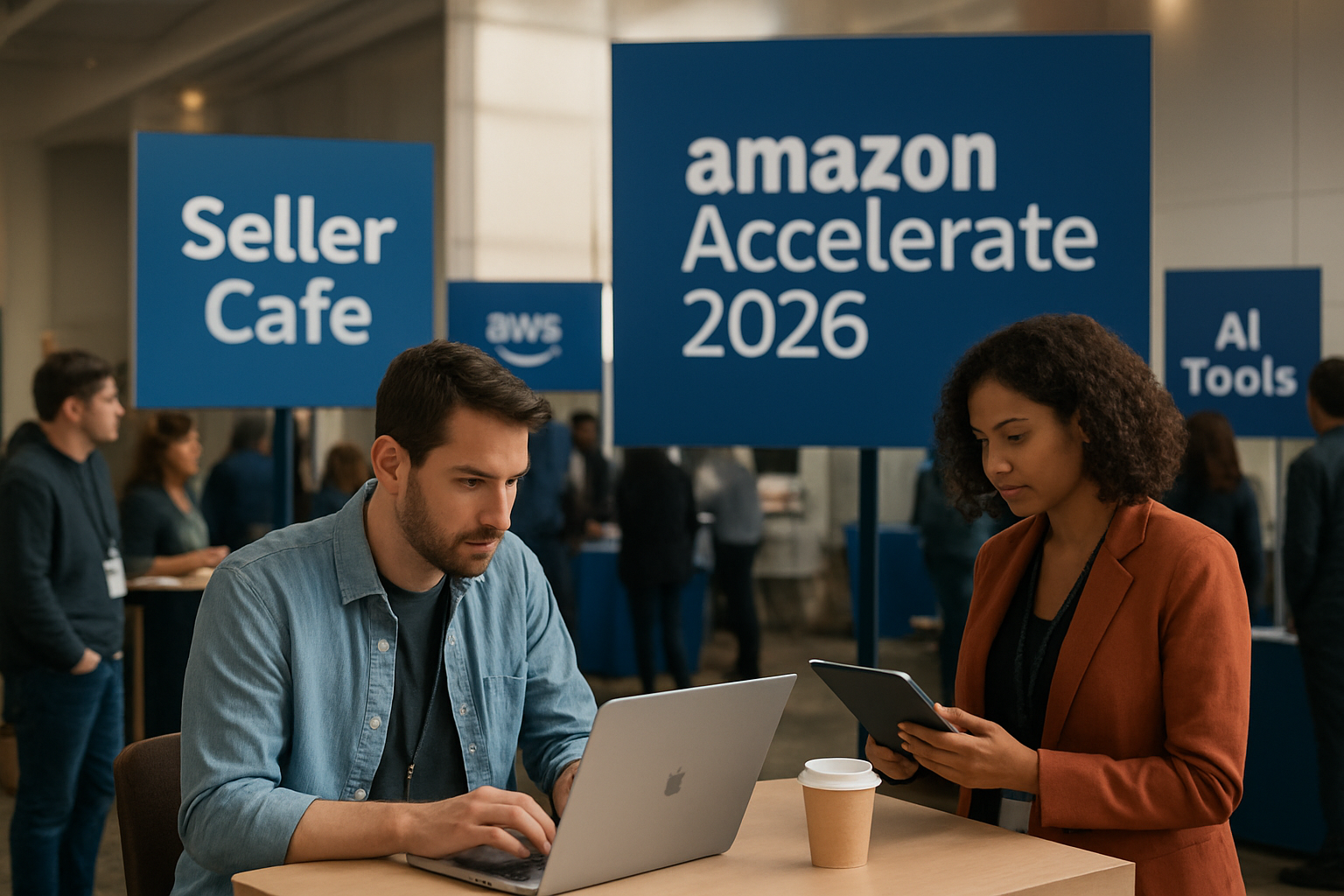
Amazon’s Accelerate 2026 conference is scheduled for September 22–24, 2026 at the Seattle Convention Center, and the strongest business case is not networking for its own sake. Amazon says the event is designed to help sellers grow through personalized support, exclusive content, and community, and it reports that 92.5% of attendees last year said the experience was worth their time. For small e-commerce brands, that matters because the conference is being positioned as a place to solve operational problems, not just hear broad marketplace advice.
The practical angle is seller-ops optimization. Amazon’s research brief says the expanded Seller Café will offer 30-minute one-on-one appointments and walk-up sessions across 50+ categories, including advertising, account health, fulfillment, and brand building. That makes the conference useful for diagnosing margin leaks, policy issues, and bottlenecks that can quietly drain profit. If a seller is paying for ads that are not converting, losing time to account problems, or struggling with fulfillment decisions, this is the kind of setting where tailored guidance could save money and reduce risk.
Seller Café and Partner Connect are the real utility
Amazon says sellers can use Seller Café for tailored advice, solving specific problems, and optimizing operations or exploring new programs. That is a concrete opportunity for owners who usually do not have in-house marketplace specialists. A single appointment could help a lean brand pressure-test its ad spend, review account health issues, or identify a fulfillment workflow that is costing too much.
The expanded Partner Connect area is also relevant as a vendor-discovery channel. Amazon says it will include more programs and service providers, which could help sellers find outside tools and agencies for ads, logistics, creative, analytics, and account management. For a small business, that turns the conference into a procurement event as much as an education event. It may be a place to replace internal labor with software, compare agency options, or find a better-priced service provider.
The AI hook is prelaunch testing, not hype
The clearest AI opportunity is the Innovation Hub. Amazon says sellers will be able to test new Amazon tools before they launch and give direct feedback to product teams. The company also says the 2026 event will include interactive AI experiences and ready-to-use AI capabilities across sessions and demos. That does not mean Amazon has announced a specific new AI product for sellers, but it does suggest attendees may see workflows that could later reduce manual work in listing creation, customer service, ad creative, or operations.
For BizTipper readers, the value is in getting early exposure to tools that may lower labor costs or improve speed before competitors adopt them. If a seller can automate part of listing management, speed up campaign setup, or reduce repetitive support tasks, that can free up time for higher-value work like product sourcing, pricing, and customer acquisition.
What small sellers should do before booking
Amazon’s own event framing suggests the highest-value benefits will require preparation. Seller Café appointments are limited, the conference is in person in Seattle, and the best outcomes likely depend on booking the right sessions and arriving with specific problems to solve. Sellers should treat the event like a working trip: bring account issues, ad questions, fulfillment pain points, and vendor needs, not just a general interest in marketplace trends.
Amazon also notes that a Professional selling account costs $39.99 per month plus selling fees, which matters for budgeting if a business is still deciding whether to participate in Amazon’s seller ecosystem. The broader takeaway is simple: Accelerate 2026 looks like a chance for small e-commerce brands to improve margins, shop for vendors, and get hands-on with new AI tools before launch. For sellers already operating on thin margins, that combination is more useful than a standard conference agenda.