Author: kevin

  • 10 Black Artists Who Were Also Songwriters for Other Artists

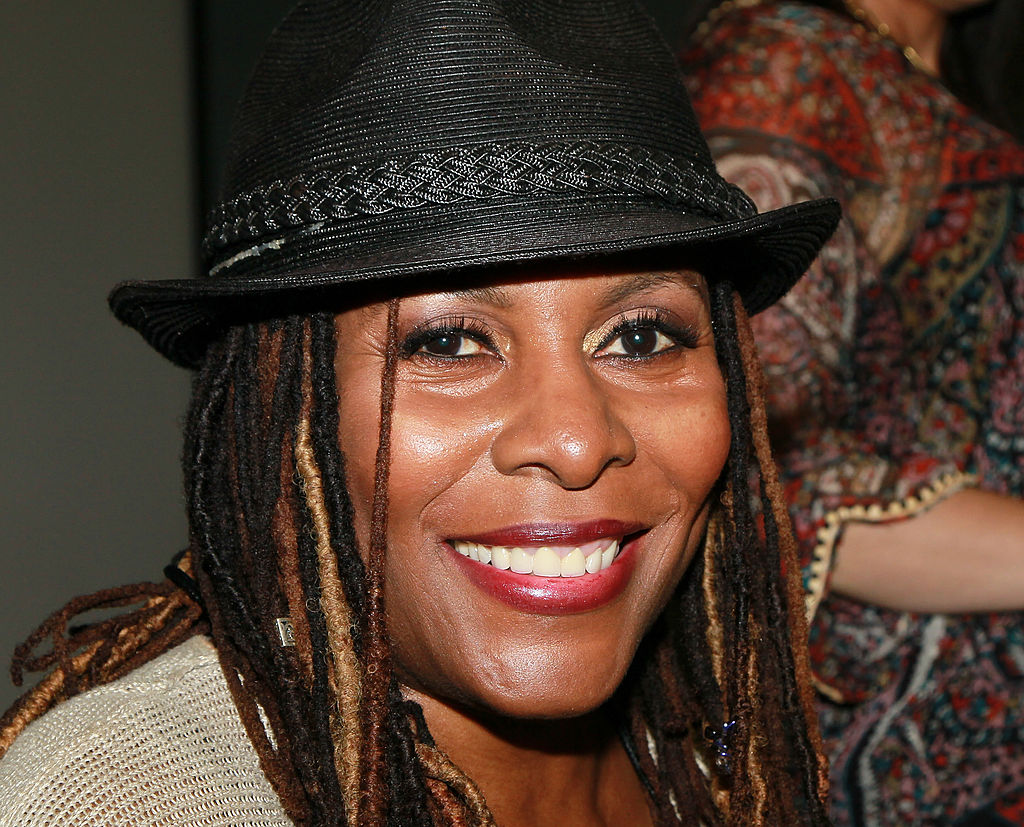
    ANAHEIM, CA – JANUARY 14: Recording artist Brenda Russell attends the 2011 NAMM Show – Day 3 at the Anaheim Convention Center on January 14, 2011 in Anaheim, California. (Photo by David Livingston/Getty Images for NAMM)

    It is said that when one rises, one should always reach back and help another. When it comes to the following legendary songwriting creatives, some may have written for others before becoming artists or were artists who later wrote for others.

    They follow the bold pioneering moves of the great Sam Cooke who created an empire as an entertainer and entrepreneur before his murder in 1964 at just 33 years old, cutting short what surely would have been an even more glorious run. We salute Mr. Cooke with the following heirs to his hallowed throne.

    William “Smokey” Robinson
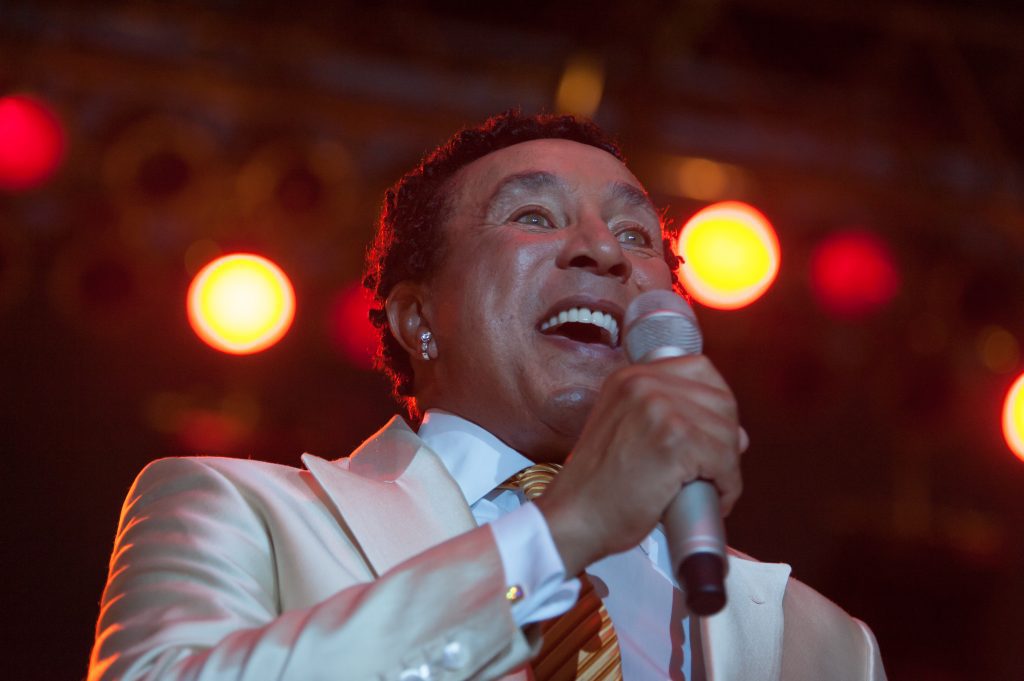
    Between songs the master penned for his group The Miracles (“Shop Around,” “Ooo Baby Baby,” “The Tracks of My Tears”), for himself as a solo artist (“Cruisin’,” “Baby Come Close,” “Virgin Man”), for everybody from The Temptations (“Get Ready,’ “My Girl”) and The Contours (“First I Look at the Purse”) to Mary Wells (“My Guy”), the Supremes (“Floy Joy”) and the Four Tops [“Still Water (Love)”] at Motown, to the countless others that chose to cover his songs, Mr. Robinson could purchase his own neighborhood!

    He has LITERALLY written THOUSANDS of songs – published and unpublished – since the late `50s and CONTINUES to write nearly every day.

    It’s in the man’s blood… William Robinson’s ability to turn life and love into the sweetest and most insightful of rhymes has made him among the most respected and prolific members of the Songwriter’s Hall of Fame.

    Curtis Mayfield
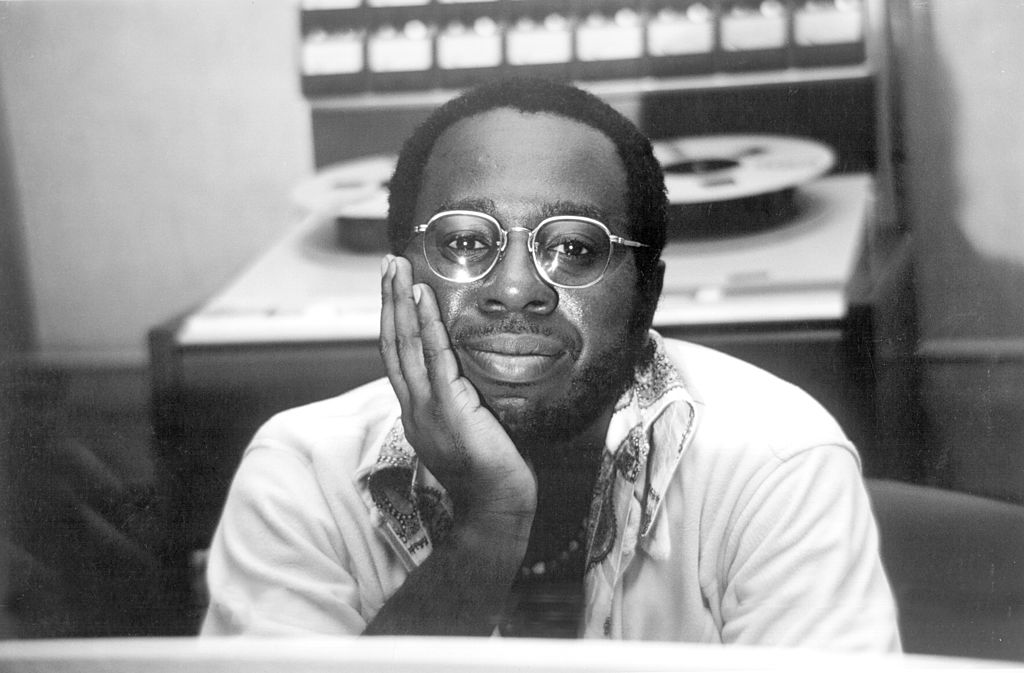
    UNSPECIFIED – CIRCA 1970: Photo of Curtis Mayfield Photo by Michael Ochs Archives/Getty Images

    Brother Mayfield was inspired to write songs from poems and rhymes he heard as a child. That influence can be traced throughout is catalog in the ebullient manner that so many of his songs dance across a rhythm and roll off the tongue. Like Robinson, he wrote for his own group The Impressions (from civil rights anthems such as “Keep On Pushin’” to love ballads like “I’m So Proud” and “Woman’s Got Soul”) and for himself as a solo artist (“The Other Side of Town,” “Move On Up” and “Future Shock”).

    However, Curtis also sold his songs to a plethora of artists all over Chicago and its resident record companies.

    Even better, he started his own publishing companies and record companies, most famous being Curtom which he cofounded with Eddie Thomas. Just as he was a leader in business, Curtis was also a messenger in his music.

    At his peak in the mid-`70s, Curtis made a goldmine out of writing music for the Black-themed movies of the decade starting with himself composing the score for “Superfly” (including “Freddie’s Dead,” “Pusherman” and “Give Me Your Love”) to writing songs for “Sparkle” (sung by the cast in the film and by Aretha Franklin on the ‘soundtrack’ LP), “Claudine” (Gladys Knight & The Pips) and “Let’s Do it Again” (The Staple Singers f/ Mavis Staples).

    Following a tragic stage rigging accident that rendered him a quadriplegic, Mayfield managed to complete a final CD, New World Order (Warner Bros. – 1996) – recorded flat on his back in the studio – collaborating with and passing the torch to young writers such as Organized Noize.

    Stevie Wonder
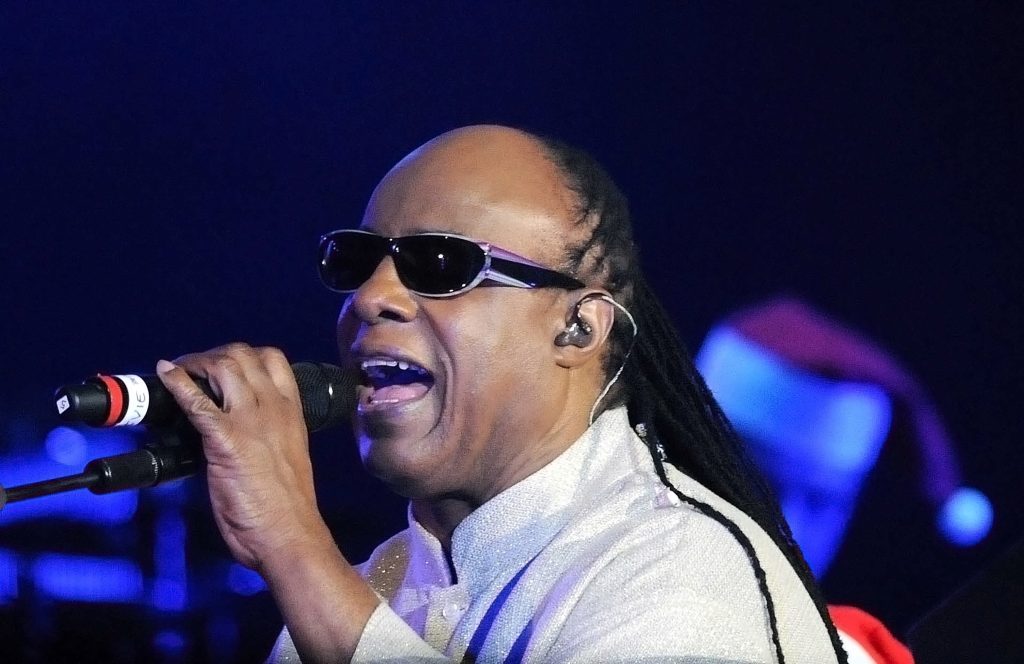
    The man who started professionally at Motown as the “12-Year-Old Genius” didn’t waste much time moving from singer/harmonica/bongoist to co-writing much of his own material with mentors Henry Cosby and Sylvia Moy, including “My Cherie Amour” and “Signed, Sealed Delivered.”

    The first woman he married, Syreeta Wright, co-wrote his entire album Where I’m Coming From with him – the same year that Michael Jackson (with The Jackson 5) covered “I Don’t Know Why I Love You” AND that the Spinners (featuring lead singer G.C. Cameron) finally knocked one out of the park with “It’s a Shame.”

    However, it was the next year that Stevie, now 21, earned his independence and recorded a string of largely self-penned albums that became the soundtrack of the `70s: Music of My Mind, Talking Book, Innervisions, Fulfillingness’ First Finale and Songs in the Key of Life (a double album with an additional single housing 4 more songs).

    And it was during this period that Wonder began writing for or giving completed songs to scores of artists ranging from Rufus featuring Chaka Khan (“Tell Me Something Good”) and Sergio Mendes & Brasil `66 (“The Real Thing”) to The Pointer Sisters (“Sleeping Alone”) and English rocker Jeff Beck (the instrumental “Thelonious”).

    Stevie had written so many songs that when Spike Lee came calling in the `80s for him to score his movie “Jungle Fever,” Wonder wrote a few specific songs then fleshed out the soundtrack with songs from his legendary library. Today, he has untold hundreds of songs to his most appropriate name: Wonder.

    Prince
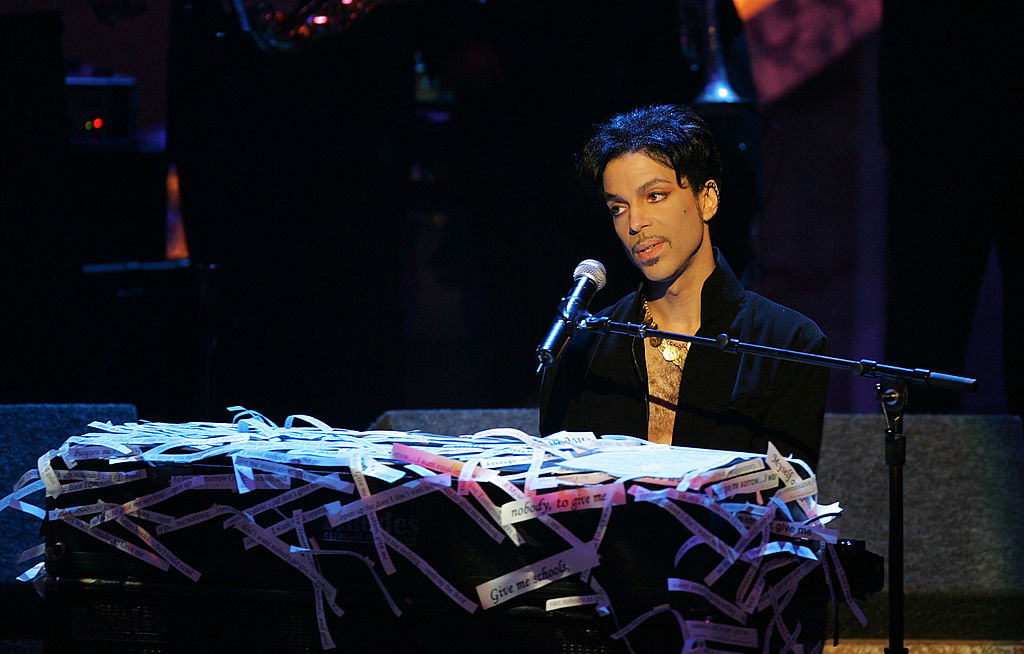
    LOS ANGELES, CA – MARCH 19: Musician Prince performs on stage at the 36th NAACP Image Awards at the Dorothy Chandler Pavilion on March 19, 2005 in Los Angeles, California. (Photo by Kevin Winter/Getty Images)

    The sultry saint of Minneapolis was not only a frighteningly prolific songwriter as an artist, the Gemini was downright Taurian in his desire to get as much of his material out to the public as he possibly could – sometimes in triple CD sets – which ultimately diminished his hit streak into the 2000s.

    He was also very keen to have songs of his recorded by others which resulted in hits such as “Manic Monday” for the Bangles, “Sugar Walls” for Sheena Easton and “Nothing Compares 2 U” for Sinead O’Connor, among others.

    On top of that, not only did he start his own record label and full-service entertainment facility, Paisley Park, he created a number of spinoff acts such as Sheila E, The Time, Vanity 6/Apollonia 6, Jill Jones, Taja Sevelle, The Family, New Power Generation and more, through which he funneled even more songs, often under various nom de plumes to only half-disguise his authorship.

    Controversially, upon his untimely death in 2016, his fabled “vault” of unreleased material was instantly ripped open, its contents trucked from Minneapolis to Los Angeles where, after being catalogued, MANY generously filled projects of outtakes, demos, alternate mixes and remixes were released to a rabid fan base that cared less about Prince’s wishes as they did their own hunger for more-more-more, making Prince as prolific in death as he was alive. And there’s still more to “come.”

    Kenneth “Babyface” Edmonds
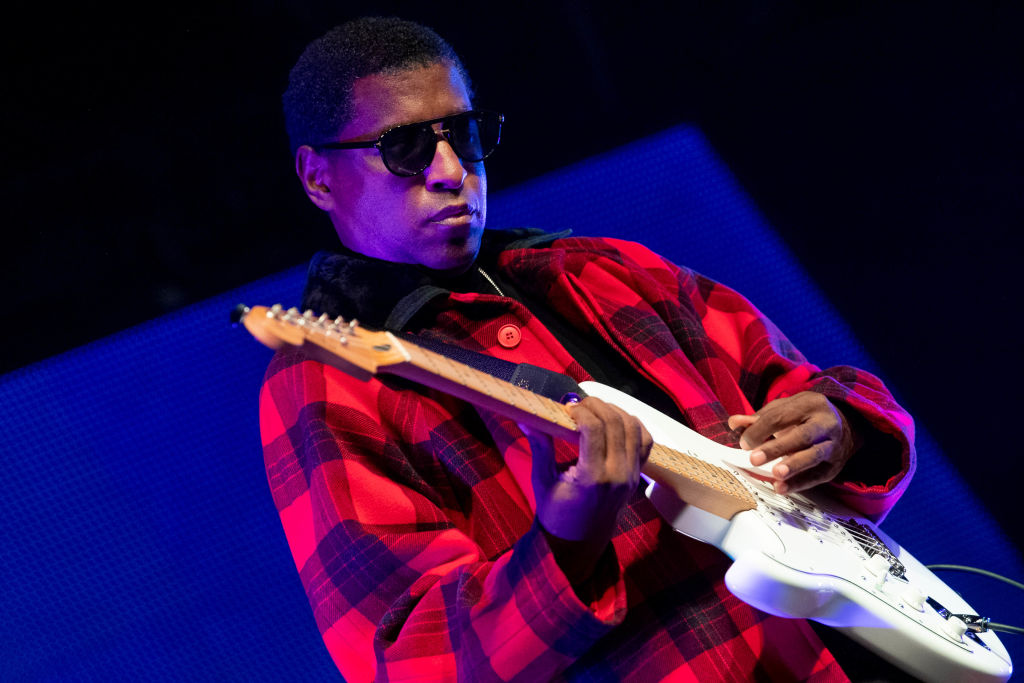
    ANAHEIM, CALIFORNIA – DECEMBER 21: Kenneth Brian Edmonds aka Babyface performs onstage at City National Grove of Anaheim on December 21, 2020 in Anaheim, California. (Photo by Emma McIntyre/Getty Images)

    “Face” came up in the band culture of the 70’s Indianapolis and Ohio scenes as a member of Manchild (Chi-Town/United Artists) then The Deele (SOLAR).

    At SOLAR, his writing began to shine with The Deele (“Just My Luck”), The Whispers (“Some Kinda Lover,” “Don’t Keep Me Waiting”), Midnight Star (“Slow Jam”) and Klymaxx (“I’d Still Say Yes”).

    He forged a partnership (more business than creative) with Antonio “L.A.” Reid while in the Deele and together they began to soar with Pebbles (“Girlfriend”), Bobby Brown (“Roni”) and The Whispers again (“Rock Steady”).

    Plus `Face was already being covered by Alyson Williams who remade “Just My Luck.” Babyface’s first solo album as an artist in 1986 yielded minor hits with “I Love You Babe” and “Mary Mack.”

    But it was his second album, Tender Lover, that scored four Top 10 hits with the chart-toppers “It’s No Crime” and “Tender Lover” plus “Whip Appeal” and “My Kinda Girl.”

    Now a bona fide star as an artist and as part of the L.A. & Babyface writing team, `Face proceeded to dominate the airwaves and the charts with hit after hit for a broad range of R&B and Pop artists including After 7 (featuring his brothers Kevon and Melvin), Madonna, Tevin Campbell, El DeBarge, New Edition, Karyn White and countless more.

    L.A. & Face next started LaFace Records via Clive Davis’ Arista Records and further scored by introducing to the world Toni Braxton, TLC, Usher and more while also taking over the contract of Jermaine Jackson, contributing hits to all.

    The crowning achievement was Babyface writing 90% of the songs for the film “Waiting to Exhale” featuring the crème de la crème of Black female singers including Whitney Houston, Brandy, CeCe Winans, Chante’ Moore (with a wordless vocalized gem, “Wey U”) and the Queen of Soul, Aretha Franklin. Add a later collaboration with Barbra Streisand and it’s clear the man had a stellar run. Babyface still records, performs and writes as and when he pleases…or feels fittingly challenged.

    Isaac Hayes
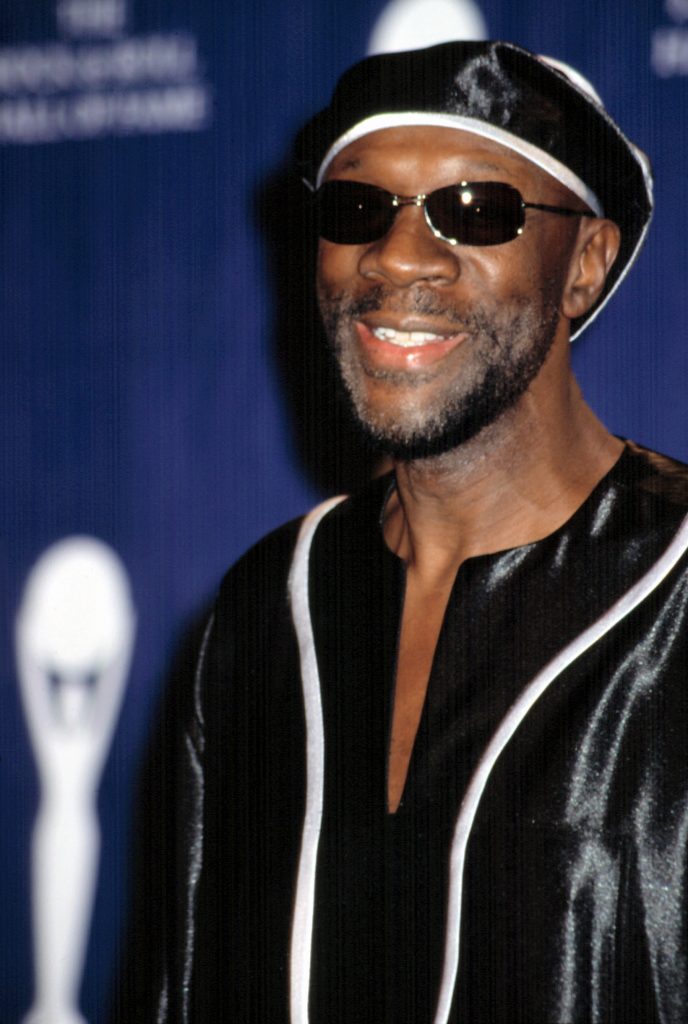
    Before evolving into baldheaded sex symbol “Black Moses,” Covington, Tennessee’s Isaac Hayes was cranking out classics at Stax Records in Memphis in a wide variety of feels with writing partner David Porter.

    These include “When Something is Wrong with My Baby,” “Soul Man” and “Hold On, I’m Comin’” for Sam & Dave, the instrumental “Honey Pot” for Booker T. & The MGs” and “Let Me Be Good to You” for Carla Thomas, plus Otis Redding, Johnnie Taylor and The Sweet Inspirations, among many others. Country crooner Charlie Rich even recorded Ike’s “Love is After Me.”

    As a man who humbly, in church, taught himself to play piano, organ, sax and flute, Ike was a generally shy man at first who flourished behind the scenes to provide for his family.

    He was so nervous recording his is the first album as an artist, Presenting Isaac Hayes, that he had to get drunk to even try it. However, when Al Bell took over Stax and decreed that they establish an immediate catalog by cutting 21 albums within months, Ike rose to the challenge in the delivery of the ‘Symphonic Soul’ masterpiece, Hot Buttered Soul. He only wrote one song on it but his arranging and vocal skills made him an overnight superstar.

    Several more albums in kind led to him scoring the groundbreaking Black motion picture “Shaft” for which he won an Oscar and a Grammy as he topped the R&B and Jazz charts.

    While his star rose and fell several times across the decades, he still wrote classics for Dionne Warwick (“Deja Vu”) and Donald Byrd (“I Feel Like Loving You Today”) plus collaborated with Millie Jackson on albums and tours, and teamed with baritone-voiced rival Barry White (“Dark N’ Lovely”). Alicia Keys called upon him for the song “Rock Wit U” on her debut album, Songs in A Minor. And Ike even scored a novelty hit with “Chocolate Salty Balls” for the wicked animated cartoon series, “South Park.”

    Brenda Russell

    ANAHEIM, CA – JANUARY 14: Recording artist Brenda Russell attends the 2011 NAMM Show – Day 3 at the Anaheim Convention Center on January 14, 2011 in Anaheim, California. (Photo by David Livingston/Getty Images for NAMM)

    Ms. Russell is a singer, songwriter (and closet drummer) who started in music at a young age at the piano where she quickly gravitated toward expressing herself via writing songs.

    After appearing in a touring company of the rock opera “Hair,” Brenda Gordon and her husband Brian Russell teamed up, landed a deal at Elton John’s short-lived Rocket Records label where they recorded two albums to little fanfare.

    However, one of their songs, “Please Pardon Me (You Remind Me of a Friend)” became a sleeper turntable hit for Rufus featuring Chaka Khan.

    Brenda and Brian wound up divorcing and Brenda signed a solo deal with Tommy LiPuma’s Horizon Records via A&M.

    Her self-titled debut album became a Quiet Storm classic, netted her a first hit with “So Good, So Right,” netted her husband’s second wife Cheryl Ladd (of TV’s “Charlie’s Angels” fame) a Pop hit with “Think it Over” and, most importantly, debuted her sumptuous song “If Only for One Night,” later masterfully covered by Luther Vandross.

    Over the years, Brenda’s songs have been hits for Donna Summer (“Dinner with Gershwin”), Earth Wind & Fire (“You,” “I’ve Had Enough”), Roberta Flack (“You Know What It’s Like”) and Phil Perry (“Forever”) while covers have become gems for others including “Get Here” (Oleta Adams), “It’s Something” (Lalah Hathaway) and “Piano in the Dark” (instrumentally by pianist Alex Bugnon).

    Leon Ware
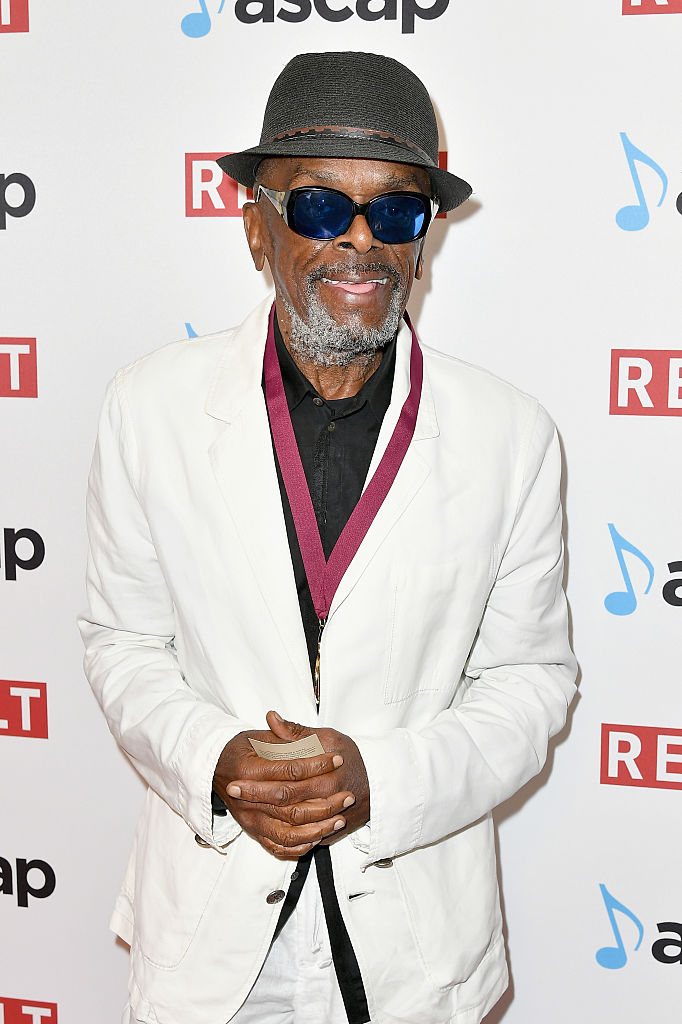
    BEVERLY HILLS, CA – JUNE 23: Musician Leon Ware attends the 2016 ASCAP Rhythm & Soul Awards at the Beverly Wilshire Four Seasons Hotel on June 23, 2016 in Beverly Hills, California. (Photo by Earl Gibson III/Getty Images)

    The irony when it comes to Leon Ware is that though he came up on the rough streets of Detroit, he came to be one of the smoothest writers of love songs, influenced by Jazz and The Great American Songbook.

    Though he recorded 14 albums as an artist (and more one-off singles), he never had a big hit – though the Quiet Storm and fans abroad adored him for songs such as “Rockin’ You Eternally,” “Why I Came to California” (a duet with Janis Siegel of The Manhattan Transfer) and a cover of the evocative ballad “Blue Velvet.” An early recording of his was even slipped into the notorious mafia-controlled X-rated flick “Deep Throat” (he dared not complain).

    However, writing for others, Ware scattered gems north, east and especially south and west (wink).

    Almost always in collaboration, Ware scored his first big one for Michael Jackson with “I Wanna Be Where You Are” followed by “Just Seven Numbers” for the Four Tops, “Come’ Lamore” (the B-side of Bobby Womack’s “That’s the Way I Feel About Cha”), “Rolling Down a Mountainside” for The Main Ingredient and more.

    Grandest of all, while Leon was working on a solo album for Motown, Berry Gordy heard early demos and ‘suggested’ that Marvin Gaye (struggling to follow up Let’s Get It On) would be perfect singing the songs.

    Leon wisely turned the album over to Gaye, resulting in the timeless love suite I Want You which included the title track, “After the Dance,” “Come Live with Me, Angel” and “Soon I’ll Be Loving You Again.” It was also at this same mid-`70s juncture that Leon teamed up with Minnie Riperton and her husband Richard Rudolph to pen the steamy gems “Inside My Love,” “Baby, This Love I Have” and “Can You Feel What I’m Saying.”

    Sensuality and Soul continued to go hand in hand for Ware who kept his ear to the universe for fresh collaborations be they with Afro-Rican Maxwell (“Sumthin’ Sumthin’”), Omar and Incognito in the U.K. or Marcos Valle in Brazil.

    Narada Michael Walden
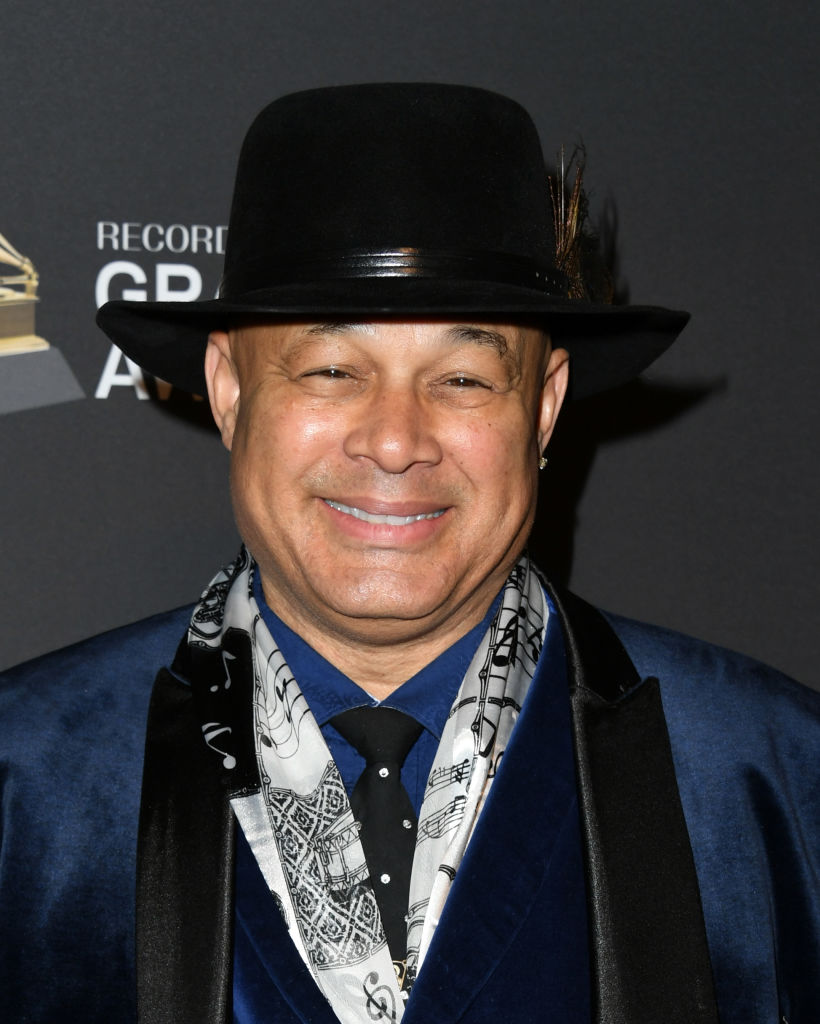
    BEVERLY HILLS, CA – FEBRUARY 09: Narada Michael Walden attends The Recording Academy And Clive Davis’ 2019 Pre-GRAMMY Gala at The Beverly Hilton Hotel on February 9, 2019 in Beverly Hills, California. (Photo by Jon Kopaloff/Getty Images)

    Give the drummer some. Kalamazoo-born Walden (who was given the name Narada by guru Sri Chinmoy who also gave rock guitarist Carlos Santana the name Devadip and jazz guitarist John McLaughlin the name Mahavishnu) first came to prominence in 1974 in the hot seat of replacing drummer Billy Cobham in the mercurial fusion group The Mahavishnu Orchestra.

    Two years later, he signed to Atlantic Records and recorded his first solo albums, Garden of Love Light and I Cry, I Smile – both largely orchestral Jazz-Rock Fusion affairs.

    For his third album, Narada cribbed a page from the Chic songbook and came up with the club hit “I Don’t Want Nobody Else (To Dance with You)” and followed it the same year with another, “I Shoulda Loved Ya.”

    Now entering the `80s a bona fide hitmaker, Narada got a shot to produce labelmate child star Stacy Lattisaw resulting in the ballad “Let Me Be Your Angel” and the dance jam “Dynamite.”

    And, shall we say, a cottage industry was born as Narada became a go-to writer/producer, especially for female artists, including Sister Sledge, Angela Bofill, Phyllis Hyman, Margie Joseph and Patti Austin.

    1985 was the banner year as Narada did game-changing work with Queen of Soul Aretha Franklin (“Freeway of Love”) and newcomer Whitney Houston (“How Will I Know”) leading to more writing for both as well as Mariah Carey (“I Don’t Wanna Cry”), George Benson, Kenny G, Shanice (“I Love Your Smile,” “I’m Crying”), Lisa Fischer (“How Can I Ease the Pain”), Regina Belle (“Baby Come to Me”), Curtis Mayfield and so many more – all the while recording eclectic albums of his own.

    Special mention must be made of his writing, producing and arranging the James Bond theme “License to Kill,” sung for the gods by Gladys Knight.

    Gerald Levert
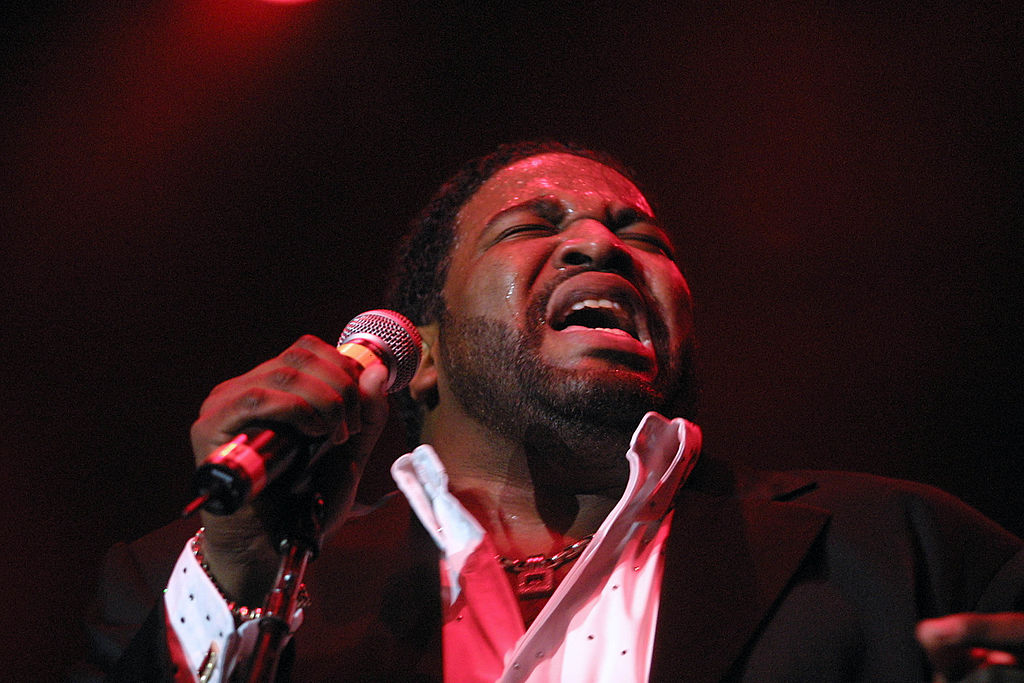
    artists, songwriters
    Gerald Levert performs at the 98.7 Kiss FM’s R&B Jam 2001 at Madison Square Garden in New York City. 12/14/01 Photo by Scott Gries/ImageDirect

    The oldest son of O’Jays lead singer Eddie Levert, Cleveland-born Gerald Levert was one of the hardest working writer producers in the music business from the mid-80s to the early in the 2000s in addition to being a powerhouse singer and performer. Today seems to be the most forgotten.

    He sprang to instant attention at 18 years-old as the lead singer of the trio Levert (Gerald, his brother Sean Levert and cousin Marc Gordon) sounding just like his daddy whom he had studied in the wings on the song “I’m Still” (Tempre – 1986) which he wrote with him.

    The boys had written all but one of the eight songs on their debut LP, I Get Hot (produced by Eddie and Walter Williams of the O’Jays with celebrated Philadelphia Black music executive Harry Coombs who passed this year).

    From there, Gerald became the star of Levert (now signed to Atlantic Records), launched an 8-album solo career in 1991 on EastWest/Elektra/Atlantic Records, helmed the all-star trio LSG (L for Levert, S for Keith Sweat and G for Johnny Gill) for two albums, recorded two albums with his father, and was instrumental in the careers of two short-lived groups: the quartet Rude Boys and the duo Men at Large.

    When we get to artists he wrote and produced for (most often with partner Edwin “Tony” Nicholas), the list is long and broad including Miki Howard (with whom he sang the incomparable duet “That’s What Love Is”), Anita Baker, The O’Jays, Troop, Chuckii Booker, Millie Jackson, Rhonda Clark, The Temptations, Teddy Pendergrass, The Winans, Vanessa Williams, James Ingram, Patti LaBelle, New Edition, Keith Washington and, perhaps most memorably, Barry White with the smoldering “Practice What You Preach.”

    (Honorable Mentions: Willie Dixon, Barry White, Luther Vandross, Sly Stone, Johnny Bristol, Van McCoy, Teena Marie, ‘Angela Winbush, Jerry Butler, Louis Jordan, George Duke, Ray Parker Jr., Michael Henderson, Lionel Richie, Michael Jackson, Rick James and R. Kelly)
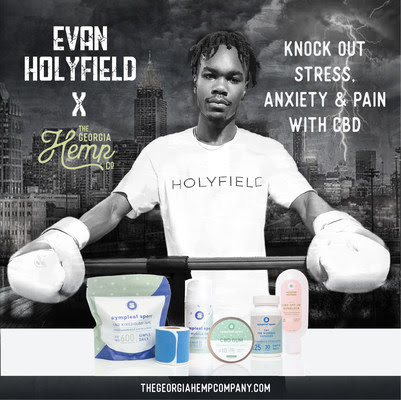

  • Evan Holyfield debuts new partnership with The Georgia Hemp Company

    The Georgia Hemp Company is thrilled to announce a partnership with middleweight boxer, Evan “Yung Holy” Holyfield, naming him the newest lifestyle and wellness partner for the company. This partnership with Holyfield comes at a pivotal moment in his career as he is gearing up for his next fight on October 23 with hopes to improve his undefeated professional boxing streak to 8-0.

    Evan Holyfield becomes The Georgia Hemp Company first CBD Athlete endorsement.

    “The Georgia Hemp Company is excited to partner with Holyfield and his team to further both our pursuits of excellence,” said Joe Salome, Managing Partner of The Georgia Hemp Company. “TGHC and team Holyfield prove to be a perfect match in today’s sports marketing world and a remarkable example of today’s modern athlete partnering with a recognizable brand and impactful product line. These are the partnerships that lay the foundation for future athlete partnerships. October 23rd is just the beginning.”

    Son of legendary boxer, Evander Holyfield, Evan has had a keen interest in the growing CBD space and has been experimenting with the methods of recovery that can assist him and other athletes around the world. On the new partnership, Holyfield commented, “I am very proud to be working with The Georgia Hemp Company. Not only are they local to my hometown of Atlanta, but as an athlete, it’s incredibly important to me that I am using products that are natural and will help take my career to the next level. I hope that our partnership will promote the health benefits of CBD – not only for athletes, but everyone –  and how it can aid the recovery process and overall wellness.”

    “This partnership is helping bring attention to what CBD can do for the body and addressing fitness from a preparatory and preventative angle,” explained Ryan Dills, Managing Partner of The Georgia Hemp Company. “We hope to bring some alignment with recovery and rehabilitative approaches that are essential in high impact/combat sports.”

  • Stellantis and National Business League Commence Pilot for Nation’s First Black Supplier Development Program

    • Pilot to run through first quarter of 2022
    • Thirteen businesses to participate in pilot, representing geographic diversity and a range of disciplines and commodities
    • Post pilot, program will develop more than 2.9 million Black businesses for future contracting and procurement opportunities and success in a post-pandemic economy
     Stellantis and National Business League Commence Pilot for Nation's First Black Supplier Development Program

    Stellantis and the National Business League (NBL) today commenced their pilot of the groundbreaking National Black Supplier Development Program.

    The pilot, which will run through the first quarter of 2022, is the initial phase of a larger program to develop Black suppliers for future contracting and procurement opportunities in pursuit of greater racial equity in the marketplace. 

    “The Stellantis-National Business League Black Supplier Development Program is an idea whose time has come,” said Mark Stewart, COO, Stellantis North America, during a kick-off event at the company’s Conner Event Center in Detroit. “An idea that addresses the need to take direct, decisive and intentional action to bring economic opportunity to communities that have been denied equal access to the marketplace for far too long. To confirm, in a very intentional way, that our ability to realize the full promise of our country is to ensure that its economic systems are open to all, equally.”

    The Stellantis-NBL National Black Supplier Development Program will support the development of more than 2.9 million Black businesses around the country and internationally for future opportunities within the federal government, and public and private sectors. 

    The 13 Black-owned businesses selected for the pilot program represent geographic diversity, and a range of disciplines and commodities.

    “Equitable access to both international and domestic opportunities by Black businesses is fundamentally important to the future of our economy and opportunities available to Black people and communities,” said Marvin Washington, Director of Electrical & Electronics Purchasing, Stellantis North America, who will also serve as National Co-Lead for the program. “This historic leadership by Stellantis and the National Business League will become a model for other Fortune 500 companies to embrace.” 

    About 95% of Black-owned businesses today are mainly solopreneurs — home-based, one-employee enterprises — or are considered micro-businesses. Of these, fewer than 3% are minority or agency certified, and most do not have the capacity, scope and scale to meet the demands of future contracting and procurement opportunities with Fortune 500 companies and the federal government.

    In addition, the COVID-19 pandemic has disproportionately affected Black businesses nationally, and an estimated 40% of Black-owned businesses closed permanently in 2020, according to CBS News, while the digital divide has created a systemic barrier to entry into the marketplace among Black businesses.

    “As national trade associations pivot toward a post-COVID-19 economy, the National Business League is launching this critical program to achieve economic equity and justice for Black communities and millions of Black businesses, fulfilling the organization’s 121-year-old legacy, founded by Booker T. Washington in 1900,” said Dr. Kenneth Harris, president and CEO, NBL. “It is vital that corporate leaders take decisive and measurable steps outside of empty promises and platitudes to bring about commerce-driven activity in Black communities that have been historically denied access to economic opportunities for far too long.”  

    The online virtual procurement and contracting marketplace is expected to realize 20-30% of the untapped business potential of Black suppliers. The goal is to create sustainable Black businesses that will impact the local and global economies, creating jobs through entrepreneurship and growing the number of Black businesses of all sizes.

  • Famous Amos Launches Ingredients for Success Initiative to Support Black Entrepreneurs

    Today, Famous Amos, in partnership with the National Black Chamber of Commerce (NBCC), announces the launch of its Ingredients for Success Initiative, a grant and mentorship program that aims to provide the necessary tools and resources to help Black business owners succeed.

    Ingredients for Success: The Famous Amos Entrepreneurs Initiative

    According to a recent story by CNBC, there are about 2.6 million Black-owned businesses in the United States, equating to approximately 9.5 percent of all businesses. Yet nearly 8 out of 10 Black-owned companies usually do not survive the first 18 months. Famous Amos strongly believes that pairing these entrepreneurs early on with financial resources and mentorship is a key ingredient to contribute to a more positive direction.

    “In honor of Wally Amos, the founder of Famous Amos, we are extremely grateful to partner with the NBCC to help create pathways for Black business owners to thrive,” said Rachna Patel, Senior Director, Distinctive Brands at Ferrara. Famous Amos remains committed to fostering racial equity through the work that we do as a company and our connection to the communities we serve.

    In its inaugural year, a total of $150,000 has been committed to award three Black-owned businesses, each receiving a $50,000 business grant. Along with the monetary award, grant winners will receive a complete suite of mentoring and coaching resources and tools provided by the NBCC to help drive sustainable growth and success.  

    “Our mission is the economic empowerment of Black businesses and communities,” said Charles H. DeBow, III, Executive Director, National Black Chamber of Commerce. “We are pleased to partner with Famous Amos to  provide mentorship, as well as the necessary tools and resources to the grant recipients to assist them to not only participate but to succeed in America’s economy.”

    Grant applications will be judged by some of the nation’s foremost Black business leaders including Jeffery Beckham Jr., Chief Executive Officer at Chicago Scholars; Roby Mercharles, vice president of partnerships at The American Dream Fund & Marketplace; Steve Canal, co-founder of Flourysh, ONE Venture Group, Saint Miles and The Baptist Collection; and Mandy Bowman, and founder and CEO of Official Black Wall Street.

    Businesses must be at minimum 90 percent Black-owned and have been in operation for five years or less. For official rules and eligibility requirements, and to apply now, please visit https://famousamosingredientsforsuccess.info/. All entries must be submitted by Monday, November 29th, by 11:59 p.m. EST. 

  • Garage-Based Black-owned Start-up,  BLK & Bold Coffee, Makes First Million

    Garage-Based Black-owned Coffee Start-up,  BLK & Bold Coffee, Makes First Million

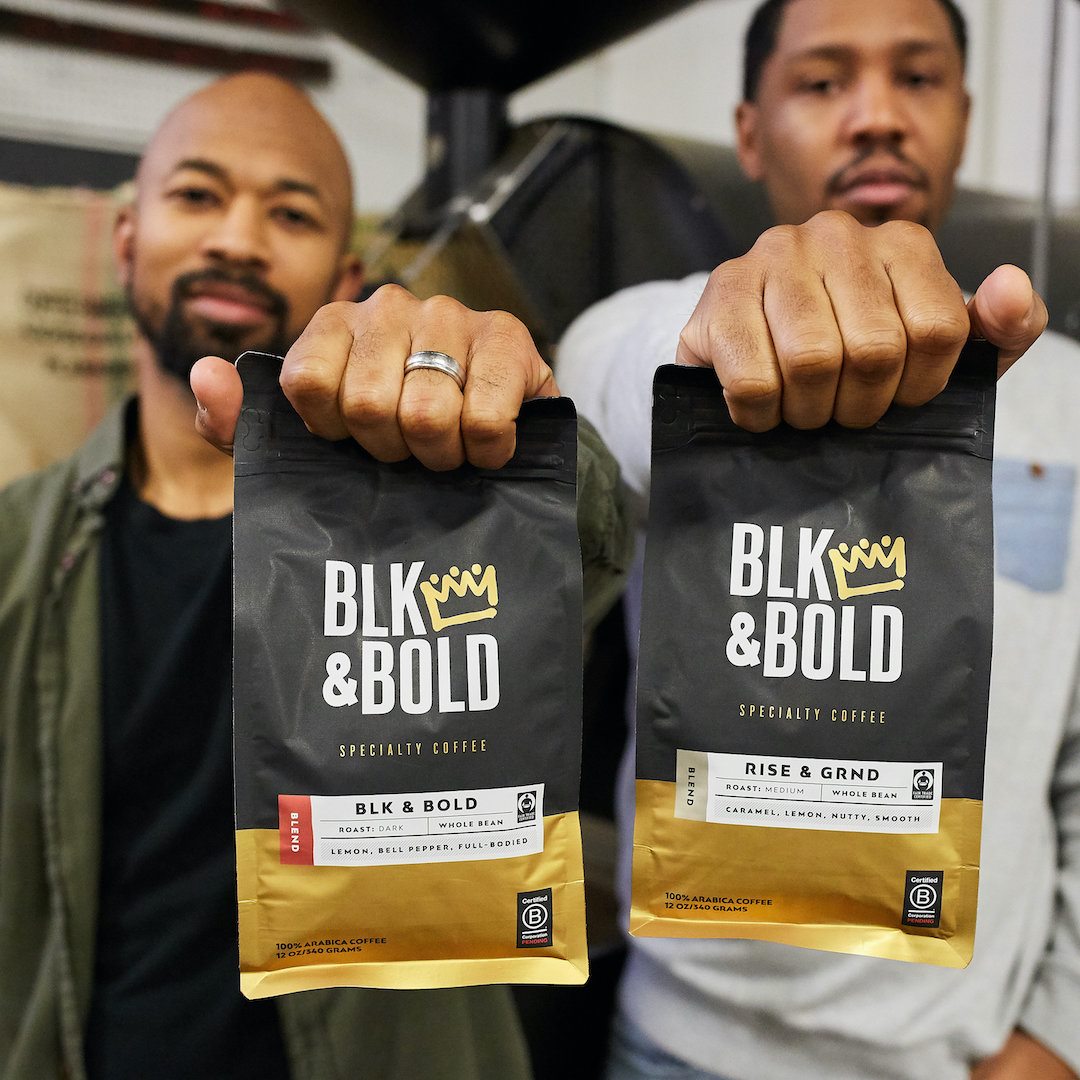
    Friends Pernell Cezar and Rod Johnson create a coffee business and earn first $1 million in profit in three years.  

    Rod Johnson did not even drink coffee and admits that he was much more of a tea person at the time Pernell Cezar suggested this idea. 

    In 2018, the duo launched their brand – BLK & Bold Coffee in Des Moines, Iowa.  This coffee is the country’s first Black-owned nationally distributed coffee brand that has attracted high-profile partnerships with Target, Amazon, Ben & Jerry’s, and later NBA.  

    The company is built around a social mission with them donating 5% of the total profits to non-profits that support kids in underserved communities across the country. 

    In May, the BLK & Bold became the 1st ever Black-owned food and beverage brand to sign a licensing pact with the NBA. They have collaborated on a coffee flavor called “The Warm Up.”  On Sept 20th, the company partnered with Ben & Jerry’s to develop a new coffee ice cream known as Change is Brewing.

    Where it all started

    Both Cezar and Johnson had built solid careers before choosing this path.  Cezar worked as a sales director for Sundial Brands, a beauty retailer while Johnson worked on the fundraising at Stockton University.  

    However, these two friends wanted more personal fulfillment from their work and dreamed of starting their own business together.  They even took positions – Johnson as the chief marketing officer and Cezar as the CEO.  Even without knowing what to sell yet, they decided their company would revolve around a social impact model with a percentage of their funds going to charity.  This was quite a vision for these two young men. 

     “We wanted to make sure that we found a way to reinvest back into those who just need a boost, who just need a helping hand to overcome and rise above their respective circumstances,” Johnson says.

    BLK & Bold Coffee

    Johnson and Cezar’s inspiration came from their own upbringing in Gary, Indiana – a city that is about 25 miles Southeast of Chicago.  An empoverished area with high crime rates and a reputation for being amongst the most disadvantaged area in the country. 

    A home economics teacher duo named – Sheila Carpenter says these boys avoided the trouble of falling in with the wrong crowd by playing sports or at the local boys & girls club after school.  “It gave them another choice of staying out of trouble and doing the right thing,” Carpenter says.

    The Boys & Girls Club they used to hang out after school gave them first-hand insight into why it was good to give back to society and help young people.  In 2020, BLK & Bold donated about $42,000 to 14 community-based organizations.  Some of the beneficiaries are the No Kid Hungry – fights childhood hunger, Des Moines – Educational program, and Black Youth in Miami – a coding initiative. 

    Quoting Rebecca Langan, a Youth Guidance director, “These are young people that would never [otherwise] have access to that kind of intervention and support of a trained counselor inside their school,” says Langan.  Youth Guidance is a student counseling non-profit organization in Chicago that received $2,500 last year from BLK & Bold.  

    From Humble Beginnings in a Garage to Thousands of Stores

    Today Johnson is no longer a stranger to coffee!  Both co-founders love and enjoy their brand being their own best customers. They have grown their business from a single roaster in Cezar’s small garage to a 20,000 square foot commercial facility. 

    Carrying out lots of research is what made Cezar and Johnson learn the secret that helped them succeed in growing their brand.  These two friends learned that black Americans are under-represented (in many industries as well as) in the coffee industry as both consumers and entrepreneurs.  According to National Coffee Association, African-Americans are the least likely ethnic group to drink coffee regularly in America. This is not true.

    They sighted a lack of information and resources for black entrepreneurs to venture into this industry.

    BLK & Bold started selling bags of home-based roasted beans to independent retailers in the Midwest.  They relied mostly on social media for marketing and spent over $22,000 of their own personal savings to build a website and attend industry trade shows and get their product to retailers. 

    BLK & Bold Coffee Breakthrough

    Their big breakthrough came in Jan of 2020 – BLK & Bold’s products landed in 200 Target locations across the US. 

    Later the same year, more partnerships with Whole Foods, Midwestern Grocery chains Hy-Vee, and other retailers stocked their products.  They not only had coffee in the market but tea as well. 

    Soon after, the pandemic hit, and online sales took off on Amazon where they were featured as part of the e-commerce giant’s Black Business Accelerator last summer.  The killing of George Floyd worked positively on their business when consumers across America flocked to support their Black-owned businesses in support of Black Lives Matter. This brought them another huge financial boost. 

    Today, they face the challenge of maintaining their still-young business against stiff competition in the world of food and beverage and using their success to help kids in the disadvantaged backgrounds like the same one they grew up in.  We can only keep watching this space!

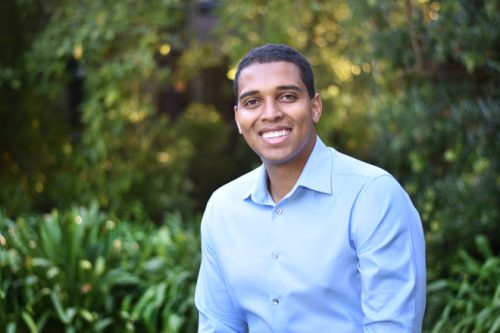
  • Formerly homeless 29-year-old Silicon Valley attorney, Ajwang Rading, challenges nearly 29-year incumbent in California’s 18th Congressional District

    Palo Alto attorney Ajwang Rading announced his candidacy for California’s 18th Congressional District today. In an email to campaign supporters, community activists, loved ones, and voters, Rading laid out his vision for the district and our country:

    “We are living through an era of unprecedented challenges. As the world continues to face our greatest existential crisis—climate change—the pandemic has additionally affected every dimension of our livelihood, from physical and mental health to socioeconomic mobility to governance.

    Meanwhile, our workers struggle to keep up with rising costs of living, increasingly automated workplaces, and healthcare that costs too much and covers too few. Furthermore, our region faces a housing affordability crisis, severe traffic congestion continues to develop along 101 and 280, and our schools are lacking adequate resources that will help prepare the next generation of entrepreneurs and leaders. As I talk to the residents of our district, I hear stories of how our political representation is just not doing enough for our families. I want to change that. 

    My lived experiences are what this moment and our fight for the future need. I was raised by a strong single mother from Kenya, who instilled in me the importance of a good education, hard work, and fighting for what you believe in. Our life was not easy—for most of my upbringing, we experienced homelessness, living out of a 2001 Dodge Neon. But, with the encouragement and support of my mother and a community of people who believed in me, I made my way to UCLA as a Jackie Robinson Foundation Scholar. 

    I overcame the experience of homelessness through the combination of an entrepreneurial spirit and public service. From leading truth and reconciliation efforts in post-conflict societies, to drafting criminal justice and national security legislation for U.S. Sen. Cory Booker, to investigating civil and human rights violations in our country’s worst prisons while supporting anti-death penalty litigation, to working on cybersecurity matters in the U.S. Attorney’s Office Central District, to winning legal benefits for veterans, and now representing next-generation emerging companies and technologies, I have learned what it takes to meet this unprecedented moment, now and for the future. 

    While my life is a testament to the amazing opportunities that this country offers its people through an entrepreneurial spirit of service, I know that we are leaving far too many behind. This District leads the world with our innovation, but that is not reflected in Washington. It’s time to change that.

    In order to do this, we must align market incentives to address the country’s most important issues, we must organize right here in the District, and we must galvanize the political will. If we are to have a fighting chance, we must not be afraid to be technical, nuanced, and beyond-ambitious.

    It will take a village of dedicated people from all backgrounds to create an America of new and better opportunities, and I hope you will join me in building that village. 

    Over the next year, I look forward to meeting as many of you as I can, and I hope that I can earn your vote. 

    We are resilient. And we will rise. 

    Thank you, 

    Ajwang” 

  • Supplier Success Leads Expansion of Facebook’s Invoice Fast Track Program, Providing Up to $100 Million for Diverse-Owned Businesses

     Supplier Success, a black-owned supplier finance consultancy, recently celebrated the expansion of the Facebook Invoice Fast Track program to financially support diverse-owned businesses across the United States.

    The program, set to relaunch on October 1, 2021, will now provide tens of thousands diverse -owned companies with immediate payment for the goods and services they’ve invoiced their customers for — but would otherwise have waited months to get paid.

    The announced expansion follows the completion of a successful pilot program with Supplier Success and its technology partner, Crowdz. The program was previously only available to Facebook’s own diverse suppliers.

    Under the new terms of the program, Facebook has pledged up to $100 million in funding on an ongoing basis for a low, fixed fee of 1% of total invoice value. This provides diverse-owned SMBs with the affordable capital they need to invest in the recovery and growth of their companies during the COVID-19 pandemic.

    Supplier Success played a key role in scaling the financing, technology, and risk management models of the pilot program, so that the expanded offering could be made available to the broader universe of diverse business member organizations. These partner organizations include the National Minority Supplier Development Council, Women’s Business Enterprise National Council, National LGBT Chamber of Commerce, National Veterans Business Development Council, Disability:IN and US Pan Asian American Chamber of Commerce.

    “Facebook is going above and beyond to support as many diverse SMBs as possible during this critical time of need,” said Louis Green, CEO of Supplier Success. We’re proud to work with them to address the urgent access to capital needs of diverse businesses nationwide.

    Diverse-owned businesses are encouraged to visit the Facebook Invoice Fast Track program to check their eligibility and get started on October 1.

  • DICE Raises $122 Million in Series C Funding Led By SoftBank; Tony Fadell Joins Board

    DICE, the fast growing music discovery and events ticketing platform, today announced it has raised up to $122 million in Series C funding. The round was led by new investor, SoftBank Vision Fund 2, with follow on investments from Tony Fadell’s Future Shape, Blisce, French entrepreneur Xavier Niel, Mirabaud Private Equity, Cassius and Evolution. 

    Since being founded in 2014, DICE has focused on remedying the opaque world of ticketing with its transparent ‘fan-first’ model and a mobile-first platform that has prevented scalping. 

    The company’s mission is to bring people together to enjoy shows. DICE makes it easy for fans to discover and buy tickets to live and live stream shows in seconds. DICE has clear upfront pricing, and features such as refunds on sold-out shows and a popular “Waitlist” feature that provides diehard fans with access to the most popular concerts and ensures that venues are at capacity, which in turn increases their revenue. Additionally, artists no longer lose out on ticket sales as the company prevents secondary resale of tickets through its innovative technology. 

    “We believe DICE’s technology has the capacity to transform the future of live entertainment,” said Yanni Pipilis, Managing Partner for SoftBank Investment Advisers. “Alongside the flexibility and security of seamless ticketing, the platform connects fans, artists and venues in a completely new way… We are excited to partner with DICE to help create remarkable event experiences for fans all over the world.”

    With the additional funding, DICE will significantly grow the company by expanding reach to artists, fans and venues, while hiring new team members, adding to its live stream offering, and launching an ambitious artist development program that will see the platform work with even more artists directly on their live strategy. 

    “DICE is rewiring the live experiences industry. We have proven that if you treat fans well, they go out more,” said Phil Hutcheon, CEO and Founder of DICE “We’re overhauling an unfair, inefficient system by pioneering a transparent, data-led, fan-first approach – building a scalable ecosystem that helps artists, promoters and venues thrive. To have SoftBank as a partner enables us to expand into every market.”

    DICE has differentiated itself from competitors in its unique focus on repeat fans, and its Discovery algorithm is responsible for over 40% of tickets sold, hugely benefiting artists and venues. 

    The industry has taken note – DICE works with over 3,600 venues, festivals and promoters globally, including Brooklyn’s Avant Gardner and one of the world’s biggest music festivals, Primavera Sound.

    In addition to physical events, at the start of the pandemic last year, DICE pioneered ticketed live streaming. Spanning music, arts and culture, DICE has powered over 6,400 live streams to date, spearheading a true hybrid future for the industry. Paid live streams gave artists direct access to fans and income around the world – to that end, DICE has set up a global network of incredible venues to allow them to broadcast their live shows to expand their reach and commerce capabilities.

    Direct access to fans is not just for live streams. DICE is empowering artists like Bicep to keep control of their touring. The electronic act grew from 300 to over 30,000 tickets per event in London as a result of their exclusive partnership with DICE.

    “We began working with DICE as soon as Bicep started doing live shows in London. They encouraged us to sell tickets direct to the fans on the app and to trust the data allowing us to invest in the event rather than extra marketing. We plotted out a strategy, selling out quickly, delivering exponential growth show by show. This has allowed us to stay independent and choose our partners. It has worked amazingly for the artist, our fans, partners and label. We’re excited to use the DICE model globally, hopefully building similar success in all of our key markets,” Oli Isaacs, Manager of Bicep, commented. 

    In this critical phase of growth, Tony Fadell, iPod inventor and iPhone co-inventor who brought music to the palm of our hand, is joining the DICE board to support further platform development and expansion into venues. 

    “The concert business is a tangled mess of archaic tools and taxing ‘industry standards’ where artists are paid last. Venues shell out for marketing and are beholden to ticket conglomerates. Fans have to hunt for shows and regularly buy overpriced tickets from secondary markets or scalpers. This doesn’t make sense!” said Tony Fadell, inventor of the iPod. “DICE re-engineers the entire live industry, not just a part of it: Venues are connected to fans and artists. Artists get transparency, access and control. Fans easily discover local shows and global live streams, and buy scalper-safe tickets with a single click. I’m ecstatic to be joining the DICE board and to be part of another entertainment revolution.”

    With the company’s current rate of growth, 49,000 artists and creators will use DICE by the end of 2022. 

    To find upcoming live streams and live events near you visit dice.fm

  • Top 10 Power Travel Tips to Save Money

    Pandemic aside, international travel has never been easier and more affordable.

    I would have never been able to take on the mission of traveling to every country in the world without the tools and tips below.

    You may already be hip to some of these, but hopefully at least a couple are new ammo you can add to your arsenal. Let’s see the world and save you some money!

    1. Shop Smart with Google Flights

    Google Flights has become a game-changer for both routing and budgeting trips. It’s a one-stop-shop that will show you just about every airline, flight and route in the entire world.

    A Godsend when it comes to planning flights, the website features some phenomenal tools to help you save money, including informing you when the price of tickets on your current search is low, average, or high. You can even set custom alerts to be notified when a specific ticket price drops to a certain level.

    Check out the “explore” option where you can view a map of the world with corresponding prices to destinations – all spread out on one screen with handy price-icons “pinned” to the map.

    This is so much easier than dealing with the hassle of going back and forth to input each destination into a dozen different airlines’ search boxes. The world is literally your oyster with Google flights.

    2. Budget Airlines

    So you’ve heard of Spirit and Frontier, but do you know about Ryan Air (UK), Wingo (Colombia) or Scoot (Singapore)?


    I just now searched for a non-stop flight from Rome to Sofia (Bulgaria) and found a ten-dollar flight on Ryan Air. Incredible!


    There are dozens of low-cost carriers all over the world, making getting connected to (and in) far-away places easier and cheaper than ever.

    Expert tip: The best way to play this game is to make sure you avoid all the “extras,” like seat selection and baggage.


    Start ticking those boxes and your checkout price can easily creep up to something that looks an awful lot like full fare, and that certainly defeats the purpose.

    The one thing I do recommend splurging on—at least for longer flights—is the “big seat” on Spirit Airlines.

    Not too long ago, I grabbed a Spirt flight from Ft. Lauderdale to Medellin and rode the “big seat.” It was almost as good as business class on a regular carrier.

    3. Secure the Bag(gage)

    We just talked about avoiding all those extra fees when booking your airline ticket, and baggage is worst offender. Stop checking bags!

    Many years ago, I suddenly became liberated when I resolved to never, ever check luggage again, sticking to carry-ons only.

    Not only does this save you money (thousands over time!), but it is so freeing to be able to land in a new destination and simply pass up hundreds of fellow passengers, all lingering around the luggage carousel that hasn’t even started! I’m already in a cab, speeding to that beach chair my piña colada, while those folks are still huddled around a crowded conveyor belt.

    Not to mention, this takes away any stress of “lost luggage” or valuables that can have a habit of growing legs.


    Packing light is definitely a special art and science – but try it! After all, think about all those times you came home from vacation and unpacked clothes you never even wore!

    4. Hostels


    A hostel isn’t everyone’s thing (full disclosure, it ain’t mine!), but the growing popularity and availability of these shared dormitories give the ballin’-on-a-budget traveler just that many more choices.

    I have many friends that have enjoyed staying at hostels and some who would not have been able to afford the luxury of traveling at all without that option.

    5. Couch Surfing Safari

    Said Mr. Couch Surfing to Mr. Hostel, “Hold my beer!”

    Imagine the thought of showing up in a foreign city and sleeping on a stranger’s couch. Why would anyone ever want to do that? Two words: It’s free. Couch Surfing is a social network of travelers and hosts who both offer their couches and sleep on others.’

    Referred to as a “hospitality exchange service,” members can request lodging publicly or directly from other members, post reviews, “hang out” with other members or join and create events.

    One more disclosure: I’ve never “Coach-Surfed” nor have the desire to, but if it’s the choice between being able to see Paris once in your life or miss it, why not?

    6. Ride Sharing is Caring

    Ridesharing is no doubt the most useful invention for travelers over the last ten years, making transportation in most foreign countries exponentially less stressful and more affordable all at once.
    Show me a world traveler and I’ll show you someone who’s been taken advantage of by a dishonest cabbie.
    Factor in the language barrier and rideshare apps are nothing but a Godsend for anyone visiting a place where they don’t speak the language: Just pop the destination address into your app and there’s no conversation needed and definitely no room for any funny business.


    Do some research before your next trip abroad, as Uber is not available everywhere. For example, I’ve used Careem in Pakistan and Grab in The Philippines. They both worked great!

    7. When in Roam – Communication While Abroad

    It can be expensive to use your phone while in another country. While some carriers have reasonable travel plans (I sometimes activate Verizon’s ten-dollar-a-day TravelPass), nothing beats “free.”

    To save that money, simply keep your mobile phone in airplane mode and use WiFi to communicate.
    If you find yourself on the streets exploring and suddenly need a signal, just pop into a coffee shop or restaurant and use their WiFi.


    Not having constant access to a signal also helps social media addicts (guilty!) unplug and actually enjoy the surroundings. After all, if you want to stare at your screen, why even leave the house?

    Expert tip: Download the maps.me app, an offline GPS service you can use without a cell signal.
    Just make sure to download the particular map(s) you need while you do have service. Then, you can pop your phone into airplane mode and hit the road without fear of getting lost without a map. Maps. It has changed the game for me.

    8. YouTube Tour Guides

    I’m all for supporting the local tour guide economy when I visit new places, but I often just want to explore on my own.

    In addition, hiring a guide every day can deplete your budget quickly. Luckily, there are thousands of tour guides (pro and amateur) already on YouTube, whose videos can give you a preview and free “look around” in just about every destination in the world.

    From the souks of Marrakesh to the labyrinths of Babylon, chances are, someone has been there and filmed it.

    9. Takin’ Care of Business

    If you’re able to write off your trip(s) at tax time, do it!

    Definitely advise a licensed accountant before you deduct that flight you took to Berlin to sample steins at Oktoberberfest – saving a few bucks isn’t worth going to jail for tax fraud.


    But ask yourself, is there a way to combine work with travel, to be able to score some business deductions? In my case, I am a travel blogger, so yes, I’m traveling for work.


    I also visit clients on most of my trips, so if were ever audited, I’d have lots of proof that this was indeed a “work” trip. Come up with a plan, check with your accountant, and then, get to “business!”

    10. Let Someone Else Pay for Your Airfare

    No, not a sugar daddy – I’m talking about a bank…or multiple banks. Most of my overseas airlines tickets—in business class, mind you—are compliments of the credit card companies.


    I sign up for cards that offer obscene amounts of airline miles as a welcome bonus.
    Usually a minimum spend is required, but it’s money that I would spend anyway. I’m often raking in 40-, 50-, sometimes even 100,000 miles-plus each time I sign up and use a new credit card, for purchases I already planned to make anyway.

    Over time, I’ve racked up over two million miles in sign-up bonuses alone. These credit card welcome bonuses are, without a doubt, the fastest way to stack up a ton of miles super-quick.

    A big winner right now, is the Chase Sapphire Preferred, with a whopping 100,000-mile sign-up bonus when you’re approved and complete the minimum spend. Here’s the link for more info and to sign up.

    An important rule of thumb if you decide to play this game: Make sure you’re able to pay off your full balance every month, no exceptions. You only come out on top if you’re paying zero interest.

    Once you’re paying that sky-high interest on a credit card, those miles are now costing you. Also, make sure that minimum qualifying spend is an amount of money you’d spend anyway – do not go into debt chasing miles.

    Bonus: Loyalty Make sure you’re getting points for every flight you take and every room you sleep in. Sign up for each airline and hotel’s loyalty program before you book to make sure you’re earning points.

    A hotel or flight booked without signing in to their rewards program is a missed opportunity. Also, if you’re able to stay loyal to one airline and/or hotel group, you’ll be able to maximize your point-earning potential.

    Take some time to go over the major hotel brands (IHG, Marriott, Wyndham, Hyatt, etc.) Enroll in all of their programs and try to stick to one when you travel. I use Marriott, which allows me to roll my points into Delta Skymiles.

    Finally, I implore you not to use third-party websites for booking air travel. Sure, you might save ten bucks using Chuck’s Cheapo Flights, but if you ever need customer service, it will almost always be a nightmare.

    Always book with the airline direct!

    About The Author: Randy “R Dub!” Williams is a world traveler who is currently on a mission to visit all 193 countries on the planet. As of this publication, he’s been to 165 nations.

    Williams is the creator and host of the internationally syndicated Sunday Night Slow Jams program, which airs on over 200 radio stations in 17 countries. You may visit Randy’s travel blog here: www.ramblinrandy.com And you can listen to his radio show here: www.slowjams.com

  • GSU Researcher Helps Improve Mental Health Literacy Among Barbers Serving Black Communities

    The stigma of mental health is a prevailing issue among African Americans in general and African American men specifically, according to Dr. Kevin Washington, head of the Department of Psychology/Sociology at Grambling State University.

    “Although Black adults are 20% more likely to report serious psychological distress than white adults, Blacks are less likely to seek mental health care for a variety of reasons,” he said, explaining that among the causes of non-care seeking among Black men are racism, discrimination, stigma and distrust of the health care system.

    Washington has developed a mental health curriculum called Barbershop Embedded Education (BEE). His curriculum for African American men was used as part of an innovative mental health literacy enhancement initiative implemented in an urban city in the Northeast region of the United States. The Mental Health Improvement through Study, Teaching, Rebranding, Embedded Education, and Technology (MHISTREET) initiative was aimed at improving mental health literacy among barbers serving in Black community.

    Research findings were published this month in an article entitled The MHISTREET: Barbershop Embedded Education Initiative. The paper is co-authored by Washington, Dr. Nnemdi Kamanu Elias, Alfred Larbi, and Erin Athey. Elias, an internal medicine doctor and Athey, a nurse practitioner, are co-founders of the MHISTREET program.

    In this initiative, Washington trained barbers, who became known as the BEE Squad, to be early responders to mental health challenges. He also facilitated barbershop talk sessions on mental health and other presented issues such as racism, Black manhood and Black fatherhood/parenting.

    Research findings from this study suggest that affirming alliances between barbers, health care providers and community stakeholders is possible, Washington said.

    Such alliances can provide a non-traditional, non-healthcare platform for Black men to share and hear stories of mental health resilience, encourage mental health-related conversations among barbershop clients, and serve as a bridge to mental health services, he said, adding that strategies for mental wellness were also provided.

    Washington aims to conduct similar research in Black barbershops in some urban/rural cities in the southern states within the U.S. as a way to promote optimal mental health within the Black community.

    To learn more, visit https://www.intechopen.com/chapters/77243.