There is no question that when it comes to Google Docs, Google Docs is the best word processing application online.
It can be quite a task finding the right word processor and having one is paramount in making sure you get the job done right. You can certainly pay for certain word processors like Microsoft for Word (or Microsoft Word) or you can download open-source software or even use Pages on Macs but truth be told they all have their limits.
Open-source software uses up a lot of space on your hard drive and you don’t know if it comes with viruses or something that could screw up the configuration of your computer. Pages on Macs use a lot of space and tend to run slow. But Google Docs is not only efficient and in the cloud, but it also has great features like auto-save and because it’s in the cloud you can literally pick up where you left on any computer at any time.
How to Create a Google Account
In order to use Google for docs, you have to create a Google account. You can start the process of creating a Google Account by creating a Gmail account new from scratch here. Once you fill out the form for Gmail to create an email account with the Gmail login and you leave your Gmail account open, you can go into your browser and type https://google.com/docs and docs will pop up. If you have signed out from your Gmail account you will get the same prompt to sign in the same way you sign in to your Gmail account for Google Docs.
Once you create a login you have access to google accounts across the spectrum including Google docs.
The Great thing about Google Docs is the functionality. You not only have a word processor but you also have access to spreadsheets, and slides, and you can even create Google forms that you can add to your website or social media.
Can be Used Anywhere
As previously mentioned one of the greatest advantages of using Google Docs is that it can be used anywhere so if you wanna just stop writing and continue another time it’s very easy to do and very efficient Auto-saved documents. You don’t even have to save unless you want to give the file a name (which you should otherwise it will default to “Untitled”)
The documents are automatically saved as you work on them and if you make a mistake it’s best to save the document in the original version first. I will admit the “undo” function has not always worked so that’s tricky. I find it best to save a backup file.
Google Forms
This is an extremely great feature because it cost you to use this feature with a plug-in or another way with an app. It’s very accurate and you can create a database including a database of email addresses with it as I’ve done
Can email
You can send emails it to anyone that you want to see your document. You can do it one of two ways you can do it for the person whose email address it is addressed to or for anyone who has a link to the file (if you want to send it to multiple people like a team). This comes in very convenient when you have a team working on your project and you want input from other people.
Share documents
As mentioned in the previous article you can email but you can also share a document with someone or on social media if you need to
Free
This is very convenient as it cost to use Microsoft Word on a new PC and Google Docs is the premiere word processing software that, in my opinion, has so many other features than other word processors. I absolutely prefer Google Docs over Microsoft Word or pages on Mac.
Can be used on all computers
This is another great feature you can look at your files and finish editing them on any computer via Mac or PC you can also do it on your phone and tablet. Google Docs is accessible from any computer or phone without having to have additional software installed.
Easy search for documents
It is very easy to look for a document on Google Docs. It can even be done by typing in a couple of words that are in the document and it will pull it up. It’s a great database of documents that you can reference very easily
In the cloud
As mentioned above the fact that it’s in the cloud you can use it on any computer anywhere. No matter where you are or what time it is it’s always available once you sign in with your Google sign in
Great spellcheck
Even though I use Google Docs spellcheck as well as Grammarly the Google Docs spellcheck in my opinion is far superior to WordPress, Microsoft Word, or Pages.
Overall, apparently, I am a big fan of Google Docs and I’m sure you will be too. Would love to know what you think of it feel free to leave a comment.
Our bank accounts speak volumes to us each month, and most of the time we are ignoring them or playing catch up watching our bank accounts dwindle each month, but there is a way to fix it.
We are consistently focused on what we make as small business owners but rarely see what we are spending OR what we are KEEPING each month. If your bank account is not increasing each month, you are probably spending more than you make and living above your means.And we have all done it.
It would behoove you to take a couple of hours to look at your earnings, spending, and WHAT YOU ARE KEEPING in your bank account. As business owners, it is paramount that we know a little bit about everything. Depending on a bookkeeper or an accountant is OK, but ultimately, YOU need to know what your spending looks like.
Why do we overspend?
Credit cards and usage, and the convenience of paying it back later are the number one culprit. They make it incredibly easy to THINK you have the money, or at least you will make it by the time the bill comes. If you only pay the minimum monthly on your credit cards, you get royally screwed with interest. If you can’t afford to pay the entire balance off for the previous month each month, you are digging yourself into a neverending rut.
Watch What You’re Spending, Including Subscriptions
This is a quick and easy way to waste a ton of money. $9.99 here, $200 for storage each month (that you have had for 5 years). $29.00 for digital internet service you have not used in months.
I even had to remove a monthly subscription to Grubhub because I have Amazon Prime, and there is an AmazonFresh grocery store up the street from me to get groceries delivered for free if I spend a small amount. The food lasts longer, and you end up spending a lot less.
Example #2, I wanted to subscribe to Bloomberg and was about to pay $6.99 for HULU but after digging a little more found that Bloomberg offers their own subscription for $1.99 a month including more features. Learn to dig deeper for discounts. The more you SAVE the more you EARN.
Example 3#. I found out I had two subscriptions to Amazon Prime with two different credit cards. I called them and they gave me back the money for the 6 months on the extra account. These are things that are easy to miss when you don’t pay attention to your statements and things that we ignore but these things add up. If you see an overage CALL the company MOST will offer you a refund. The prime refund was about $160.00. Today, that’s a tank of gas (lol) but it’s better spent that way.
Become a fan of saving money
Pick a day each week to go through your bills, like Friday or Monday, when business might be slow.
Are online bank accounts safe?
Yes, as long as they are FDIC insured (look for the logo at the bottom of their site) you can put your money into a high-yield saving account online or an index fund (if you are familiar with investing and you trust your financial adviser to have YOUR best interest in front of his or hers.
Check google.com for “Best High Yield Saving Account for July” or whatever month we are in. I’ve seen it as high as 2%. If you have a large sum of money sitting in a commercial bank, it’s a depreciating asset with paltry returns. The bank is giving you pennies on pennies and making more than you for YOUR balance in several ways.
Online banks don’t have the brick-and-mortar staff, so they can pay more than the amount you make with a standard bank, just make sure it’s got the FDIC logo at the bottom of the site which most do.
Where did all my money go?
We have all asked ourselves that question, and the truth is we spent it by not paying attention, and just as your money disappears quickly, you can also SAVE very fast. Make it a point to put 10, 20, or 30% of everything you make in your high-yield savings account, ACH it over each money this is what is called using your bank accounts to PAY YOURSELF FIRST.
You will be amazed at how fast this will add up and now you are putting money away for a rainy day. I sincerely believe that this is like insurance. Once you have it, you rarely need it but it’s when you DON’T have it that you become desperate for it and all hell breaks loose.
It’s not about what you make as much as it is WHAT YOU KEEP in your bank accounts and our spending is what gets us in trouble with keeping money in our accounts.
Get into the habit of using two credit cards when needed, one for business and one for personal. Preferably both with points. Never use your points to shop on Amazon or other sites, you don’t get the entire value and they take a percentage of your earnings. It’s best to move the money to your credit card from the points FIRST to get the entire amount and then use it on the credit card.
Easy ways to see your specific monthly spending
You can call your credit card company and ask them how you can get a report of last month’s spending (easiest) or
Go to each of your credit card accounts and download a .csv file of the most recent months’ spending.
You must do ALL of your accounts including debit cards for the month to get an accurate number of earnings and spending.
Use Google Docs Spreadsheets to open the .csv file
Bring the same categories in line by selecting the row with the types of spending then sort it
Copy all the money you spent on gas (for example) copy and paste the entire transactions with the same spending category and create another spreadsheet.
Calculate and do a sum of what you spent for the month.
Do the same thing for your other accounts.
Do this for each credit card and debit card, then add it all up.
Now go to your bank account and see how much you earned last month.
Match the numbers up and ask yourself these questions
Are you spending more than you are making?
Are you spending on things you don’t need, like subscriptions or fees each month?
Black Boys Code, an organization that equips Black youth with skills and tools to thrive in technology, opens its newest location in Chicago today, the second location for Black Boys Code USA.
Their inaugural event, Black Boys Code Technology Summer Camp, kicks off the expansion with a five-week tech program that aims to equip youth participants, ages 13 to 15, with confidence and problem-solving skills, as well as their digital literacy – all while having fun.
“We’re so excited to bring Black Boys Code to Chicago to educate the next generation of scientists, technology professionals and engineers, to fill the diversity gap in STEM and to create a presence for Black youth to learn computer coding skills in the Chicago community,” said Bryan Johnson, Chief Executive Officer of Black Boys Code. “Today’s youth are savvy tech users of smartphones, tablets and video games, however, this will likely be the first time these boys learn about coding and how to code. It’s so fulfilling to see a young Black male’s eyes light up as he hears and then sees for himself that, yes, he can do it. When we ignite that, we can shape their futures by planting the seeds for them to pursue education and aspire for career opportunities in STEM fields.”
Founded in 2015 by Johnson, Black Boys Code is working to fill a growing lack of Black professionals in computers and technology. Through exposure to inclusive workshops, hackathons, summer camps, and after-school programs, they are educating Black youth, ages 8 to 17, to become tomorrow’s creators and innovators of technology. Chicago participants will start with introductory computer coding, then additional workshops will be added, including Python, coding video games with Roblox, mBlock, micro:bit, quantum computing, analytical skills sessions and more.
Black Boys Code is about so much more though. It helps youth develop critical problem-solving and leadership skills in a collaborative and supportive environment. In addition, the workshops expose Black boys to Black male industry role models – living proof that success in the computer and technology fields is real, attainable, and can be the norm rather than the exception.
This new Chicago location is Black Boys Code’s 13th location; there are 11 locations in Canada and one in Atlanta. The camp and workshops will be held at Gately Park.
Black Boys Code relies on the support of corporate partnerships and volunteers. To find out more, volunteer for the Chicago location in technical or non-technical roles, or register for upcoming workshops, visit www.blackboyscode.com and follow us @blackboyscode on Instagram.
About Black Boys Code
Black Boys Code (www.blackboyscode.com) is committed to developing a generation of young men who see success in technology careers as an option, not an impossibility. With 13 locations throughout Canada and the United States, Black Boys Code is working to fill that gap by educating Black Youth to become tomorrow’s creators and innovators of technology through exposure to workshops, summer camps, hackathons, and after-school programs. Learn more on our website and follow us on Instagram @blackboyscode.
Some of our best memories include the electronic sounds from this genre of music, whether it is the untz played in festivals or the rapid hi-hats heard in clubs. Chicago House Music was born from the music of disco, homemade beats, European synth, 1970s soul, and it was created by DJs on drum machines and synthesizers.
However, the late DJ and producer, Frankie Knuckles, brought this genre into worldwide recognition, so in honor of this artist and the many others who brought attention to this genre, we would like to spotlight their songs and explain what each of them provided to this acid trip that is Chicago House music:
Marshall Jefferson “MOVE YOUR BODY” (1986)
If there was ever a Chicago House anthem, this would be it. Starting out on the rapid hits of a drum set, this song will immediately get your blood pumping and have you in the mood to groove. Its meta lyrics, “Lost in house music where I wanna be/It’s gonna set you free,” echo the listener’s own heady experience and will have you feeling more immersed in a song than you’ve ever been.
Sleezy D “I’VE LOST CONTROL” (1986)
This song is anything but sane – with its thunderous vocals that are quickly followed by the bellows of a mysterious man’s laughter – but that’s what you’ll love about it. Uncanny, dark, and experimental, “I’ve Lost Control” is praised for its utter dissonance.
Unfortunately, Sleezy D never gave us another song to throw our souls into, since he preferred anonymity and slipped away from the spotlight.
Ron Trent “ALTERED STATES” (1992)
“Altered States” is an absolute banger. Its frenetic atmosphere brings you to a whole nother realm and has you floating above consciousness. Whether Ron Trent was under the influence of drugs or his own artistry while making this piece, this song shows us what Chicago House Music is meant to be.
And for all those type A’s, it may make your day (or maybe set you on a wicked work binge) to know that Ron Trent first recorded this song while still in high school.
Green Velvet “Preacher Man” (1999)
Preacher Man is an acid attack, riot house; its singer comes at you with surprising evangelical punchlines spouting about “babies making babies!” and “we’re still playing catch a girl, kiss a girl but the rules have changed…. You don’t have to just kiss the girl. A kiss AIN’T ENOUGH!” Talk about intense, this sample of Aretha Franklin’s father, Clarence LaVaughn Franklin, overlaid on tweaking acid sounds may have you wondering why you’re jiving to a sermon and seeing the holy light at the end of the night.
Rhythm Is Rhythm “Strings of Life” (1987)
It is thanks to the Detroit DJ Rhythm is Rhythm (i.e Derrick May) that we have what is now known as techno. His early music was mainly instrumental but intentionally made to sound machine-made, and, in this way, “Strings of Life,” compares: its hi-hats and untz are as cold and industrial as the machinery it mimics.
Jamie Principle “Your Love” (1986)
Unlike many of the songs on this list with their quaking, frenzied beats, Principle’s recording of “Your Love” is richer in sound and falls on the ears like a lover’s kiss. In a way, the song seems to be built upon everything that Chicago House music isn’t: a more conventional, smooth tune that likens itself to what the Europeans were making back in the day.
Frankie Knuckles feat. Jamie Principle “Baby Wants to Ride” (1987)
It’s difficult to put to words and pin down what this song is other than masterful, but if I had to try, I would say that a piece like this doesn’t come around too often. “Baby Wants to Ride” is an unexpected and overwhelmingly beautiful work of art that pieces together seemingly disparate themes of Christianity and S&M transcendence. In other words, Frankie Knuckles and Jamie Principle came to conquer with this piece. And conquer they did, while plunging us into this wild ride of a song
A Guy Called Gerald “Voodoo Ray” (1988)
https://www.youtube.com/watch?v=wPLvWwMlnZU
If you’re looking for a song to rise above the dregs and to transcend this life to be welcomed into the next, you found yourself in the right place with A Guy Called Gerald’s (aka Gerald Rydel Simpson) “Voodoo Ray.”
The dreamy winding vocals and spunky acid unite to form a euphoric track that dominates many and will leave you wanting to roam and get lost in the raves, during the witching hour.
Larry Heard Presents Mr. White “The Sun Can’t Compare” (2006)
Quixotic and surprisingly endearing, “The Sun Can’t Compare” gets you bobbing your head to its pulsing beats and has you wanting a lover to profess his passion and profound ideas of you in various metaphors involving wonders of the universe.
The song has also made quite an impression amongst DJs since everyone from Ellen Allien to Julio Bashmore has played it in their tracks.
Model 500 “No UFO’s” (1985)
Similar to “Strings of Life,” Techno Pro Model 500 made this spacey prototype with a decidedly different sound in mind than that of the usual Chicago House tracks of the 80s. Think A.I.s attempting their own tunes, while backed by a gravely, robotic voice. While a bit unnerving at first, this song grows on you and has you popping, locking, and dancing like no one’s watching.
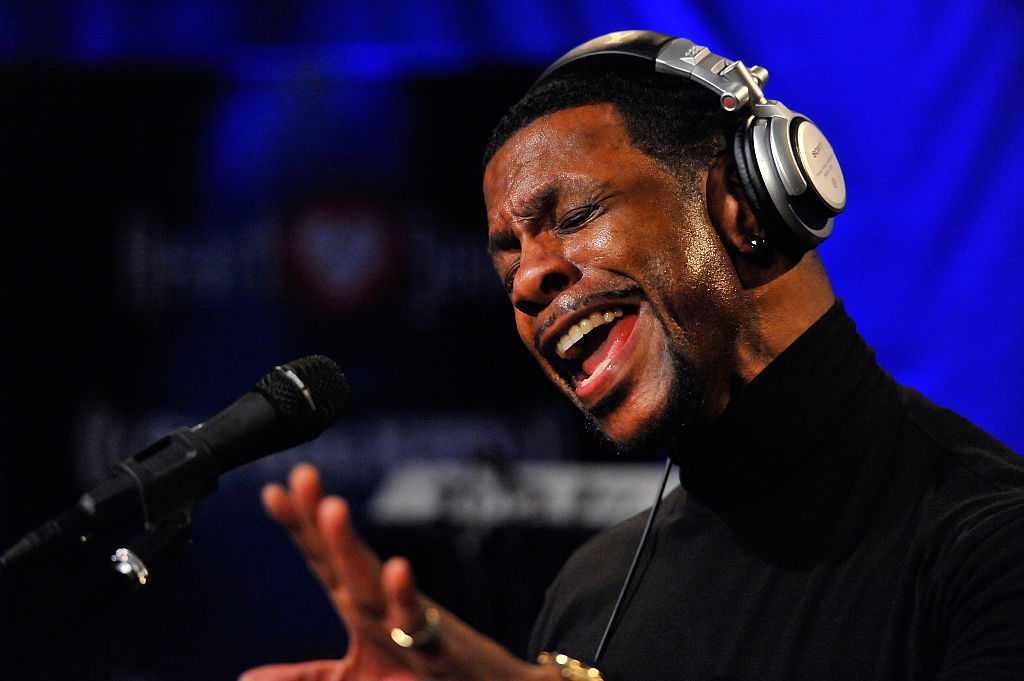
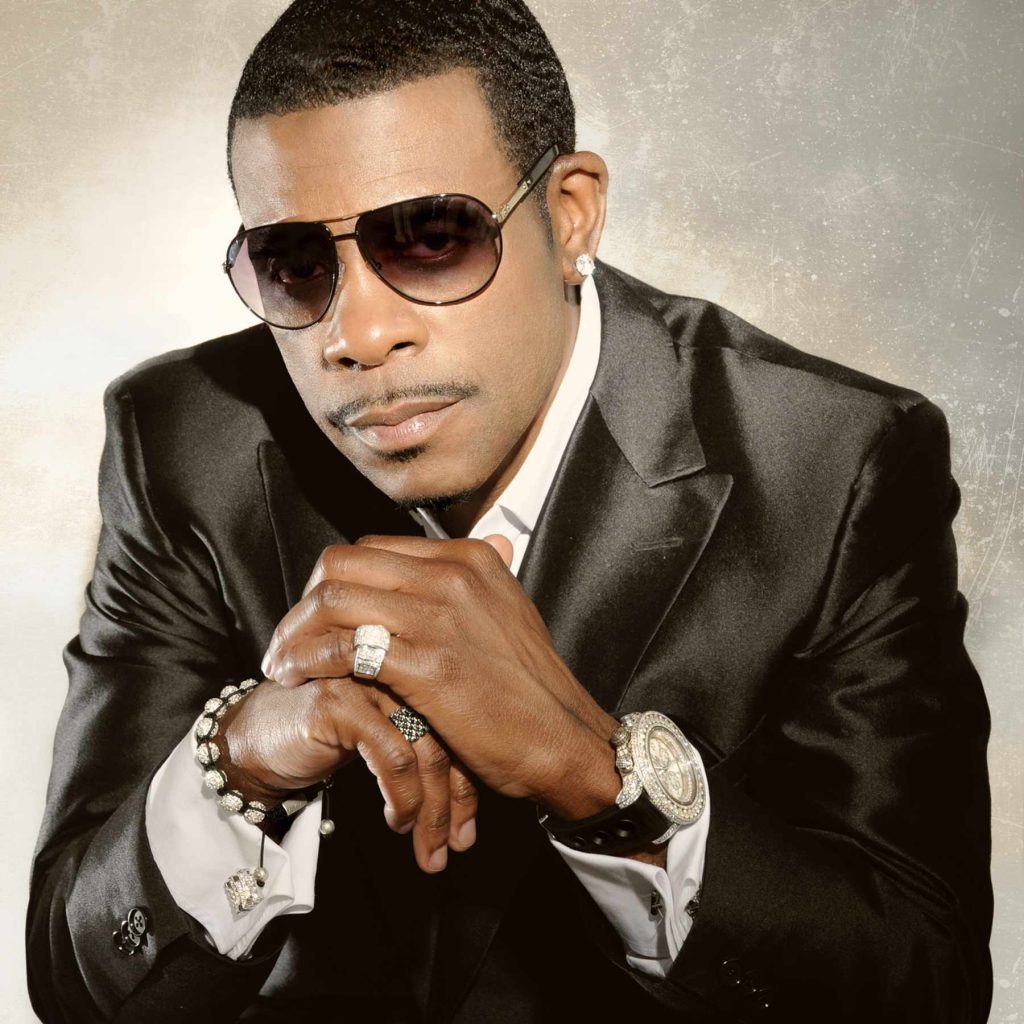
WASHINGTON, DC – MARCH 11: Keith Sweat performs on Heart & Soul at SiriusXM Studio on March 11, 2016 in Washington, DC. (Photo by Larry French/Getty Images for SiriusXM)
Some black singers are undeniable, and some fit into a niche of singers. In this case, “Beggars.”
… it’s the early nineties. Jaleel White, then riding high playing the “Steve Urkel” character on the sitcom Family Matters, is guesting on Arsenio Hall’s talk show. The subject turns to young Jaleel’s music tastes. Luther Vandross’ name comes up in conversation. Jaleel wasn’t a fan.
“He begs too much!” he said.
Okay, at the moment in black music when the New Jack Swing sound was hot and gangsta rap was around the corner, kids Urkel’s age didn’t want to know about any old-fashioned, bent-kneed romantics who apologize for things they probably didn’t do.
However, since the dawning of rhythm & blues, it was tacitly understood that rhythm & blues was the one genre where a person could beg and still retain their dignity when they got off the floor. When most R&B singers go into their pleading bag, they do so with the conviction of a preacher. Some aren’t even tender about it – they dead-ass attack those pleas with all the gusto of a hungry man at a buffet table.
So, without further ado, here are ten great rhythm & blues artists in the begging business. Some of these folks could make Luther Vandross look like Mr. T.
Tyrone Davis
The undisputed Godfather of Begging. Others have come before, and many have come since, but Tyrone Davis had a patent on it, starting with his first hit, 1968’s “Can I Change My Mind.” In that song, Tyrone threatens to leave, but chickens out when his lady doesn’t stop him.
After that single sold a million copies, Tyrone amped up the begging on subsequent releases. His prime begging moment was during the monologue on “I Had It All The Time,” where he calls his lover direct from Chicago’s O’Hare Airport, apologizing profusely for some mistake he made (“oh baby, yeah – I’m ready to CRAWL”), adding that he’s “had a lot of time to think (and) reminisce” – probably while drunk – “about all he good things about you….”: Coming dead close: “You Wouldn’t Believe,” where his wife walks out on him after accusing him of cheating.
Never mind that he’s so honest that he shows her his “pay stub so you can see how much I made.” Despite his forthrightness, she still thinks ole TD is tippin’. No wonder Tyrone is always pleading, even though he was probably in the right.
(2) David Ruffin
(3) Levi Stubbs
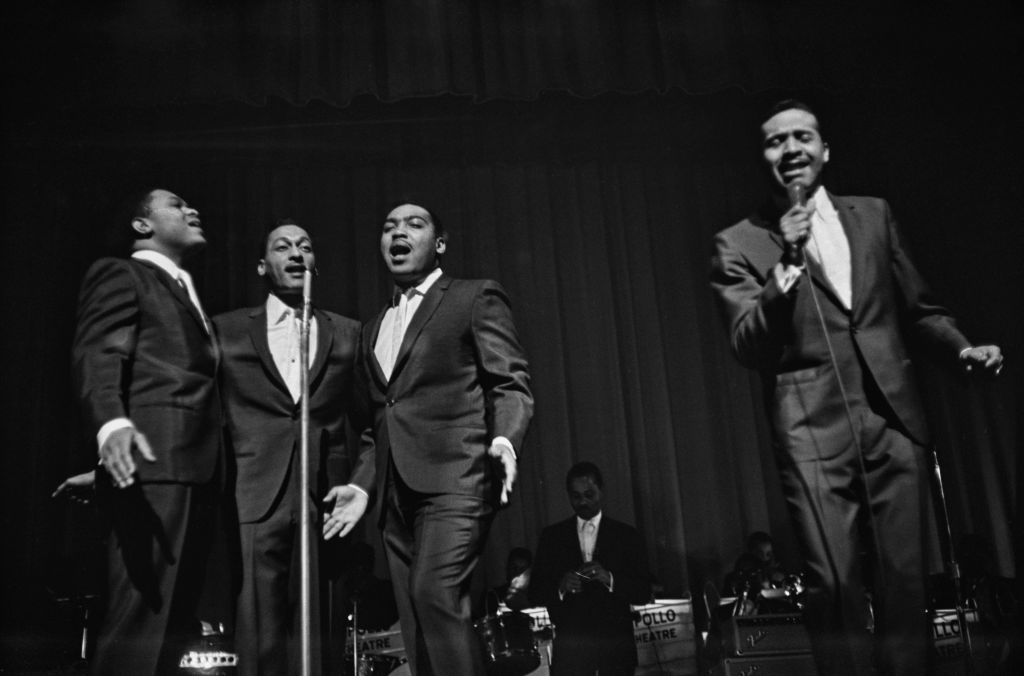
American soul singers The Four Tops (American singer Lawrence Payton (1938-1997), American singer Abdul ‘Duke’ Fakir, American singer Renaldo ‘Obie’ Benson (1936-2005), American singer Levi Stubbs (1936-2008)) perform live at the Apollo Theater in the Harlem neighbourhood of Manhattan, New York City, New York, circa 1965. (Photo by Don Paulsen/Michael Ochs Archives/Getty Images)
I call the respective lead singers of the Temptations and the Four Tops “arrogant beggars.” While both men could scuff their knees as well as anyone who wanted it real bad, neither man had the humility of Tyrone Davis.
Ruffin and Stubbs sounded a little more entitled. Right at the top of the Temptations’“Ain’t Too Proud To Beg,” Ruffin is right in your face: “I KNOW YOU WANNA LEAVE ME, BUT I REFUSE TO LET YOU GO!” He then adds that he will resort to begging if he has to, but his tone is so cocky that it comes off as a threat.
As for Levi Stubbs, he always had a vulnerable streak, even when he got the girl. Most of the time he’s usually living in mortal fear that she’s about to leave him – “Shake Me, Wake Me,” “Bernadette,” and especially “Standing In The Shadows Of Love,” where he almost invokes hell and damnation during the spoken passages.
His most defeated moment was “Baby, I Need Your Loving” – for once, his voice was unusually clear, not as gravelly, and you can bet he didn’t want to see his lifeline taken away by the woman he’s singing to.
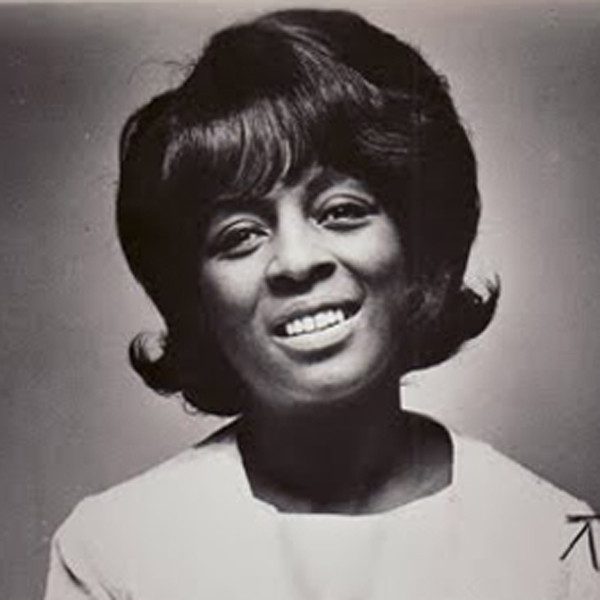
(4) Lorraine Ellison
In pure chart terms, Lorraine Ellison is fairly obscure (two songs in Billboard’s R&B Top 40 listings), but aesthetically, Lorraine recorded a body of work that is just as essential as Etta James or Aretha Franklin, with a strong cult following.
One of those two hits was 1966’s “Stay With Me,” which doesn’t hit you over the head with its greatness but rather sneaks up on you and smolders before you even know what’s going on.
The begging on this song was so intense that when Mary J. Blige remade it, she toned down the submissive lyrics. Lorraine was “asking and begging”; Mary J. was TELLING him. Despite this, Ellison’s original is still a powerful force. Out-of-tune trumpets and all.
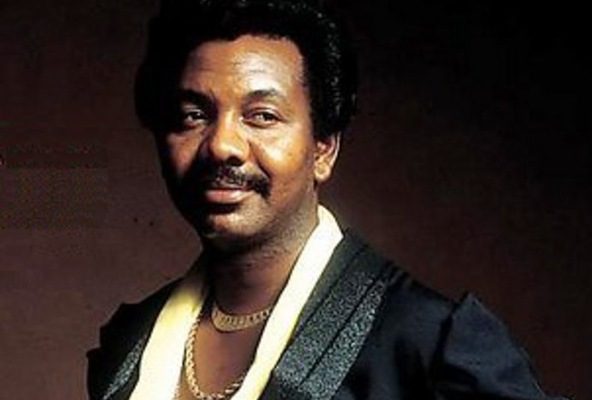
(5) Lenny Williams
Lenny was a former lead singer of Tower Of Power who struck out on a career of his own.
He recorded “‘Cause I Love You” twice on two different albums. The second version, on the Spark Of Love album, was the one that got the airplay, and again, it was the spoken bit that did it.
The phone calls went unanswered, the unfamiliar car parked in his lady’s driveway, the records he played all night till he didn’t want to hear them anymore, the television he watched “until television went off” – after all this, the man just snaps. Oh, oh, oh, oh…
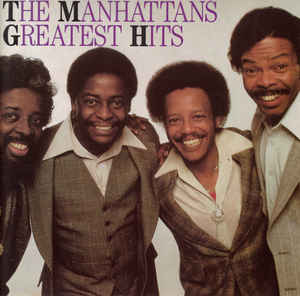
(6) The Manhattans
Blue Lovett was one of the greatest talking bass singers this side of Hoppy Jones from the Ink Spots. Several Manhattans’ numbers feature Lovett’s love-man raps (including the million-selling “Kiss & Say Goodbye”).
However, she’s leaving him on “Don’t Take Your Love.” In that deep, thundering voice, Lovett turned on the waterworks full steam, even invoking that old cliche “a man ain’t supposed to cry.”
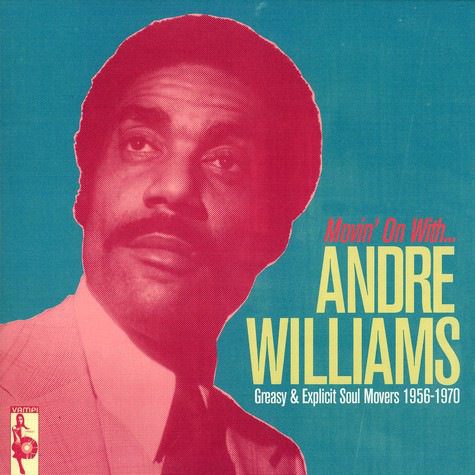
(7) Andre Williams
Andre was a jack-of-all-trades who split his time between Dallas, Chicago and Detroit, involved in the music business as a singer, producer and songwriter (his best-known number was likely “Shake A Tail Feather,” recorded by everybody from the Five Dutones to Ray Charles in the Blues Brothers movie).
As a singer, he recorded a ton of off-the-wall numbers, including “Bacon Fat,” “Rib Tips,” “Pearl Time,” “Cadillac Jack” and “The Greasy Chicken.”
However, he was not adverse to throwing his pride out the window if it would either get him laid or keep him out of jail.
Thus, “Let Me Put It In” was a frenzied appeal for, ah, a woman’s…attention (I’m being polite). In “Jail Bait,” he’s pleading to the judge not to send him to the Big House (I guess he didn’t think twice about asking the girl’s age).
(8) James Brown
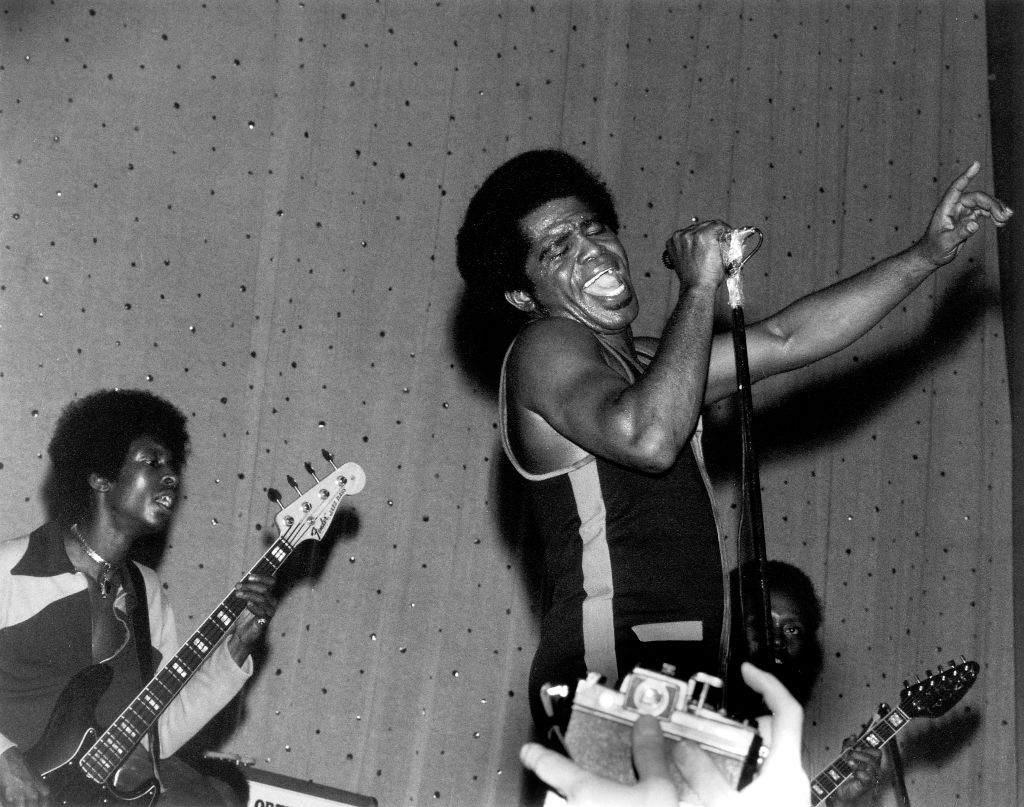
American soul singer and songwriter James Brown (1933-2006) performs live on stage with the J.B.’s, including bass guitarist Bootsy Collins on left and guitarist Catfish Collins (1943-2010) behind on right, in East Ham, London in March 1971. (Photo by David Redfern/Redferns)
What’s the Godfather Of Soul doing on a list like this? Well, in the fifties and early sixties, before he became the Minister Of New New Super Heavy Funk, he recorded a surprising amount of love ballads.
Even though the studio versions of “Please Please Please,” “Lost Someone,” and “Prisoner Of Love” will give you a good example of his vulnerability, you need to hear the live versions on the first two “Live At The Apollo” albums to really hear JB moaning about his romantic woes.
Especially on Live At The Apollo, Vol. 2, where he starts wailing off the mic in the middle of “Prisoner Of Love.” Whatever he was up to, I’m sure the Apollo audience loved it. The listener at home might not know what’s happening, but it doesn’t take long to figure it out.
(9) Jerry Washington
Again, it’s all about the monologue, which in this case threatens to be an entire soap opera. At the beginning of his 1972 southern-soul classic, “Right Here Is Where You Belong,” we hear Jerry asking some stranger where “Kim” lives.
Remarkably, the stranger obliges, giving him the exact apartment number. Jerry knocks on the door, knowing he’s in hot water with this lady. She angrily responds: “what do you want!” And then Jerry starts working his show: “wait, wait one minute, please…don’t close the door…I was just released from the hospital…the doctor told me that the medicine can’t do no good…he told me what I have is more serious than cancer…a very, very bad case of the blues….”
The rap is over, and then a vocal group starts sweetly harmonizing on the title. I sure hope Jerry (“it’s me, baby”) and Kim are reunited.
(10) Keith Sweat
Around the time of the Jaleel White/Arsenio Hall conversation related at the top of the article, New Jack Swing was the preeminent musical style of the day, fusing mainstream R&B with a hip-hop sensibility.
Along with Al B. Sure!, Guy, and others, Keith Sweat was one of the more popular acts in that idiom. Despite Jaleel’s protests, Keith was keeping the begging spirit alive.
What’s even better, he knows it and owns it. Most modern-day interviews with Sweat reveal that he is fully conscious of the great “begging” tradition in soul music. He is perfectly happy to be part of that lineage, even predicting that it will make a comeback…someday. With a fairly solid string of hits from 1987 onward, he’s doing his damndest to keep it going.
Jazz music is a genre that was invented by the black American community in the 1920s during the famous period called the roaring 20s. It is known for its intricate harmonious variations and its expressiveness.
In this article, we explore those who made jazz popular and what makes a song a jazz song. We also delve into the history of jazz music.
Miles Davis
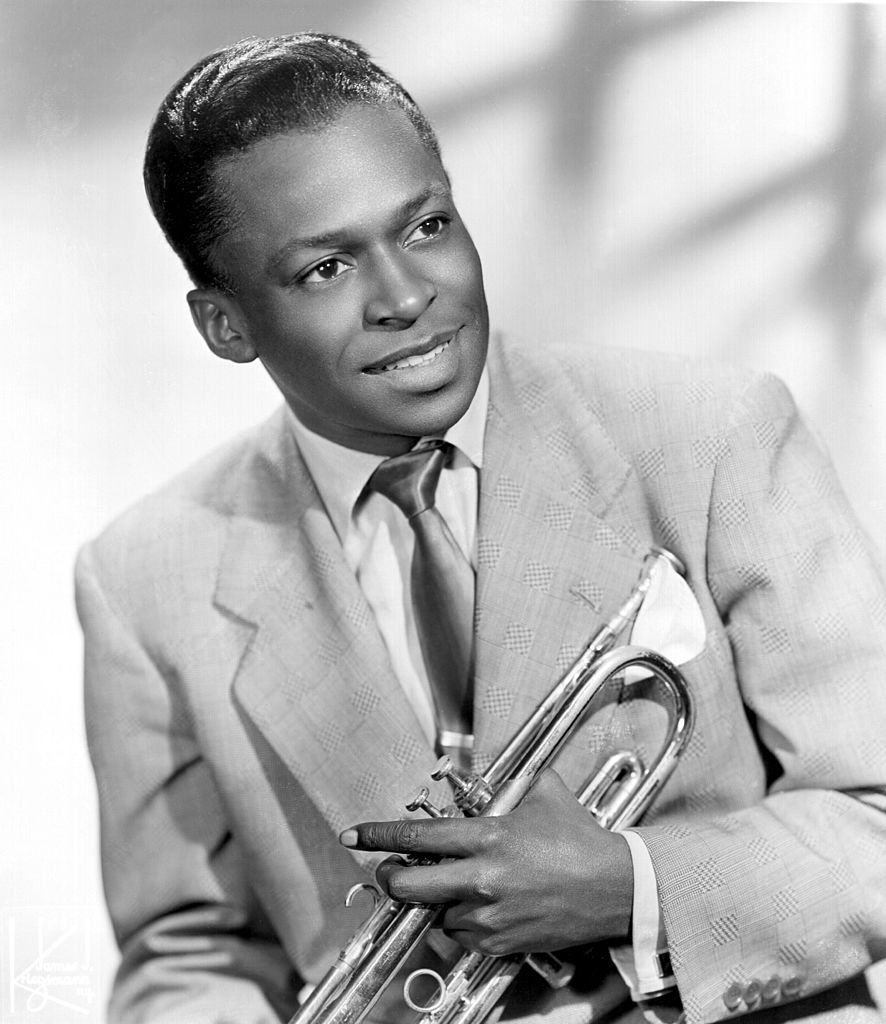
NEW YORK – 1948: Jazz trumpeter Miles Davis poses for a portrait early in his career holding his horn in 1948 in New York City, New York. (Photo by Michael Ochs Archives/Getty Images)
Miles started playing the trumpet as young as 13 years.
He won all the honor and glory that a jazz artist can achieve. This included six Grammys and won best-selling albums. Ten of his releases, some of the records were inducted into the Hall of Fame.
He changed his performing genre in 1944 to a new jazz sound, called be-bop, when he moved to New York. His contemporaries included artists like bandleader Billie Eckstein, and Charlie Parker, the alto sax giant. During his musical career, his two most significant and best-selling albums were: Miles Ahead, Bess, sketches of pain, and Porgy. He passed away at the age of 65 from a lot of health issues.
Sarah Vaughan
Sarah Vaughan and Ella Fitzgerald held the top two of the best jazz vocalist in their century.
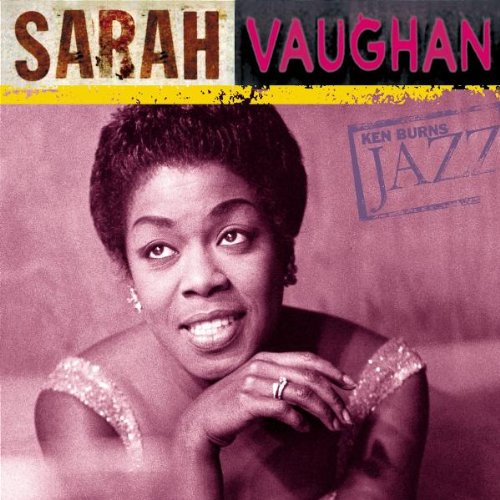
She was nicknamed “Sassy” Sarah won countless awards including four Grammys. She produced very many outstanding recordings. After got recognition after she received her first award in the historic talent contest at Harlem’s Apollo theatre. Michel Legrand, from France, did a recording with Vaughan. He commented and remarked as “she sings from the stars.”
Duke Ellington
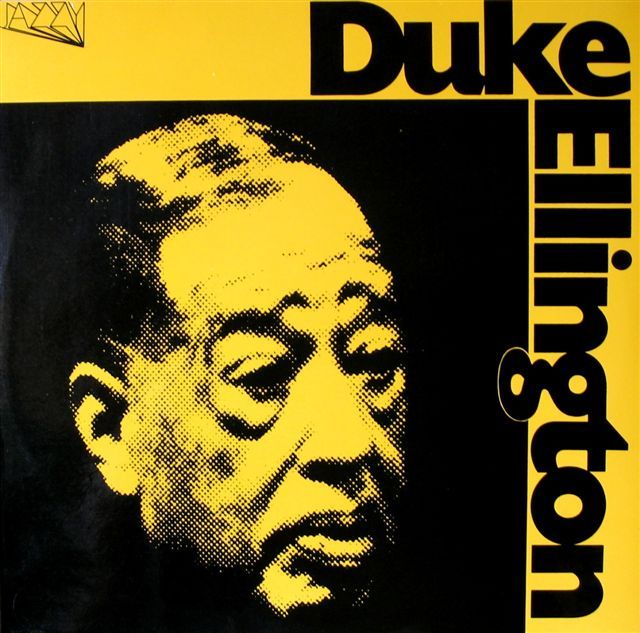
Duke Ellington is described as the most famous, charming, respected, talented, and elegant in the jazz industry.
He created jazz music for every kind of show, and business, which included both theatre and film. He kept his band alive so that he could hear how his imaginary musical notes on paper sounded in real-time. His listeners are always so appreciative of this.
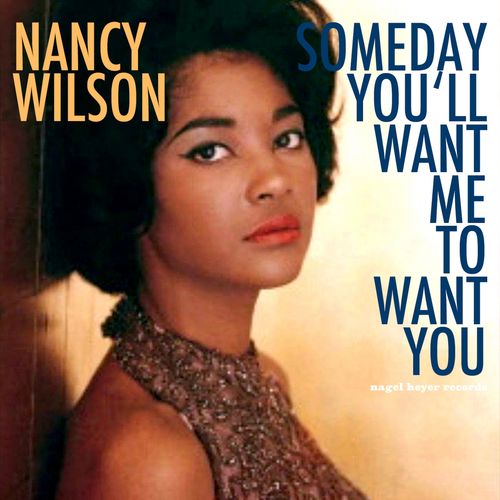
Nancy Wilson
Nancy Wilson did most of her performance on the road.
She arrived in New York in 1960 and signed with Capitol records. She first recorded and released jazz music hits with two of the Label’s stars George Shearing and Cannonball Adderley. Her career went from 1960 to 1971 when she had her TV show, and performed in jazz festivals, and clubs. She won many awards including, multiple Grammys and Martin Luther King Jr. Center for Nonviolent Social Change. She recorded and performed till 2011 before she retired. She passed on later in 2018.
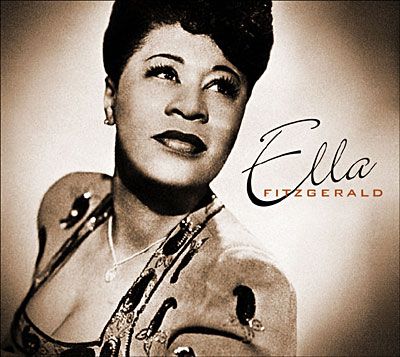
Ella Fitzgerald
Ella Fitzgerald sang swing better than any other artist.
She had power in her diversity. She started as a swing writer, went to be-bop, sang scat perfectly, and was an extraordinary jazz artist. Ella expressed no fear of modern material. With her beautiful voice, she went from blues to carols, to bossa nova, and calypsos. She sang with all her heart and her voice did not let her down. Ella was gifted with a range of three octaves, enunciation, and beautiful diction. Fitzgerald was as good as it gets.
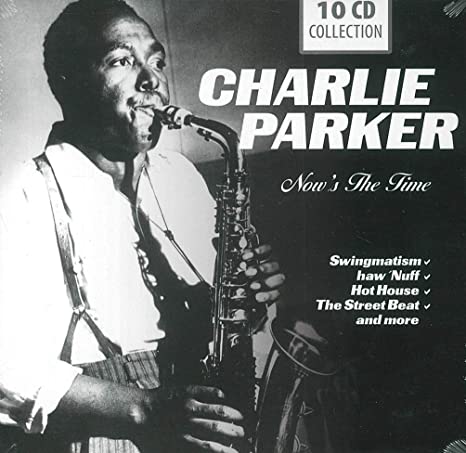
Charlie Parker
The Kansas City, Missourian, “the inventor of Jazz music” Charlie Parker started his Jazz musical career in 1930.
He was an alto saxophonist before he found himself inspired by the swing era of people like Ellington. Parker has received many forms of tribute; documentaries, stage productions, and biographies. The most regarded attribute of all times is Clint Eastwood’s Bird, the big screen docudrama. Clint Eastwood’s Bird is among the few classic movies about Jazz.
He, however, passed when he was 34. The whole world of Jazz keeps wondering how he would have developed the Jazz industry and the gems he would have produced and recorded. It was a sad time for his fans when they learned he had passed away at such a tender age and right when his career had started blooming.
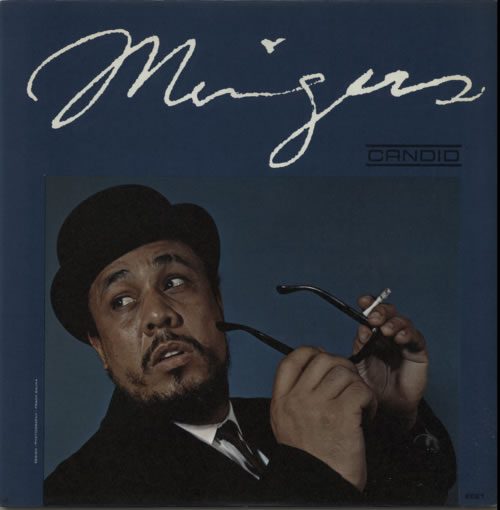
Charles Mingus
Charles Mingus was a well-known jazz musician from the 40s who was never found in one place.
He would be found starring the crowds in major Japan concerts. Interestingly enough, he recorded a whole album while performing in one of the Japanese concert halls. In the ’40s his main sound was more like the swing stars of that period, the likes of Benny Goodman. Later in his career, Charles became more open and versatile and would perform with artists from other eras. He performed and recorded with the likes of vibist Norvo Red and Guitarist Tal Farlow.
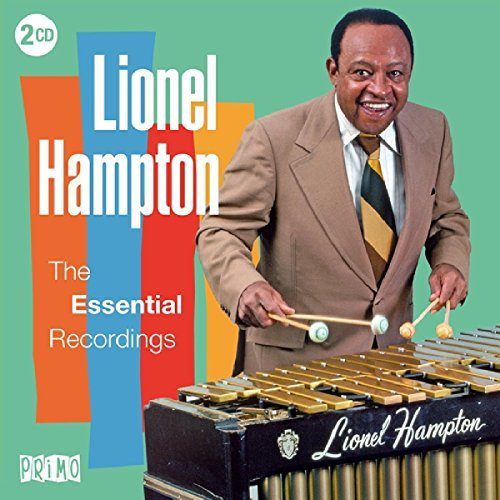
Lionel Hampton
Lionel Hampton’s career ran for seven significant decades.
He was a Jazz artist, vibes player, and bandleader. Lionel is greatly remembered for helping Goodman Benny tear down the rivalry between white and black musicians in “live” performances in 1936. One of his greatest developments was seeing Benny make it possible for Jackie Robinson to get into Major League baseball. He received numerous awards including the National Medal of Arts and some Honorary Doctorates.
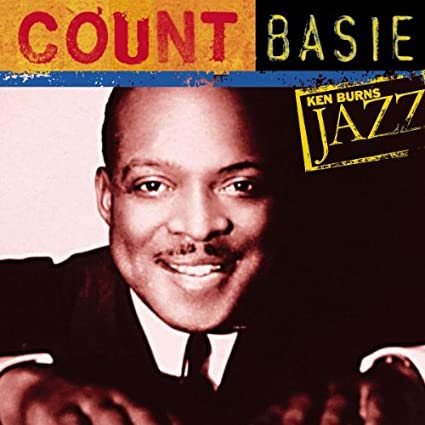
Count Basie
Basie started as a backup player pianist on the historic Black Vaudeville Circuit.
The show business eventually landed him in Kansas City, Missouri in 1935. He founded his band which carried him through half a century. Basie was called “the Kid From Red Bank.”
Count went by this name because of where he was from, Jersey. His instrumentalist gained professional experience working with him. Basie was most popular with Jewish comedians, well known as Jerry Lewis and Mel Brooks.
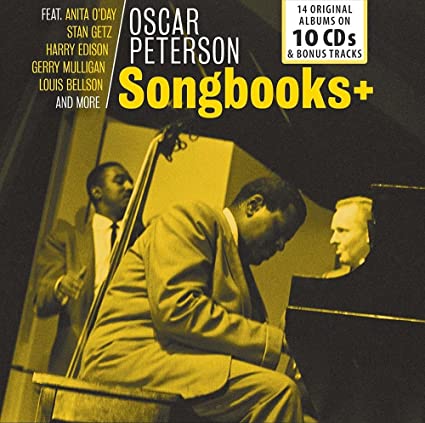
Oscar Peterson
Oscar Peterson was the founder of the Jazz school, The Advanced School of Contemporary Music in 1960.
He was a spectacular music writer, he wrote for different Canadian films such as the Big North and The Silent Partner, for which he won 8 Grammys. His record legacy takes weeks to listen to when played continuously and I bet you will find exemplary and brilliant music. He died in December 2007. He never stopped performing.
This list consists of the most brilliant black artists in the Jazz industry. They are the ones who invented and did not let the beautiful genre die.
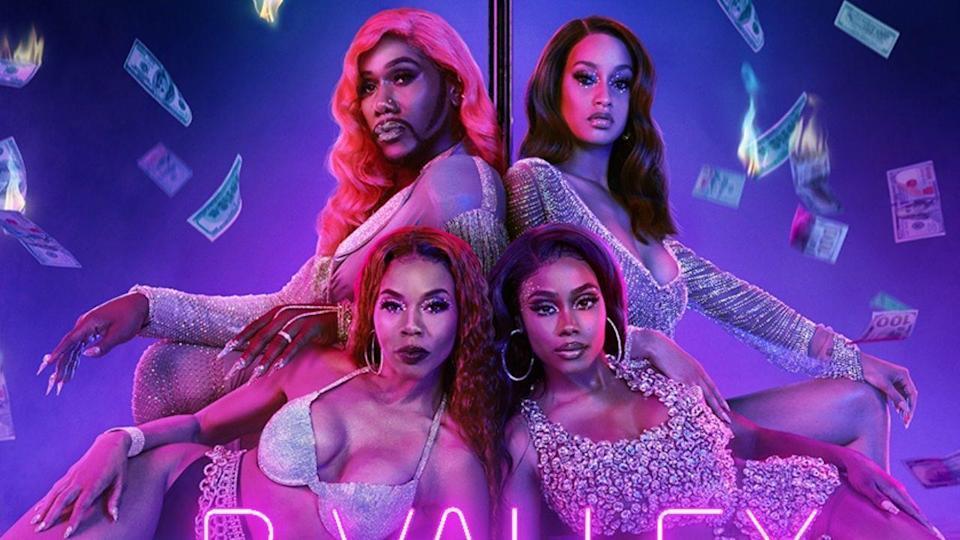
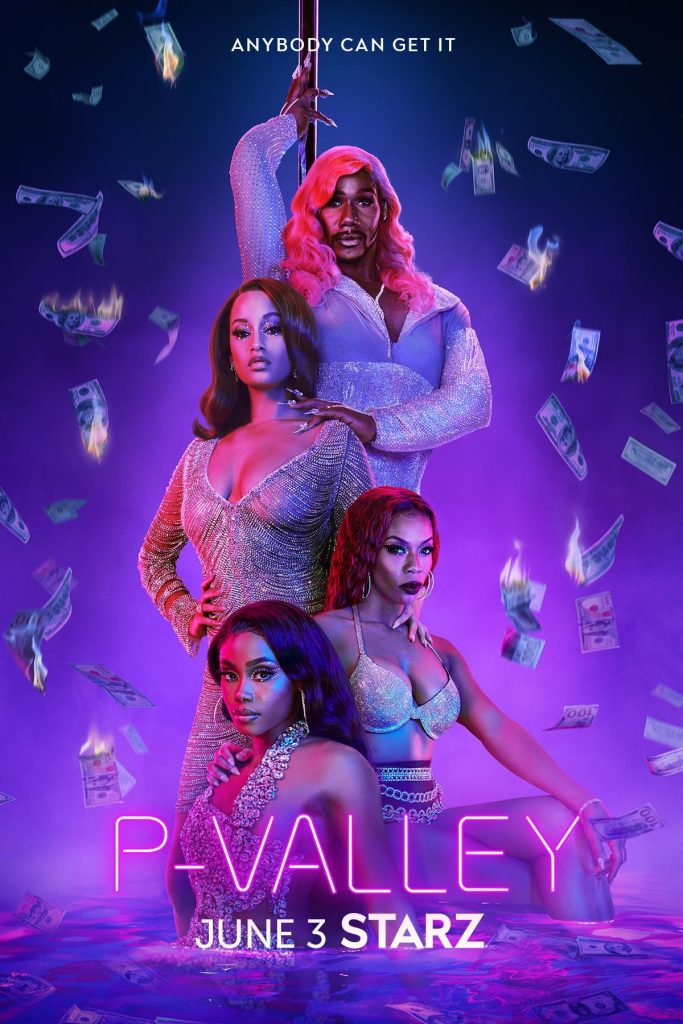
P Valley Season 2 The new season dives Deeper into the abyss and darkness of the stripper world and for some, it’s too much to handle but for others, it’s a must-watch. Either way, it’s a hit show for the Starz network and it targets several marginalized communities.
The 4th episode of the second season is the most risque and takes a deeper look into the personal lives of the P Valley cast and delves into everything that is attached to the stripper world, nightclubs, and more
P Valley is based on the imaginary town of Chucalissa, Mississippi.
When it comes to season 2 It seems nothing under the sun is missed in this particular episode but watching the entire first season and the second is required to understand the entire show. Filmed in Atlanta, the cast is on a short hiatus as of this writing and is in the process of working on season 3.
Cast members
Nicco Annan, Brandee Evans, Elarica Johnson and Shannon Thornton.
Additional cast members
include J. Alphonse Nicholson, Parker Sawyers, Harriett D. Foy, Dan J. Johnson, Morocco Omari, Dominic DeVore, Tyler Leply, Jordan M. Cox, and Skyler Joy. The show is based on Pulitzer Prize-winning Katori Hall’s play Pussy Valley. New cast members include John Clarence Stewart, Shamika Cotton, Gail Bean, Psalms Salazar, and introducing newcomer Miracle Watts.
Here are 10 reasons P Valley is such a great show
Brutally honest
The show is brutally honest to the point that to some, it might even be offensive. To others, it’s a must-watch. It’s intriguing and interesting at leaves no holds barred
Incorporates all facets of life
This is pretty much self-explanatory everything from Uncle Cliff (played by Nicco Annan) to Mercedes (played by Brandi Evans) having to supplement her income as an older stripper by being an escort to a coach and his wife.
Compelling stories
It’s a dark show that is suspenseful as well as a drama simultaneously that reels you in to see what’s gonna happen next. The catch is you never know. You’re lured in from the first couple of episodes and then for the rest of the season. Excellent writing and the show should last at least seven or eight seasons.
Black entrepreneurship
Another great thing about the show is the club that has been owned by generations of black owners. It’s a landmark in the fictional town of Chucalissa that is going through trials and tribulations within the political community with the mayor trying to take over the space to build a casino.
Relatable characters
Everything from strippers to transgender characters to politicians, religious leaders, and more showing all sides of themselves. The most controversial character you would think would be Uncle Clifford but actually, it’s Murda (a character played by J. Alphonse Nicholson) who is a burgeoning hip-hop artist who operates on the DL in order to have a career in the industry.
Everything is OK from the strippers to lesbian scenes even the flamboyant Uncle Clifford but the sex scenes between Murda and a new character Big Teak (played by John Clarence Stewart) set the internet ablaze with homophobic attacks.
Producer and writer Patrick Ian Polk responded to the backlash to people like Lil Duval by saying “The reality is: a lot of these “straight” men are triggered by these gay love scenes. Watching them brings up questions they have about their own sexuality. That ain’t got nothing to do with us or #PValley. Do the work; look inward!” and he’s absolutely right.
Extremes
Unlike any other TV show you see a lot of extremes. You’ll see what I mean when you look at the fourth episode from the second season.
Hypocrisy of religion
Usually, we are only shown one side of religion on TV and it is a side that is all about the Bible and God … it is rare that we see preachers cursing people out and having a totally different other side but on the show we get a great example of this.
BLACK Straight and LGBTQ plus relationships
We are bombarded in the media with interracial couples rarely seeing black couples straight or gay and in P Valley not only are the LGBTQ plus relationships black but so are the heterosexual relationships (excusing one that is interracial and abusive) … it is good to see black love and that it too … can exist.
Creativity
In the first two episodes of the second season, the club is closed because of Covid it’s very interesting to see how they create a stripper car wash to make money for the club. Who would’ve ever thought of this idea?
Hypocrisy of politics
We all know their politics can be very dirty and this show is no exception. It shows an honest black man Andre Watkins (played by Parker Sawyers) running for mayor of the city who had an affair on his wife and then when he caught her having an affair on him later on, he was ready to leave. He’s not even from the town but he’s running for mayor and it will be very interesting to see how this plays out.
The 90s gave us Tupac, Wu-Tang Clan, and a record number of other rappers and singers. However, with such a variety of great artists, it’s difficult to name which ones were the best and brightest. Nevertheless, we have scoured the web and found the diamonds among the gems of best 90’s songs, based on listener count, acclaim and awards, and how well it has aged into the 21st century:
“The World Is Yours” By Nas (1994) – Best Songs From The 90s
Probably one of the best rap songs of all time, Nas’ hit from his most-listened-to album, Illmatic (originally titled Stillmatic and The Lost Tapes), presents us with a story that many of us can identify with about overcoming poverty, racism, and violence. And we can’t even talk about the tragic irony of this song, which spins the idea of the world being our oyster into something sadder and grimmer when he renames the big apple with the moniker of “the rotten apple.”
“No Scrubs” By TLC (1999) – Best Songs From The 90s
Now let’s talk about “No Scrubs,” because this song puts into words every thought every wronged woman has experienced about dating a lazy, desperate man. It’s also a song that empowers women to say no to these men who are constantly, “Hanging out the passenger side of his best friend’s ride/Trying to holler at .” There’s so much more to say about this 90’s hit, but let’s leave it with this: the spunky lyrics definitely a 9/10, the fact that it still sits as no.1 in Billboard’s Chart History a solid 10/10, and their MJ and Janet Jackson-esque “Scream” look from their music video a close 8/10, thus making this song one we’ll never forget.
“Killing Me Softly With His Song” By Fugees (1996) – Best Songs From The 90s
Based on Roberta Flack and Lori Lieberman’s 1973 song of the same name, “Killing Me Softly With His Song” brought us to our knees and drove grown men to weep over its words of grief. While the lyrics were not written by the Fugees, Lauryn Hill sings it as if the words and the pain in it were her own.
When the song first came out, in the summer of 1996, over 3 million people bought it, and all they could do was listen to it to drown out the summer heat and exorcise the pain of lovers that “kill them softly.”
“No Diggity” By Blackstreet ft. Dr. Dre and Queen Pen (1996) – Best Songs From The 90s
You know that song Anna Kendrick started rapping (and surprisingly killing) in Pitch Perfect, well apparently it was by Blackstreet and once you listen to the original, you’ll understand why it’s on this list. Talking about a girl he has feelings for, Blackstreet comes complimenting this girl, saying, “no means average/She’s on when she’s got to have it/ Baby, you’re a perfect ten” and has all of us wanting a man to go gangsta and gives us his game.
“C.R.E.A.M.” By Wu-Tang Clan (1993) – Best Songs From The 90s
For all you anti-capitalist aficionados, you’ll find yourself in good company with “C.R.E.A.M” (Cash Rules The World Around Me); the song reveals the hopeless reality of capitalism, which traps many into a life of either crime or poverty.
Of the videos that the Wu-Tang Clan have uploaded to their YouTube channel, “C.R.E.A.M.” is by far the most loved, with over 90 million views. And their popularity is also matched by the fact the song was their highest-charting single hitting No. 60 in 1994.
“Say My Name” By Destiny’s Child (1999) – Best Songs From The 90s
Another song that’s made its round into Hollywood films, namely last year’s iteration of The Candyman, is Destiny Child’s “Say My Name.” This song is an anthem for all strong Queens who just want Kings to see their worth, and it’s also a song for those who just long for the times of black girl groups and their color coordinating styles.
Plus, we cannot forget to thank Queen B. for giving us her Gold Pick and Drop braids, cause this inspired countless looks throughout the years.
“The Boy Is Mine” by Brandy and Monica (1998) – Best Songs From The 90s
Brandi has treated us with her color-blind casting of Cinderella (i.e. the only Cinderella that exists to me) and some of the best songs, including I Wanna Be Down and Baby, but nothing compares to “The Boy Is Mine”. It has everything we need in a song: drama, a perfect hook, and beautifully blended vocals.
And while it’s not played as much today, it had a chart-topping run, during its prime with it spending 13 weeks at no.1 in the US, which made it the all-time no.1 female duet in US chart history.
“Hit Em Up By 2Pac ft. Outlawz (1996) – Best Songs From The 90s
Ok, anybody that knows me knows that I’m a hardcore pacifist and not interested in hearing the “n” word being shouted in my ears, but when I first heard 2Pac belting about cutting young ‘n-word’ ass up and “leaving in pieces,” I had to bob my head along, cause his tracks were that good. This song and all of his others have lived with us, since his tragic death in 1996.
And if you’re really feeling nostalgic for his sound, you may get a chance to see him (or at least his hologram) at the next Coachella.
“Otherside of The Game” By Erykah Badu (1997) – Best Songs From The 90s
“Otherside of The Game” comes to us as a beloved house single. If you’re feeling tired or dragged down by life, you’ll find a kindred soul in Erykah Badu. From talking about her questionable job to questioning whether or not she wants her baby, Badu exposes us to the reality of what life can be, but also makes all of us, with our repressed pain and sad circumstances, feel seen and heard.
“SpottieOttieDopaliscious” By Outkast (1998) – Best Songs From The 90s
While Outkast has since broken up, we still have this beloved single, which seems to hit us like the highest high we’ve ever felt. Not too fast and not too slow, this song is just right, and is spoken like poetry, “Taste of nightlife, me? Well, I’ve never been there, well perhaps once But I was so engulfed in the “E”/I never made it to the door you speak of hard core/While the DJ sweating out all the problems and troubles of the day.”
And unlike the words in this song, listeners won’t be wasting their time with the humdrum of nightlife when they have this diamond in the rough.
The best songs from the 90s is a list comprising songs of our childhoods and adolescence, and, if you’re anything like me, these songs will stay with you for the rest of your life.
Comedy should be debated like sports. For every fan of Jordan, there are those who feel Kobe or Lebron tops him. For every Brady acolyte, there’s a Mahone disciple or a Rogers apostle. That’s because comedy, like sports, is not so much a matter of stats, but also favorites.
Just as some athletes spark your imagination and inspire, comedy meets the same criteria. I don’t know which comedy movie is the funniest of all time. A lot of one’s opinion is based on one’s age, life experiences, and mood when you first watch the film. So, this list, like most, will be scrutinized and for some, it will make heads explode, but despite all that, nobody can say these particular movies aren’t hilarious gut busters. See what I mean . . .
LET’S DO IT AGAIN
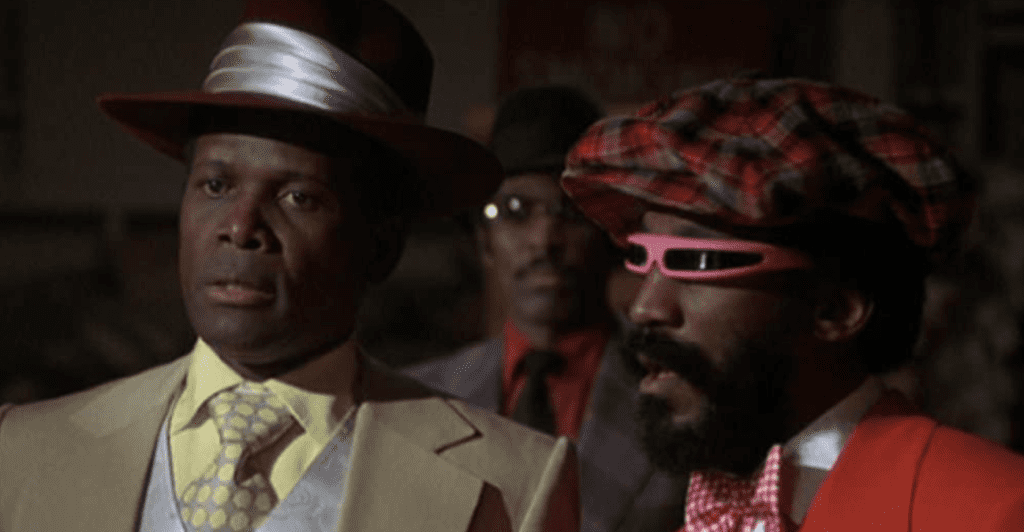
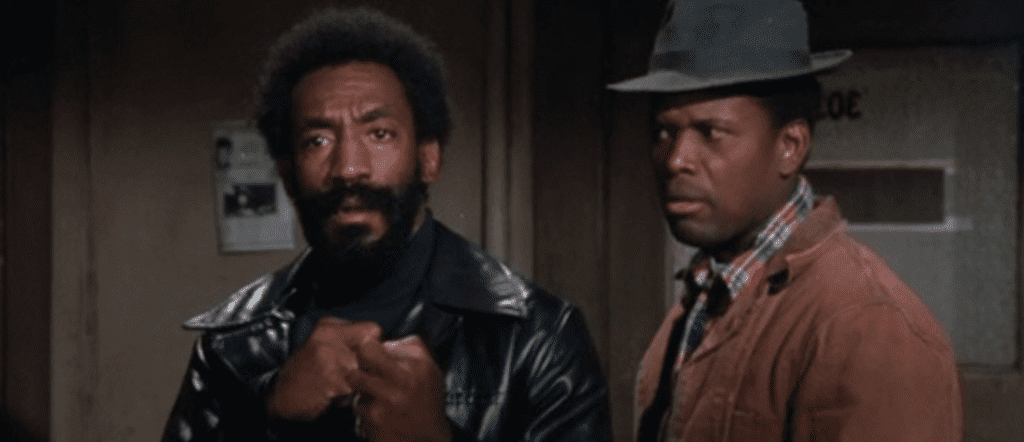
This film is the second entry in the Poitier/Cosby trilogy of comedies. The first was Uptown Saturday Night. The Third – A Piece of the Action. Like the others this one was directed by Sidney Poitier and co-stars himself and Bill Cosby. Jimmie Walker, Calvin Lockhart, Ossie Davis, Denise Nicholas and John Amos appear, along with a cameo by George -Foreman. In all the films the names of Poitier and Cosby change as do their professions.
In Let’s Do It Again, the duo plays blue-collar workers who scam to make money for their financially strapped lodge. Poitier knows how to hypnotize, and Cosby has a plan. They’ll make the longshot boxer (Walker) think he’s a fierce fighter, bet heavily on him winning and clean up. The scheme works like a charm until the gangsters who lost money on the plot figure it out and pay Poitier and Cosby a little visit. They want to get even. Either the two again use hypnotism to rig the upcoming title bout or the two will be out for the count. It’s an offer they can’t refuse, only they can’t get back into Walker’s training facility – security is beefed up for the new champ. So, they hypnotize the other boxer, and the result is a match that’s a draw. Of course, the two buddies bet on this and the gangsters are once again on their trail.
Let’s Do It Again is considered the best of the trilogy in all aspects. The music is outstanding, with a memorable soundtrack by the Staple Singers. The critics loved it and the audiences were happy. The film grossed $11.8 million dollars on a $70,000.00 budget
COMING TO AMERICA
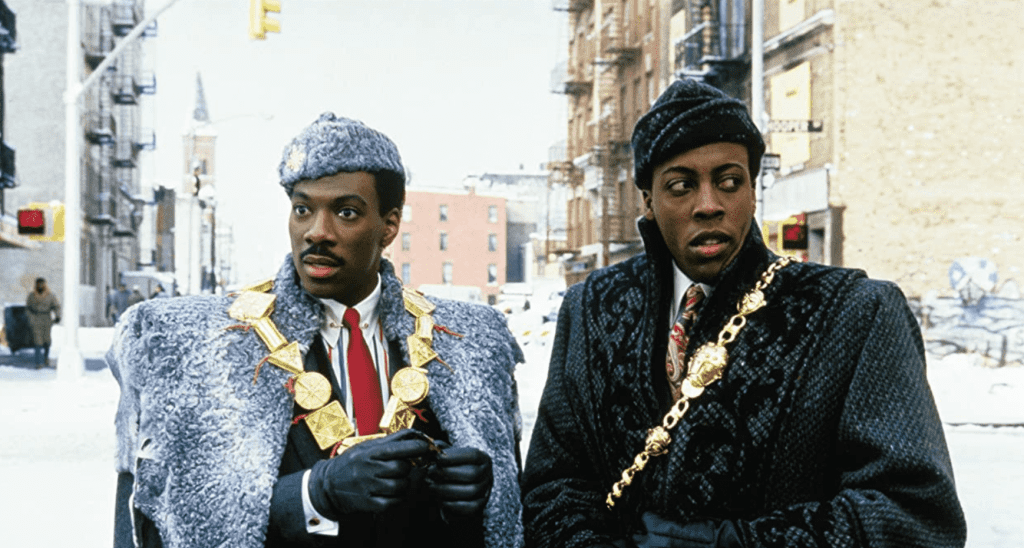
Reuniting Eddie Murphy and director John Landis, the comedy is about the African crown prince, Akeem Joffer, from the fictional nation of Zamunda, who comes to the United States in the hopes of finding a bride. The film co-stars Arsenio Hall, James Earl Jones, Shari Headley, and John Amos.
Following a negative press screening in New York, Paramount canceled all press screenings of the film. Their concern proved to be unfounded as the film was a commercial box-office success, both domestically and worldwide, grossing $288,752,301, making it the highest-earning film that year for the studio and the third-highest-grossing film at the United States box office.
Coming to America was nominated for two Academy Awards for Best Costume and Best Makeup. The soundtrack also did well. Two singles (“Coming to America” and “Come into My Life”) were released and the song, “That’s the Way It Is” went to the top ten in the UK.
It seemed the only downside was the 1990 Buchwald v. Paramount civil suit. Humorist Art Buchwald claimed the film’s idea was stolen from his 1982 script treatment; a treatment Paramount had optioned from him, with John Landis attached as director and Murphy as the lead, but after two years in development, the studio dropped the project in 1985. Then in 1987, Paramount began working on Coming to America based on a story by Murphy. Buchwald won for breach of contract and settled out-of-court.
WHICH WAY IS UP?
This was Richard Pryor’s first major starring role, and he did not disappoint his fans. Based on the Italian comedy, The Seduction of Mimi, Which Way Is Up? tells the story of a Black fruit picker trying to hide his mistress from his wife. Michael Schultz directed the hilarity, and the laughs roll from beginning to end.
Pryor delivers a tour-de-force as three characters: the fruit picker, his daddy, and the preacher who screws his wife and gets her pregnant. That happened because the fruit picker left his family (with their permission) to go to Los Angeles to pick more fruit. Of course, there are women in Los Angeles and the fruit picker meets one and falls in love with her; probably because she’s super fine (as played by Lonette McKee). He returns home but takes his new family with the fine girl with him and stashes them across town. Back to that preacher. He just did what preachers do and screwed a member of his congregation who just happened to be the fruit picker’s lonely wife. It all ends with the fruit picker walking up the road all by himself.
Which Way Is Up? was not adored by critics, but when did that ever matter when it comes to comedy? Critics who review movies for free like wit. Paying moviegoers like to laugh. This flick delivers. It also delivered a cast consisting of Margaret Avery, Morgan Woodward, BeBe Drake, Otis Day, Luis Valdez, Danny Valdez, and Paul Mooney.
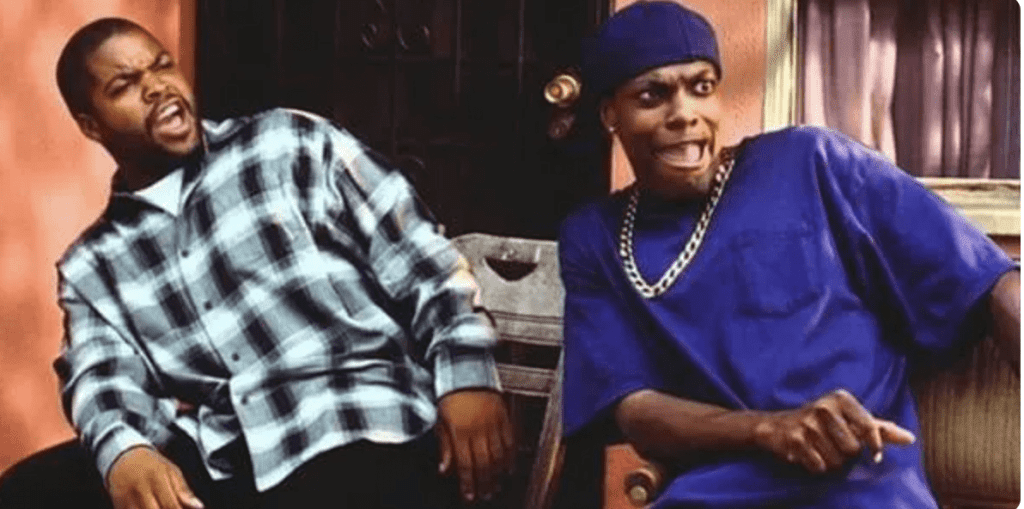
FRIDAY
This was rapper, Ice Cube’s first foray into comedy and he and co-writer, DJ Pooh knocked it out of the park. The story of a day getting high was a box office success and made co-star, Chris Tucker a movie star. Directed by F. Gary Gray (his first film), Smokey (Tucker), a low-level weed dealer must pay the dope man (Faizon Love) $200 later that night and he’s just kicking it getting high with his newly unemployed buddy Craig (Cube) until he can figure out how he’s going to do it. That’s pretty much it with the rest being the hilarious antics that situation is bound to set up.
All the neighborhood characters are there. You’ve got the crackhead (A J Johnson) always looking to get some money for the sole purpose of hitting the pipe; the Pastor (Bernie Mac) who’s always lurking around to lay ‘hands’ on the sisters in need of ‘hands’; the unattended to or horny wife (Kathleen Bradley) who the Pastor lays his ‘hands’; the husband of the unattended wife (Tony Cox) who catches the one he said vows with and the guy they might’ve said them in front of involved in ‘hands’ laying; the fine-girl-in-the-ghetto (Nia Long) who Craig likes; the hood bully (Tiny Lister) who whoops you and takes your stuff or vice-versa; the poot-butt (D J Pooh) who gets his stuff taken from the bully and the girl who begs so much you’ve got to tell her ‘bye’ (Angela Means).
All fun and games aside, Smokey is in a life-or-death situation. If he doesn’t come up with $200 – it’s curtains. Death for Craig, too by association. With his life on the line, Craig starts packing a pistol and gets caught by his dad (John Witherspoon) who tells him to fight with his hands, not a gun. Good advice, but it seems meaningless later when confronting the bully, but he gives the fists thing a try and is losing – badly. So, Craig tries more than his fists – things like a brick and wins. Smokey steals the unconscious bully’s money and pays his dealer; the crackhead gets his shoes and Friday spawned sequels.
Friday also featured the talents of Anna Maria Horsford, Regina King, Yvette Wilson, Reynaldo Rey, Paula Jai Parker, Ronn Riser, Terri J. Vaughn, WC, Meagan Good, Michael Clarke Duncan, Vickilyn Reynolds, and LaWanda Page. On a budget of 3.5 million, the film grossed $24,467,564 domestically and $748,354 internationally for a total worldwide box office gross of $28,215,918.
STIR CRAZY
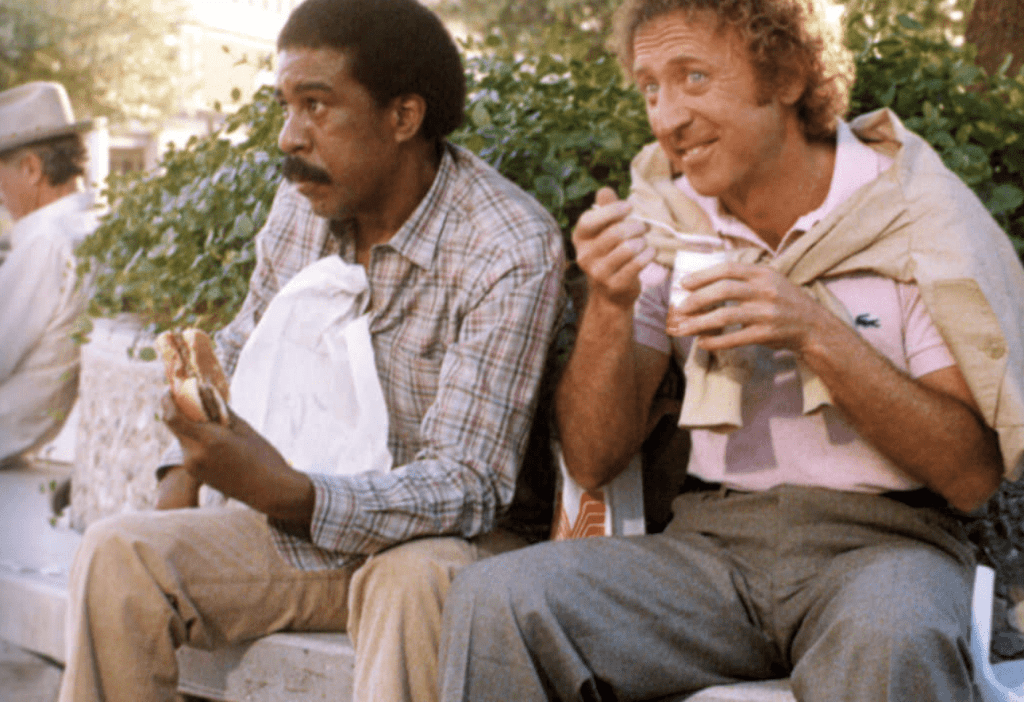
This Richard Pryor / Gene Wilder comedy marks the first time a film directed by a Black director grossed over 100 million dollars. The director was Sidney Poitier, and the true figure was $101,300,000 on a $10 million budget. It was the third biggest box office hit of 1980 right behind The Empire Strikes Back and 9-to-5. With music by Tom Scott, Stir Crazy was a fun ride.
The story is about mistaken identity. Pryor and Wilder are in the entertainment business but have soured of living in New York. So, they pack up and head to Hollywood, taking odd jobs along the way. One of those gigs is a promotion for a local hick bank. The duo dressed up like giant chickens and dance around like fools singing a silly song. When Pryor and Wilder go on their lunch break, two unsavory characters steal their chicken suits and rob the bank. When our clueless and hapless heroes return to work, they’re arrested and put through a hasty trail that nets them 125 years in a maximum-security prison.
Life behind bars does not agree with Pryor and Wilder. Between their court-appointed lawyer asking them to relax while he appeals and the guards attempting to break them down, they’re ready to go. Their exit strategy makes its appearance in the form of a lucky break. The cocky warden wants to humiliate the two New Yorkers and test their manhood by having them ride the mechanical bull in his office. To the warden’s surprise, as well as that of his galoot guard, Wilder can not only stay on the bull, he’s a natural-born rodeo star. This gets the warden to thinking. If he has Wilder ride in the upcoming annual rodeo then he can finally win the big bet from the warden at the competing penitentiary.
The warden’s plans fail when Wilder refuses to participate. The guards make him work until he’s supposed to drop. He still won’t do it. They put in solitary confinement. No, he won’t do it. Finally, he agrees as long as the warden gives him a bigger cell and lets him pick his own rodeo team. Agreed. The team is made up of the group of prisoners Pryor and Wilder have befriended and who all plan to escape during the rodeo. That plan works wonders as the huge mass murderer opens a panel for each member of the crew to slip out. Once Pryor and Wilder leave they all meet up and some of the crew head off to the south of the border. As Pryor and Wilder drive off in their car the court-appointed lawyer cuts them off. He got a judge to let them off with his newly submitted evidence. They’re free to go on with their lives and Pryor, Wilder, and the lawyer’s cousin, who Wilder is now hooked up with, drive off into the sunset as the lawyer waves his goodbye.
Stir Crazy received favorable reviews. Written by Bruce Jay Friedman, the film featured the talents of Georg Sanford Brown, Franklyn Ajaye, Grand L. Bush, Jobeth Williams, and Craig T. Nelson.
UPTOWN SATURDAY NIGHT
Directed by Sidney Poitier, this classic comedy is the first in a trilogy that included Let’s Do It Again (1975) and A Piece of The Action (1977). All three films starred Poitier and Bill Cosby. This outing also co-starred Harry Belafonte as Geechie Dan Beauford.
The story revolves around a robbery. Poitier plays a straight-arrow working man on a two-week vacation. Cosby is his wild sidekick, who talks him into going to Madam Zenobia’s nightclub. Next thing they know robbers have everybody stripping naked and stealing everything not down their throats. Unfortunately for Poitier, his wallet wasn’t down his throat and it held a winning lottery ticket, which he now has to get back, with the help of Cosby of course. That’s when the real fun starts.
This film features some of black Hollywood’s most enduring legends. Richard Pryor plays a con man who gets busted right after taking their money to crack the case. Harold Nicholas of the dancing Nicholas brothers plays Little Seymour Pettigrew, a diminutive gangster with a bodyguard named Big Percy. Flip Wilson is a reverend. Roscoe Lee Browne is a congressman and Paula Kelly is pretty much Paula Kelly, but they called her Leggy Peggy. Other cast members include Rosalind Cash, Calvin Lockhart, Lee Chamberlin, and Lincoln Kilpatrick.
Uptown Saturday Night was an immediate success. Written by Richard Wesley and Poitier, the film was produced by First Artists and Melville Tucker. The budget was $3,000,000 and the box office take was $6.7 million.
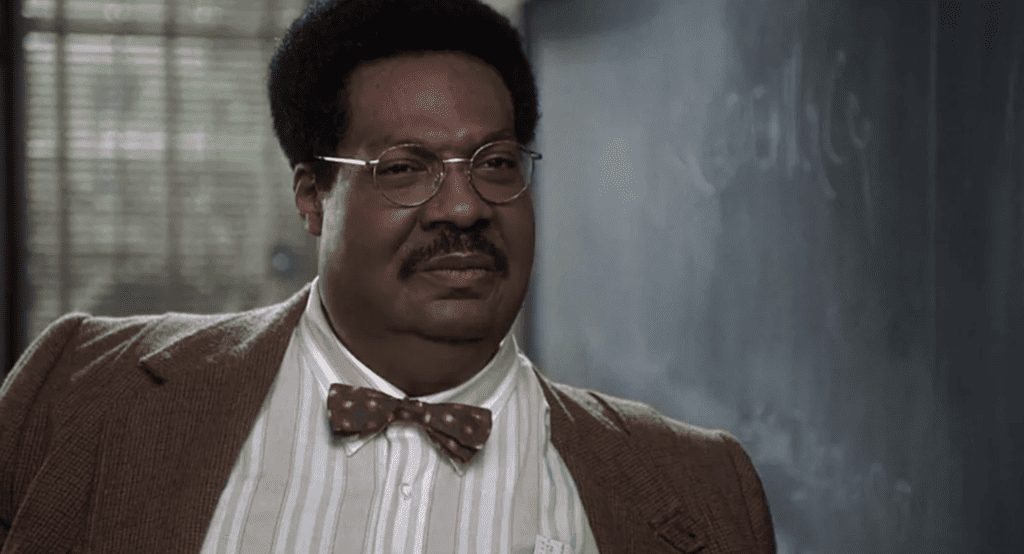
THE NUTTY PROFESSOR
This was considered an Eddie Murphy comeback film. It wasn’t the first or the last. After his first slump, the unholy trilogy of The Distinguished Gentleman, Beverly Hills Cop III and Vampire in Brooklyn, Hollywood was ready to remove Murphy’s nameplate from his studio parking space until the 1963 Jerry Lewis remake got made. Hollywood had to be quiet until the next slump from the mega-star.
In this updated version Murphy plays the portly Professor Sherman Klump, a genius with a weight loss formula. It makes him develop a slim, toned, wild, and crazy alter ego who gets the unknowing Klump in plenty of real-time trouble. Originally based on Robert Louis Stevenson’s ‘Strange Case of Dr. Jekyll and Mr. Hyde’, Klump’s dilemma is that the alter ego, once controllable, takes over. The climax occurs when Klump regains his life and banishes the thin man.
The Nutty Professor co-starred Jada Pinkett, Dave Chappelle, Larry Miller, James Coburn, Jamal Mixon, John Ales, and Montell Jordan as himself. Eddie Murphy displayed his versatility by playing his entire family – his father, mother, grandmother and brother as well as a Richard Simmons parody character. The film deservedly won an Oscar for Best Makeup. Tom Shadyac directed, and Jerry Lewis was one of the executive producers.
The critics loved the film and so did the ticket-buying public. On a budget of $54 million, The Nutty Professor earned $273,961,019 at the worldwide box office. Murphy even received a Golden Globe nomination for Best Actor. This so-called lightning in-the-bottle fluke even spawned a sequel (2000’s Nutty Professor II: The Klumps). The comeback was complete and the string of flops was over; that is until Showtime, The Adventures of Pluto Nash, I-Spy, Daddy Day Care, The Haunted Mansion . .
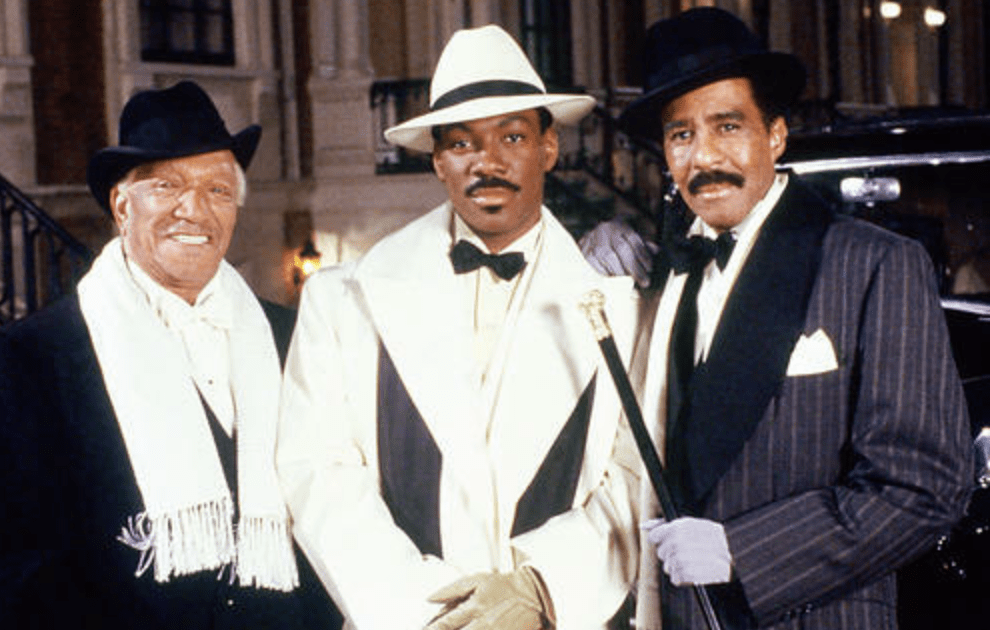
HARLEM NIGHTS
Written, executive produced, and directed by Eddie Murphy, Harlem Nights featured practically every working veteran comedian of the era. Richard Pryor plays Murphy’s surrogate father who raised him and taught him how to get over in the world of crime after young Murphy shoots a man to save Pryor. They end up running a nightclub in Depression Era Harlem where criminal activity and corruption are always lurking in plain sight. And speaking of sight, Redd Foxx plays a damn near blind partner of the duo. Robin Harris and Charlie Murphy are henchmen. Arsenio Hall is a rival gangster and Della Reese runs the hoes at their brothel. Also featured are Tommy Mikal Ford, Jasmine Guy, Berlinda Tolbert, Michael Lerner, Danny Aiello, Stan Shaw, Uncle Charlie Murphy and Reynaldo Rey.
The plot revolves around Pryor being muscled in on by gangsters. He decides to retire before he has unwanted partners, however, he wants to make sure all his people are taken care of. So, Pryor plans a scheme for an upcoming fight and uses a call girl named Sunshine to help him carry out his plot. Sunshine was so sexy and fine that an Italian bagman called his surely equally Italian wife to tell her he wouldn’t be coming back and to take care of the kids. That along with a series of twists and turns leave Pryor and Murphy triumphant. They get the scam money, avoid death and arrest, and leave Harlem for good after screwing its underworld system.
Critics panned Harlem Nights. They didn’t like the direction. They didn’t like the screenplay. They didn’t like the sets or the cinematography. They just plain didn’t like it. Regardless, Harlem Nights opened at number one at the box office its first weekend. On a budget of $30 million it grossed a total of $60,864,870 domestically and was nominated for an Academy Award for Best Costume Design.
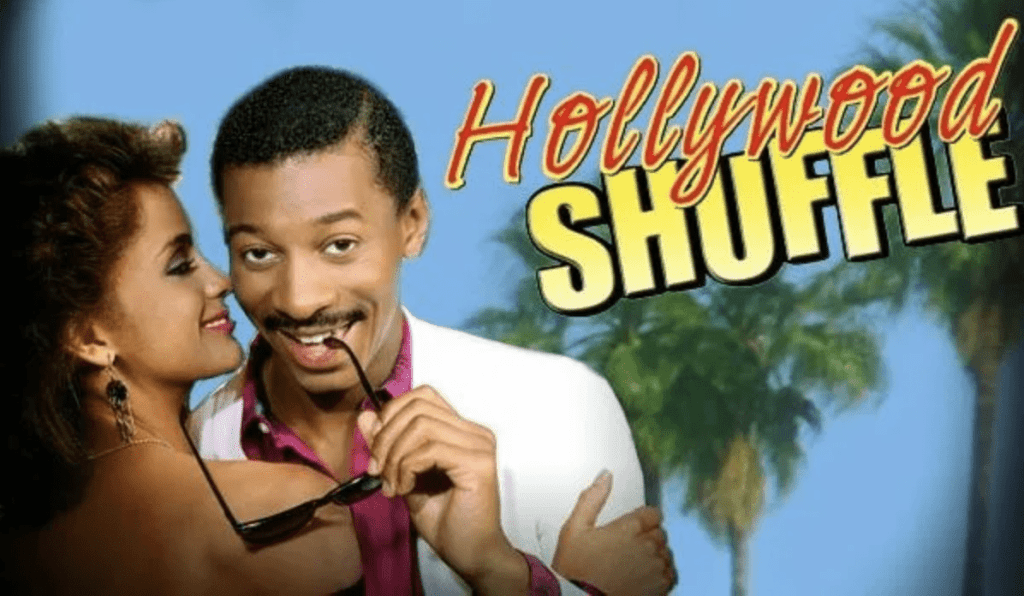
HOLLYWOOD SHUFFLE
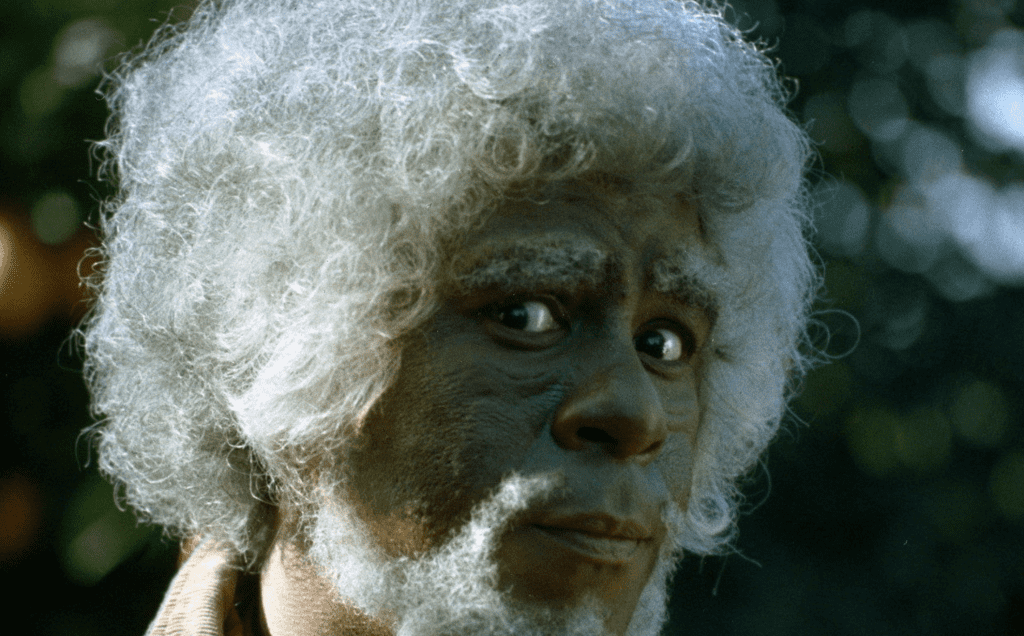
Produced, directed, and co-written by Robert Townsend, this film is a satirical attack on Hollywood’s systematic stereotyping of blacks in the media. Townsend financed the indie with his own credit cards and used the storyline of a struggling black actor interspersed with vignettes to illustrate his point. There are scenes of slavery, popular films, movie reviewers and more as Townsend’s character’s imagination lets us in on his conflict in being an underused and often degraded minority in the world of entertainment.
Hollywood Shuffle is about Bobby Taylor (Townsend) having to decide to take a cooning part in a Black gang film. His grandmother is against it. His mother supports him, but she is also against cooning. His co-workers and boss couldn’t care less if he coons or not. They don’t think he’ll ever make it as an actor anyway and he needs to keep his mind on his job at Winky Dinky Dog. They’re wrong. He gets the coveted role and finds out he can’t do it. It’s too much cooning. So, he takes his grandmother’s advice and gets a job working for the post office. He does a commercial for USPS.
This comedy classic was co-written by Keenan Ivory Wayans and co-produced by Dom Irrera, Hollywood Shuffle features Anne-Marie Johnson, John Witherspoon, Brad Sanders, Helen Martin, Eugene Robert Glazer and Paul Mooney.
The film was a critical and box office success. It won the 1987 Deauville Film Festival Grand Special Prize Critics Award and Coup de Coeur LTC Award for Robert Townsend and made $5,228,617 on a $100,000 budget.
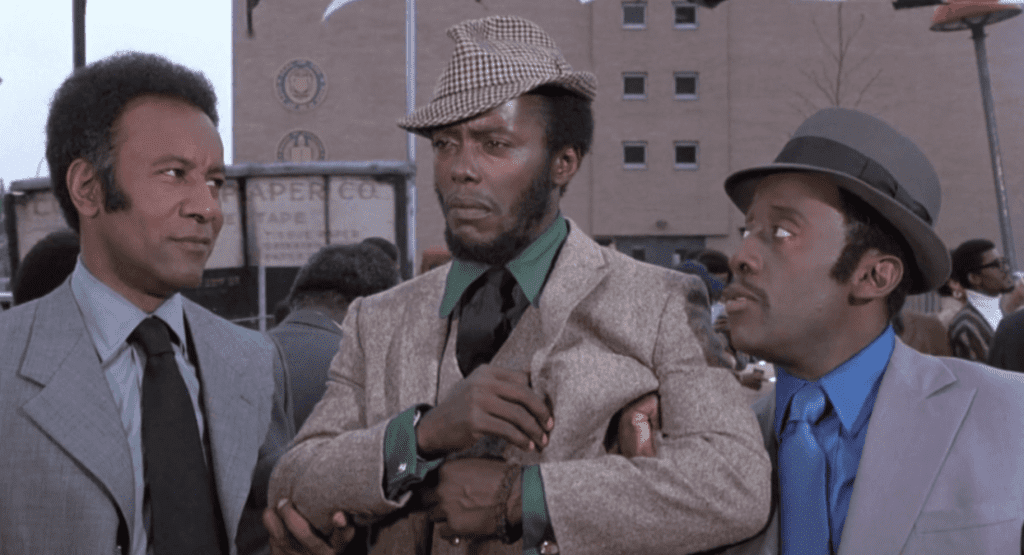
COTTON COMES TO HARLEM
Based on the Chester Himes novel this Ossie Davis directed hit starred Godfrey Cambridge and Raymond St. Jacques. It was co-written by Davis and Arnold Perl and the theme song (which was sung by Melba Moore) was also written by . . . Ossie Davis. Oh, and by the way Cotton Comes to Harlem marks the screen debut of Calvin Lockhart, Judy Pace, Cleavon Little and Redd Foxx as a junk dealer.
The story revolves around a back-to-Africa movement and $87,000 in stolen cash. Seems the crooks stuffed their loot into a bale of cotton and dumped it on the streets during their high-speed getaway. Two Harlem detectives are assigned to find the cash, but everybody else who heard about it feels it is their obligation and duty as well and the citywide hunt is on. There are shootouts, more car chases, sexy women, gangsters, and a whole lot of jive-talking. It was considered a Blaxploitation film. What would you expect? Cotton Comes to Harlem boasts an impressive cast of 1970’s character actors: Theodore Wilson, Don “Bubba” Bexley, John Anderson, Eugene Roche, J. D. Cannon, Lou Jacobi, Emily Yancy, Dick Sabol and Mabel Robinson. Produced on a budget of $1.2 million the film grossed $5.2 million making it one of the most commercially successful films starring Blacks in Hollywood history and it spawned the sequel, Come Back Charleston Blue (which was not written, directed or theme song composed by Ossie Davis).
Some worry that if they don’t achieve success by a certain age, they will never achieve it. Fortunately, these 10 African American people did not allow this fear to get in their way and enjoyed resounding success after 50.
1. Dawn M. Blackman
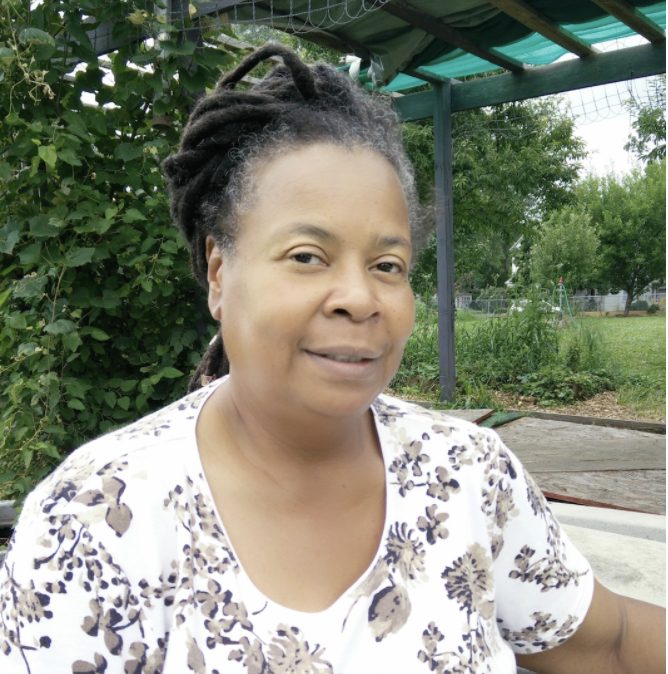
In 2003, at age 53, Dawn M. Blackman had a career as a caterer and a clothing store owner in Illinois when she began schooling local children about gardening.
Three years later, she was operating The Randolph Street Community Garden full time and committing her life to teach the residents of the Washington Square Apartments, local youth, and anyone wanting to join them the benefits of gardening, accessing fresh food, and coming together as a community with a common goal.
2. Marcia Duhart
As a communication specialist at Meryl Lynch, Marcia Duhart trained other staff members to use computer systems.
She retired at age 56 and embarked on a second career teaching senior citizens how to use and access digital technology through her brainchild, Cyber-Seniors.
The organization promotes intergenerational exchange and diminishes ageism by partnering young teachers with older students. Seniors learn computer skills that help them establish stronger connections to their communities. Today over 300 Cyber-Seniors programs run throughout rural and urban communities within the United States.
3. Mary Fields
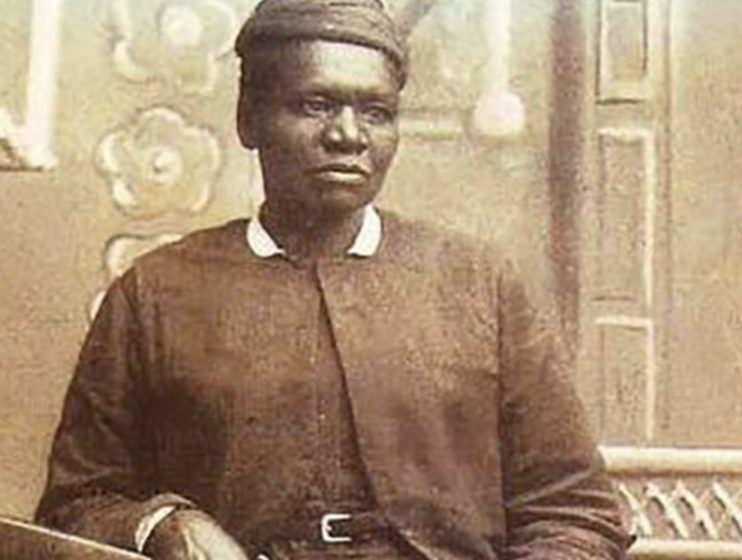
Mary Fields was born into slavery in 1832 and worked at a convent in Ohio as an adult. She left there, and eventually found work gardening and delivering supplies at a Montana mission where her former convent’s mother superior was living.
While there, Fields gardened and delivered supplies. Unfortunately, her gruff demeanor and salty language led to her expulsion by the Bishop.
In 1895, at over 60 years old, Fields began a career as the first female and second African-American Star Route Carrier in Montana. Her dangerous job as an independent mail carrier required her to use a rifle and revolver for protection as she operated a stagecoach to deliver mail. The role gave Fields fame, the nickname “Stagecoach Mary” and a permanent place in American history.
4. Hubert Jones
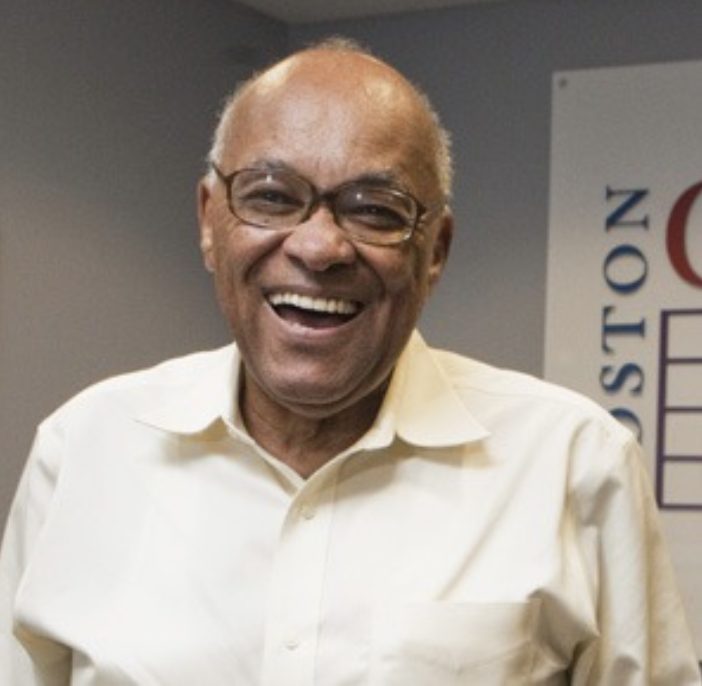
As the first African-American dean of Boston University’s School of Social Work, Hubert Jones built his reputation as an academic who championed social change, minority people, and the educational needs of underprivileged children in Boston.
At 69 years old, he began to consider ways to bring children from multi-cultural backgrounds together. In 2002, despite having no musical background, Jones founded the Boston Children’s Choir.
The choir began with eight children from various ethnic and socioeconomic backgrounds. Today the diverse choir consists of 500 children who receive musical training and academic support and perform around the world.
5. Nelson Mandela
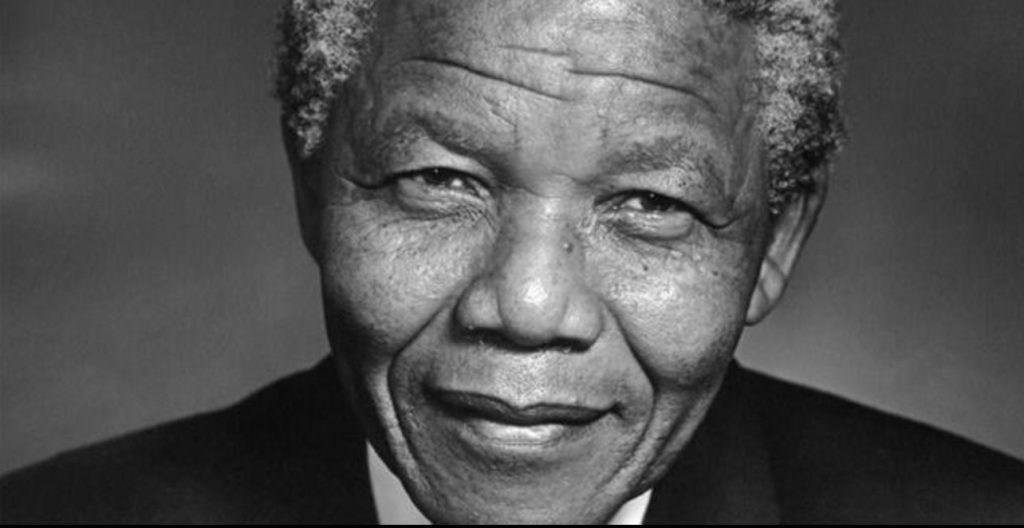
Nelson Mandela was born in 1918 and spent most of his life opposing apartheid, the racial segregation system that dominated society in South Africa from 1948 through the early 1990s. In 1962, he was arrested and sentenced to life in prison for conspiring to overthrow the state.
He was released after 27 years by President de Klerk, who feared a civil war due to mounting international and domestic pressure. Mandela and de Klerk joined forces to end apartheid and inspire South Africa’s first multiracial general election in which Mandela was a presidential candidate.
In 1994, at the age of 76, Nelson Mandela was elected the first President of South Africa. He and de Klerk were jointly awarded the Nobel Peace Prize for ending apartheid.
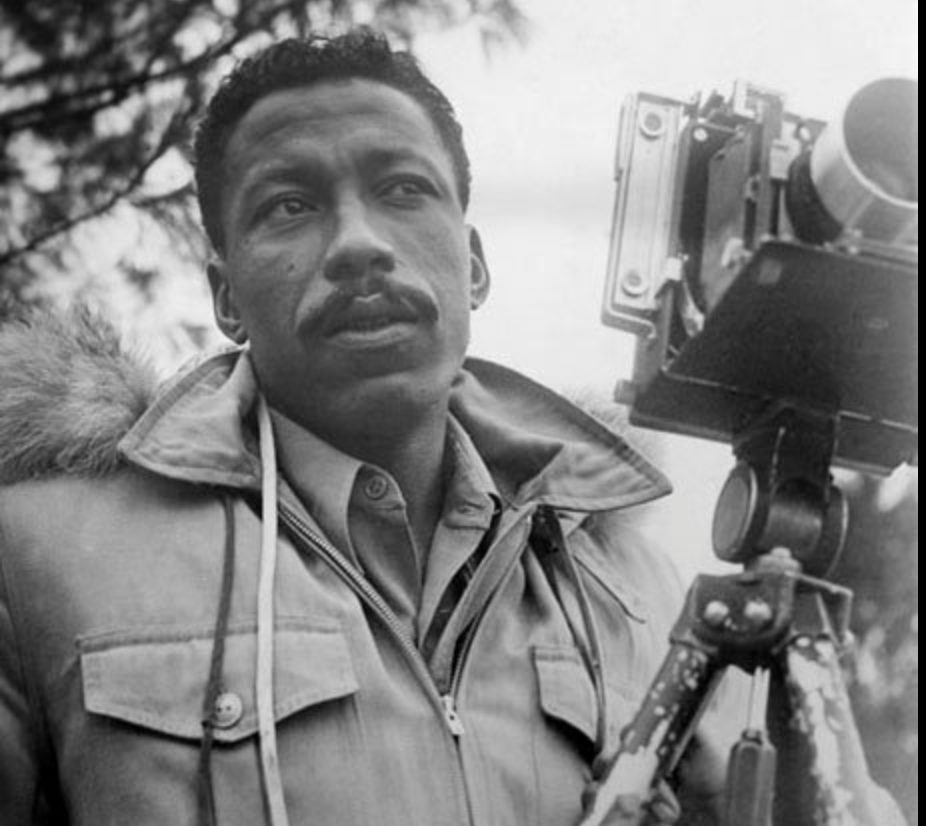
6. Gordon Parks
Gordon Parks was a prominent photojournalist documenting social conditions and racial tension, along with glamour portraits for Life Magazine. Parks also found success writing fiction and non-fiction and in 1969, his semi-autobiographical book, “The Learning Tree,” was adapted for a film.
With that project, he became the first African-American Hollywood film director at age 57 and had another successful career directing blaxploitation films. These were hugely popular among people of color, despite their emphasis on drugs, violence and womanizing within the lower-class Black community. Parks also co-founded the African-American woman’s lifestyle magazine Essence when he was 58 years old.
7. Joe Thomas, Sr.
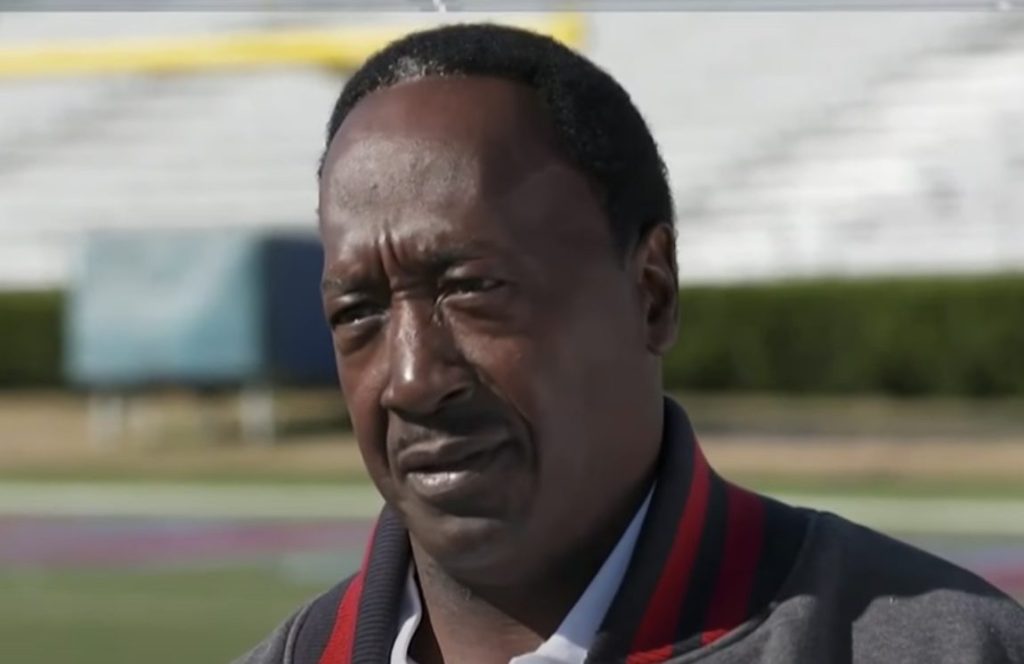
At 51 years old, Joe Thomas, Sr., began the journey toward realizing his dream of returning to college and playing football at South Carolina State University, where his son was studying.
The younger Thomas went on to play in the NFL while his father remained at the university. Although Joe Sr. had showed promise as an athlete during his youth, he had never achieved his goal of playing beyond high school.
In 2016, following years of sitting on the bench, he finally achieved his dream at age 55 and became the oldest player in Division I history as a running back in a game against Savannah State University.
8. Estella Pyfrom
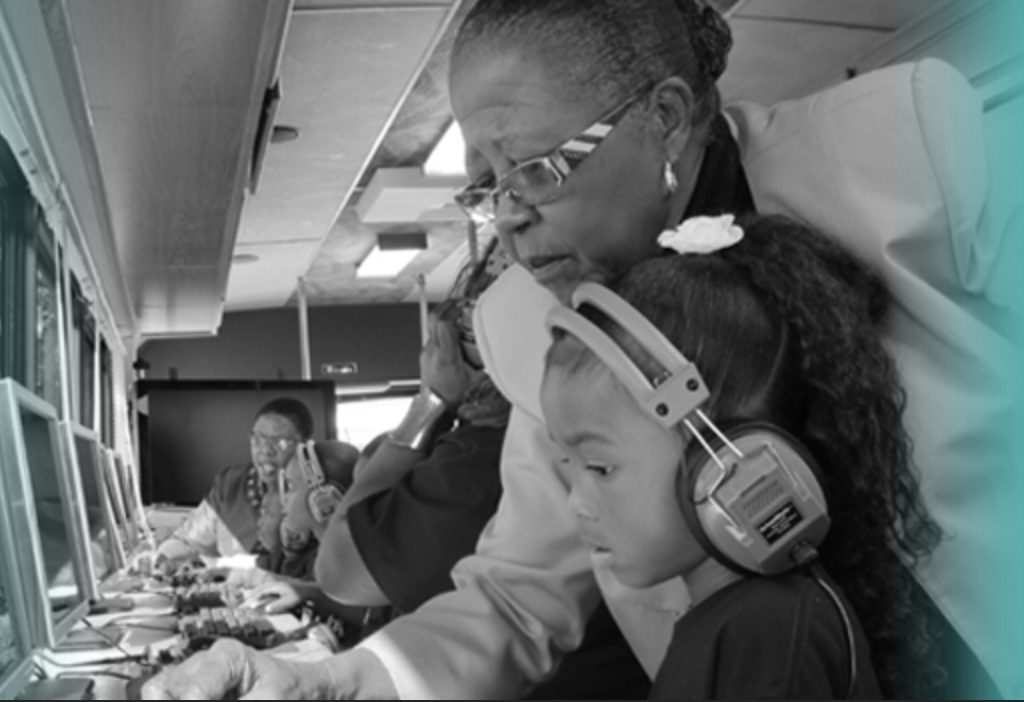
Estella Pyfrom was a teacher, guidance counselor, and summer school principal in the Florida school system where she advocated for underprivileged children. She returned to teaching briefly following her 2004 retirement but left again in 2006 to pursue her greatest goal.
At age 71, she put her retirement money into her dream of bringing learning technology to underprivileged neighborhoods. Estella’s Brilliant Bus provides mobile education assistance, tutoring, training, test preparation and a host of other educational benefits to communities that need them most.
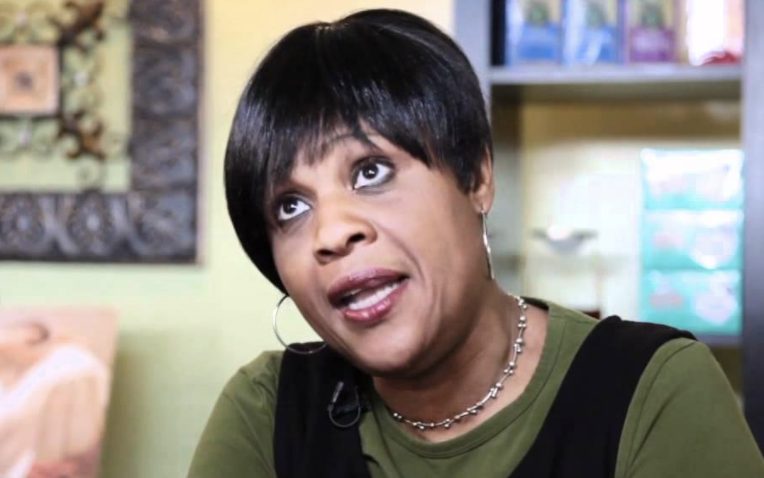
9. Deborah Ramsey
Deborah Ramsey spent much of her career in the insurance and banking industries when she was caught in a wave of corporate layoffs in her early 50s. She decided to go to work for herself rather than someone else and began her education to receive certification as a massage therapist.
In 2008 she used her training to open her own Philadelphia business, Natural Wellness & Spa. She has expanded her offerings to include nutritional and other wellness counseling services.
10. Nadja West
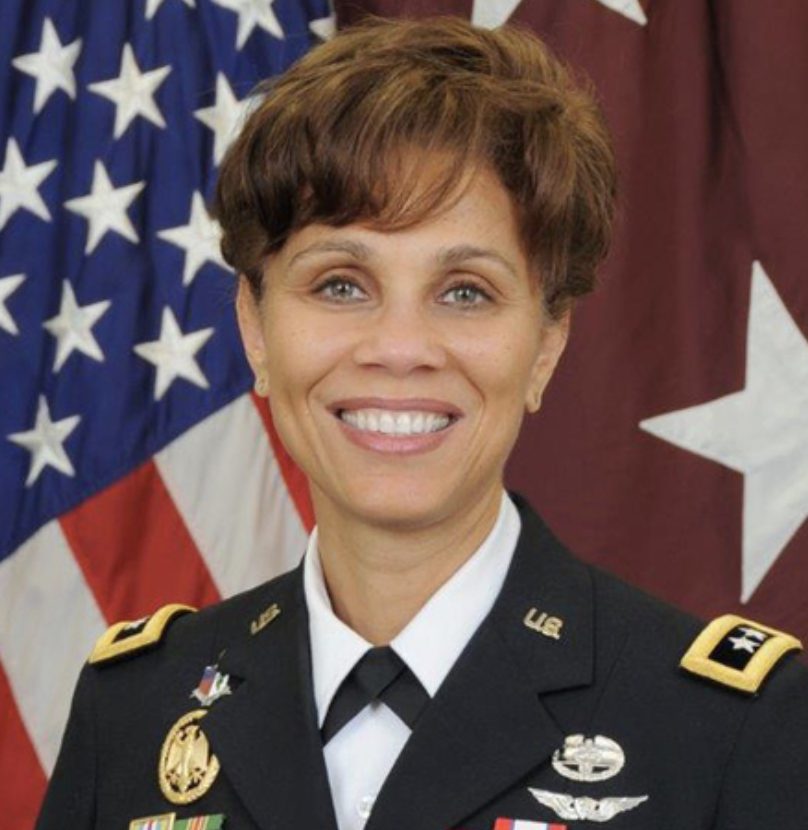
Nadja West had already distinguished herself as the United States Army’s first African-American female major general and the first female two-star general in the Army’s Medical Command before assuming the historical role of the first Black Surgeon General of The United States at age 53.
She is the highest-ranking female of the United States Military Academy and followed her distinguished military career with public service as a board member of various medical organizations and an advocate for underprivileged youth.
African American Stories
Visit our website to learn more about African-American superstars and the minority communities they represent.