Author: kevin

  • 10 Good Investment Sites for Beginners

    Savings accounts and company-provided 401(k) accounts only go so far when it comes to your financial future.

    If you want to gain wealth, ensure you have enough to retire (maybe even early!), or simply create a diverse financial portfolio, you must understand the importance of sound investments.

    A variety of investment options are available. The hard part is deciding which platform to use. Experts consider these some of the top investment sites in the industry.
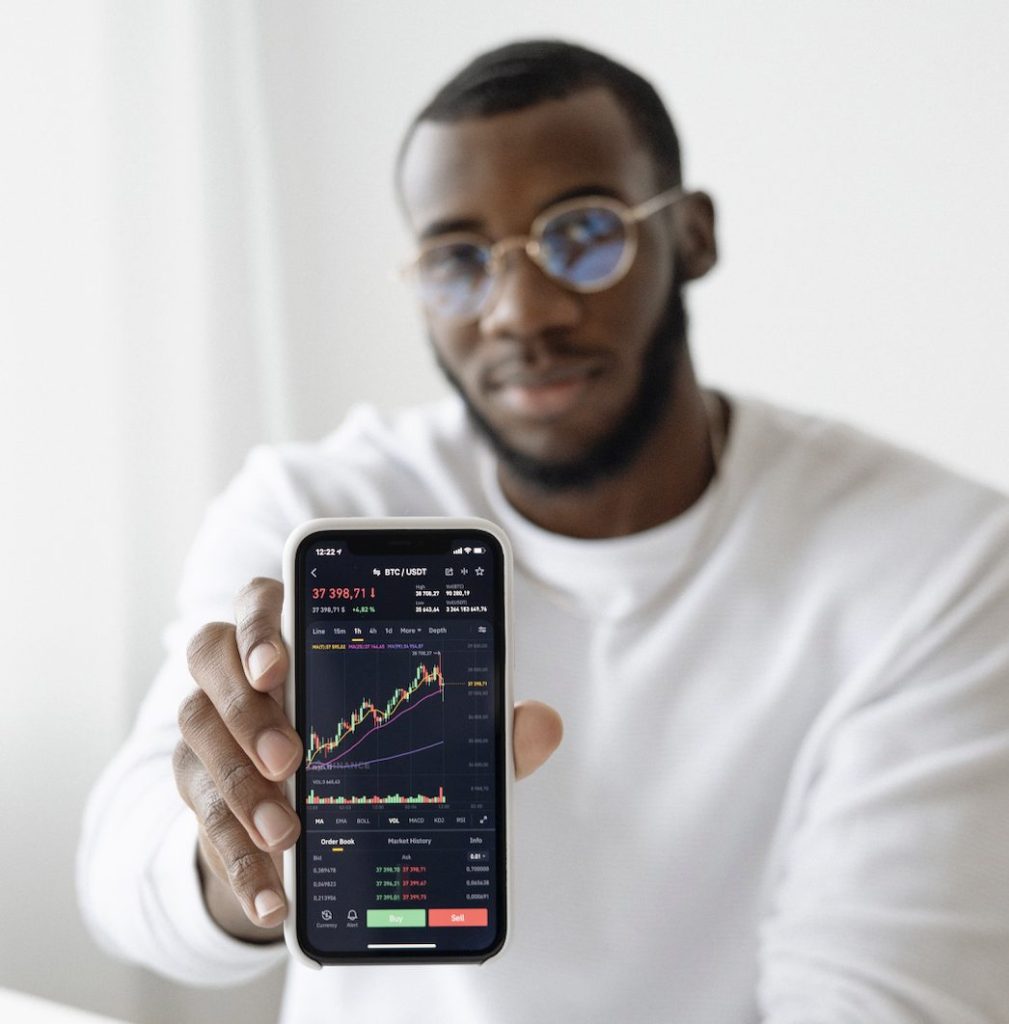
    investment

    1. TD Ameritrade

    Offering 24-hour trading five days a week, TD Ameritrade features data streaming in real-time, one-click trading, and customizable charts. One of its most popular features is its paper Money tool.

    The investing tool allows users to test trading strategies before using them in real-time, a great option for beginners who are still learning what works. TD Ameritrade provides an affordable platform, charging $0 for stock trades, ETFs, and load mutual funds, and $49.99 for no-load funds.

    2. SoFi

    SoFi is popular among beginner traders thanks to its easy-to-use platform and affordable pricing. Starting with the platform costs as little as $1 with no trade commission fees or recurring fees for keeping an account.

    SoFi even offers a fee-free portfolio option that picks and manages your investments for you. Other features of SoFi’s application include categorized stocks and investment education articles. Members can also participate in complimentary financial planning sessions, making it an excellent choice for new traders.

    3. Fidelity

    Managing more than $2.5 trillion in assets, Fidelity is one of the largest brokerages on the list. It started as a mutual fund family and still specializes in that asset, but has branched out to include more services as well.

    Fidelity allows virtual trading of all assets, although its own Fidelity Funds are most popular. Their fees are low at just $4.95 per trade for options, ETFs, and stocks, and $49.95 per mutual fund commission. Fidelity provides traders with Active Trader Pro, a platform rich in educational resources and trading tools. 

    4. E*TRADE

    An up-and-comer on the list, E*TRADE made waves when it purchased OptionsHouse in 2017. It kept most of the original platform intact but added additional services.

    In addition to options, E*TRADE provides more than 9,000 mutual funds, nearly half of which are no-load funds with no transaction fees. Even its fee-based trading is quite affordable at only $19.99 per mutual fund trade. E*TRADE offers 24/7 customer service via live chat, email, or phone.

    5. Ally Invest

    For someone who is new to investing and doesn’t know much about the process, a simple, straightforward investment platform like Ally Invest is a strong choice.

    The mobile app offers commission-free stock and ETF trading, mutual fund trading for a $9.95 commission, and no minimum balance or recurring fee requirements. The easy-to-navigate application works well for people who are are just learning how to trade or those who are only interested in passive investing. 

    6. Charles Schwab

    Charles Schwab has been a mainstay in the financial industry for decades, but as it adds services, it becomes a better option for new investors in today’s technology-driven world. New traders can find some of the best educational resources available on the internet, not to mention access to products that range from stocks and bonds to mutual funds.

    Most trades are only $4.95 each. One way Charles Schwab truly stands out is by providing a fee-free robo-advisor platform that lets traders invest in as many as 20 different asset classes. Customer service is available 24/7.

    7. Acorns

    Perhaps one of the better-known names on this list, even among non-investors, is Acorns. The popular app is perfect for people who want to invest without doing all the work alone. Acorns takes care of everything for just $1 a month.

    It works by using spare change in the form of transaction round-ups or via automated transfers. Keep in mind that you’ll pay a monthly fee no matter what, and some features charge as much as $5 per month.

    8. Merrill Edge

    Seamless integration with Bank of America accounts holders is just one of the many benefits provided by Merrill Edge. Accounts holders receive free trades through its Preferred Rewards Program. Non-holders pay $6.95 per ETF and stock trade; however, there is also access to more than 3,000 fee-free mutual funds.

    Traders who do not want digital advice won’t need to meet an account minimum. On the other end of the scale, personal financial advisors are available for traders who meet a $20,000 minimum. Other services include beginner education articles and videos. There are even online courses with educational quizzes for those who want to become investment experts.

    9. Public

    While many of the names on this list focus on generalized investments or mutual funds, Public takes aim at helping new investors who want to learn more about the stock market. The application blends traditional investment features with social media features based on Facebook and Twitter.

    The result is a unique investment app that appeals to young investors who are just starting out. Users can buy into fractional shares for just $5 and learn how to improve their investment strategies along the way.

    10. Betterment

    New traders who don’t know where to start or don’t have the time to do a lot of research on their own may find what they need in Betterment. This robo-advisor doesn’t require an account minimum and only charges an annual fee of 0.25%.

    The platform sets up an ETF portfolio to match your goals, and you can then tweak anything you don’t like. Traders whose accounts reach $100,000 can access CFP professionals for an additional 0.4% annually. Extensive education isn’t available with this platform, but those who are more interested in returns than in becoming experts aren’t likely to consider this a downfall.

    Whether you’re looking to do some casual stock trading or want to plan ahead for a strong retirement fund, one thing is certain: Understanding how the economy works and which investments are best is essential. Be sure to check out more tips for managing money after setting up your investments!
  • Howlin’ Wolf: Blues Legend Facts

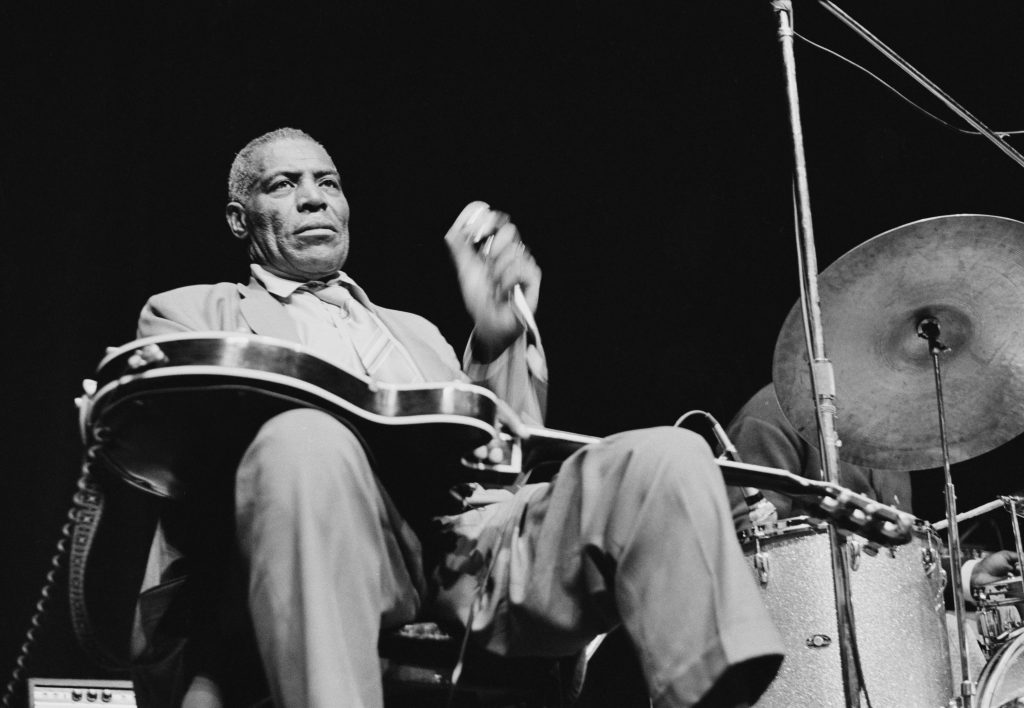
    The spirit of Howlin’ Wolf stands tall as one of the true giants of Blues music.

    As a native son of the Mississippi Delta Blues who brought an authentic rural acoustic essence up from the South to the Midwest, he was a bridge to the more electrified sound of the Chicago Blues scene.

    Howlin' wolf, singer, blues
    American blues singer and musician Howlin’ Wolf (1910 – 1976), born Chester Arthur Burnett, in concert, circa 1965. (Photo by Don Paulsen/Michael Ochs Archives/Getty Images)

    World-renowned for his towering stage presence and performing power, standing 6 foot 3 and weighing near 300 pounds, writing hardcore tales of lover’s despair and singing them with a hair-raising animal growl, “The Wolf” was ferociously influential in Blues crossing over into Rock audiences. 

    Many of “The Wolf”’s most salacious classic songs were not played on the radio in their era. They were jukebox and word-of-mouth smashes. His most famous broadcasted songs include “Smokestack Lightnin’,” “I Asked for Water (She Gave Me Gasoline),” “Who Will Be Next” and the notorious “Evil.” The songs that were relegated to clubs, house parties and jukeboxes were “Wang Dang Doodle,” “Back Door Man,” “Little Red Rooster,” “Killing Floor” and “Goin’ Down Slow.”

    “Howlin’ Wolf” was born Chester Arthur Burnett on the fabled day of June 10, 1910, in White Station, Mississippi.

    His parents were Leon “Dock” Burnett (a farm worker) and Gertrude Jones.

    1 Chester Burnett had a prickly relationship with his mother. As a child, he joined his mother singing in the choir of the Life Board Baptist Church in Gibson, Mississippi. He often credited her as the biological source of his musical gift. However, one winter, Jones kicked Chester – still a child – out of her home for reasons heretofore undisclosed.

    This forced him to move in first with a great uncle who he bolted from at 13, allegedly walking 85 miles barefoot to his father’s place where he lived happily in the patriarch’s pleasingly large family home.

    It was his father, Dock, who gave him his first guitar for his 18th birthday. Chester returned to visit his ailing mother at the peak of his success only to be rebuffed by her.

    She refused to take the money he offered to help her because he earned it playing “the devil’s music.” The rejection broke his heart. 

    Chester had many influences in the Blues realm as he began learning the music. They included Ma Rainey, Blind Blake, Lonnie Johnson, Mississippi Sheiks and Blind Lemon Jefferson who’s song “Match Box Blues” was among the first he learned to play all the way through.

    Chester also admired the way Country singer Jimmie Rogers incorporated a blue yodel into his style. He could not approximate it so he turned it into a howl which later played a part (of many alleged origins) in his assuming the stage name “Howlin’ Wolf.”

    The man who wielded the most profound influence on Chester was Charley Patton.

    Chester would listen at him nightly perched outside of a local juke joint as he was too young to go inside.

    Patton took a liking to Chester and taught him not only how to play guitar but how to use it as a prop for wild stage antics that would make his performances unforgettable.

    The last piece of the puzzle was learning to play harmonica which he got from a first-class king of the instrument, Sonny Boy Williamson.

    Ike Turner was the Producer and pianist of Howlin’ Wolf’s very first double-sided single “Moanin’ at Midnight” b/w “How Many More Years.”

    Both songs along with at least four more were recorded at Sam Phillips’ Memphis Recording Service in July of 1951. Turner had discovered Howlin’ Wolf in West Memphis and brought him to Phillips in the role of “talent scout.”

    Phillips – who had not started his legendary Sun Records label yet – licensed those two songs to Chess Records in Chicago and the other four to Modern Records’ subsidiary label, RPM Records.

    Phil and Leonard Chess wound up signing Howlin’ Wolf to their label where he would go on to make the lion’s share of his recordings.

    Indeed, “How Many More Years” (a b-side that became a Blues hit from DJs flipping it over) is cited by many as the first recording of Rock n’ Roll’s almighty “power chord” on a distorted amplified electric guitar.

    The song became highly influential to many British Rock bands – especially one. 

    4 Wolf’s first album was titled Moanin’ in the Midnight (Chess – 1959). It consisted of the A and B-sides of six of his early singles, rounded up into one package. This is what most albums in any genre consisted of in the `50s.

    Chester Burnett wrote all but one of the 12 songs from this early stage of his recording career.

    Because of this publishing windfall and the fact that he was a successful local SRO performer, he drove his own car from Mississippi up to Chicago where he would begin molding his Mississippi Delta Blues into Chicago Blues. 

    5 Upon arriving in Chicago, Howling Wolf (Chester Burnett) became a sometimes friendly/other times arch-rival of Muddy Waters (McKinley Morganfield). Though it was Muddy that Wolf first reached out to upon his arrival in Chicago, their antics became legendary.

    Muddy once stole Wolf’s star guitar player, Hubert Sumlin, for a spell. Then one time at the Ann Arbor Blues Festival, Wolf attempted to stretch his set out extra long to prevent Muddy and his band from taking the stage.

    Most famously, after Waters went the Psychedelic Blues-Rock route with his LP, Electric Mud (released on the Chess subsidiary Cadet Concept – run by Marshall Chess, son of Leonard Chess), Wolf released one titled The Howlin’ Wolf Album. The cover was white with bold black lettering that stated, “This is Howlin’ Wolf’s new album. He doesn’t like it.

    He didn’t like his electric guitar at first either.” Though both albums were meticulously produced by wunderkind Charles Stepney and featured great Chicago session players such as guitarists Pete Cosey and Phil Upchurch, drummer Morris Jennings and bassist Louis Satterfield, neither Muddy nor Wolf cared for them. Howlin’ Wolf likened his own album to “dog shit.” 

    Howlin’ Wolf was respected by musicians and club promoters for being a total professional about his business.

    He paid his musicians well and on time, even withholding for their income tax and social security.

    This was relatively unheard of for any musician in any genre to do at the time, especially in the rough and tumble world of The Blues. He even offered them health insurance benefits!
    This foresight and no-nonsense behavior additionally extended to his private life. He was faithfully married to his wife Lillie, had two daughters, lived in a modest home on the south side of Chicago, hunted and fished, owned another piece of farmland in Arkansas, and often volunteered with the local fire department. 

    A great many of Howlin’ Wolf’s hit records as well as those of Muddy Waters were penned by Willie Dixon, a gentleman specifically brought to Chess Records for his prodigious hitmaking writing capabilities.

    Among the songs he wrote that became a hit for Wolf is “Spoonful,” now a Blues standard recorded and performed by hundreds.

    Among the recordings of this song is a 13-minute version by Jazz orchestrator Gil Evans (from The Individualism of Gil Evans – Verve) featuring a stellar lineup of musicians including drummer Elvin Jones, guitarist Kenny Burrell, bassist Paul Chambers, trumpeter Thad Jones, alto saxophonist Phil Woods and violinist Harry Lookofsky. It was also covered by the British Rock trio Cream.

    An exhaustive biography, “Moanin’ at Midnight: The Life and Times of Howlin’ Wolf,” was co-penned by authors James Segrest and Matt Hoffman, first published in 2004.  He has been the subject of a documentary film entitled “Smokestack Lightning: The Legendary Howlin’ Wolf.”

    Footage of him has been featured in documentaries on Rolling Stones guitarist Keith Richards, ZZ Top, and others. And he was fictionally immortalized in the film “Cadillac Records” (loosely based on The Chess Records Story) in which he was portrayed by actor Eamonn Walker.

    Howlin Wolf was fictionally immortalized for generations past, present and future as a featured character in Marvel Comics Presents #65/4 (December 1990).

    The story, centering around superhero Starfox (a.k.a. Eros) – was written by Peter Gillis as 1 of 4 within the anthology. It was named after one of The Wolf’s most famous hits entitled “Wang Dang Doodle.” 

    10 Howlin’ Wolf’s final performance was in November 1975 at the Chicago Amphitheater. The all-star show also featured B.B. King, Albert King, Luther Allison and O.V. Wright. Though he had previously suffered from kidney disease and had several heart attacks, Wolf gave his all at this show, including crawling across the stage as he sang another of his greatest hits, “Crawling King Snake.”

    Top Black Country Singers

    While he was given a 5-minute standing ovation on stage, a team of paramedics had to put in much work to revive him backstage. Chester Arthur Burnett died the following year on January 10, 1976, at Hines V.A. Hospital.

    He had served his country as a soldier in the U.S. Army for two and a half years, partially assigned to the 9th Cavalry Regiment, one of the units dubbed “Buffalo Soldiers.”

    With them, Burnett participated in the largest military exercise ever held in the United States: The Louisiana Maneuvers (1941). His musical legacy is celebrated in West Point, Mississippi, at the annual Howlin’ Wolf Memorial Blues Festival and at the Howlin’ Wolf Museum.

  • Top 10 Best Black Male Falsetto Singers of All Time

    Below is a list of the top 11 (1 bonus) black male falsetto singers you deserve to know:

    Whether it’s modern indie rock, Motown, or soul, the falsetto technique of vocalizing has been popular across different genres. Some singers make use of their upper-register head voice to showcase power. Others do so to show vulnerability and fragility emotionally.

    falsetto
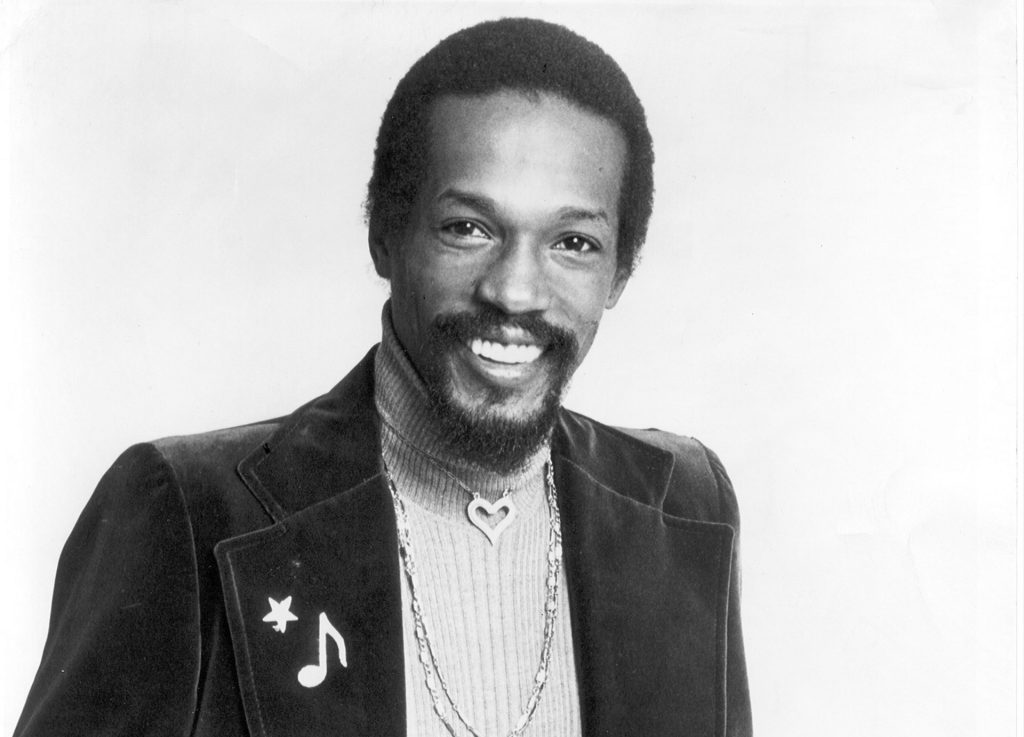
    Eddie Kendricks

    Michael Jackson – Falsetto Black Male Singers

    Born on the 29th of August 1958 and known as the ‘King of Pop’, Michael Jackson had a multitude of talents. He is regarded to be one of the most significant cultural figures of the 20th century.

    Michael had a career that spans over four decades and made significant contributions to various fields such as fashion, dance, philanthropy, and music. He was a worldwide influence and popularized some dance moves, such as the moonwalk and also the robot. All his talents seem to overshadow the fact that he also had one of the smoothest falsetto voices that were quite sexual due to his virtuosic nature. He died in June 2009.

    Eddie Holman – Falsetto Black Male Singers

    Eddie Holman is an American recording artist and singer of genres ranging from R & B to gospel and even pop who was born on 3rd June 1946. He is famously known for his sit song in 1970, “Hey There Lonely Girl.”

    Eddie has the kind of voice that can be best described as an astounding precision instrument with the ability to leap octaves extremely fast and also bend notes into shapes that leave lesser singers in awe and wonder. He has made a permanent spot for himself in soul history. Apart from being such a gifted singer, he also owns Agape Records, his record label.

    Philip Bailey – Falsetto Black Male Singers

    Born on the 8th of May 1951, Philip James Bailey is an American funk, gospel, soul, and R & B singer and also a percussionist. He is best known as one of the early members and also a lead singer in the band Earth, Wind, and Fire.

    Bailey is re-known for his falsetto register and his four-octave vocal range. Philip’s voice is one of those that can be identified as based on virtuosity only. Having one of the highest falsettos known to the human ear, he can hold it for long periods yet still make it sound sensual and overwhelmingly smooth.

    The Weeknd – Falsetto Black Male Singers

    Abel Makkonen Tesfaye, or simply The Weeknd is a Canadian songwriter, singer, and record producer. He was born on the 16th of February, 1990. Abel is among the best-selling singers in the world, with more than 75 million records of his sold. He is also on Spotify’s list of the most-streamed artists.

    Abel has a voice of a kind with a soaring falsetto that has its singular tremolo. He is a big sensation, and the fact that he inculcates falsetto in his music has influenced a lot of artists in various contemporary music styles such as hip-hop, pop, rhythm as well as blues. He was even named one of the top 100 influential people in 2020.

    Eddie Kendricks – Falsetto Black Male Singers

    Edward James Kendrick was an American songwriter and singer who was born on the 17th of March 1939 and died in 1992. He co-founded The Temptations, which was a singing group, and was among their lead singers between 1960 and 1971. Every vocal group must at least have a tenor who can do falsetto.

    Eddie Kendricks took the role to a whole other level. Taking the lead role in a majority of hit songs by Temptations, Kendrick can be said to have been one of the most distinguishable falsetto proponents who came from Motown in the 1960s. He also released several single hits in the 1970s. This includes “Keep on Truckin’” which was the number one single.

    Curtis Mayfield – Falsetto Black Male Singers

    Born on the 3rd of June 1942, Curtis Lee Mayfield was an American guitarist, record producer as well as a singer-songwriter. He also built his name as one of the most outspoken and influential musicians who did soul as well as music that was African American politically conscious. His career was offset in a gospel choir.

    He then joined The Impressions, a vocal group in 1956 when he was 14. Mayfield brought with him social awareness into the soul music scene while still hitting his falsetto notes perfectly.

    Smokey Robinson – Falsetto Black Male Singers

    William Smokey Robinson is an American songwriter, record producer, singer, and also former record executive who was born on the 19th of February 1940 and died in 1999. He founded and was also the frontman of ‘The Miracles’ which was a Motown vocal group. For the group, he was the chief producer and songwriter.

    As the king of Motown, Smokey is one of the reasons that the concept of singing in falsetto became a sound that was sought after back in the ’60s. Smokey could engulf a melody with his falsetto vocals and still manage to throw in more ornamentation.

    Russell Allen Thompkins – Falsetto Black Male Singers

    Russel is an American singer of soul who was born on the 21st of March, 1951. He is renowned for being the original lead singer of The Stylistics, which was a vocal group between 1968 and 1974. Russel was also known for his countertenor, tenor, and his very admirable falsetto vocals. The group released 12 singles that charted on Billboards R & B singles between 1971 and 1974

    Prince – Falsetto Black Male Singers

    Born on 7th June 1958, Prince Rogers Nelson was an American multi-instrumentalist, record producer, singer-songwriter, actor, director, and record producer. Prince was fluid in terms of the genres he did and mostly played all the instruments in his recordings. No one else was able to inculcate falsetto across as many genres as Prince.

    Prince made a name for himself with his androgynous persona that was accompanied by his wide vocal range. This included a falsetto like no other with high-pitched screams. He died in April 2016.

    Sylvester – Falsetto Black Male Singers

    Sylvester was an openly gay black male singer at a time when homophobia was at its peak. His timing was excellent because he entered the industry during the Disco craze, which was more geared toward nightclubs and dance music and had less radio airplay. He is credited for having one of the best falsetto voices in the history of R&B music, but his sexuality often overshadowed it.

    Conservative black radio stations played some of his songs but steered clear of many of them, as well as Don Cornelious, the late creator of Soul Train, refused to have him on the show. Sylvester did appear on American Bandstand several times, owned by Dick Clark and Dick Clark productions, and he did manage to secure a huge gay and even straight black following.

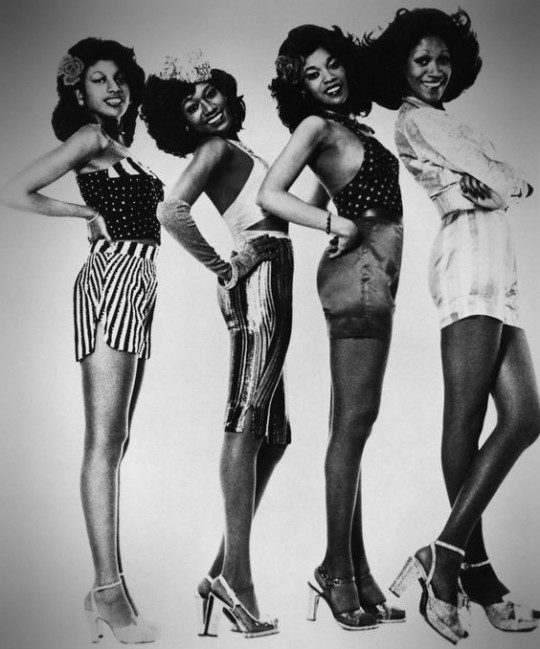
  • Top 10 Great Black Female Singers in Groups from the 70’s

    The 1970s was a Golden Age for R&B music especially for black female singers.  

    It was the post-Civil Rights era, and everybody felt the spirit of experimentation and individuality.  New artists were constantly emerging on the horizon and female groups were right in step with the liberated times.  

    They’d fallen off the tree branched out by The Marvelettes, Martha and the Vandellas and the Supremes.   One of the dominant groups of the 70s was the legendary Supremes; the revamped version of the black female singers, after Diana Ross departed to go solo. 

    black female singers

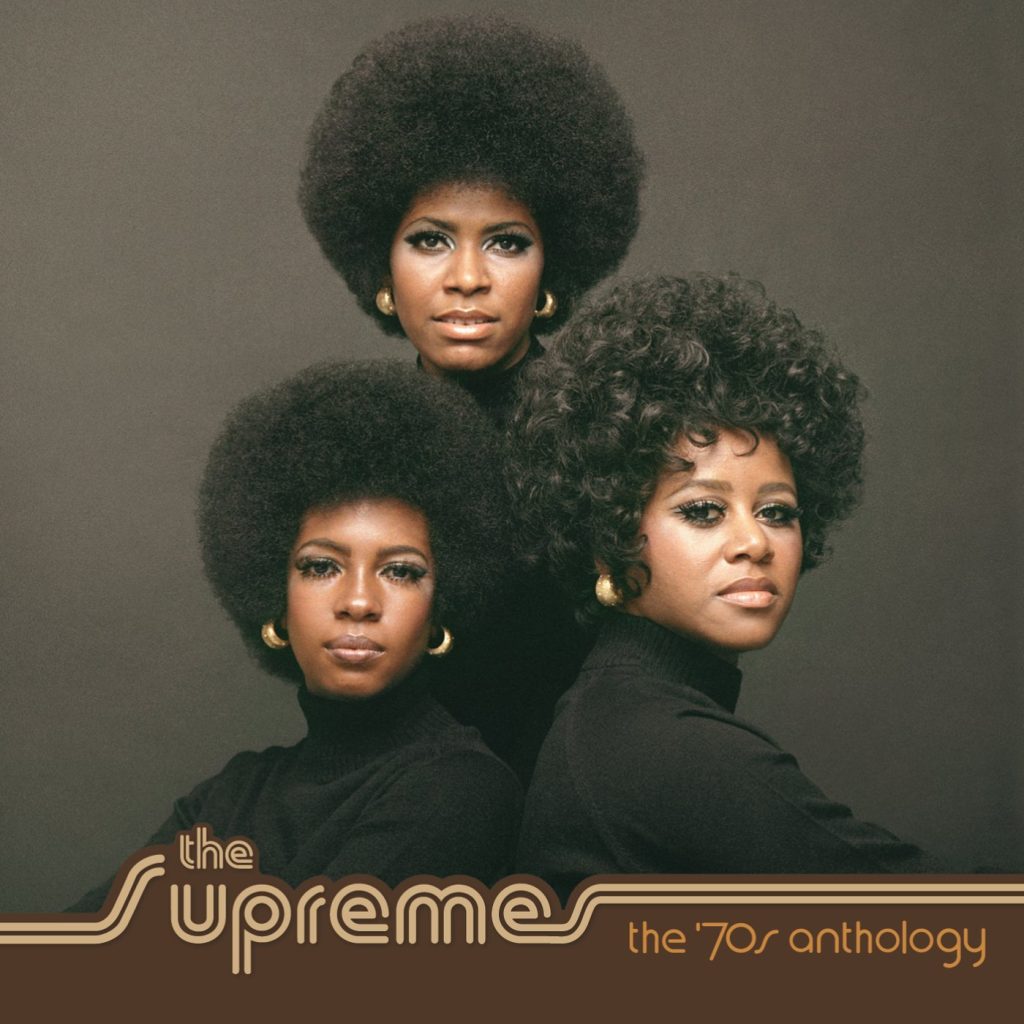
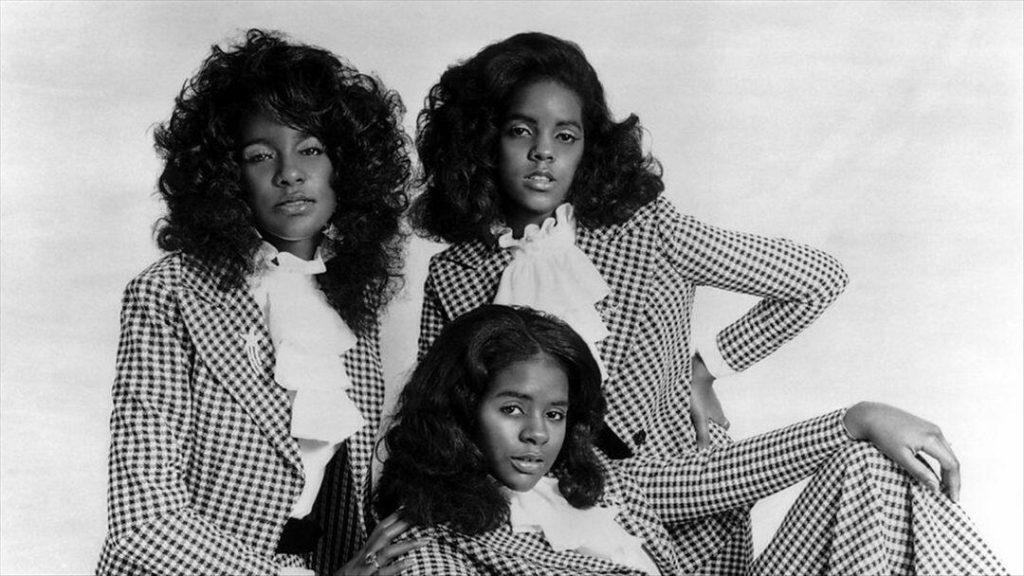
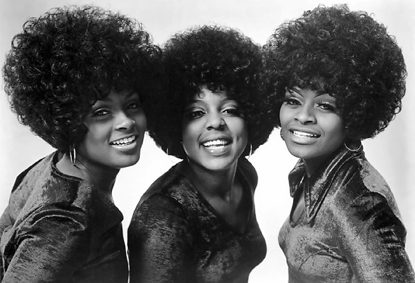
    1. THE SUPREMES

    Diana Ross gave her final performance as a Supreme on January 14, 1970 at the Frontier Hotel in Las Vegas.   Her replacement, 24-year-old, Jean Terrell was introduced that night and Diana Ross & the Supremes ceased to exist.   The Supremes or New Supremes as some called them, were born.  However, Motown’s Berry Gordy didn’t care for Terrell’s performance that night and had every intention of replacing her with Syretta Wright.   Original Supreme member, Mary Wilson (Cindy Birdsong was the third in the current trio) refused and Gordy washed his hands of the group.   Didn’t matter.     

    Under Terrell they had the hits “Up the Ladder to the Roof”, “Stoned Love”, and “Nathan Jones”.  In 1972 they scored another smash hit, “Floy Joy”, written and produced by Smokey Robinson, as well as “Automatic Sunshine”,” their last UK hit under Terrell.  She left in 1973 and was replaced by Scherrie Payne (sister of Freda). 

    During the Payne regime, the Supremes had the 1975 disco hit, “He’s My Man”.   In 1976, a discontented Birdsong left and was replaced by Susaye Greene.   That version of the Supremes released two albums and spawned the hit single, “I’m Gonna Let My Heart Do the Walking”.   The Supremes formally disbanded on June 12, 1977 following their last concert at the Drury Lane Theater in London.

    2. HONEY CONE

    Experience counts and the trio known as Honey Cone were well seasoned when the limelight shined on these black female singers.  Separately they’d been singing since they were children and had worked as background singers and recording session vocalists.  Edna Wright, Carolyn Willis and Shelly Clark became Honey Cone in 1968 when they debuted as a group on the Andy Williams Show, replacing Wright’s sister, famed singer, Darlene Love.  They got seen and signed to Hot Wax Records by Eddie Holland, soon after he left Motown.        

    The group hit their stride in 1971 with the back-to-back hits “Want Ads” and “Stick Up”.  That same year they headlined their own tour and were voted Best Female Vocal group by the National Association of Television and Radio Announcers.  In 1972 they followed things up with other hits – “One Monkey Don’t Stop No Show” and “The Day I Found Myself”. 

    However, things began to fizzle in ’73.    Hot Wax ran into financial difficulties, then Willis left the group because of creative differences on the material.  Replacing the chemistry proved to be futile so the group broke up.   Wright died on September 12, 2020.   The remaining members continue singing background and recording session work. 

    3. THE JONES GIRLS

    The Jones Girls were the Jones sisters.   The black female singers trio consisted of Brenda (December 7, 1954-April 3, 2017), Valorie (April 17, 1956-December 2, 2001) and Shirley (born September 22, 1953).  

    They earned a solid reputation as reliable backup singers, working with Lou Rawls, Aretha Franklin, Teddy Pendergrass, Diana Ross, Linda Clifford and Tower of Power.   Their big break came in 1979 with their Top 40 hit, “You’re Gonna Make Me Love Somebody Else”.  It went Gold. Their next charted hits were 1980’s, “I Just Love the Man” and the Dexter Wansel composed, “Nights Over Egypt” in 1981.      

    After their 4th album failed, Shirley left the group and had the number 1 R&B hit, “Do You Get Enough Love” from her 1986 album, Always in the Mood.   She later collaborated with Jean Carne and Cherelle for the 2007, Ladies Night Out and Shirley continues touring as the Jones Girls with two of her nieces and a nephew as replacements. 

    Valorie died on December 2, 2001 at the age of 45 and Brenda was hit by several cars and killed while crossing the street on April 3, 2017 in Wilmington, Delaware. 

    4. LOVE UNLIMITED

    Love Unlimited became synonymous with Barry White and for good reason.   The female trio not only provided background vocals on White’s albums and concert tours, their lead singer, Glodean James married White. 

    The black female singers from the group formed in 1969, Glodean, her sister Linda James and their cousin Diane Taylor went from behind White to recording their own material.   They were so good at it that they became the first female singing group to reach number five on the charts since Diana Ross & the Supremes in 1970.       

    Love Unlimited had their first hit with 1972’s, “Walking in the Rain with the One I Love”.   It was huge in the US and United Kingdom and was certified Gold.  In 1975 they released the number 1 hit, “I Belong to You”.   Love Unlimited poured out more chart makers until 1985, when Diane Taylor died of cancer on November 29th at the age of 38.   Unfortunately, the Love Unlimited musical library was destroyed in the famed 2008 Universal fire.  

    5. LABELLE

    In th late 60’s there was a battle between two girl groups. One from Trenton. The other from Philadelphia. The battle ended in the dismantling of both the Ordettes and the Del-Capris.   The emerging group was the Bluebelles, the black female singers consisted of Patti LaBelle, Sarah Dash, Nona Hendryx and Cindy Birdsong.  They found moderate doo-wop success, but when Birdsong left the group to join The Supremes, the Bluebelles went in another direction and re-emerged in 1971 as LaBelle.  

    This version was hard hitting, funky, glam rock in look and musical substance.   They were in-your-face with their smash hit “Lady Marmalade”; an omnipresent ode to prostitution and drove their LP Nightbirds to Gold status.  

    They were the first Black group to appear on the cover of Rolling Stone magazine and the first to perform at the Metropolitan Opera House.   At the end of 1976 they each went their own way and found individual success.   Nona Hendryx became an icon of the avant garde.   Sarah Dash became an in-demand studio session singer and Patti LaBelle went onto to an endless Grammy Award winning solo career. 

    6. THE EMOTIONS, Black Female Singers

    This Chicago, Illinois trio began as the Huthinson Sunbeams and their roots was gospel music.   The future multiple Grammy Award winners consisted of Sheila, Wanda and Jeanette Hutchinson. 

    As youths they had a solid gospel reputation and even performed in concert with Mahalia Jackson, but they also garnered a local secular following in Chicago.  

    They went R&B in the late 60s and signed with Volt Records (a Stax Records imprint) under the direction of Isaac Hayes.  They released a couple of albums through Stax Records, but their third effort was shelved and when Stax folded the newly named Emotions got together with super producer and Earth, Eind & Fire founder, Maurice White and they never looked back.

    Their first in a string of R&B hits was “I Don’t Want to Lose Your Love” from their album Flowers, which went Gold for Columbia Records.  Their next LP was Rejoice in 1977 (younger sister Pamela joined the group for this outing) and it went Platinum, with the singles “Don’t Ask My Neighbors” and “Best of My Love”, which went Platinum. 

    Their next album was 1978’s Sunbeam.  It went Gold.   Overall, The Emotions remained busy since the 70’s either touring or appearing on other artists projects and pulling in prestigious awards along the way.   Pamela Hutchinson died at the age of 61 on September 18, 2020.     

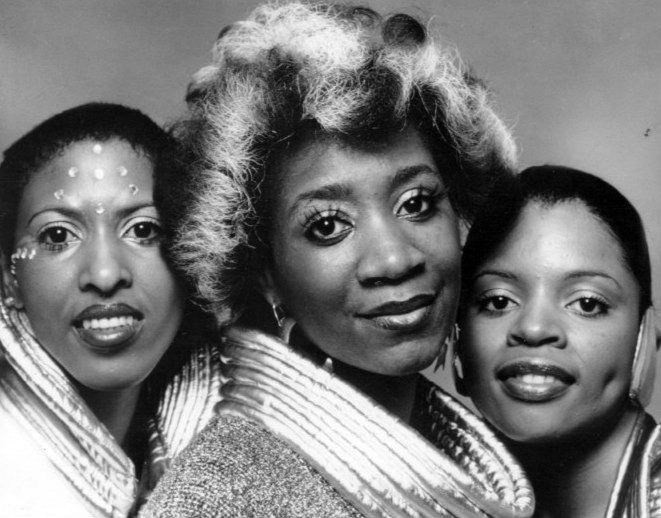
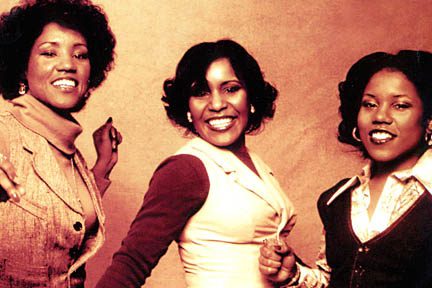
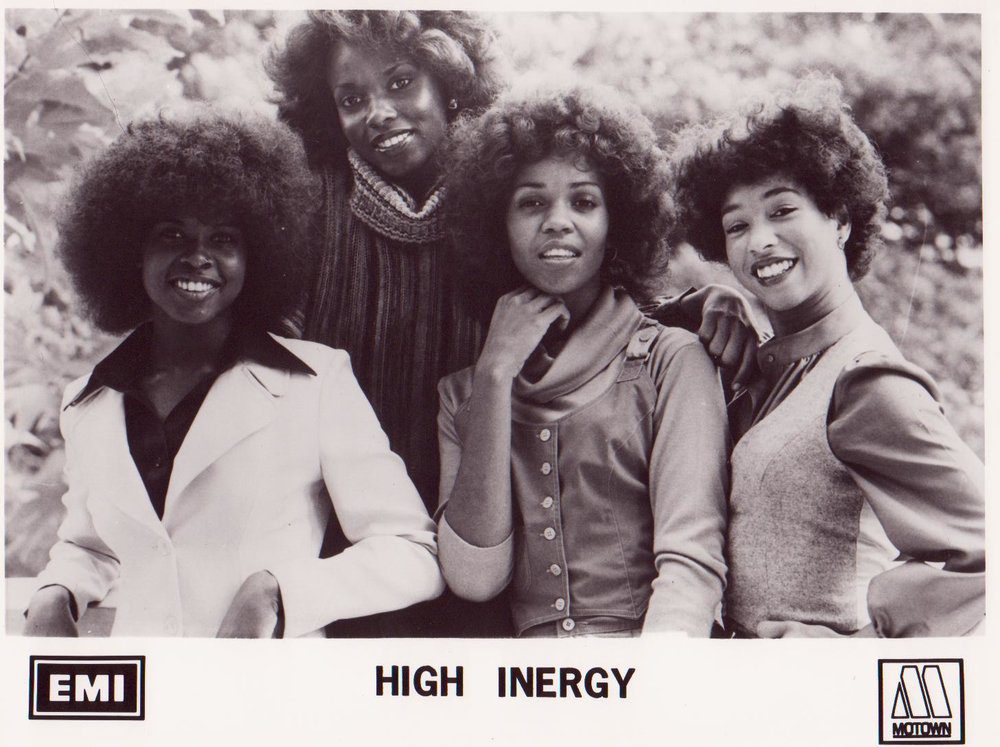
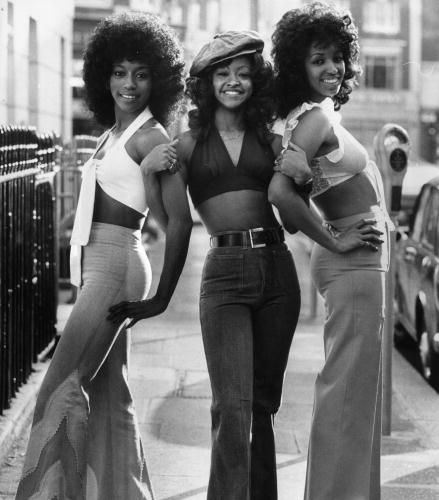
    7. HIGH INERGY

    1976 was the Nation’s Bicentennial and the national inauguration of High Inergy.   They were discovered in Pasadena, California at a huge celebration by Gwen Gordy Fuqua. 

    Next thing, the singing Mitchell sisters (Vernessa and Barbara) along with their dancers / singers, Linda Howard and Michelle Martin (aka Rumph) signed with Motown’s Gordy subsidiary in ’77.  This led to the chart-topping hit, “You Can’t Turn Me Off (in the Middle of Turning Me On).   The quartet became a trio when Vernessa left to pursue a gospel singing career and Barbara replaced her as lead singer.

    All told the black female singers in this group scored 9 top hits before disbanding in 1984 for solo pursuits.   On December 9, 2012, Linda Howard died. 

    8. THE THREE DEGREES

    This trio was formed in 1963, has rotated through 15 different members and is still performing.   Originating in Philadelphia, Pennsylvania, The Three Degrees was founded by member Fayette Pinkney in the last year of high school.  

    The other original members were Pinkney, Shirley Porter and Linda Turner.   From there the musical chairs moved about until the combination of Pinkney, Valerie Holiday and Sheila Ferguson literally struck gold in 1974 with the International smash hit, “When Will I See You Again”.   It topped th charts in 7 countries.          

    The Three Degrees did fine in the United States, but their bread and butter were in the UK and the Far East.   Their overseas popularity far surpassed their US fame and their records stayed consistently on the charts throughout all the various incarnations of the line-up. 

    These black female singers went from working with Gamble and Huff at Philadelphia International to CBS Records to Ariola Records without missing a beat and they still perform today with the roster of Helen Scott, Valerie Holiday and Freddie Pool. 

    9. THE POINTER SISTERS

    These triple Grammy Award winners hail from Oakland, California and had 13 top 20 hits between 1973-1985. Their first Grammy coming in 1975 for, “Fairytale” – Best Country Vocal Performance. These black female singers cross genre boundaries during their tenure.

    They have a star on the Hollywood Walk of Fame and appeared alongside comedy legend Richard Pryor in the hit film classic Car Wash. It all started in 1969 when Bonnie and June Pointer began performing at local night spots under the name, Pointers, a Pair.  Not long after sister, Anita joined them, and the trio got a record deal with Atlantic.   That amounted to a whole lot of nothing.  

    In 1972 sister, Ruth got into the mix and they were signed to Blue Thumb Records.   Their other 2 Grammys came for “Jump (For My Love”) and “Automatic”.   Other seminal hits include, “Fire”, “He’s So Shy”, “Slow Hand”, “I’m So Excited”, and “The Neutron Dance”.   In 1978 Bonnie left the group and went solo. The Pointer Sisters still perform to this day and in 2016 Billboard Magazine ranked them as the 32nd most successful Hot 100 Women Artists of All-Time.

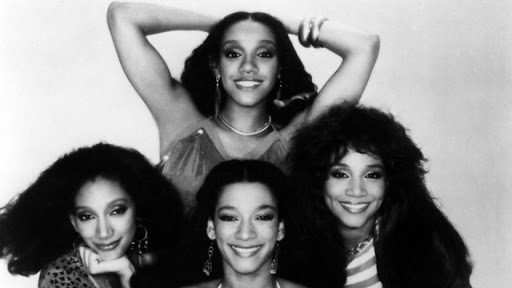
    10. SISTER SLEDGE 

    Debbie, Joni, Kim and Kathy Sledge formed the powerhouse singing group, Sister Sledge in 1971. The Philadelphia, Pennsylvania famous black female singers were natives signed with local label Money Back Records and had a moderate hit in the UK, but in 1974 they released “Love Don’t Go Through No Changes with Me” and it gave them stardom in Japan.  

    They were flown out for an overseas tour and wound up performing with James Brown in the Rumble in the Jungle, the Muhammad Ali v George Foreman fight in Zaire.   

    The group was moving but going nowhere.   Then in walked Niles Rodgers and Bernard Edwards of Chic as producers in an effort to salvage Atlantic’s (their new label) investment.   Turned out to be the turning point.      

    Their 1979 LP, “We Are Family” spawned the number one hit “He’s the Greatest Dancer” and the smash hit “We Are Family”.  

    That song became the anthem of the Pittsburgh Pirates and earned Sister Sledge a Grammy nomination.   The album was certified Gold and established the quartet as disco stars.   They’ve toured the world many times over; performed at Bill Clinton’s Presidential Inauguration and are inspirations for female groups following in their footsteps.  On March 10, 2017, Joni Sledge passed away at the age of 60, but Debbie, Kathy and Kim announced they would continue performing as Sister Sledge. 

  • 10 Great Cities for Black People to Live

    If you’ve been watching the late-night news lately, you may feel no city in the U.S. is safe for Black people. Although no community is entirely devoid of discrimination, these cities offer an environment where Black residents can thrive economically, socially and personally. Best places for black people to live.

    1. Honolulu, Hawaii

    Photo by Tim Foster on Unsplash

    Not only does Honolulu have perfect weather and gorgeous beaches, but it is also a great place to raise a Black family. Hawaii is the most racially diverse state in the U.S. and has consistently been ranked as one of the best places to raise Black children. In Honolulu, many Black families enjoy a high socioeconomic status, access to education and stable home lives.

    The average Black family has an annual income of over $66,000 and many Black residents have a college degree. Furthermore, compared to the national average, Hawaii has a much lower incarceration rate for Black people.

    2. Anchorage, Alaska

    While Anchorage may have the coldest average temperature of any city on the list, there are many advantages to calling this city home. Black Americans earn an average of $51,780 per year and the state was recently ranked as the fourth-best place to raise a Black child.

    Alaska also offers high-quality education options and income subsidies for many residents. Anchorage is a great place for families who enjoy outdoor sports such as snowmobiling, hiking and camping. 

    3. Los Angeles, California

    There are other reasons to move to Los Angeles beyond the great weather, beautiful scenery and eclectic cuisine. California is ranked fourth out of all U.S. states in the number of Black people with a college degree.

    Black residents of LA enjoy a high median income and good economic opportunities. Los Angeles is home to many multinational companies, universities and technology companies that provide plenty of job opportunities to educated residents. Further, California is the second most racially diverse state in the U.S. and has a large immigrant and refugee population. 

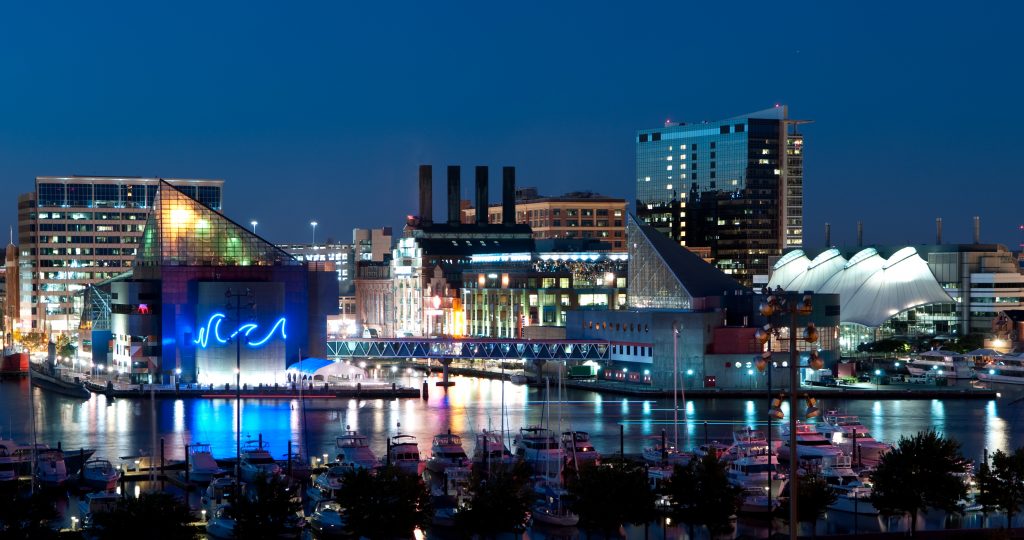
    4. Baltimore, Maryland

    Maryland has more Black homeowners than any U.S. state and is home to many of the nation’s most educated Black people. More than 25% of Marylanders have at least a bachelor’s degree and many hold an advanced degree.

    Baltimore is home to many Black residents and is a racially diverse city. Though the city has some lower-income areas, there are many neighborhoods where Black residents enjoy a high living standard. 

    5. Concord, New Hampshire

    With an average Black household income of nearly $47,000, Concord is a great Black community for families to set down roots.

    The high school graduation rates for Black students are among the highest in the nation and New Hampshire is ranked as one of the best places to raise a Black child. Further, Concord has a relatively low crime rate and an excellent public school system that strives for inclusivity. 

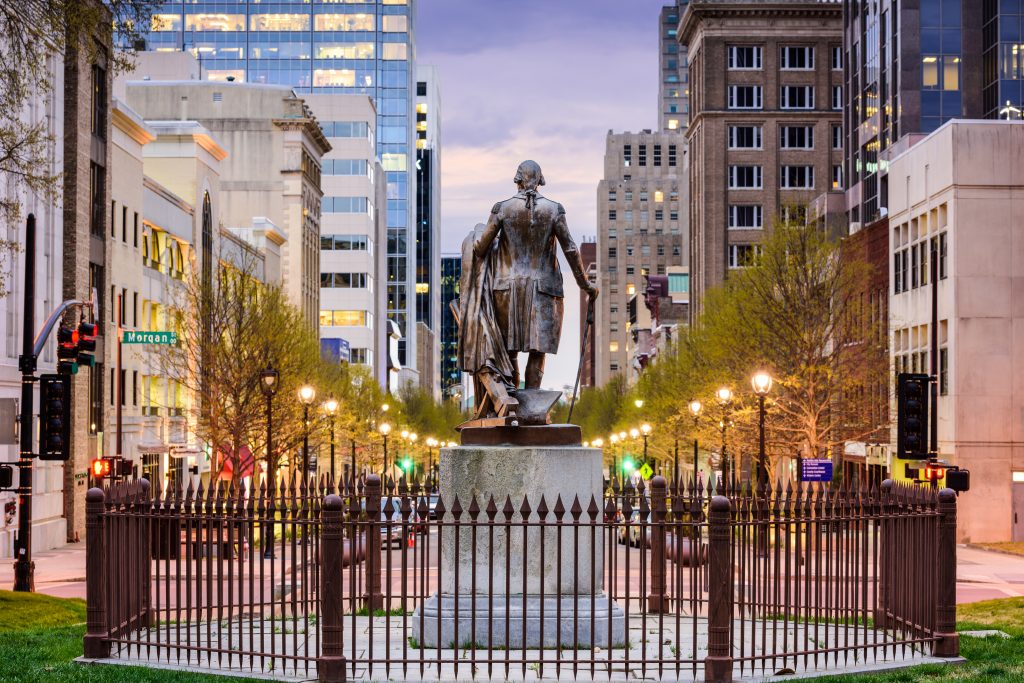
    6. Raleigh, North Carolina

    Situated in the northeastern corner of the state, Raleigh is one of the most racially diverse cities in North Carolina.

    The town also boasts a low unemployment rate, an abundance of job opportunities and plenty of educational opportunities. Raleigh is an excellent place for Black families as it has a plethora of entertainment options, such as the American Cultural Complex. Further, Raleigh residents enjoy a high median income and a high rate of homeownership.

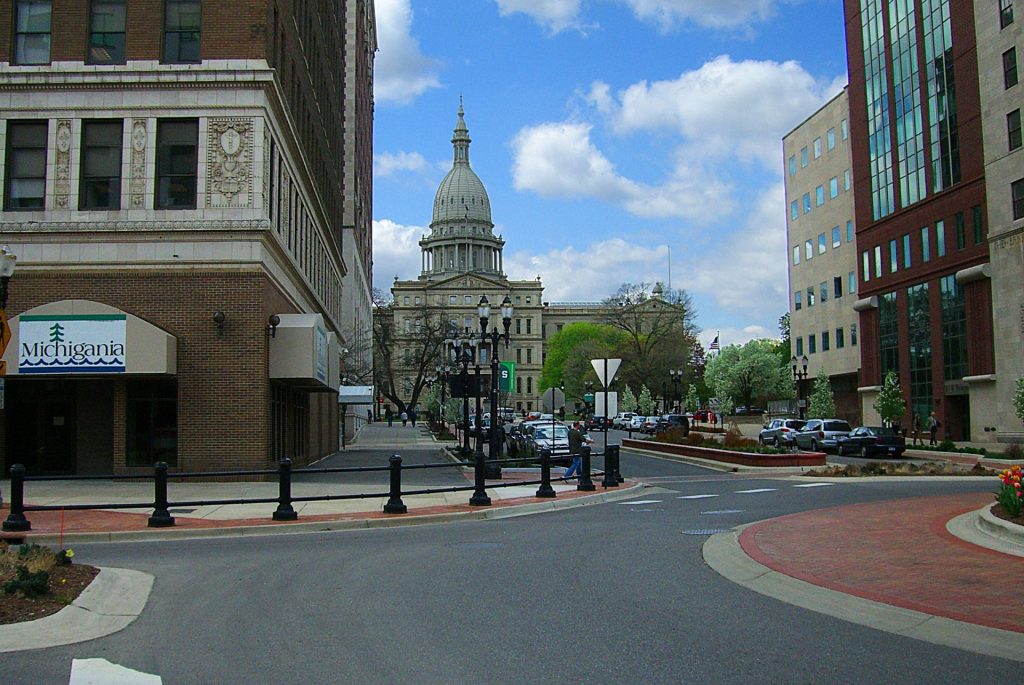
    7. Lansing, Michigan

    Rated as one of the best cities for Black families, Lansing is a town that embraces inclusivity and differences. The community is highly diverse and has implemented equality training programs in schools and workplaces.

    Besides embracing diversity, Lansing has a lower crime rate than many other cities in Michigan and thousands of new jobs have been added to the workforce in the past few years. Lansing has many of the perks of living in a big city but still maintains a small-town feel ideal for raising a family.

    There are various entertainment options for families, including cultural centers, museums, amusement parks and zoos.

    8. Richmond, Virginia

    Located approximately two hours from the Washington, D.C., metropolitan area, Richmond is home to many top-notch employers and universities.

    While the weather does become humid in the summer, the humidity is more bearable than in other Southern cities. Specific neighborhoods, including East Chesterfield, have a high percentage of Black families and residents enjoy representation in politics, economic opportunities and safety.

    Richmond schools are excellent and more than 50% of the population are households with children. Housing options and the cost of living are also considerably lower than in the D.C. area.

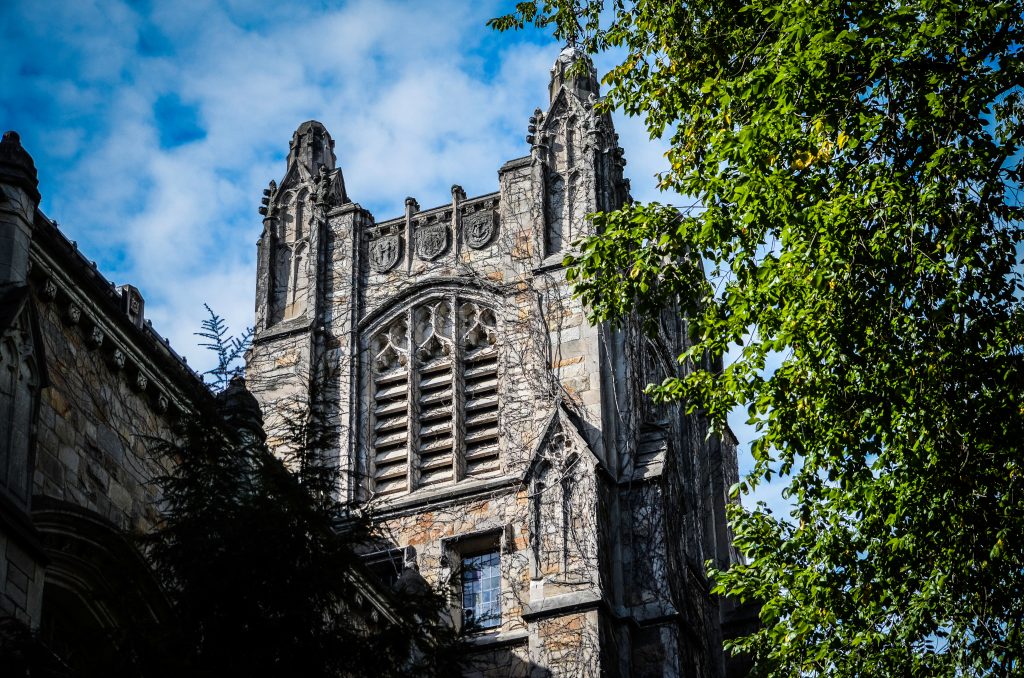
    9. Ann Arbor, Michigan

    With its enviable entertainment options and top-notch school system, Ann Arbor is among the top places to raise a Black family in the U.S. The city has been ranked as one of the most livable cities in Michigan with its low crime rate and big-city amenities. The city’s crime rate is nearly 30% lower than the U.S. national average.

    The city also offers affordable housing options and is home to one of the country’s best-rated hospitals. Ann Arbor’s museums and cultural centers make it a great place to educate children about diversity and other ways of life.

    10. Cary, North Carolina

    Cary is one of the best places to raise a family in the Southern U.S., ranked as the second-best place for families in North Carolina with its extensive city amenities, pleasant weather and excellent public school system.

    Though located within driving distance of bigger cities like Raleigh and Chapel Hill, the city maintains a small-town feel. The crime rate is one of the lowest in North Carolina and is almost 60% lower than the national average.

    While the cost of living in Cary is higher than in some of the other cities on the list, the proximity to Duke University and many top hospitals offers plenty of good job opportunities for residents.

    Check Out More Black Top 10 Lists

    If you are looking for more lists relevant to the Black community, visit Black Top 10s. We offer a number of list-style articles concerning Black money, culture, and politics. Whether you are looking for information on improving your love life or starting a new hobby, you can find the information you need on our website.

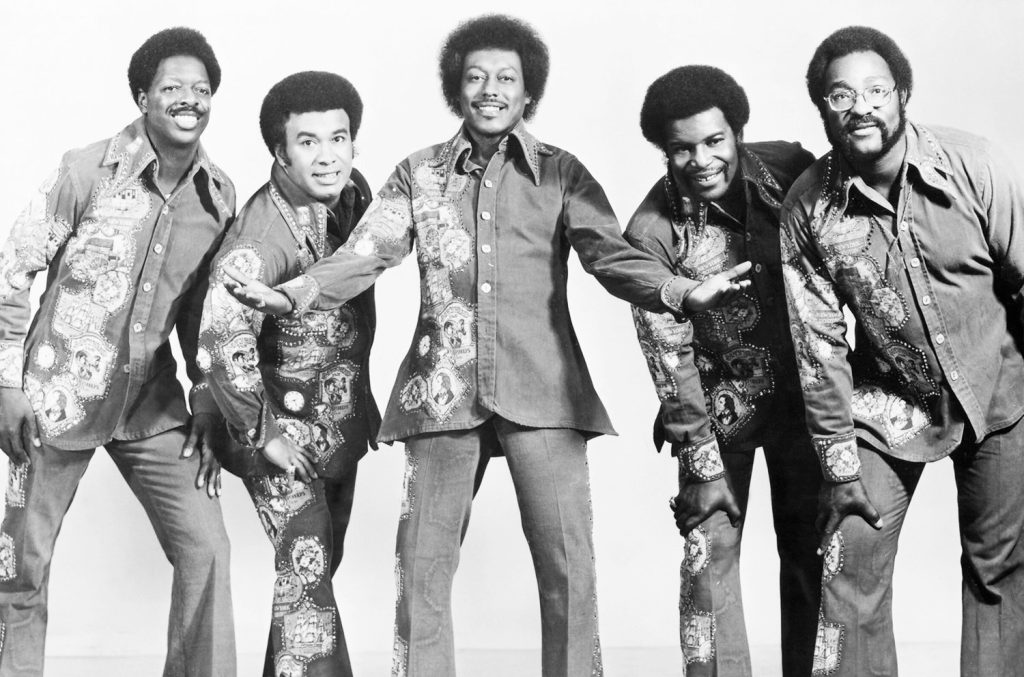
  • Top 10 Great Black Male Singers in Groups from the 70s


    For male singers in groups seeking recognition for their individuality, the 1970s was the decade to flourish. Every act had its own distinct sound, and if they did not, the listening public was spared.

    Originality ruled along with the melodic harmonies and gusto-filled vocal dexterity of Black male singers. Before swagger was ingrained in the lexicon, they oozed it. The moves, clothes, and mystic won over the targeted female fans but pulled everybody else into their net of timeless sounds as well. Let’s start off with …

    male singers


    THE SPINNERS

    These Ferndale, Michigan natives were known as the Detroit Spinners and the Motown Spinners, before chopping off the excess fat and being dubbed just The Spinners. At first none of their names meant much. The 5 housing project buddies, who played musical chairs with members, finally settled in on Billy Henderson, Henry Fambrough, Pervis Jackson, Bobby Smith and Chico Edwards. That was 1963. They released 1 single per year from ’66-’69 – mediocre success as future successful male singers.

    Their label Motown had them earning their keep as road managers, chauffeurs (for bigger groups, like the Temptations), chaperones and shipping clerks. Then in 1970 they made noise with “It’s a Shame”. It went to #14. G C Cameron the lead singer on that hit left and was replaced by Phillippe Wynne. The group then signed to Atlantic records and the hits kept coming:

    “I’ll Be Around”, “Could It Be I’m Falling in Love”, “Games People Play”, “Rubberband Man”, and the teaming with Dionne Warwick for “Then Came You”. Wynne left the group in 1977 and died on stage of a heart attack shortly thereafter. After that it was mainly the oldie shows circuit.


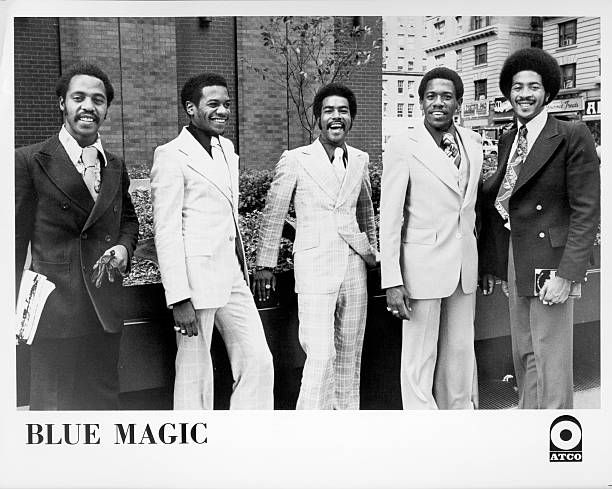
    BLUE MAGIC

    Thanks to the fragmentation of The Delfonics, Shades of Love and Toppick, the world received black male singers Blue Magic. Formed in 1972 in Philadelphia, their line-up was made up of Ted “Wizard” Mills (Lead tenor), (Baritone) Wendell & Vernon Sawyer (Tenor), Keith “Duke” Beaton (Tenor) and Richard Pratt (Bass).

    MFSB was their studio house band and the ’70’s was good to Blue Magic. They had a string of Billboard charting hits: “Spell” went to #8, “Look Me Up” to #36 and “Stop to Start” made it to #14 on the Billboard chart. This was all in 1973. In 1974 they sold 1 million copies of the certified Gold hit “Sideshow” from the album Blue Magic.

    That LP went Gold as well. In 1975 they scored a #36 hit, “3 Ring Circus”. Then came 1977 and disco practically killed them. They were known as balladeers. So, by the ‘80s Pratt left, then Vernon & Wendell. Mills and Beaton got replacements and continued the tradition. Currently there are two versions of Blue Magic touring.


    THE DELFONICS

    Philadelphia record producer, Thom Bell had another hit singing group on his hands when he got ahold of The Delfonics. William Hart and his brother Wilbert, along with Randy Cain were seasoned when they met Bell. By 1972 these male singers racked up 12 Top 20 hits on Billboard. “La La Means I Love You” went Gold. “Didn’t I Blow Your Mind This Time”, “Ready or Not Here I Come” and “Hey Love” were also era defining classics. Personnel changes abound.

    Major Harris came and went then fronted his own version of the Delfonics while another was touring simultaneously. Minus Thom Bell (who left around the time of Harris’ entrance) the group’s fortunes declined quickly, but they still make an impression at the oldie shows.

    THE CHI LITES

    From 1969-1974, The Chi-Lites scotred 11 Top Ten R&B hits. They also had hits in Australia, the United Kingdom, Ireland and Canada. They were spawned from 4 high school friends from Chicago: Eugene Record, Marshall Thompson, Robert “Squirrel” Lester and Creadell Jones (Bass).

    In 1968, the black male singers had the hit “Give it Away” on the Brunswick label. It was on Billboard as #10. Next was the million selling Gold record, “Have You Seen Her” and “Oh Girl” that went #1, sold a million and went gold. In 1973 the group shattered but kept touring. In 2004 Beyonce remade some of their hits. In 2005, Eugene Record died. Their material burned in the 2008 Universal Studio fire. Then in 2010 Lester died. 2021 is the year The Chi Lites are scheduled to be honored with stars on the Hollywood Walk of Fame.

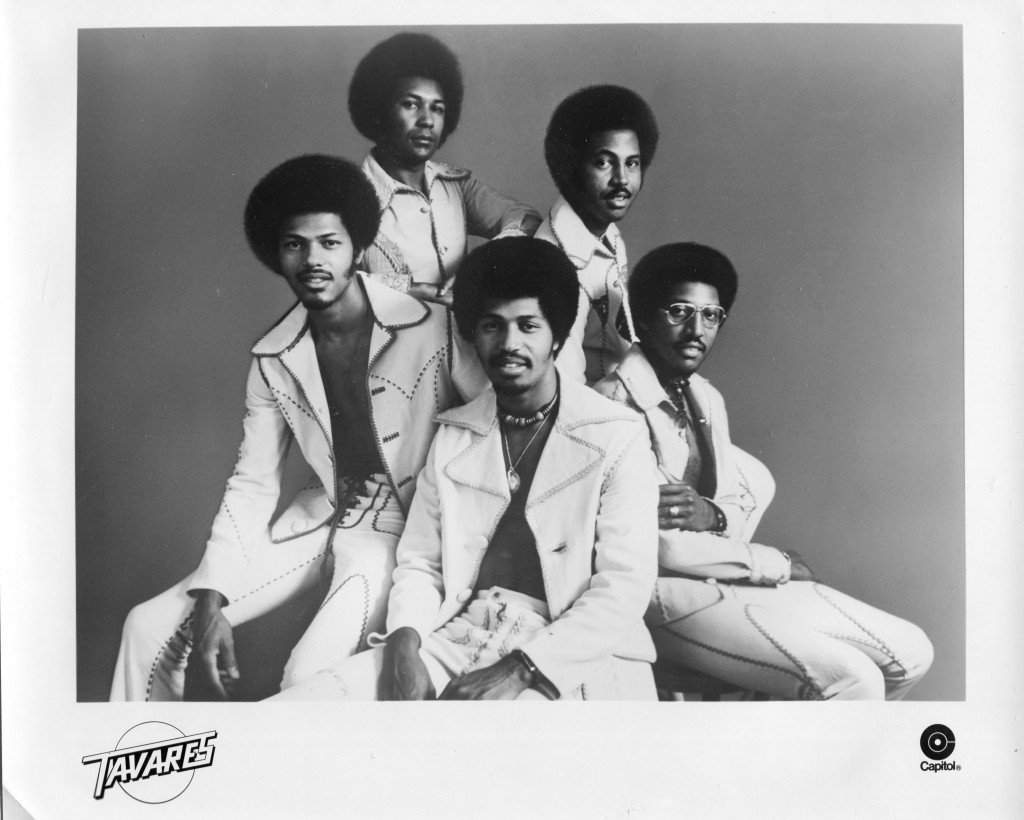
    TAVARES


    The 5 Tavares were black male singers and brothers who bounced back and forth from Providence, Rhode island to New Bedford, Massachusetts, but in 1959 they stayed still long enough to form the group, Tavares. The quintet of Cape Verdean descent, consisted of Ralph Edw. Vierra (12/10/41), Arthur Paul (11/12/42), Antone Lee (6/2/44), Feliciano Vierra Jr (5/18/48) and Perry Lee (10/23/49), were originally called Chubby and the Turnpikes, but that named changed in 1973, the year the hits began.

    Their first one was “Check it Out”, followed up by 1974’s #1 R&B hit. “She’s Gone”. Then the Top 40 Pop album, In the City with the #1 smash single, “It Only Takes a Minute”. In ’76 it was “Heaven Must be Missing an Angel” and “Don’t Take Away the Music” and 1977 gave us “Whodunit”, but Tavares was being viewed now as a disco group.

    They’d appeared on the Saturday Night Fever soundtrack and got pigeonholed. They also got their only Grammy for that LP. In 1980 the group signed with RCA, but it didn’t stop sliding record sales and with health issues combined, the group dissolved In 2014 Tavares was inducted into the Rhode Island Music Hall of Fame.


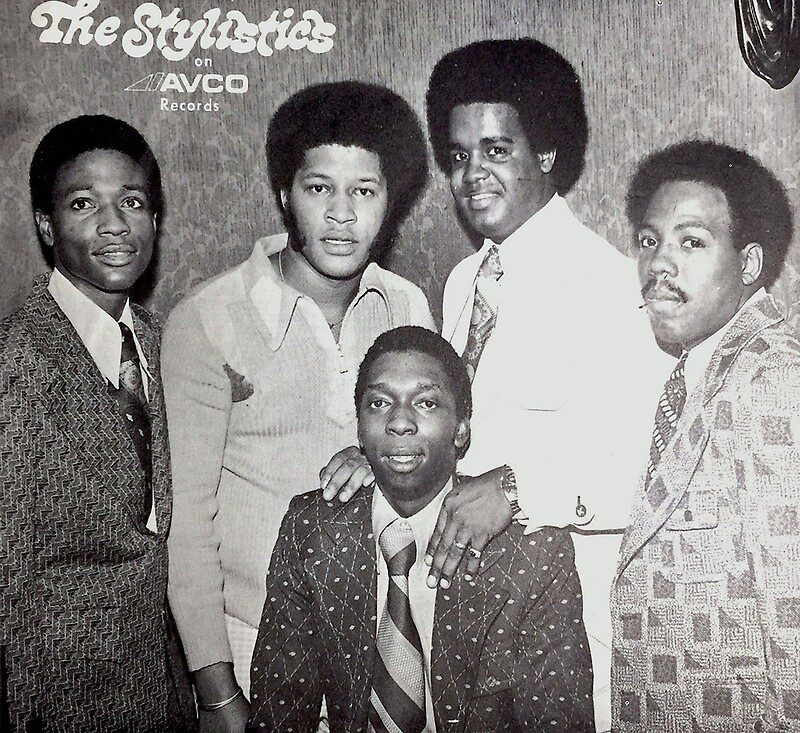
    THE STYLISTICS


    Formed in Philadelphia, Pennsylvania in 1968, from members of The Monarchs and The Percussions -The Stylistics, consisting of Russell Tompkins, Jr. (the group’s signature falsetto singer), Herb Murrell, Airrion Love, James Smith and James Dunn with producer Thom Bell accomplished a feat in music that remains unparalleled –

    These black male singers has 12 consecutive Top 10 R&B hits. 1971 – “You’re a Big Girl Now” (#7 on the charts), “Stop, Look, Listen” (#6 on the charts), “You Are Everything” (#10); 1972 – “Betcha By Golly Wow” (#2), “I’m Stone in Love with You” (#4), “People Make the World Go Round” (#6); 1973 – “Break Up to Make Up” (#5), “You’ll Never Get to Heaven”(#8), “Rock n Roll Baby” (#3); 1974 – “You Make Me Feel Brand New” (#5), Let’s Put it All Together” (#8) and “Heavy Fallin’ Out” (#4).

    When Thom Bell left in ’74, producer duties fell to the record label owners who brought in Van McCoy as arranger. Disco overshadowed The Stylistic’s previous sound and record sales slumped in the US, but the change in sound made them huge stars in the UK. They still tour to this day in different incarnations.


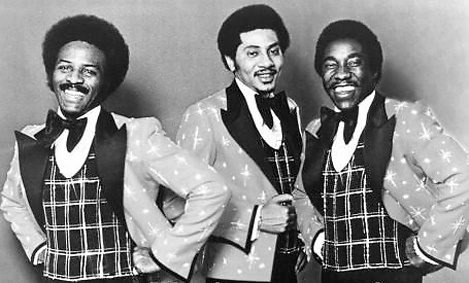
    THE O’JAYS


    Black male singers, The O’Jays (named after radio disc jockey, Eddie O’Jay) were formed in Canton, Ohio in 1958. They had some minor successes, but it wasn’t until 1972, when they got signed to Philadelphia International under the guidance of Gamble and Huff that they exploded. Hit after hit kept coming for Eddie Levert, Walter Williams, and William Powell.

    “Backstabbers”, “Love Train”, “For the Love of Money”, “Give the People What They Want”, “I Love Music”, “Livin For the Weekend”, “Message in Our Music”, “Darlin Darlin Baby” and more shaped the sound of the times. Those times slowed down when Powell died in 1977 at the age of 35. He was replaced, but he was irreplaceable. Like many groups their US decline meant nothing overseas as the O’Jays were further embraced in Europe. In 2008 their material was destroyed in the Universal fire.

    HAROLD MELVIN & THE BLUENOTES

    Formed in Philadelphia, Pennsylvania, the original name was the Charlemagnes, but under the production of Kenny Gamble and Leon Huff at Philadelphia International, these black male singers became seminal hitmakers in the 1970s. The group is noted for breaking lead singer Teddy Pendergrass into stardom, but they were also a solid unit before his ascension. Melvin, Lloyd Parks, Bernard Wilson, Lawrence Brown, and John Atkins had some minor hits on various labels, but in 1970 lead singer, Atkins left, Lloyd Parks was replaced by Jerry Cummings, and new drummer Pendergrass was promoted.

    He was so good audiences thought he was Harold Melvin. No matter. The hits are what mattered at the time. “If You Don’t Know Me By Now”, “I Miss You”, The Love I Lost”, “Wake Up Everybody”, “Bad Luck” and “I Hope That We Can be Together Soon” were all major smash hits. However, Melvin’s domineering and controlling manner of the group’s finances and business forced the independent Pendergrass to go solo. The remaining Blue Notes stayed together and recorded and toured. Melvin died in 1997.


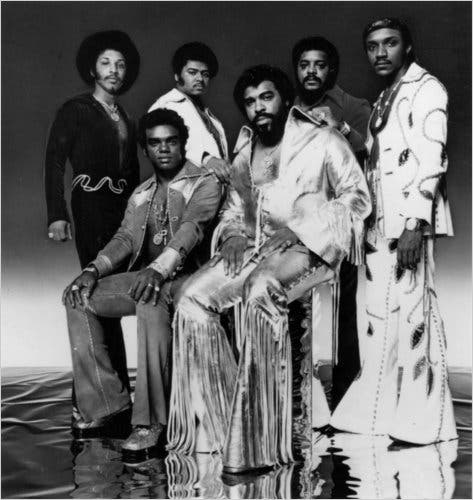
    THE ISLEY BROTHERS

    This group is a family affair and the family hails from Cincinnati, OH! In 1959, they had their first hit, “Shout,” followed by “Twist & Shout”. Then after a decade of moderate success, including 1969’s “It’s Your Thing”, which went to #1, sold 1 million copies, and collected a Grammy, the black male singers found their groove in 1973.
    The roster of O’Kelly Isley Jr, Ernie (Lead Guitar), Ronald (Lead Vocals), Marvin (Bass) and Rudolph Isley, along with brother-in-law Chris Jasper (Keyboards) were all about hit albums. 31 albums in total, with standouts starting with 3+3 (2 Million Sold), Live it Up (Gold) and The Heat Is On (Double Platinum), plus Harvest for the World, Go For Your Guns, Showdown and Winner Take All (all Gold or Platinum).

    Their last hit LP was 1983’s Between the Sheets. Afterward, the group splintered into various touring incarnations, solo attempts and smaller configurations, such as the short-lived, Isley-Jasper-Isley, but members remain musically active to this day.


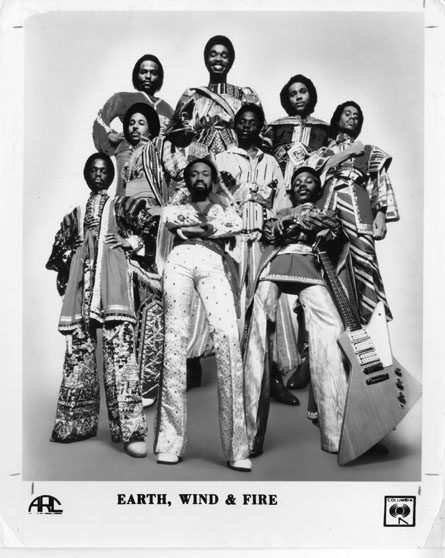
    EARTH, WIND & FIRE

    Universally heralded as one of the greatest bands of all time, Earth, Wind & Fire has the stats to back it up. Critics and the public alike agreed and rewarded them with 17 Grammy nominations, 6 wins; 12 American Music Award nods and 4 wins, 90 million albums sold – most certified Gold, Platinum, Double Platinum or Triple Platinum.

    Founded in 1969 by Chicago jazz drummer Maurice White, the group went through various combinations before striking the right chord in 1972 when their contract at Warner Bros was bought by Clive Davis and the band found themselves at Columbia Records.

    The line-up poised to make musical history were Maurice, his brother Verdine White (bass), Ralph Johnson (drums), Philip Bailey (vocals), Andrew Woolfolk (Reeds), Al McKay (rhythm guitar) Larry Dunn (keyboards) and Johnny Graham (Lead Guitar). 1973’s Head to the Sky was their debut effort on the new label. It went Platinum.

    In 1974 they had the #1 Soul LP in Open Our Eyes that went Platinum, and the same year their collaboration with Ramsey Lewis for Sun Goddess was also #1 Soul and went Gold. They incorporated spectacle into their performances; stage illusions engineered by master magician Doug Henning and his protégé David Copperfield.

    That’s the Way of the World in 1975 was the soundtrack of a failed movie, but fortunately, the group saw the rough cut of the film before its release, predicted it would flop, and released their album before the stink hit. The album became Billboard’s #1 Soul and Mainstream album, being certified Triple Platinum. They repeated the same feat with Gratitude, a 2-disc set. Spirit in ’76 – Double Platinum, All ‘n All in ’77 – #1 Soul, Grammy winner, and Triple Platinum.

    In 1978 they got stuck in the soundtrack of another bad movie, Sgt. Pepper’s Lonely Hearts Club Band, but their song, “Got to Get You into My Life,” went to #1. The Double Platinum followed this, I Am in ’79, and the certified Gold, Faces. More hit albums and international honors and awards continued throughout for the next several decades. On February 4, 2016, founder Maurice White passed away after battling Parkinson Disease, but EWF continues touring to this day.

  • R&B’s Overlooked Singles

    In the music industry, many great R&B songs have been passed over for being selected as singles for many reasons.  

    Throughout the history of R&B music, there have been countless instances where exceptional songs were overshadowed, overlooked, or dismissed as potential hit singles. Despite the undeniable talent of the artists and the infectious nature of the tracks, these songs were never given a chance to dominate the airwaves and reach their full potential.

    In this article, we will explore ten such songs that fell victim to the unpredictable nature of the music industry. From the soulful tunes of the Commodores and Chaka Khan to the captivating melodies of Janet Jackson and Aaliyah, we will examine the circumstances that prevented these songs from ascending to the top of the charts.

    Join us as we uncover the stories of these forgotten R&B singles and appreciate the artistry that deserved a brighter spotlight. Here, A. Scott Galloway gives his take on these great classics that had the potential to be bigger songs.

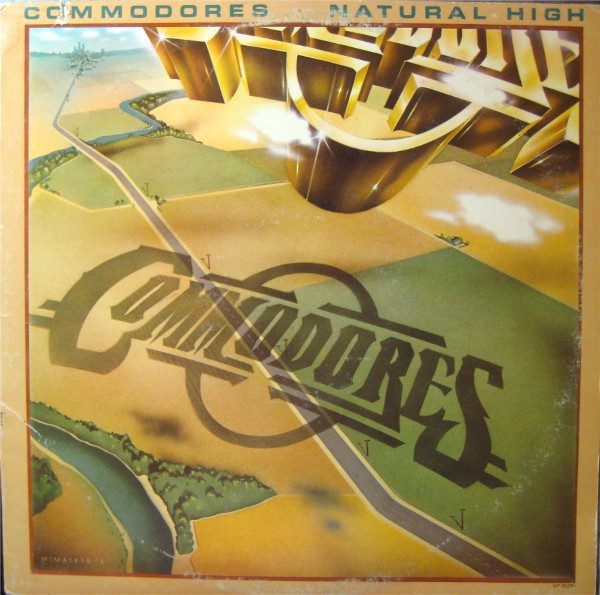
    “Say Yeah” – Commodores (Motown – 1978)

    R&B Songs

    At a time when the Alabama soul band was at its peak as a pop band, Motown Records was heavily pushing the agenda of Lionel Richie as the group’s star lead singer and songwriter. On the band’s 7th album, Natural High in 1978, Richie composed or co-composed 5 of the 8 songs.

    And against typical industry wisdom which says lead off with an up-tempo single, Motown selected Lionel’s piano ballad “Three Times a Lady” as the first single, followed by the breezy Top 40-directed “Flying High” which Lionel co-composed with band guitarist Thomas McClary. This left the album’s “blackest” material as album cuts, including second lead singer/drummer Walter “Clyde” Orange’s “I Like What You Do” and “Such a Woman.”

    However, the soulful Blue Lights in the Basement slow jam that Motown kept exclusively on the album (allegedly to ensure record sales among its Black audience) was the outstanding “Say Yeah,” penned by Lionel with bassist Ronald LaPread (the duo behind the band’s prior hit, “Zoom”). Black radio made it a “turntable” hit, but it was never released as a single.  

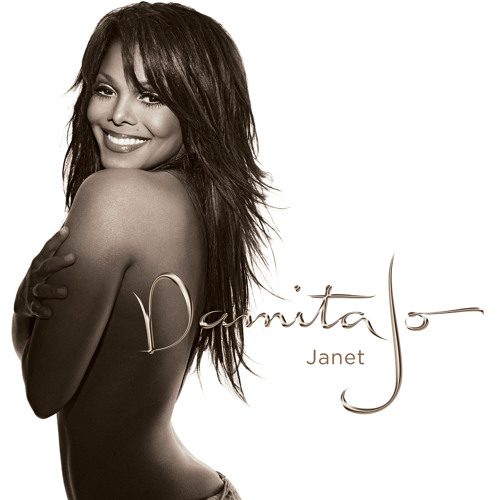
    “Thinkin’ Bout My Ex” – Janet Jackson (Virgin – 2004)

    Heads rolled behind the disastrous rollout of Janet Jackson’s super sexy 8th album, Damita Jo. Again, lead singles are super important to get an album’s sales campaign off to a healthy start. Pitifully, a new executive of Black Music had just been installed from Arista Records to well-funded Virgin Records.

    He felt that because a then-on-the-rise record producer named Kanye West was hot as a firecracker that one of his songs should be the lead single…over even Janet’s superstar A-Team of Jimmy Jam & Terry Lewis. West’s percussively overwrought old-school throwback “I Want You” is one of Janet’s most forgettable singles and was not the kind of song to spark excitement about the superstar having new product on the market. The momentum for the album never recovered…

    Other jams such as “All Nite (Don’t Stop),” “Like You Don’t Love Me” or “Strawberry Bounce” would have been more fiery starters. However, around single two or three, Virgin definitely should have dropped “Thinkin’ `Bout My Ex” (penned by Freckles with producer Babyface), the kind of song a sharp exec would have picked because of the psychological mind**** it would be to listeners.

    Given Janet’s stature in pop culture then, I could see segments of “Oprah” and “The View” dedicated to its brutal subject matter of a lover confessing that when she’s with her partner, she’s really thinking about her “ex” the whole time. Lesson: a hit is not always about beats of the day. Storylines still rule. 

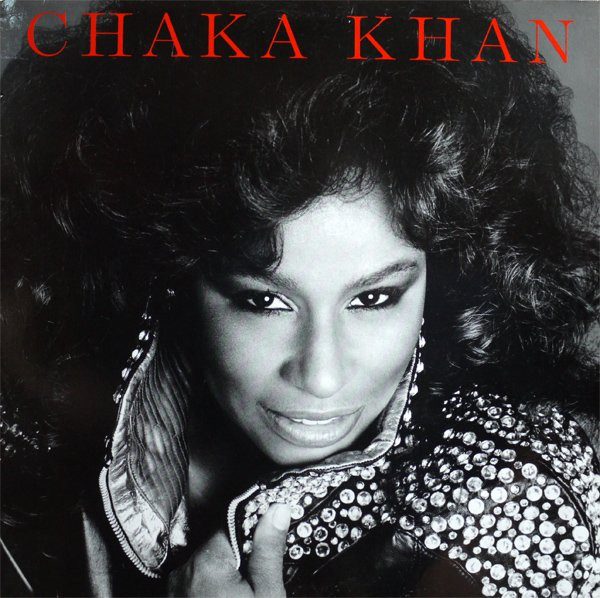
    “Slow Dancin’” – Chaka Khan f/ Rick James (Warner Bros. – 1982)

    In 1982, Rick James was red hot after his 5th album, Street Songs, more than made up for the lacking sales of predecessors Fire it Up and Garden of Love. On a hit streak that included “Give it to Me Baby,” “Super Freak,” and a now legendary duet with Teena Marie, “Fire and Desire,” ‘Slick Rick’ was at the top of the heap.

    In the midst of all this, he cut a smoldering funk love duet with Chaka Khan entitled “Slow Dancin’” that screamed an obvious hit single on an otherwise excellent yet admittedly Avant-garde 4th album for the singing siren. Record label politics kept that from happening, resulting in one of the biggest missed opportunities in `80s Soul. Could you imagine the video??

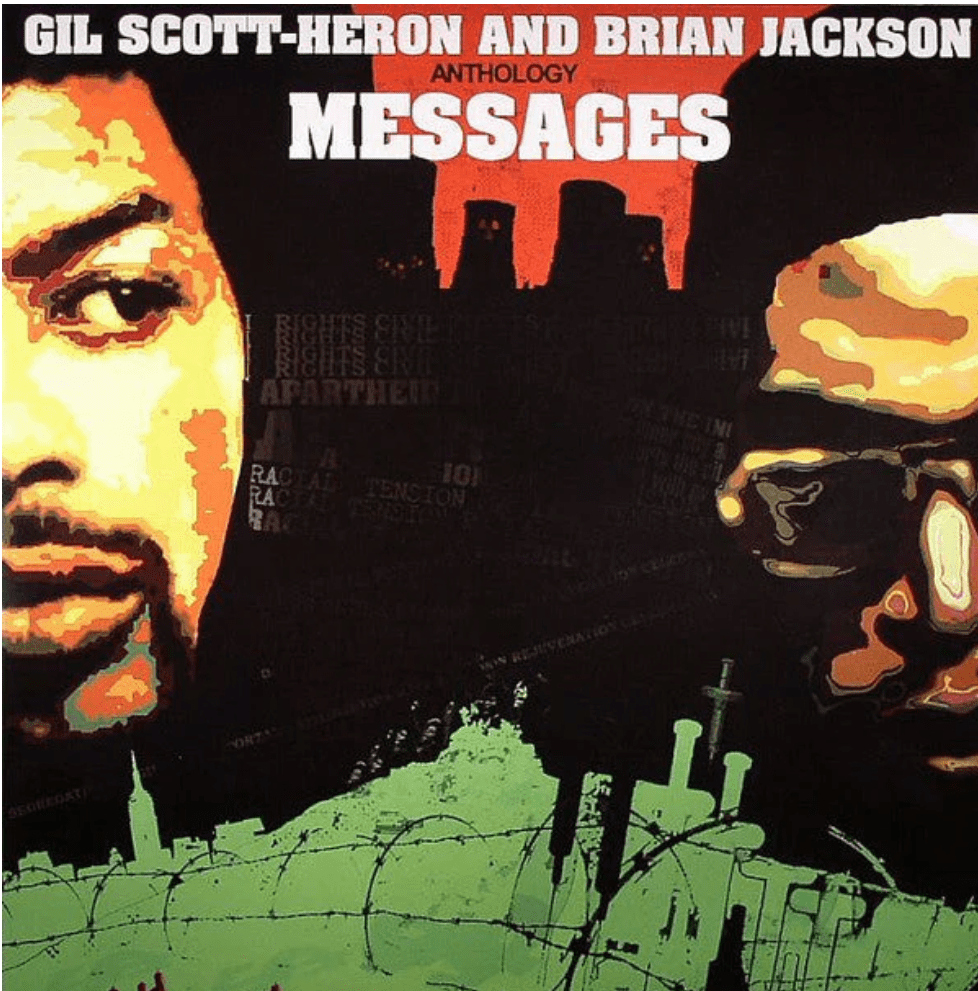
    “A Lovely Day” – Gil Scott-Heron & Brian Jackson (Arista – 1975)

    Though most instantly recognized as a sharp socio-political griot, the late great Gil Scott-Heron could also tug at heartstrings for recognizing the beautiful side of the ghetto.

    It’s a shame that no one at Arista saw potential in this harmonically warm (thanks to keyboardist partner Brian Jackson on Fender Rhodes) and an evocative piece about appreciating simple things in life…like a sunny, lovely day (from the album From South Africa to South Carolina).

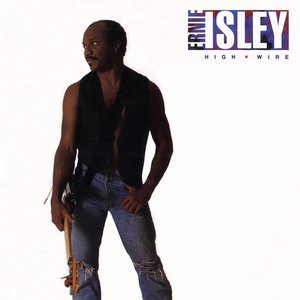
    “Deep Waters” – Ernie Isley (Elektra – 1990)

    Known primarily as the galvanizing lead guitarist of The Isley Brothers, Ernie – quiet as it’s kept – was the primary composer of many of the band’s hit songs of the `70s and `80s. At the top of 1990, he dropped his criminally sole solo album, High Wire, signed to Elektra Records by the legendary Bob Krasnow.

    However, he was near-exclusively marketed by the company’s rock department with the singles “High Wire” and “Rising from the Ashes.” Though he got mad love from Arsenio Hall, who featured him sitting in with his band “The Posse” all night on an episode of his late-night variety show, Ernie got no love from Black Radio.

    That might have been different had Elektra pushed the funky bass-driven “Deep Waters” their way. Not to say he would have made a huge dent as he was twice the age of those dominating Black Radio in this New Jack Swing era (except Quincy Jones). But some love would have been better than none. And the ‘brother’ deserved better. 

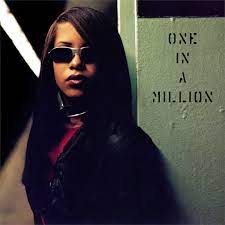
    “A Girl Like You” – Aaliyah f/ Treach (Blackground/Atlantic- 1996)

    Aaliyah’s long-anticipated sophomore album One in a Million (following the scandal of her R. Kelly-produced debut Age Ain’t Nothin’ But a Number) was chock full of great radio songs – most produced by Timbaland and Missy Elliott – that were or could have been singles.

    But this one produced by Kay Gee of rap trio Naughty by Nature and featuring that group’s star Treach as a guest rapper would have not only been dope, it’s the single greatest vocal fusion of Funk, Hip Hop, and JAZZ (yes) ever recorded.

    Aaliyah’s vocals swing against the hard-as-nails rhymes of Treach over a funked-up sample from Kool & The Gang’s “Summer Madness.” Her vocal respect meter would have risen instantly and exponentially.

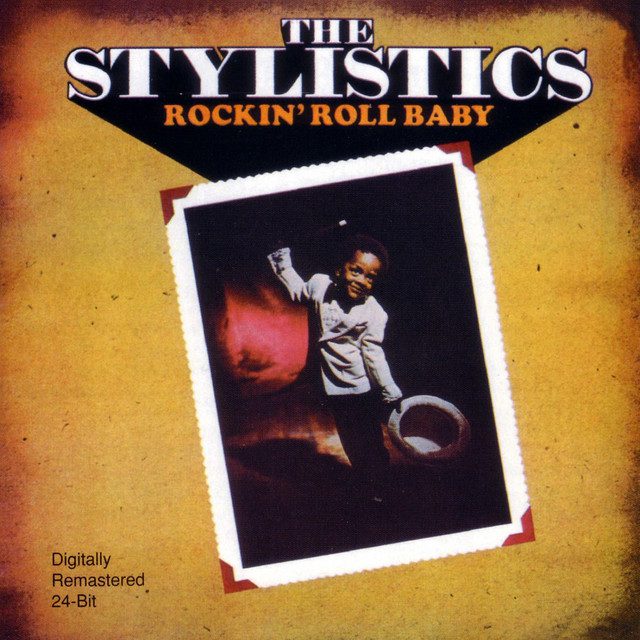
    “Pay Back is a Dog” – The Stylistics (Avco – 1973)

    Philly Soul vocal quintet The Stylistics are best remembered for serving up the softest cream puffs of the genre with “You Are Everything,” “Betcha By Golly Wow,” “I’m Stone in Love with You,” “Break Up to Make Up” and “Rockin’ Roll Baby” – major soul to pop crossover hits all co-penned by Thom Bell & Linda Creed.

    This gave a stone soul thought-provoker like “Pay Back is a Dog” – a rare Thom Bell & Kenny Gamble co-write – no chance of getting a single release from conservative Avco Records. It would take the team of Hugo & Luigi a year later to shake things up for the group with the driving orchestrated funk of “Heavy Fallin’ Out.” But ‘Payback’ could have gotten that job done much smoother in `73.  

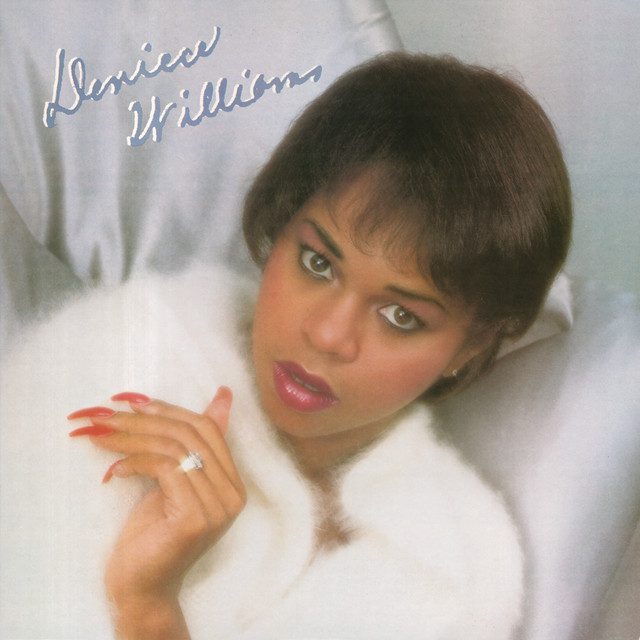
    “You’re All That Matters” – Deniece Williams (ARC/Columbia – 1981)

    Speaking of Thom Bell (who we lost in late December 2022), his work with singer/songwriter Deniece Williams (who started with Stevie Wonder then proceeded to Maurice White) rates among his very best. Their first of two albums together, My Melody, was overflowing with goodness in “Silly,” “It’s Your Conscience,” and the title track.

    The one that became a Quiet Storm turntable hit yet could have also been a smash single – if Columbia wanted to milk it for one more – is “You’re All That Matters” – a dreamy ballad that washes over body, heart and soul-like a milk chocolate massage… It was a 4-way songwriting collaboration between ‘Niecy,’ Bell, and brothers Alan & Preston Glass. 

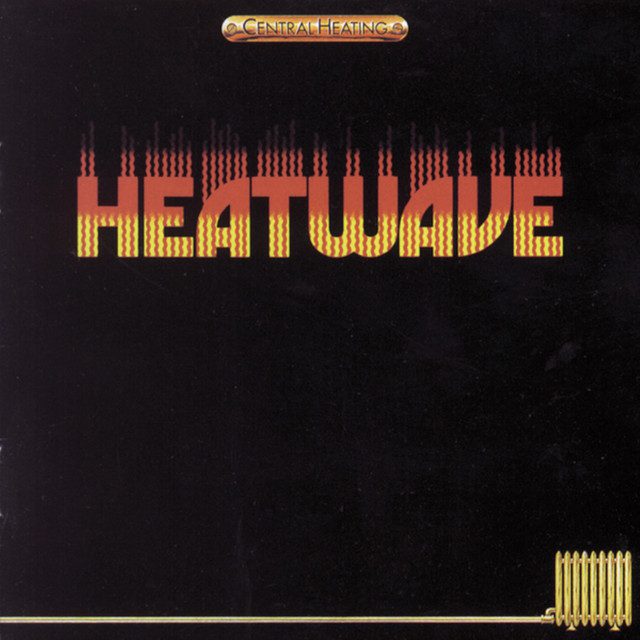
    “The Star of A Story” – Heatwave (Epic – 1977)

    European/American hybrid band Heatwave is best remembered for first-class club fare like “Boogie Nights” and “The Groove Line,” though they also managed to score with what became one of the top soul ballads of all-time, “Always and Forever.”

    In 1977 when the airwaves on Black and Top 40 radio were dominated by fiercely up-tempo Disco, somehow, Epic Records slept on the band’s second greatest ballad as a single choice. That song, “The Star of A Story” (from the band’s outstanding sophomore LP, Central Heating) was passed over in favor of the midtempo “Mind Blowing Decisions,” perhaps as a caveat to its writer.

    Lead singer Johnnie Wilder (where most of the group’s material was penned by a fast-up-and-coming Rod Temperton) or because ‘Star’ was too dreamy and jazzy (it includes an acoustic jazz guitar solo and eerie chord changes).

    To the latter possibility, I counter with this. Imagine if Atlantic Records had been too cagey to release Roberta Flack’s “Killing Me Softly With His Song” because it was so ‘different’ and ‘haunting?’ George Benson recut ‘Star’ for his Give Me The Night LP yet producer Quincy Jones kept it as an album cut on him as well. A pity.

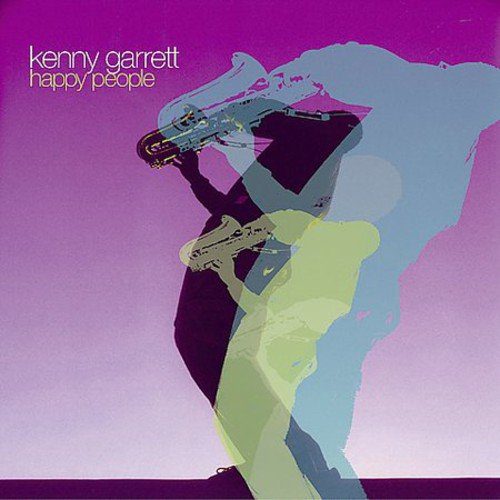
    “Happy People” – Kenny Garrett f/ Jean Norris (Warner Bros. – 2002)

    Long gone are the days when a straight-up jazz song has been a hit on Black radio. However, I strongly believe that the groovin’ “Happy People” by unimpeachably great and ever-inspired saxophonist Kenny Garrett could have come through with his jubilant and earthy “Happy People.”

    This title track of his 2002 LP was produced by the phenomenal Marcus Miller featuring vocal ad-libs by Jean Norris (formerly of the female neo-soul duo Zhane’, and now known and respected as jazz singer Jean Baylor in a duo with her husband, drummer Marcus Baylor, together known as The Baylor Project).

    I’ve witnessed audiences in America, the Netherlands, and Barbados on their feet catching the Holy Ghost to “Happy People” – with the folks in Barbados obliviously dancing to it in a downpour. Go figure…

    – A. Scott Galloway

    (A. Scott Galloway is a prolific Los Angeles-based music journalist who has been writing about music since 1988. He has composed over 300 liner note essays for classic CD reissues and anthologies, His upcoming work includes producing and writing the liner note essay for the 3-CD set Randy Crawford – You Might Need Somebody – The Warner Bros. Recordings (1976-1993) and writing the cultural essay for the 50th-anniversary deluxe reissue of the complete music from Wattstax.)

  • Top 10 Undeniable Black Female Singers from the 60s

    The 60s was a very important decade in the field of music. This is when there was a rise in the introduction of various artists as well as genres that would be heard for decades over. Some of the best R&B music as well as rock music came to life in this era and to date, they are still among the most popular categories of music.

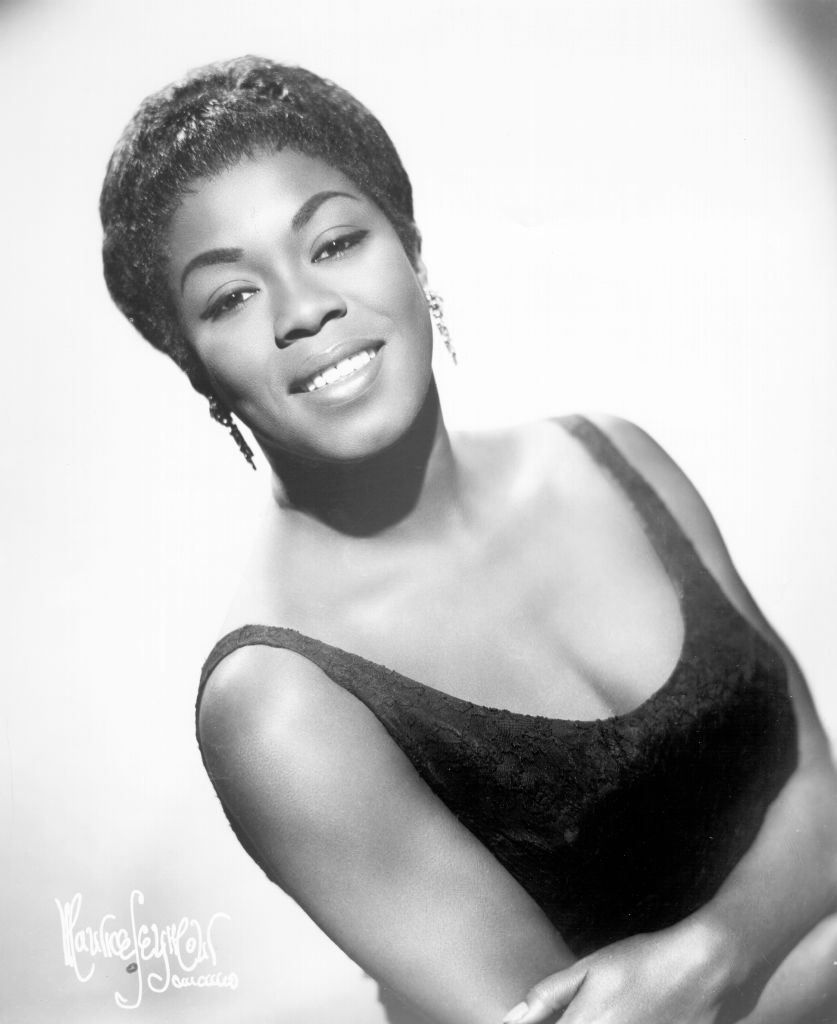
    CHICAGO IL – CIRCA 1957: Sarah Vaughan poses for a portrait circa 1957 in Chicago, Illinois. (Photo by Maurice Seymour/Michael Ochs Archive/Getty Images)

    Some of the best artists of this decade were black female artists who undoubtedly were taking the radios by storm while the Civil Rights Movement took on the government.

    The majority of these artists communicated powerful messages about racial injustice and social equality through their music as well as released various classics that are still loved to date. This article highlights ten of the best black female singers of that decade.

    1. Barbara Mason

    When Barbara first joined the music industry in her teenage years, she had her focus on songwriting. Her first hit single as a performer was in 1965 with ‘Yes I’m ready’ which was her third single. She was signed to the label owned by her manager and saw great success while there.

    Her singles got to Billboards Hot 100 top 40 severally. She has continued to release several albums from the 60s. Then and even now, her voice is surely one of those that you can never get tired of appreciating and listening to.

    1. Nancy Wilson

    Nancy Sue Wilson is one of the greatest contemporary artists of all time. Not only was she a pop star when it came to Jazz music, but also branched into Pop and R&B and was equally successful.

    Nancy first got recognition while she was performing in a club that was near Colombus. This is how she managed to sign with Capitol and she managed to work with other artists such as Adderley further cementing her fame. Nancy made several albums that were all loved and even went on tours.

    1. Sarah Vaughan

    Sarah Lois Vaughan was an American Jazz Singer. She was celebrated for her voice that was not only rich but also had a wide range. She studied piano from the age of seven and also sang in her church choir. She won a contest in the early 40s that got hot her hired as a singer by Earl Hines.

    She is regarded as one of the greatest of all jazz singers to ever exist as she had a range of three octaves. She had several songs hit the charts and won four Grammy awards. Her induction into the Jazz Hall of Fame was in 1990, the same year as her death.

    1. Nina Simone

    Nina Simon was originally named Eunice Kathleen Wymone. Nina was a jack of all trades when it came to music genres. She excelled in pop songs, jazz, blues, and even R&B. Her change of name was because she did not want her family to know that she was working in clubs, which would have brought her some issues.

    In 1960, she had her breakthrough with her recording of ‘Summertime’ by Gershwin. Her voice depicted strong emotions and it is not a wonder that she was loved not just in America but also managed to have her songs hit the Top 50s in the UK. Nina Simone not only made a name for herself as a songwriter and singer but also as an activist and continues to be celebrated.

    1. Carla Thomas

    Carla, also referred to as the Queen of Memphis Soul started her career at seventeen when she did a recording of a duet with her father and the song ‘Because I love you’ became a great hit. She then rose to national fame in 1961 thanks to her record ‘Look in his eyes’ which got to top ten in both Pop and R&B lists.

    She marked history as the very first Memphis Soul record to have a nationwide impact. She released 22 singles over the next ten years and they all got to the national charts. Later on, she received a Pioneer Award for her music.

    1. Tina Turner

    Tina Bullock or Tina Turner had her first hit in 1960 by sheer coincidence. She stepped in to record a song because the band that was to have their recording failed to show up.

    She had a very strong stage presence as well as vocal power that got her to the top of the charts all through the sixties and even later on. While married to Ike and even after being divorced, she remained a phenomenal artist.

    1. Tammi Terrell

    Tammi began her career in music in the early 160s but got her big break in 1965 after she signed with Motown. Tammie had a joyful and elegant voice that was equally sensitive and strong.

    She sang with Marvin Gaye and made various hit songs before tragedy struck Tammi and she died quite young at 24 due to a brain tumor.

    1. Dionne Warwick

    Dionne was brought up in a family that loved music and they even had a family singing group. She took music in school which is how she started working for Burt Bacharach as a demo singer.

    Her first successful song was in 1962, ‘Don’t make me over’ which became #21 in the States. She continued on to release more songs that were hit in the music industry and sold more than a hundred million records over time.

    1. Mary Wells

    Mary Wells had a unique childhood. She was able to overcome tuberculosis as well as spinal meningitis as a child which left her partially blind as well as deaf in one ear.

    This did not slow down or interfere with her love for music. By the age of ten, she was already performing wherever she could, from talent shows to nightclubs. At 17, she was writing songs. Her persistent spirit got her signed by Gordy as a recording artist. She became the very first female Motown artist to have a song hit the top 40.

    Her legacy however truly started with her hit song ‘My Guy’ in 1964. She has had an astonishing impact on the music industry and paved the way for other future stars of Motown without a doubt.

    1. Mahalia Jackson

    Mahalia was known as the Queen of Gospel and one of the most influential gospel artists as well as a rights activist. She began singing in her church choir as a child and together with the Jackson Brothers, they became one of the very first professional gospel groups.

    The group ultimately died but her solo career was just beginning. She rose to fame relatively fast and was even the one who sang at Martin Luther King Jr’s funeral. 

    Conclusion

    It is no doubt that these as well as several other black female artists over the decades’ paved way for the modern black female artists. Therefore, paying attribute to them and knowing their stories continue to be of importance as some of their songs continue to be listened to.

  • 10 Incredible Black Drummers That Changed Music Forever

    Black drummers have been responsible for some of the most memorable moments in music history. From their very beginnings, they have pushed boundaries and set the tone for many genres, inspiring everyone to become a better musician.

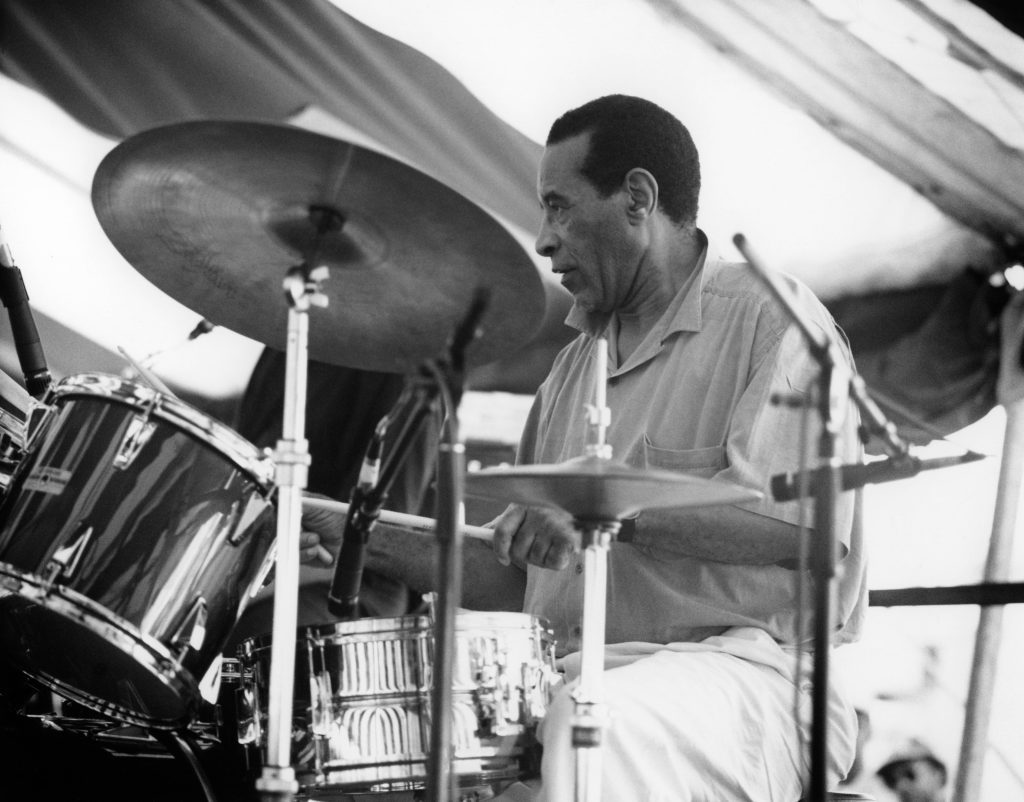
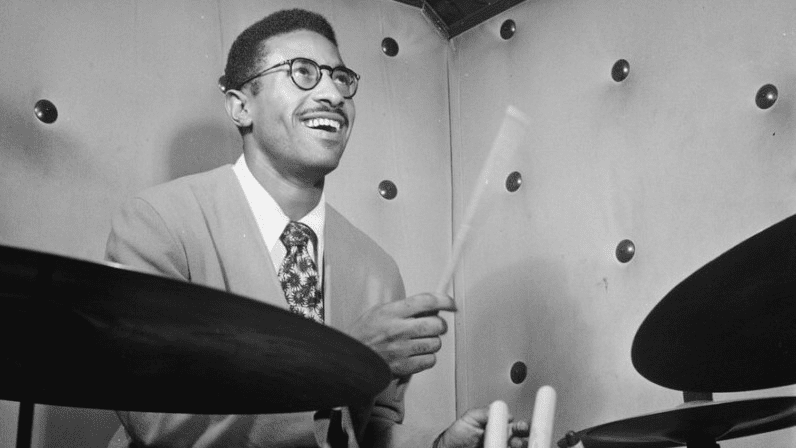
    UNSPECIFIED – JANUARY 01: Photo of Max ROACH (Photo by David Redfern/Redferns)

    From natural improvisers who can keep time on any beat to technical wizards with a knack for rhythm, Black drummers are without a doubt some of the greatest contributors to music history.

    Max Roach

    drummer Max roach
    Max Roach

    Jazz drummer and composer Max Roach was born in New York on January 10, 1924. Max Roach was brought up in a musical family by his mother, a gospel singer. He played the bugle in parades from an early age and started playing the drums in gospel bands at the age of 10.

    The bebop movement’s founder, Max Roach, collaborated with many of the top names in the field, including Dizzy Gillespie and Charlie Parker. Along with being a leader of his own successful ensembles throughout his career, he was a member of the groundbreaking band The Jazz Messengers.

    Along with his career as a musician, Roach was a renowned composer who produced a number of works that had a significant impact, such as the ground-breaking album “Freedom Now Suite.” The early 2000s saw a downturn in Max Roach’s health as a result of hydrocephalus problems. Despite this, he continued to be active up until early on August 16, 2007, when he succumbed to dementia and Alzheimer’s in Manhattan.

    In addition to having a distinguished career as a jazz drummer and conductor, Roach will be recognized for his original and influential playing style.

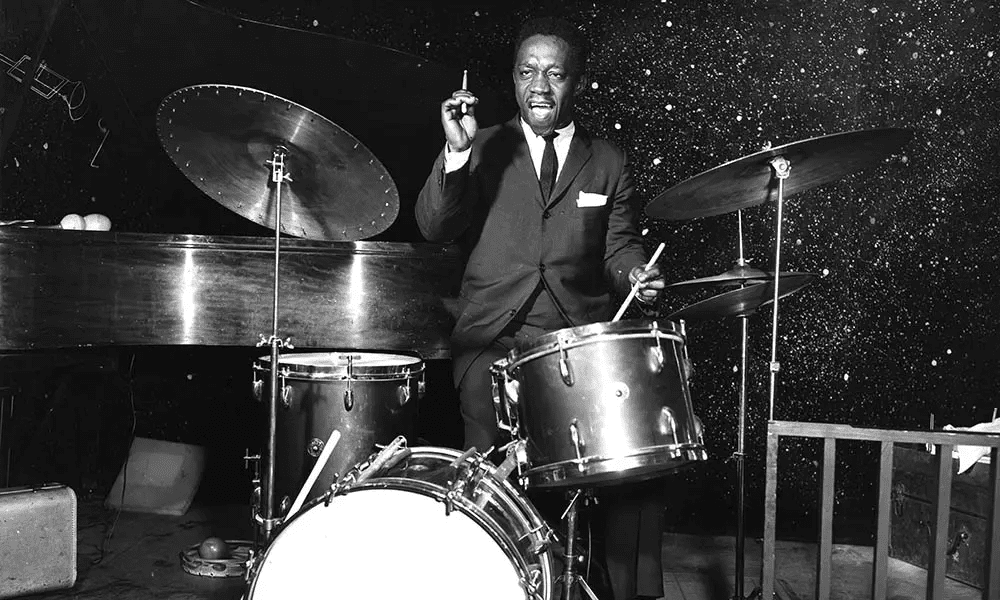
    Art Blakey

    Art Blakey
    Art Blakey

    Pittsburgh was the birthplace of jazz drummer and bandleader Arthur Blakey in 1919. At addition to teaching himself, Art Blakey had some piano lessons in school. He started performing music professionally in seventh grade, was learning how to be a band leader, and was starting to assume more adult duties.

    He may have started playing the drums in the early 1930s, although the exact year is unknown. There is a widespread rumor that Blakey was coerced by a club owner to move to the drums at gunpoint in order for Erroll Garner to play the piano, although the truth of this rumor is in question.

    Chick Webb, Sid Catlett, and Ray Bauduc were some of the drummers that inspired Blakey, and his style of drumming was forceful swing. Blakey was a vital player in the creation of hard bop and performed with many of the biggest names in jazz, like Miles Davis and Thelonious Monk.

    In addition to his accomplishments as a soloist, Blakey was the founder and leader of the Jazz Messengers, a significant hard-bop band. The Jazz Messengers, which launched many young artists including Wynton Marsalis and Terence Blanchard, were renowned for their exuberant concerts. The last concerts of Blakey took place in July 1990. He passed away from lung cancer on October 16th.

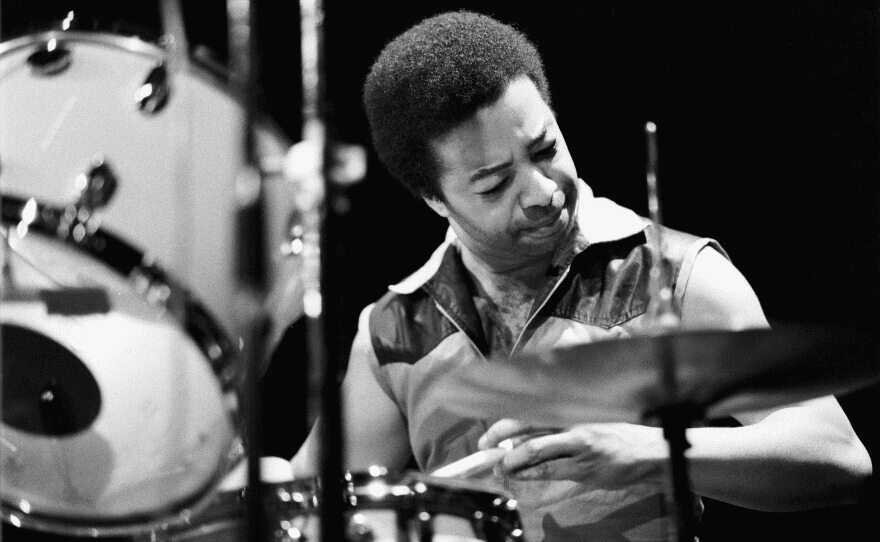
    Tony Williams

    Tony Williams
    Tony Williams

    Jazz drummer Tony Williams was born in Chicago in 1945. Early training with drummer Alan Dawson led to his first professional gig with saxophonist Sam Rivers when he was just 13 years old. Williams became well-known in the 1960s while playing with Miles Davis’ band, where he contributed to numerous important records and the development of the jazz fusion style.

    Williams collaborated with several other well-known artists, including Herbie Hancock and John McLaughlin, in addition to recording more than 50 albums. After undergoing a gall bladder operation, Williams passed away three days later at the age of 51 due to a heart attack. 

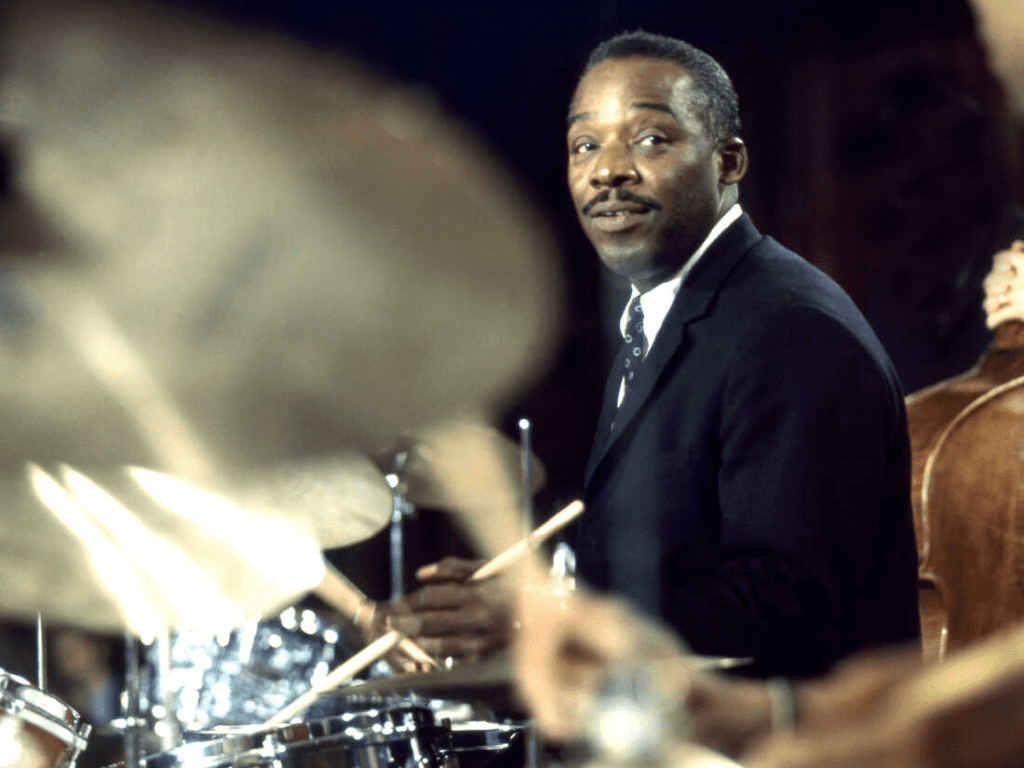
    Kenny Clarke

    Kenny Clarke
    Kenny Clarke

    In 1914, Pennsylvania saw the birth of jazz drummer and bandleader Kenny Clarke Spearman. He was around five old when he became orphaned, and a teacher at the orphanage encouraged him to start playing the drums when he was eight or nine.

    As a leader of the bebop movement, Clarke collaborated with many of the greatest musicians in the field, including Dizzy Gillespie and Charlie Parker. Additionally, he was a part of the Modern Jazz Quartet, a significant ensemble that fused jazz and classical music.

    In addition to leading his own successful ensembles and releasing multiple records as a leader, Clarke also worked with the Modern Jazz Quartet. He was well-known for his flexibility and his ability to perform in a wide range of styles. Kenny Clarke suffered a heart attack in 1975, underwent recovery, and didn’t resume performing at jazz festivals in Europe until 1983.

    In December 1984, he gave his final appearances during a five-night-per-week engagement. He had a second heart attack at home and passed away on January 26, 1985, at the age of 71..

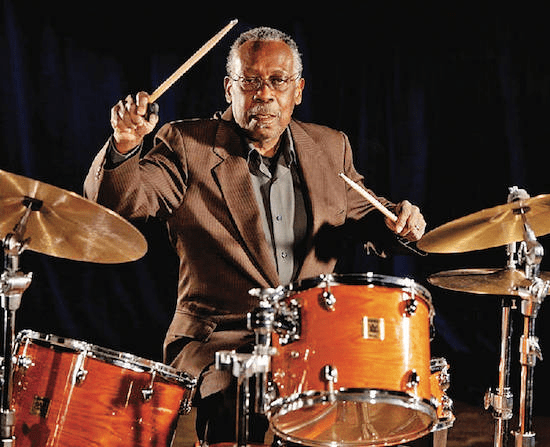
    Clyde Stubblefield

    Clyde Stubblefield
    Clyde Stubblefield

    Funk drummer Clyde Austin Stubblefield was born in Chattanooga, Tennessee, in April 1943. He was a self-taught musician who was influenced by the sounds of the surrounding natural rhythms. The most well-known of Stubblefield’s accomplishments is his work with James Brown, for whose band he was the drummer for many years.

    The “funky drummer” beat, which has been extensively imitated and is now a standard of funk and hip-hop music, is ascribed to him as its originator. Stubblefield not only collaborated with James Brown but also with George Clinton and the J.B.’s, among many other well-known musicians.

    He was well-known for his capacity to invent catchy rhythms, and his contributions to the art of funk drumming have left a lasting impression on the genre. On February 18, 2017, Stubblefield passed away from kidney failure. He battled kidney disease since 2002 after overcoming cancer in 2000.

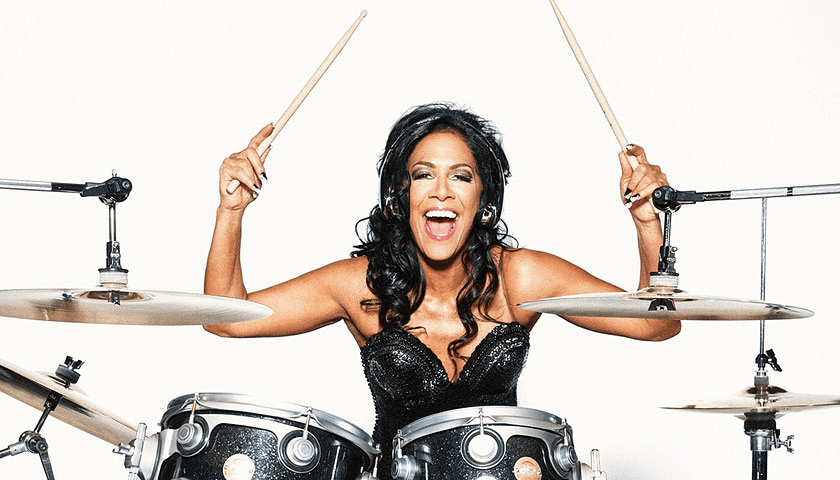
    Sheila E.

    Sheila E.
    Sheila E.

    Sheila Cecilia Escovedo aka Sheila E., a drummer, and percussionist, was born in December 1957 in Oakland, California. She started her career in the mid-1970s as a vocalist and drummer with The George Duke Band. She became well-known for both her charismatic stage presence and impressive drumming abilities.

    In the 1980s Sheila E. played in Prince’s band and contributed to some of the musician’s most popular albums and tours. Sheila E. has collaborated with other well-known performers, including Jennifer Lopez and Gloria Estefan, in addition to her work with Prince. She has also made a number of successful solo albums.

    She is renowned for her ability to play a variety of percussion instruments as well as for her vivacious stage presence. She is still active today, contributing drums film soundtracks, and more. She directed a Prince tribute at the 2016 BET Awards and unveiled a new song in his honor.

    Sheila E. played prominent percussion on the soundtrack to the movie The Boss Baby in 2017. She also makes an appearance in Fred Armisen’s 2018 Stand Up for Drummer comedy special on Netflix, and she contributes percussion to numerous songs on Gary Clark Jr.’s album This Land. Sheila E. performed at the Let’s Go Crazy: The Grammy Salute to Prince and the performance oversaw the music and dropped the single “Lemon Cake” in 2020.

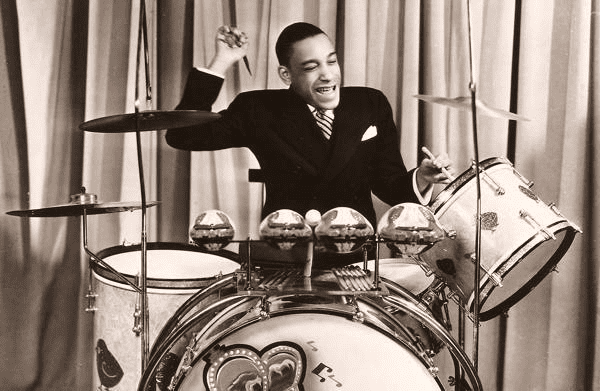
    Chick Webb

    Chick Webb
    Chick Webb

    Baltimore, Maryland, was the birthplace of jazz drummer and bandleader William Henry “Chick” Webb in February 1905. When he was three years old, he started banging rhythms on pots and pans, and as he got older, he started doing the same on marble stairs and iron railings as he moved through his East Baltimore neighborhood.

    Webb was able to purchase drum equipment and start playing with neighborhood musicians thanks to the money he made working as a newspaper employee. As the bandleader of his own group, Webb became well-known in the 1930s and is credited with helping to popularize swing music.

    He performed with many of the greatest jazz musicians, such as Ella Fitzgerald and Benny Goodman, and was renowned for his ability to produce rhythms that were contagious and danceable. Webb was a successful bandleader in addition to his career as a musician and released multiple records as a leader.

    His innovations in jazz band direction and drumming left a lasting impression on the genre. Although Webb’s health started to deteriorate in November 1938, he continued to perform for a while, refusing to stop traveling so that his band could continue to make money during the Great Depression.

    He ignored his own discomfort and physical tiredness, which frequently resulted in him collapsing after complete sets due to exhaustion. In 1939, he underwent a major procedure at Johns Hopkins Hospital in Baltimore. The Pott disease claimed Webb’s life on June 16, 1939, in Baltimore.

    Uriel Jones

    Uriel Jones
    Uriel Jones

    Drummer Uriel Jones was born in Detroit in 1934 and played jazz and R&B. He started playing the drums at an early age and became well-known for his proficient and adaptable playing style. Motown superstars like Marvin Gaye and Stevie Wonder were among the top names Jones shared the stage with.

    He was renowned for his versatility as a musician and for significantly impacting the creation of the Motown sound. Jones was a successful session drummer in addition to his work as a musician and recorded numerous albums as a leader. His contributions to the drumming of jazz and R&B have had a lasting impression on the music business.

    Jones passed away at the age of 74 from complications related to a heart attack at Oakwood Hospital & Medical Center in Dearborn, Michigan.

    Cozy Cole

    Cozy Cole
    Cozy Cole

    On 17 October 1909, William Randolph “Cozy” Cole, a jazz and R&B drummer, was born in East Orange, New Jersey. He played with musicians such as Jelly Roll Morton, Blanche Calloway, Benny Carter, Willie Bryant, Stuff Smith, and Cab Calloway after landing his first music gig with Wilbur Sweatman in 1928.

    He was employed by CBS Radio’s music director Raymond Scott in 1942 to be a member of the network’s first all-black orchestra. He then joined Louis Armstrong’s All-Stars to perform. In the 1930s and 1940s, Cole became well-known for his work with large bands and his popular solo records.

    He collaborated with many of the biggest names in the music business, like Louis Armstrong and Benny Goodman, and was renowned for his versatility. Many modern rock drummers, notably Cozy Powell, who adopted Cole’s moniker “Cozy,” credit Cole as an inspiration. He passed away in Columbus, Ohio, from cancer in 1981.

    Duke Ellington

    Duke Ellington
    Duke Ellington

    In 1899, jazz musician and composer Edward Kennedy “Duke” Ellington was born in Washington, D.C. He started playing the piano at an early age and became well-known for his creative and accomplished playing. The Duke Ellington Orchestra was headed by Ellington for many years.

    He is most recognized for his work as a pianist and composer. Although Ellington is largely recognized for his work as a pianist, he was also a talented drummer who performed in his own band, The Duke Ellington Orchestra. His contributions to jazz piano and composition have had a long-lasting influence on the genre, notably “Mood Indigo” and “Satin Doll,” two of the notable songs he wrote and recorded.

    Ellington lived out his final years in a townhouse in Manhattan. His sister Ruth, who managed his publishing company, also lived there, and his son Mercer lived next door. After his death in May 1974, West 106th Street was officially renamed Duke Ellington Boulevard.

  • 10 Steps for Effective Website Building From Scratch

    Ready to build a website from scratch? Start strong with this 10-step guide to website building! Get started and transform your brand today.

    website building

    Website building can seem like a daunting task, but with the right plan and skill set in place, it doesn’t have to be. With this step-by-step guide, you’ll have a functioning website up and running in no time. Get ready to learn the basics of web development and transform your brand today!

    Understand Your Purpose and Audience.

    Before you start building your website, it’s important to have a clear understanding of the purpose and audience you are trying to reach. Think about who you are looking to target with your website, what products or services will be offered, and what action you want visitors to take when they visit your site. Consider these factors as you make decisions about features, layout, content, and design.

    Research Domains and Hosting Solutions.

    Now that you’ve decided on the purpose and goals of your website, it’s time to find an appropriate domain name and hosting solution. Take some time to research options and narrow down the selection. Consider different hosting companies review their features and find one that fits your overall objectives. Once you have selected a domain name and host, it’s important to set up DNS records so visitors can be directed to the correct location when they visit your site.

    Gather Content Before Designing a Layout.

    When beginning a website project, it’s essential to have a plan for the content that needs to be included. Knowing the type of content and format will help you decide how best to lay out the site. Gather all relevant text, images, video, and audio clips and store them in an accessible location so that they can be used during the design process. Make sure to also create any key pages such as ‘About’ and ‘Contact’ ahead of time as well. Armed with all your planned content, you can now start designing your website layout with confidence.

    Choose a Web Design Platform for Beginners.

    Platforms such as WordPress, Squarespace, and Wix provide simple-to-use tools for designing your website. They come equipped with customizable themes, layouts, and drag-and-drop editors to make the process easier for both beginners and those more experienced in web development. Take the time to research which platform is the best fit for your particular needs before you begin so that you can take advantage of their features at every step of the design process.

    Consider the User Experience of Your Website.

    Once you have chosen the web platform and you are ready to begin building your website, consider the user experience. This includes the design of the website, its navigability, ease of use, and speed. Think about the types of people who will be using your website, from those simply looking for information to potential customers who may view it on their smartphone while they’re out and about. All these considerations should be taken into account when designing your website.

    Include Optimized Content for SEO and User Experience.

    Developing website copy and content should include two different elements. One is optimization for search engine rankings, optimized by adding the right keywords in the right places on your site. You don’t need to overstuff pages with too many keywords, but make sure you’re using them just enough so that users and search engines can identify what your page is about. Second is optimizing for user experience, which means making sure the text is written for easy understanding for every visitor. Aim to write in plain language and use descriptive words that explain your message without sounding sales-y or complicated.

    Prioritize Mobile-friendliness

    As the majority of website traffic now comes via mobile devices, it’s essential to ensure your website is designed with mobile-friendliness in mind. This means taking a mobile-first approach to design in order to create a user experience that works seamlessly across all devices. Create a layout that is responsive, meaning it will automatically adjust its appearance based on the device used to access it. Mobile optimization also extends beyond the design itself, including loading times and performance tracking tools.

    Utilize a Quality Content Management System

    Choosing a quality content management system (CMS) is key to creating a user-friendly website. A CMS will provide you with the tools needed to manage, edit, and update your website. We recommend looking for a CMS that is easy to use with features such as drag-and-drop design tools and plug-ins that help customize your site’s look and feel. Additionally, it should allow you to integrate social media accounts like Facebook, Twitter, and YouTube so you can expand your reach.

    Optimize For Speed

    It is important to optimize your website for speed since no one likes a slow-loading page! To make sure your web pages load quickly, be sure to compress images before you upload them to the server. Additionally, consider using a content delivery network (CDN) which helps deliver the website’s content faster. With the help of these two measures, you will be able to drastically increase the speed of your website and create an enjoyable user experience.

    Utilize Responsive Web Design Principles

    Utilizing responsive web design principles is essential for making sure your website looks great across all devices and resolutions. Responsive design also helps ensure that visitors have a good user experience no matter what device they are using to access your website. Begin by looking at the pages on your website and determine which aspects need to be adjusted based on the size of the screen each visitor is using. Consider how text, images, videos, and more should look when viewed on desktop, tablet, or mobile phone screens.