Author: kevin

  • Gil Scott Heron’s Hip-Hop Legacy

    Gil Scott-Heron (April 1, 1949 – May 27, 2011) was an American poet, musician, and author. He was known for his unique blend of spoken word poetry, soul, jazz, and blues music, often addressing social and political issues in his work. Scott-Heron’s most famous composition is the spoken word piece “The Revolution Will Not Be Televised,” which became an anthem for the civil rights and black power movements of the 1960s and 1970s.
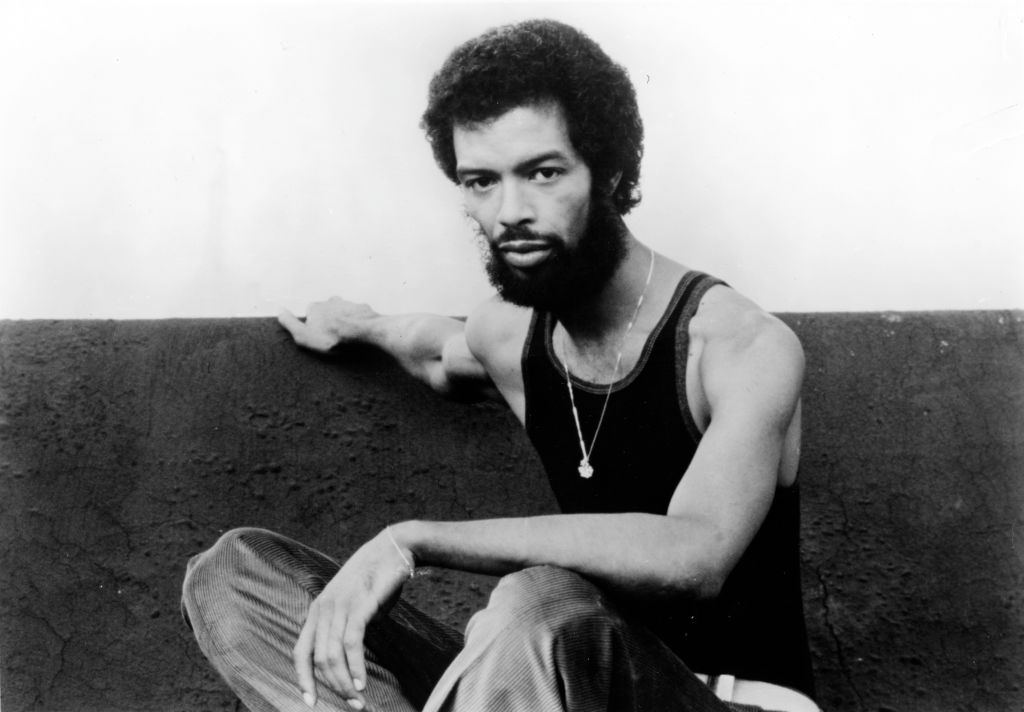
    gil scott-heron
    Musician and poet Gil Scott-Heron performs onstage in circa 1974. (Photo by Michael Ochs Archives/Getty Images)

    Born in Chicago, Illinois, Scott-Heron was raised primarily in Tennessee and New York City. He attended Lincoln University in Pennsylvania, where he met musician Brian Jackson, with whom he collaborated extensively throughout his career. In 1970, they released their first album, “Small Talk at 125th and Lenox,” featuring Scott-Heron’s influential spoken word style.

    Scott-Heron’s music and poetry often explored themes of racism, inequality, and social justice. He used his art as a means of commentary and critique, and his work profoundly impacted subsequent generations of artists, particularly in the realm of hip-hop music. His style of blending poetry and music laid the foundation for the spoken word movement.

    Throughout his career, Scott-Heron released numerous albums, including “Pieces of a Man” (1971), “Winter in America” (1974), and “The Revolution Will Not Be Televised” (1974). He continued to create music and perform until he died in 2011. Gil Scott-Heron’s contributions to music and poetry earned him the title of “the godfather of rap”. They cemented his legacy as a significant figure in African-American culture and activism.

    “The Revolution Will Not Be Televised” – This iconic spoken word piece is one of Scott-Heron’s most famous compositions, delivering a powerful critique of media and consumer culture. The Revolution Will Not Be Televised” is a renowned and iconic phrase coined by Heron.

    It originated from his spoken word piece of the same name, which has become one of his most famous compositions. The phrase and the accompanying poem gained significant popularity during the civil rights and black power movements of the 1960s and 1970s. It served as an anthem and rallying cry for those fighting against racial inequality and social injustice.

    “The Revolution Will Not Be Televised” delivers a powerful critique of the media and consumer culture, challenging the notion that significant social and political changes can be neatly packaged and broadcasted through mainstream media channels. It highlights the need for active participation, grassroots movements, and genuine engagement to transform society.

    The poem employs a vibrant and rhythmic spoken word style, accompanied by jazz and soul-infused music, characteristic of Gil Scott-Heron’s artistic approach. It showcases his ability to merge poetry and music to convey powerful messages and engage listeners in thought-provoking social commentary.
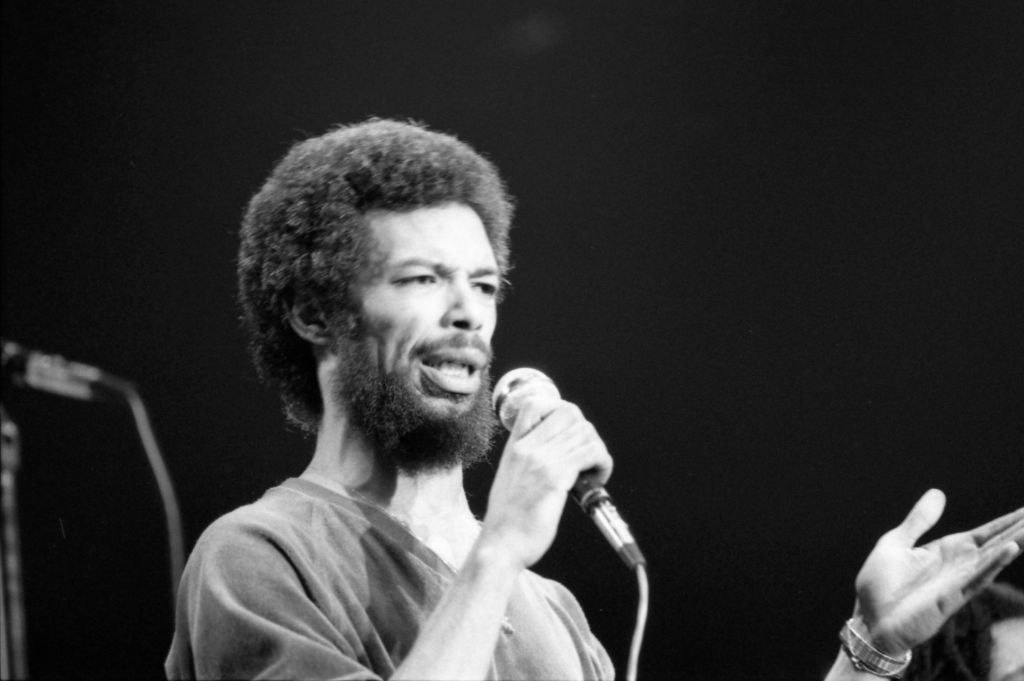
    Musician Gil Scott-Heron performed onstage in 1977 in Atlanta, Georgia. (Photo by Tony Murphy/Michael Ochs Archives/Getty Images)

    Overall, “The Revolution Will Not Be Televised” represents the spirit of activism and the call for individuals to stand against injustice. It has endured as a timeless expression of resistance, a reminder that true change requires active involvement, and a rejection of passive consumption.

    “Winter in America” – The title track from his 1974 album, this introspective song reflects on social and political issues prevalent at the time.

    “Home Is Where the Hatred Is” – A haunting and poignant song that addresses drug addiction and the struggles faced by individuals in marginalized communities.

    “Lady Day and John Coltrane” – This tribute to jazz legends Billie Holiday and John Coltrane showcases Scott-Heron’s appreciation for their musical contributions.

    “The Bottle” – A soulful and groovy track that delves into the themes of alcoholism and escapism.

    “Pieces of a Man” – The title track from his 1971 album, this introspective song explores identity and the challenges faced by African Americans in society.

    “Whitey on the Moon” – A satirical and scathing critique of racial inequality and the prioritization of space exploration over social issues.

    “Angel Dust” – This thought-provoking song delves into the impact of drugs on individuals and communities, shedding light on the struggles faced by addicts.

    “Johannesburg” – A collaboration with Hugh Masekela, this vibrant and rhythmic track protests against apartheid in South Africa.

    “We Almost Lost Detroit” – Inspired by the partial meltdown of the Fermi 1 nuclear reactor near Detroit in 1966, this song highlights the dangers of nuclear power and its potential consequences.

    These songs represent just a fraction of Gil Scott-Heron’s extensive discography but showcase his poetic brilliance, social consciousness, and musical versatility.

    Gil Scott-Heron faced several challenges throughout his life and career. Here are some of the key challenges he encountered:

    Substance Abuse: Scott-Heron struggled with drug addiction, particularly cocaine. His addiction affected his personal life and career, leading to periods of instability and legal troubles.

    Legal Issues: Scott-Heron faced legal challenges related to drug possession and other charges. These legal issues had a significant impact on his career and personal life.

    Political Opposition: Scott-Heron faced opposition and criticism from those who disagreed with his views due to his outspoken nature and the politically charged nature of his work. His activism and socially conscious lyrics often made him a target for authorities and conservative critics.

    Financial Difficulties: Despite his talent and influence, Scott-Heron faced financial struggles throughout his career. He encountered issues with record labels, poor management, and mismanagement of funds, which contributed to financial instability.

    Personal Loss: Scott-Heron experienced personal loss, including the death of close friends and fellow musicians. The death of his long-time collaborator and pianist, Brian Jackson, in 1989 profoundly impacted him.

    Despite these challenges, Scott-Heron continued to create powerful and influential music, impacting the world of music, poetry, and activism. His ability to confront and address these challenges through his art remains an important part of his legacy.

    Gil Scott-Heron’s music and artistry have influenced numerous artists across different genres. Here are some notable musicians and artists who his work has influenced:
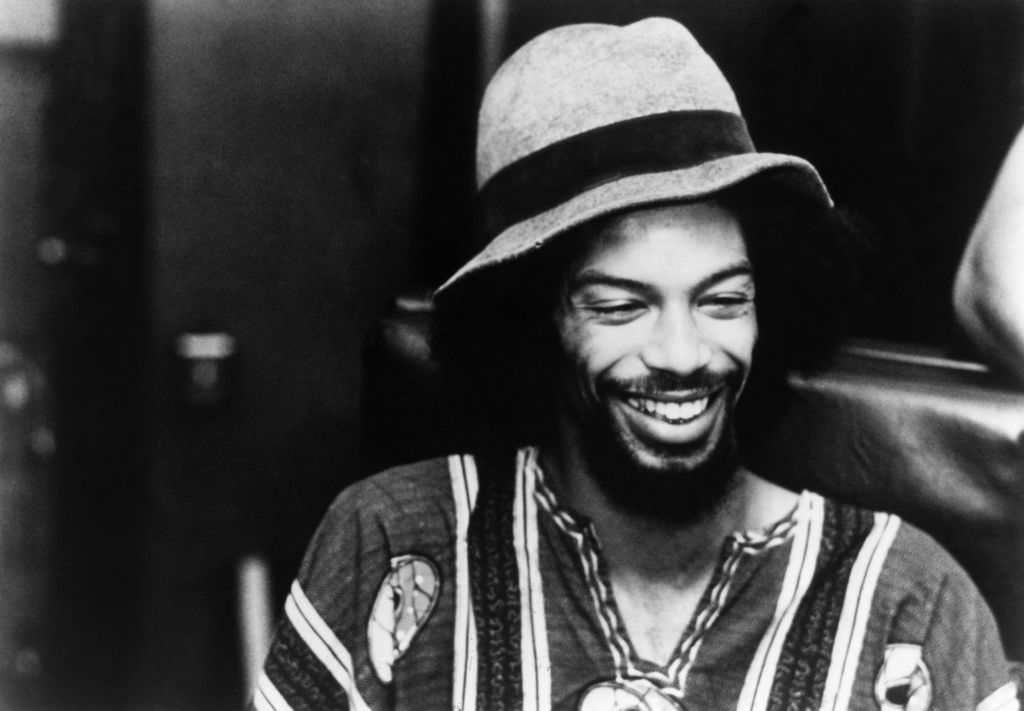
    UNSPECIFIED – JANUARY 01: Photo of Gil SCOTT-HERON; Posed portrait of Gil Scott Heron (Photo by Echoes/Redferns)

    Common: The Grammy-winning rapper has cited Gil Scott-Heron as one of his biggest influences, particularly in his socially conscious lyrics and fusion of spoken word and music.

    Kendrick Lamar: Lamar, a highly acclaimed rapper and Pulitzer Prize winner, has acknowledged Gil Scott-Heron as a significant influence on his music, specifically citing the album “Pieces of a Man” as a source of inspiration.

    Kanye West: West, a prominent figure in hip-hop, has referenced Gil Scott-Heron’s work in his own music and has expressed admiration for his poetic style and social commentary.

    Erykah Badu: The neo-soul singer has expressed her appreciation for Gil Scott-Heron’s music, acknowledging him as a profound influence on her artistic journey.

    The Last Poets: Often considered pioneers of the spoken word and poetry movement, The Last Poets drew inspiration from Gil Scott-Heron’s fusion of poetry and music.

    Jill Scott: The Grammy-winning R&B and soul singer-songwriter has acknowledged Gil Scott-Heron’s impact on her music, particularly regarding his lyrical depth and social consciousness.

    Talib Kweli: The acclaimed rapper and social activist has expressed his admiration for Gil Scott-Heron’s artistry and highlighted his influence on his musical and lyrical style.

    Lupe Fiasco: Fiasco, known for his introspective and thought-provoking lyrics, has cited Gil Scott-Heron as one of his influences, particularly regarding his ability to address social and political issues through music.

    Gil Scott-Heron, born on April 1, 1949, was an American poet, musician, and author known for his powerful blend of spoken word poetry and music. His iconic composition “The Revolution Will Not Be Televised” became a rallying cry for the civil rights and black power movements of the 1960s and 1970s. Born in Chicago and raised in Tennessee and New York City, Scott-Heron attended Lincoln University, where he met collaborator Brian Jackson. Together, they released their first album, “Small Talk at 125th and Lenox,” in 1970, showcasing Scott-Heron’s influential spoken word style.

    Scott-Heron’s music and poetry tackled themes of racism, inequality, and social justice, significantly influencing subsequent generations of artists, particularly in hip-hop music. His ability to blend poetry and music laid the foundation for the spoken word movement. Throughout his career, Scott-Heron released numerous albums, including “Pieces of a Man” (1971), “Winter in America” (1974), and “The Revolution Will Not Be Televised” (1974).

    Despite facing challenges such as substance abuse, legal issues, political opposition, financial difficulties, and personal loss, Scott-Heron continued to create impactful music that resonated with audiences. His contributions to music and poetry earned him the title of “the godfather of rap” and solidified his place as a significant figure in African-American culture and activism.

    Scott-Heron’s influence extended to a wide range of artists. Notable musicians such as Common, Kendrick Lamar, Kanye West, Erykah Badu, The Last Poets, Jill Scott, Talib Kweli, and Lupe Fiasco have all been influenced by his work. His legacy continues to inspire artists and activists alike.

    Gil Scott-Heron’s discography boasts a vast collection of powerful and thought-provoking songs. Some of his notable tracks include “The Revolution Will Not Be Televised,” “Winter in America,” “Home Is Where the Hatred Is,” “Lady Day and John Coltrane,” “The Bottle,” “Pieces of a Man,” “Whitey on the Moon,” “Angel Dust,” “Johannesburg,” and “We Almost Lost Detroit.”

    Gil Scott-Heron’s artistic journey and contributions left an indelible mark on music, poetry, and activism. His fearless exploration of social and political issues and his innovative blend of spoken word and music made him a trailblazer and an inspiration for future generations.
  • Vintage Cereal Commercials Revisited

    If you were lucky enough to grow up in the 60s and 70s, you remember two things; Saturday morning cartoons all morning and going to the grocery store and heading to the aisle loaded with cereals, which was probably your favorite aisle as a kid.

    There were many different kinds of cereal to choose from, and as kids, we were well-programmed from the Saturday morning cartoons on what we (thought we) wanted to put into the cart. 

    cereals, commericals, apple jacks
    Lucky Charms 70s Cereal Box, apple jacks, commercials

    The marketing for cereal in the 60s and 70s was ingenious because not only did they bombard the cartoons with commercials that were also cartoons for the cereal, but they also had characters that were spokespersons for the cereals, like Toucan, Sam, Cap’n Crunch, the Trix rabbit, Tony, the Tiger and more. It was like a run-on cartoon all morning with intentional subliminal programming to get kids to want to try that cereal being advertised. Unlike today, the commercials were just as entertaining as the cartoons.

    Ironically, If you talk to anyone that grew up in the 60s and 70s, they will tell you, “Mmm, hmm, back in my day when I was a kid, we used to fly out the door early in the morning and run and play all day long. And your mother would come to the door and yell out your name before dark, or if she needed you for something, one of your friends would tell you, ‘Your mother’s calling you!’ That was our cell phone.”

    All of this is the absolute truth, but we played and ran all day for one reason … we were HIGH from the sugar caused by the breakfast cereals we ate. Of course, we were completely unaware of this at the time, and we just thought we were loaded with energy when we busted outside the door each morning, running through the neighborhood bouncing off the walls, cars, and streets.

    Unfortunately, by the time the 80s rolled around and Crack was introduced to the black community. Those days were gone. Kids didn’t play together anymore, and it was much safer to stay in the house. Kids born in the 80s and 90s and after will never know what it was like when we grew up in the 60s and 70s. Even today, technology has taken over, and kids today won’t know what it’s like to experience Sat mornings (the commercials still run) watching commercials, cartoons and playing outside. Those were absolutely some fun times. 

    On a lighter note, I want to talk about some of the breakfast cereals that many of us grew up on and which are the best and which were the worst. Let me know if you remember these cereals.

    Frosted Flakes

    Frosted flakes weren’t bad, but they were very sweet, and they were actually a better version of cornflakes. On a scale of one to 10, I will get frosted flakes and 8. I’m sure everybody remembers this cereal being very heavily marketed in the 70s with the cartoon spokesman “Tony the Tiger” and his famous line “Theeeeeeeeere Greaaaaaaaaat.” 

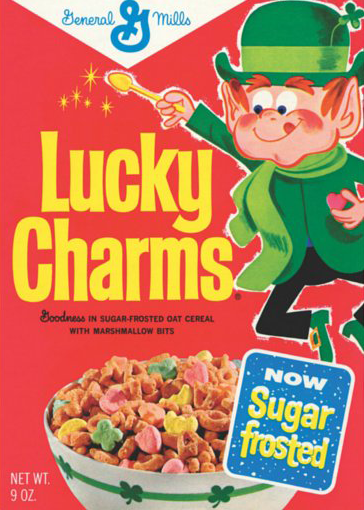
    Lucky Charms

    Lucky Charms used a leprechaun as a cartoon character, which was probably racist in today’s terms, as a spokesperson for the cereal. Of course, as kids, we didn’t know what a leprechaun was, but most of us remember the Lucky Charms motto. It was corny, but it was pretty funny.

    “Frosted Lucky Charms, they’re magically delicious!” What the hell did that mean? Regarding quality, Lucky Charms was confusing. It was crunchy with these nasty marshmallowy soft things. It wasn’t a good combination; it wasn’t something you craved and didn’t blend well with milk. It was usually something you ate once and never asked for another box. On a scale of one to 10, I give us a 2 but a 6 if you include the great marketing.

    Cocoa Puffs

    Who doesn’t remember the famous line “I’m Cookoo for Cocoa puffs”? While they had a great ad campaign, the cereal was not great. It had a bland taste like Coco, but there was never enough sugar, and you didn’t want to put sugar in it. It was just not a great cereal. On a scale of one to 10, I’ll give this one a 3.

    Froot Loops

    “Just Follow Your Nose, it always knows the flavor of fruit wherever it grows” Toucan Sam was a spokesperson for Froot Loops. I remember the cereal was very sweet, and it was OK, but once again, it wasn’t something that you craved or desire a second bowl, but it was pretty good on a scale of one to 10. I’ll give us want to 8.

    Cap’n Crunch and Crunch Berries

    “Cap’n Crunch stays crunchy even in milk!” That was true. Cap’n Crunch’s spokesperson was a ship’s captain, Cap’n Crunch was basic. It was alright, but Crunch Berries were even better. But the berries were way too sweet, but it was better than Cap’n Crunch by itself or the other spin-offs that flopped like the Peanut Butter version. Also, if you ate it too fast, you could easily cut up your mouth because the edges were sharp. On a scale of 1 to 10 and get this one a nine. It had a great taste.

    Apple Jacks

    “A is for apple, J is for Jacks” Kellog’s Apple Jacks had an acquired taste. I don’t remember a spokesperson for Apple Jacks. The cereal wasn’t bad, but it wasn’t that great. Either you loved it, or you hated it, but it wasn’t something that most people craved or that you saw in a lot of houses in the hood. On a scale of one to 10 I give it a 5.

    Corn Flakes

    I hated cornflakes. They were very bland, and you had to put a ton of sugar on them to get any taste out of them, and if you left them sitting in the milk for one minute, they became soggy and nasty, but you saw it in every house in the ghetto. Everybody had Corn Flakes, and it was a staple, along with Wonder Bread, Crisco oil, Oreo’s, and Colt 45. This was a hood favorite, so I’m sure people will give it a much higher score, but I give it a 2. Ironically, not only did you see it and all the houses in the hood, but you always saw the real big boxes.

    Count Chocula

    This cereal was really bad. I remember they had Count Chockula, a vampire, as the spokesperson for the cereal, and it was god-awful, the worst on the entire list. This was the worst cereal of all. Did I mention it was bad? On a scale of one to 10, I give it 2

    Trix

    Another famous line for this cereal was “Silly Rabbit, Trixs are for kids” Who can’t remember that he was raised in the 70s? This cereal was good and one of my favorites besides Crunch Berries. I had just enough sugar A good taste and it was manageable, and just enough flavor. On a scale of one to 10? I’ll give us a 10.

    Rice Krispies

    “Snap, Crackle, Pop Rice Krispies.” Rice Krispies are only good for one thing Rice Crispy Treats. Otherwise, it was the most bland, boring cereal on the planet. Once again, you had to add a lot of sugar to get any taste out of it, and it just wasn’t that good. It was like eating crispy air. It had no flavor, and you had to have a second bowl to feel full.

    It was so light. This was the cereal that was the last box left in the cabinet that nobody wanted, and you only eat it because it was the last one left on a scale of one to 10. I get this a three.

    This commercial even pushed Rice Krispies at night

    Corn Pops

    Sugar Corn Pops were another weird one. It was like corn kernels but sweet. It was not that good because you can’t imagine sweet corn kernels. I don’t understand the purpose of the cereal, and it could have been better. I don’t remember a spokesperson for this cereal was not that popular, but I do remember seeing commercials for it in the 70s On a scale of one to 10. I give it a 4.

    Frankenberry

    I said Count Chocula was the worst serial on the list, but I forgot its cousins, Frankerry. They both came out around the same time and both tasted like shit. I can’t remember any kid talking about this cereal, and it was certainly something you skipped past when you were looking for cereal to put in a grocery cart. The cereal didn’t last that long. It was so bad that I remember having one bowl in my entire life, and I knew I would never have it again. On a scale of one to 10, I give us a solid 1.

    Honeycomb

    What did they think when they came up with Honeycomb, this cereal was not meant for anyone to eat. It was hard, and I didn’t do well with milk. I remember you could only get one of your mouth at a time, and it was like a rock. It was not enjoyable or tasty, and it was hard to eat. I’m sure I had one bowl of this and never returned.

    Raisin Bran

    “2 Scoops (raisins)” (who cared) The last thing on a kid’s mind is fiber. But if you were raised around old people, they probably gave you this. Raisin Bran was nasty, and it wasn’t sweet enough, and it couldn’t provide the energy that we needed to run it through the neighborhood and bounce off the walls. It shouldn’t even be on this list. It should be on the same list as Oatmeal, but I decided to include it anyway. I’ll give us a three on a scale of one to 10, but as an adult, I’ll give it a 12. Comments?

  • Discover Black YouTube Musicians

    Finding great Youtube Musicians is easy if you’re a fan of great music and love discovering new artists. Check out our pics for these 10 Black musicians on YouTube.

    Alex Isley

    Alex Isley is a singer-songwriter from Los Angeles who has been making waves in the music industry with her soulful and smooth vocals. She comes from a family of musicians, including her father, Ernie Isley of the legendary Isley Brothers. Alex’s music is a blend of R&B, soul, and jazz, and she has released several EPs and albums, including “The Beauty of Everything, Pt. 1” and “Wilton.” Her YouTube channel features live performances, music videos, and behind-the-scenes content, giving fans a glimpse into her creative process.

    If you’re a fan of artists like Erykah Badu and Jill Scott, then you’ll definitely want to check out Alex Isley. Her YouTube channel showcases her talent as one of the rising YouTube musicians, attracting a growing fanbase with her captivating performances and engaging content. Whether she’s delivering intimate acoustic sessions or collaborating with other talented artists, Alex Isley’s YouTube channel is a must-visit destination for music lovers looking to discover fresh and soulful sounds. Alex Isley’s YouTube channel:

    Jacob Collier

    Jacob Collier is a British musician, composer, and producer who has been making waves in the music industry with his unique style and incredible talent. He first gained attention on YouTube, where he posted videos of himself performing intricate arrangements of popular songs using multiple instruments and his own voice. His videos quickly went viral, and he has since collaborated with artists like Quincy Jones, Herbie Hancock, and Hans Zimmer. Jacob’s music is a blend of jazz, pop, and classical influences, and he has released several albums, including “Djesse Vol. 1” and “Djesse Vol. 2.”

    If you’re a fan of innovative and boundary-pushing music, then you definitely need to check out Jacob Collier. Jacob Collier’s rise to prominence as one of the most talented YouTube musicians is a testament to his undeniable musical genius. His YouTube channel serves as a platform for showcasing his extraordinary abilities, mesmerizing viewers with his mind-boggling multi-instrumental performances and breathtaking vocal arrangements.

    Jacob’s innate ability to seamlessly blend genres and create harmonically rich compositions has captivated audiences worldwide. As he continues to push boundaries and redefine the possibilities of music, Jacob Collier’s YouTube channel remains an essential destination for music enthusiasts seeking a truly transformative musical experience.Jacob Collier’s YouTube channel: 

    H.E.R.

    H.E.R.’s journey from YouTube musician to an acclaimed R&B sensation is nothing short of remarkable. Her YouTube channel served as a launching pad for her career, allowing her to connect with audiences through her captivating covers and raw, emotive performances. As her talent and artistry shone through, H.E.R. caught the attention of industry professionals, leading to a record deal and the release of her highly praised projects. With her signature blend of contemporary R&B and heartfelt songwriting, H.E.R. continues to captivate listeners with her soul-stirring music. If you’re seeking a captivating and authentic R&B experience, look no further than H.E.R.’s YouTube channel, where her journey as one of today’s most talented YouTube musicians unfolds before your eyes..

    H.E.R.’s YouTube channel: H.E.R. YouTube

    Tank and The Bangas

    Tank and The Bangas is a New Orleans-based band known for their unique blend of funk, soul, and spoken word poetry. The group gained national attention after winning the NPR Tiny Desk Contest in 2017, and have since released several albums and toured extensively. Led by frontwoman Tarriona “Tank” Ball, the band’s energetic live performances and infectious music have earned them a dedicated fanbase. Check out their YouTube channel for live performances, music videos, and behind-the-scenes content. Their performances showcase why Tank and The Bangas are considered one of the most exciting YouTube musicians of their generation.

    Their YouTube channel is a treasure trove of electrifying live performances that capture the band’s dynamic stage presence and the raw energy they bring to each show. From the groovy basslines to the soulful vocals and thought-provoking lyrics, Tank and The Bangas’ YouTube channel offers a front-row seat to their captivating fusion of genres and poetic storytelling. Whether you’re a fan of funk, soul, or spoken word, exploring Tank and The Bangas’ YouTube channel is a must for music enthusiasts seeking fresh and exhilarating sounds. Youtube channel

    Lucky Daye

    Lucky Daye is a singer-songwriter from New Orleans who has been making waves in the R&B scene with his soulful voice and unique sound. His debut album, “Painted,” was released in 2019 and received critical acclaim, earning him a spot on the coveted XXL Freshman Class list. Lucky Daye’s YouTube channel features music videos, live performances, and behind-the-scenes content, giving fans an intimate look at his creative process. Keep an eye on this rising star as he continues to make his mark on the music industry. Lucky Daye’s rise in the R&B scene as one of the most promising YouTube musicians is undeniable.

    His YouTube channel serves as a platform for fans to immerse themselves in his soulful melodies and distinctive style. Through captivating music videos, electrifying live performances, and exclusive behind-the-scenes content, Lucky Daye’s YouTube channel provides a glimpse into his artistic journey and showcases his immense talent. With his debut album “Painted” garnering critical acclaim and his inclusion in the esteemed XXL Freshman Class, Lucky Daye is a rising star worth keeping an eye on. Subscribe to his YouTube channel to stay connected with the evolving sound and artistic vision of this remarkable musician. Lucky Daye Youtube Channel

    Daniel Caesar

    Daniel Caesar is a Canadian singer-songwriter who has gained a massive following on YouTube. His soulful voice and introspective lyrics have earned him critical acclaim and a loyal fanbase. Some of his most popular songs include “Get You” and “Best Part,” which have millions of views on YouTube. If you’re a fan of R&B and soul music, Daniel Caesar is definitely an artist to check out. You can find his YouTube channel here.

    Brent Faiyaz

    Brent Faiyaz is a rising R&B star who has been making waves on YouTube with his smooth vocals and introspective lyrics. His breakout hit “Crew” has over 200 million views on YouTube and earned him a Grammy nomination. Faiyaz’s music is a blend of classic R&B and modern hip-hop, and his unique sound has earned him a dedicated fanbase. If you’re looking for a new artist to add to your playlist, Brent Faiyaz is definitely worth checking out. You can find his YouTube channel here.

    Anderson.Paak

    Anderson.Paak is a singer, rapper, drummer, and producer who has been making waves in the music industry for years. His unique blend of funk, soul, and hip-hop has earned him critical acclaim and a dedicated fanbase. Paak’s YouTube channel features music videos, live performances, and behind-the-scenes footage that give fans an inside look at his creative process. If you’re looking for an artist who can do it all, Anderson.Paak is definitely worth checking out. You can find his YouTube channel here.

    SZA

    SZA is a singer-songwriter who has been making waves in the R&B scene since her debut album in 2017. Her unique sound blends elements of soul, hip-hop, and alternative R&B, and her lyrics often touch on themes of self-discovery and empowerment. SZA’s YouTube channel features music videos, live performances, and interviews that give fans an inside look at her creative process. With millions of views and a growing fanbase, SZA is definitely a rising star to watch on YouTube. You can find her YouTube channel here.

    Mahalia

    Mahalia is a talented singer-songwriter who has captivated audiences with her soulful voice and heartfelt lyrics. Hailing from the United Kingdom, she has made a name for herself as a rising star in the music industry. Mahalia’s music blends elements of R&B, soul, and pop, creating a unique sound that resonates with listeners. Her YouTube channel features a collection of her music videos, live performances, and behind-the-scenes footage, providing fans with an intimate look into her creative process. If you’re a fan of powerful vocals and authentic storytelling, be sure to check out Mahalia on YouTube.

    Mahalia’s YouTube channel: Mahalia YouTube

  • The Blues Origin and 10 Great Artists Who Shaped the Genre

    The Blues Origin in Music: Underrated Legends and Timeless Sounds

    The blues origin, with its rich history and soulful melodies, has left an indelible mark on the music world. Yet, it is often overlooked and underappreciated by many. In this exploration of blues music, we delve into the roots and evolution of this captivating genre, shining a spotlight on both renowned pioneers and underrated artists who have contributed to its enduring legacy. From the early days in the late 1800s, African Americans in the Southern United States created a musical expression that would resonate across generations.
    The Blues origin is characterized by its heartfelt lyrics, expressive vocals, and evocative guitar playing. It tells stories of pain, struggle, love, and redemption, capturing the essence of the human experience. Despite its profound influence, some artists have not received the recognition they deserve, overshadowed by their more renowned counterparts. Today, we shed light on these unsung heroes who have left an indelible impact on the blues music landscape.

    Join us on a journey through the pages of blues history, where we encounter artists like Wee Willie Walker, whose soulful voice mesmerized audiences, and John Lee Hooker, whose electrifying guitar playing revolutionized the genre.

    We also pay homage to Howlin’ Wolf, whose powerful vocals and unforgettable songs have become iconic in the blues canon, and T Bone Walker, a trailblazer known for his mastery of jump blues and electric blues. Memphis Minnie, a true queen of the blues, captivated listeners with her dynamic performances, while Lightnin’ Hopkins, with his distinct style and prowess on the guitar, became a symbol of authenticity in the blues world. And let us not forget Lil Green, Black Ace, Shake Jake Harris, and the legendary B.B. King, whose contributions to the blues genre continue to resonate with audiences worldwide.

    These artists, though often underrated, have left an indelible mark on blues music. Their songs, steeped in emotion and raw talent, deserve to be heard and cherished. So, take a moment to immerse yourself in the sounds and stories of these incredible musicians. Discover their hidden gems and rediscover the timeless power of the blues.

    Step into the world of the blues, where pain finds solace, and the heart finds its voice. Get ready to be captivated by the undeniable beauty of blues music, as we honor those who have shaped this genre and celebrate their enduring legacy.

    What is the blues origin?

    The origin of blues music can be traced back to the late 19th century in the southern regions of the United States, particularly among African American communities. It emerged as a result of the fusion of various musical traditions, including African music brought by enslaved Africans, work songs, spirituals, and the musical influences of European immigrants.

    The Blues origin is deeply rooted in the experiences and struggles of African Americans during that time, reflecting the harsh realities of slavery, oppression, and discrimination. It served as a form of musical expression and storytelling, allowing individuals to share their emotions, hardships, and hopes through music.

    The blues drew inspiration from a variety of sources. African musical traditions, characterized by rhythmic complexity, call-and-response patterns, and improvisation, were blended with the lyrical and melodic structures of European folk and classical music. African American work songs and field hollers, used to alleviate the monotony and coordinate labor, also played a significant role in shaping the blues.

    The earliest forms of blues were often performed by solo musicians using acoustic instruments such as guitars and harmonicas. They would sing about personal experiences, heartbreak, loneliness, and the struggles of everyday life. As the genre evolved, blues musicians began forming bands, incorporating additional instruments such as pianos, bass, drums, and horns.

    The Mississippi Delta region, known for its fertile soil and cotton plantations, is considered the birthplace of the Delta blues, one of the earliest and most influential styles of blues music. Musicians like Robert Johnson, Son House, and Charley Patton were instrumental in shaping the Delta blues sound.

    During the Great Migration of African Americans from the South to urban areas in the North, blues music spread and underwent further transformations. It adapted to new environments and influences, giving rise to various regional styles such as Chicago blues, Texas blues, and Piedmont blues.
    Over time, blues music had a profound impact on the development of other genres, including jazz, rock and roll, rhythm and blues, and soul. Its influence can be heard in the works of countless musicians and bands who have incorporated blues elements into their music.

    Today, the blues origin continues to be celebrated and performed worldwide, both in its traditional form and in contemporary interpretations. It remains a vital part of music history, serving as a testament to the resilience, creativity, and cultural heritage of African Americans and the universal power of music to convey the human experience.
    Wee Willie Walker

    the blues music
    Wee Willie Walker

    Wee Willie Walker was born in December 1941 in Hernando but was raised in Tennessee. As a teenager, he sang with gospel groups in his hometown and toured with the Redemption Harmonizers. While on tour in 1960, he decided to stay with a bandmate in Minneapolis instead of returning home. There, he joined a vocal group and achieved great success. He released his first song in 1967 and recorded more songs in 1968. However, they did not achieve much commercial success. Throughout his life, Wee Willie Walker continued to sing and perform. He passed away in November 2019.

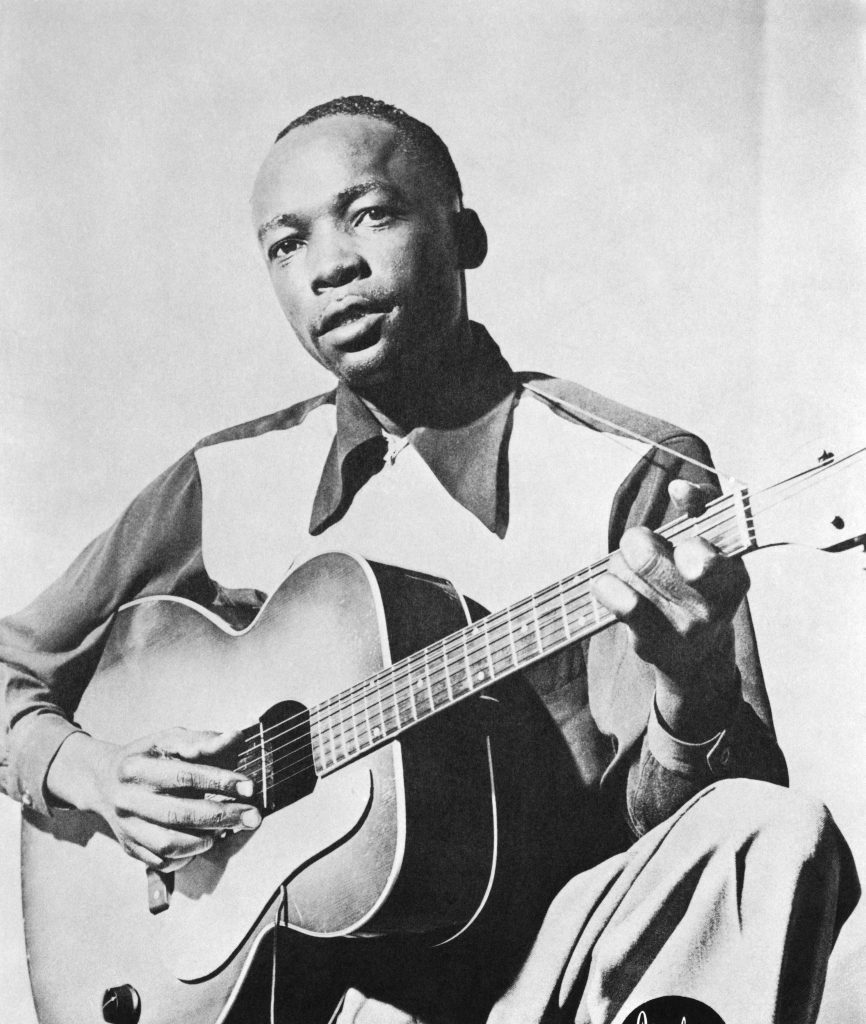
    John Lee Hooker

    UNITED STATES – CIRCA 1949: Photo of John Lee Hooker, 1949, California, Los Angeles, John Lee Hooker. (Photo by Michael Ochs Archives/Getty Images)

    John Lee Hooker was born in August 1912 in Mississippi. His mastery of the electric guitar and his ability to play delta blues were what propelled him to fame. Hooker incorporated various elements into his music, such as talking blues, and created his distinctive boogie-style driving rhythm, setting it apart from the boogie-woogie of the 1930s and 1940s. He was regarded as one of the greatest guitarists of all time. John Lee Hooker passed away in June 2001.

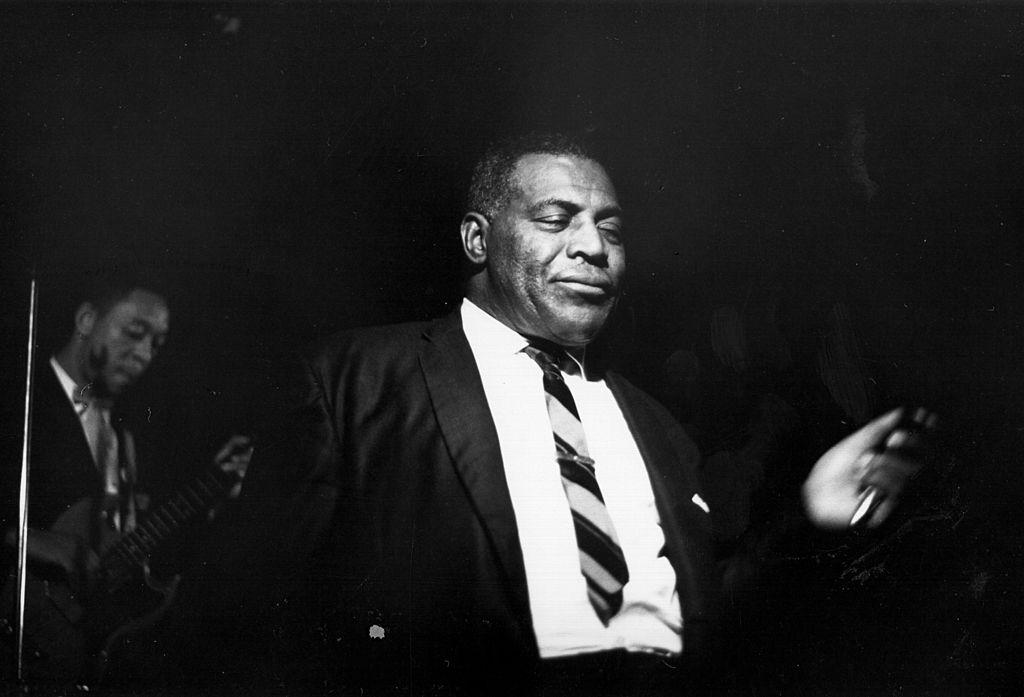
    Howlin’ Wolf

    Howlin’ Wolf, an underrated superstar of blues origin, was born on June 10, 1910, in Mississippi. As an adult, he moved to Chicago and found success as a guitarist, harmonica player, and a blues origin singer. He possessed a stunning voice and was known for his impeccable and unmatched vocals. Several of his songs, including “Spoonful” and “Killing Floor,” have become standards in the blues genre. Howlin’ Wolf was also ranked fifty-fourth on the list of the 100 Greatest Artists of All Time. He passed away in January 1976.

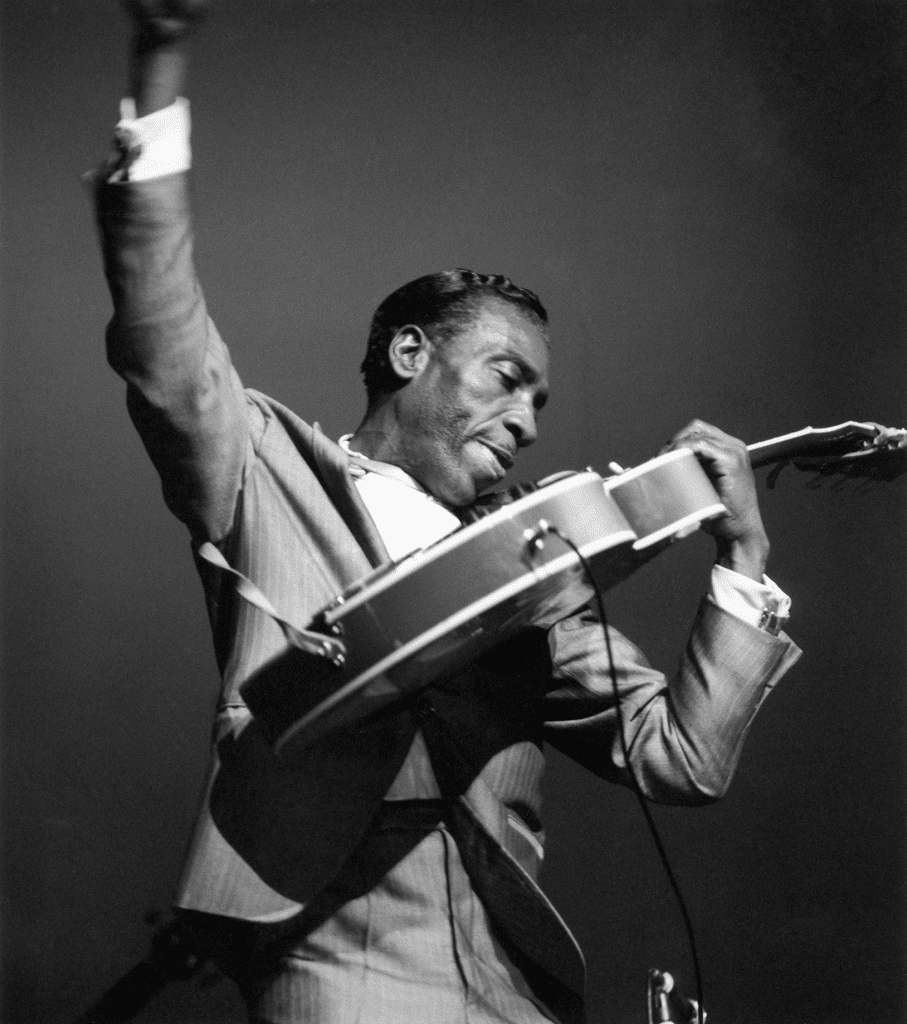
    T Bone Walker

    Aaron T Bone Walker was born in May 1910 in Texas. He began his singing career in the blues origin in 1920 as a teenager in Dallas. Both of his parents were musicians, and he became a professional performer at a young age. He released his debut album in 1929 and pioneered jump blues and electric blues. T Bone Walker passed away in March 1975 due to health complications.
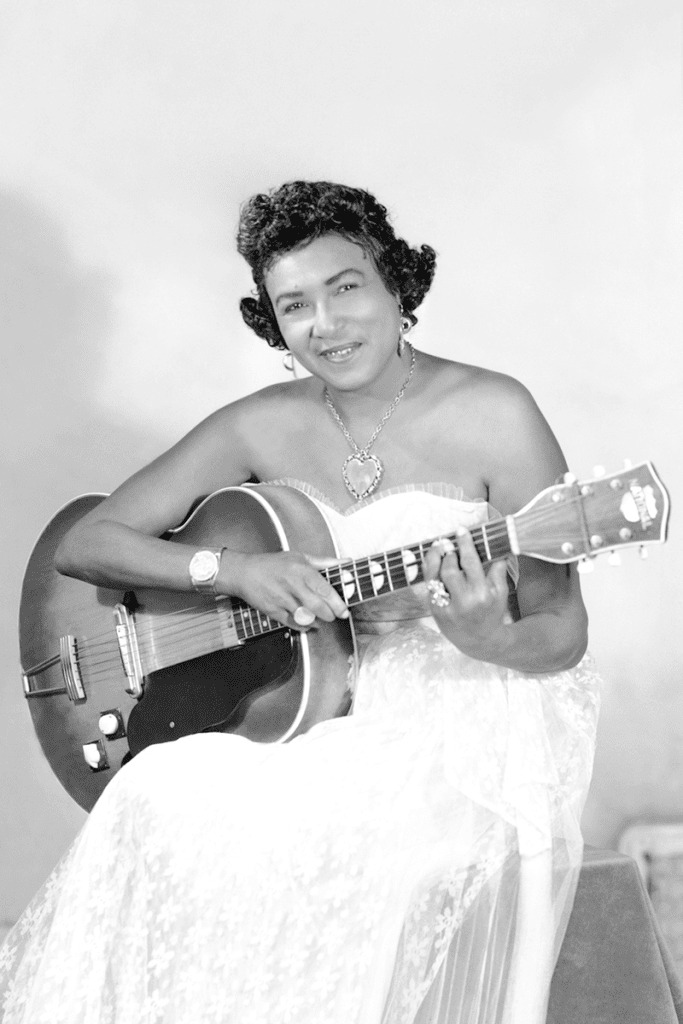
    Memphis Minnie

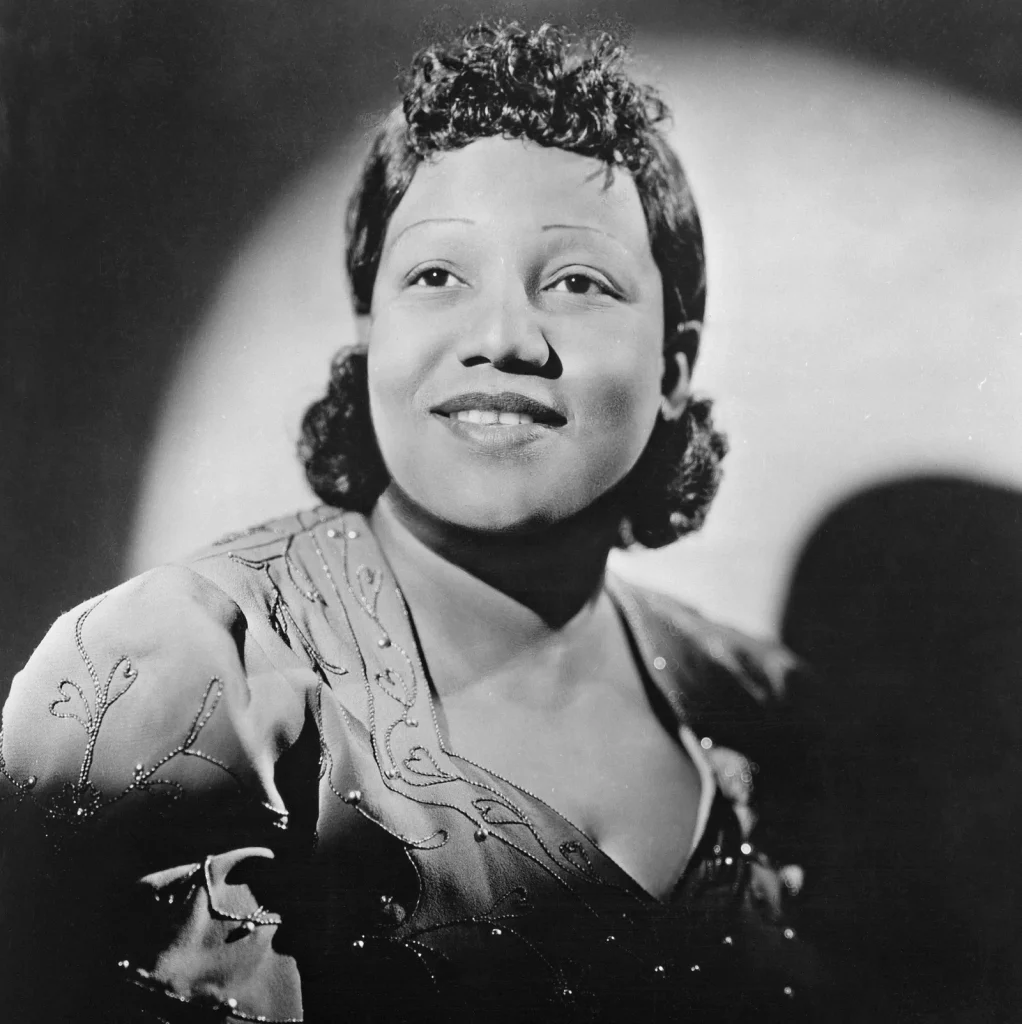
    MEMPHIS – CIRCA 1950: Blues singer and guitarist Memphis Minnie (Lizzie Douglas) poses for a portrait circa 1950 in Memphis, Tennessee. (Photo by Hooks Bros/Michael Ochs Archives/Getty Images)

    Memphis Minnie, also known as Lizzie Douglas, is one of the queens of female blues singers in the blues origin. She was born on June 3, 1897, in Louisiana. At the age of thirteen, Memphis Minnie ran away from home in 1910. She performed on the streets of Beale Street and would return home when she lacked money. After being spotted playing outside a barbershop, she released a couple of records in Columbia with her second husband. Her song “Bumblebee,” released in 1930, became one of her most popular releases. Memphis Minnie established herself well in Chicago but passed away in August 1973 after her health declined.

    Lightnin’ Hopkins

    blues origin
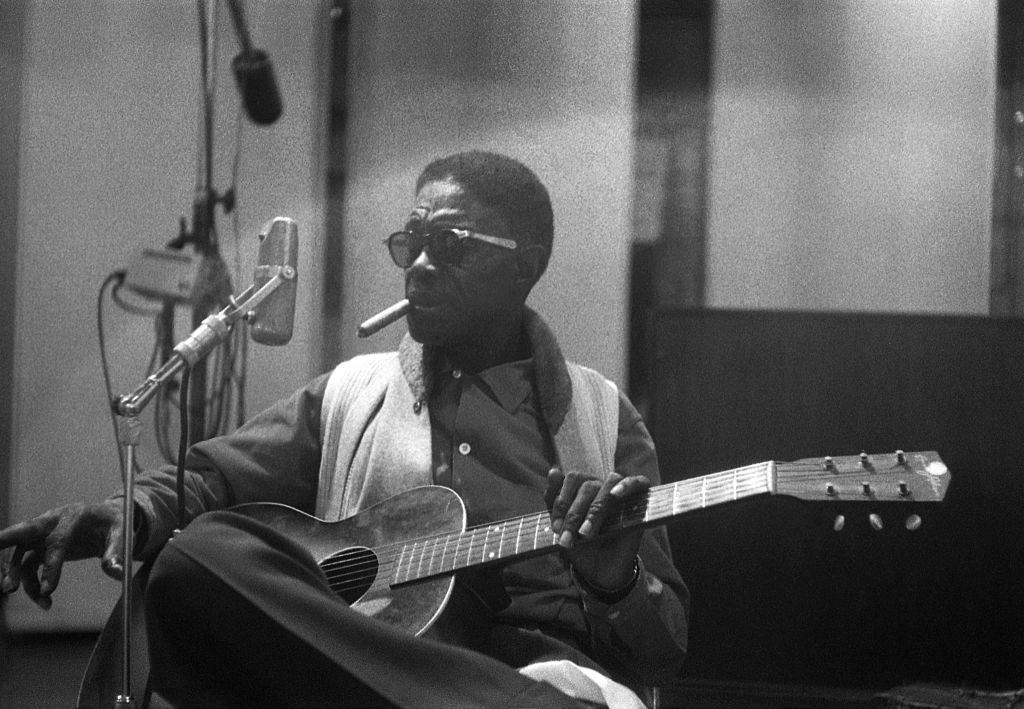
    LOS ANGELES – JULY 6: Bluesman Lightnin’ Hopkins seen through the window of the studio while recording his album ‘Penitentiary Blues’ on July, 6, 1960 in Los Angeles, California. (Photo by Michael Ochs Archives/Getty Images)

    Samuel John “Lightnin’” Hopkins was born on the 15th of March 1912 in Texas. Although his early life had many challenges, including imprisonment, he managed to make a comeback in the music world.

    In 1946, he recorded a total of twelve records together with Wilson Smith, showcasing the blues origin. Throughout his career, he was seen as an artist whose music and actions were closely aligned. He was ranked 71 on the list of the greatest guitarists of all time. He died on the 30th of January 1982.

    Lil Green

    Lil Green was born on the 22nd of December 1919 in Mississippi. She began performing as a teenager after the passing of both her parents. In 1929, she moved to Illinois. Her biggest hits were released in 1940. Lil Green is considered one of the greatest blues origin singers to ever exist. She passed away in April 1954.

    Black Ace

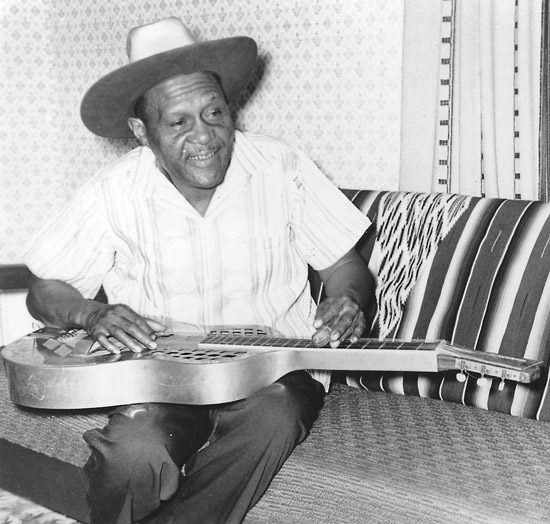
    Black Ace, also known as B.K Turner, was born on the 21st of December 1905 in Texas and was raised on a family farm. Ace taught himself to play the guitar in the blues origin. He started performing in Texas in the late 1920s and often played with Smokey Hogg, a guitarist known for his Hawaiian style of playing with the instrument laid flat on his lap. Black recorded his first six songs in 1937 and that same year started his radio show, which used one of his songs as the theme song called “Black Ace.” This is how he adopted the name as well.

    Shake Jake Harris

    Shake Jake Harris was born on the 24th of August 1925 in Little Rock. He was formerly known as Jake Woods. As a child, he moved to Saginaw, Michigan, with his family. In 1973, he intended to attend the Ann Arbor Festival but decided to stay when he arrived.

    He became a well-known street musician and storyteller in Ann Arbor, especially among the students. Jake strummed his guitar and sang his heart out in the streets of Ann Arbor, selling his music on CDs. He even had bumper stickers and T-shirts with his slogan. Jake died from kidney failure at the age of 82 in September 2007.

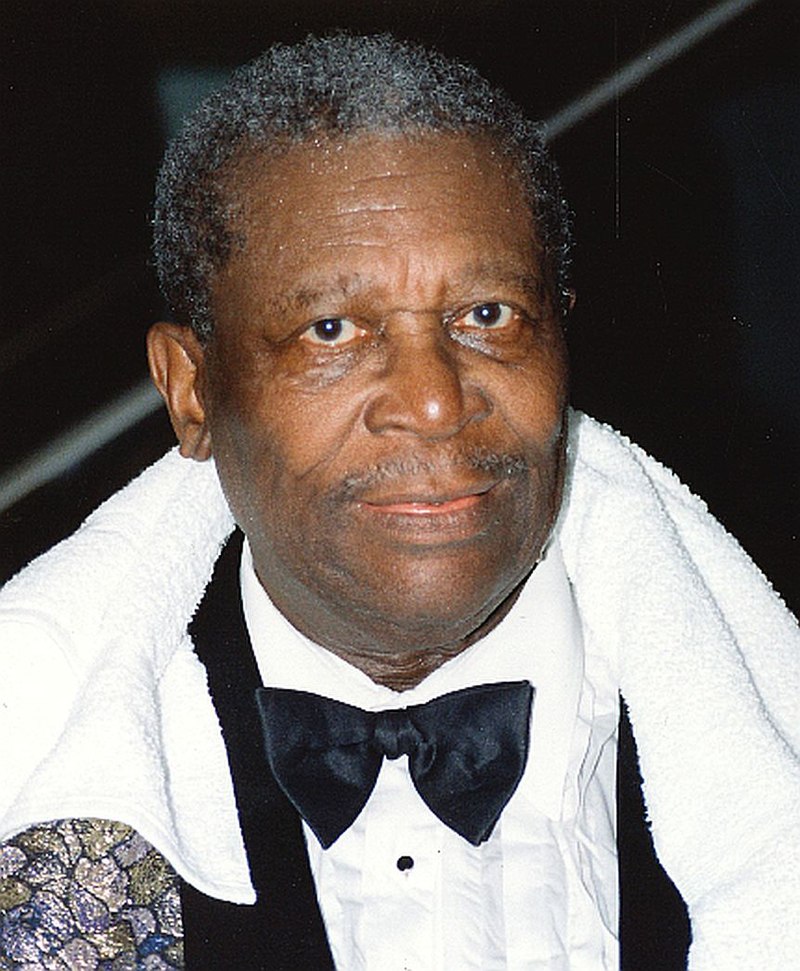
    B.B. King

    Riley B.B. King was born in Mississippi on the 16th of September 1925 and died on the 14th of May 2015. King began singing in the church choir and was particularly drawn to the guitar. He was a prominent figure on Beale Street from the late 1940s through the early 1950s.

    He started recording his songs in the blues origin in 1949. Known as the “King of Blues,” he remains one of the most influential blues artists to have ever lived. Throughout his life, he performed tirelessly, averaging more than two hundred shows each year.

    Conclusion

    In conclusion, the blues genre stands as a testament to the resilience and creativity of African American musicians who transformed their experiences into soul-stirring melodies. While some blues artists have attained legendary status and worldwide recognition, there exists a treasure trove of underrated musicians whose contributions have not received the attention they truly deserve.

    From Wee Willie Walker’s heartfelt vocals to John Lee Hooker‘s mesmerizing guitar playing, each artist mentioned in this exploration of blues music has left an indelible mark on the genre. Howlin’ Wolf, T Bone Walker, Memphis Minnie, Lightnin’ Hopkins, and many others, though perhaps overlooked by the mainstream, have undeniably shaped the landscape of blues music.

    Their songs, filled with raw emotion and profound storytelling, have the power to transport us to a different time and place. They paint vivid pictures of love, loss, and the human experience, capturing the essence of the blues. These artists are the unsung heroes, the hidden gems waiting to be discovered by those willing to delve deeper into the rich tapestry of blues history.

    So, take a moment to explore their music, to listen and appreciate the authenticity, passion, and talent that flows through their songs. Let their melodies and lyrics resonate with your soul, for they carry the weight of generations and the spirit of a timeless genre.

    If you have yet to delve into the world of these remarkable artists, we urge you to embark on a musical journey. Open your ears and your heart to their captivating melodies, and you will be rewarded with a newfound appreciation for the depth and artistry of the blues. These underrated legends may have been overlooked by some, but their music is a testament to the enduring power and beauty of the blues genre.

    In the realm of the blues orgin, recognition may come and go, but the spirit of the music lives on. So, let us remember and honor these unsung heroes, for they are the threads that weave the rich tapestry of blues origin history. Their melodies continue to echo through the years, reminding us of the profound impact the blues has had on our lives and the collective human experience.

    So, go forth, listen, and share the blues with others. Let us keep the legacy alive, ensuring that these underrated artists receive the appreciation and recognition they so rightfully deserve. The blues origin in music has a deep and lasting impact, and through our embrace of these artists, we keep the flame of the blues burning bright for generations to come.

  • Top Black Break-Up Songs for Broken Hearts

    Break-up songs have long served as powerful outlets for expressing the pain and emotions associated with the end of a relationship.

    From Ray Charles’ soulful “Drown in My Own Tears” to Bill Withers’ evocative “Ain’t No Sunshine,” these songs capture the depths of heartbreak and the struggle to move on. Marvin Gaye’s “I Heard It Through the Grapevine” explores themes of betrayal and gossip, while Whitney Houston’s rendition of “I Will Always Love You” became a global sensation of love and loss.

    Boyz II Men’s “End of the Road” reflects on the pain of a Break-up and the longing for closure, while Toni Braxton’s “7 whole days” delves into the complexities of a tumultuous relationship. These songs and many others form a powerful collection of music that resonates with listeners, conveying the universal experiences of heartache, longing, and resilience.

    break-up
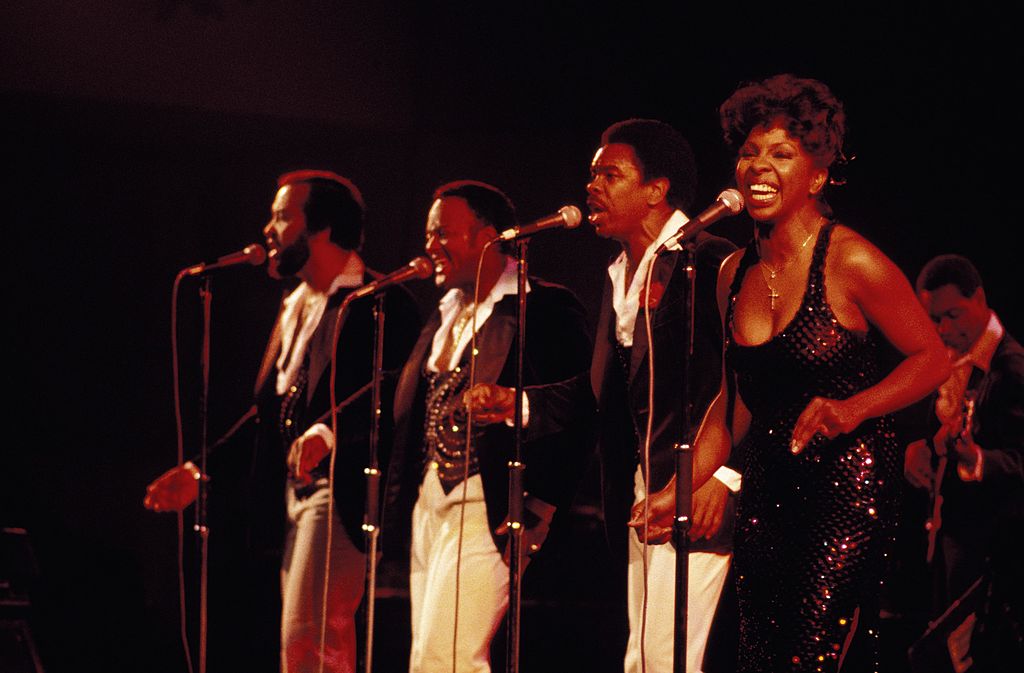
    UNSPECIFIED – JANUARY 01: Photo of Gladys KNIGHT and Gladys KNIGHT & The Pips; (Photo by David Redfern/Redferns)

    “Drown in My Own Tears” by Ray Charles was released on the Atlantic Records label in 1956. It showcases Charles’ soulful vocals and emotional depth, capturing the pain of heartbreak and the struggle to move on.

    “I Heard It Through the Grapevine” by Marvin Gaye was released on the Tamla label in 1968. It became one of Gaye’s signature songs, delivering a powerful blend of soul and funk. The track explores themes of betrayal and gossip, with Gaye’s smooth vocals bringing the lyrics to life.

    “I Will Always Love You” by Whitney Houston was released on the Arista label in 1992. Originally written and recorded by Dolly Parton, Houston’s rendition became a global sensation. Her stunning vocal range and heartfelt delivery make it an unforgettable anthem of love and loss.

    “End of the Road” by Boyz II Men was released on the Motown label in 1992. This timeless ballad became one of the group’s biggest hits, showcasing their harmonies and emotional performances. The song reflects on the pain of a Break-up and the longing for closure.

    “7 whole days” by Toni Braxton was released on the LaFace label in 1993. It is a soulful R&B track that showcases Braxton’s powerful and emotive vocals. The song delves into the complexities of a tumultuous relationship, highlighting the ups and downs over the course of a week.

    “Sail On” by Commodores was released on the Motown label in 1979. The song blends funk, soul, and pop elements, and features Lionel Richie on lead vocals. It explores the theme of heartbreak and the determination to move forward despite the pain.

    “Neither One of Us” by Gladys Knight and the Pips was released on the Motown label in 1972. The song showcases Knight’s powerful vocals and the group’s signature harmonies. It portrays the struggles and uncertainties of a failing relationship, capturing the emotions of both partners.

    “Tracks of My Tears” by Smokey Robinson and the Miracles was released on the Tamla label in 1965. It is a soulful and poignant ballad that explores the hidden pain and sadness behind a smiling facade. Robinson’s smooth vocals and poetic lyrics make it a timeless classic.

    “Heard It Through the Grapevine” by Marvin Gaye was released on the Tamla label in 1968. It became one of Gaye’s most iconic songs, showcasing his soulful voice and capturing the essence of Motown’s sound. The song delves into themes of betrayal and rumors, evoking a sense of vulnerability and uncertainty.

    “Walk On By” by Dionne Warwick was released on the Scepter Records label in 1964. The song, written by Burt Bacharach and Hal David, exemplifies Warwick’s elegant vocals and emotional delivery. It depicts the struggle to move on from a past love, resonating with listeners through its relatable lyrics.

    “I Want You Back” by Jackson 5 was released on the Motown label in 1969. This energetic and infectious track marked the debut of the Jackson 5, showcasing the youthful exuberance and extraordinary talent of a young Michael Jackson. It remains a timeless pop anthem that continues to captivate audiences.

    “I’m Going Down” by Rose Royce was released on the Whitfield label in 1976. It is a soulful and heartfelt ballad that captures the pain and sadness of a relationship on the verge of collapse. Royce’s emotive vocals and the song’s relatable lyrics make it a standout track.

    “Love Don’t Live Here Anymore” by Rose Royce was released on the Whitfield Records label in 1978. This soulful ballad explores the aftermath of a failed relationship, with the powerful vocals of Rose Royce conveying the heartache and emptiness that remains.

    “Let Me Go to Him” by Dionne Warwick was released on the Warner Bros. Records label in 1973. It is a heartfelt and emotional song that showcases Warwick’s impeccable vocal control and range. The lyrics express the longing to be with someone else, even though the heart still holds on to a past love.

    “Keep Me Hanging On” by the Supremes was released on the Motown label in 1966. It became one of the group’s signature songs, blending soul and pop influences. The track depicts the struggle to let go of a past love and move forward, capturing the essence of Motown’s sound.

    “Didn’t I Blow Your Mind (This Time)” by the Delfonics was released on the Philly Groove Records label in 1969. This soulful ballad showcases the smooth and silky vocals of the Delfonics, delivering a heartfelt performance that explores the pain of a love that didn’t last.

    “I Wish It Would Rain” by the Temptations was released on the Gordy label in 1967. It is a poignant and melancholic song that captures the heartbreak of lost love. The Temptations’ harmonies and David Ruffin’s lead vocals infuse the track with raw emotion, making it a soul classic.

    “If You Think You’re Lonely Now” by Bobby Womack was released on the Beverly Glen Music label in 1981. Womack’s soulful and gritty vocals shine on this track, which delves into the loneliness and longing felt after a Break-up. The song’s raw and honest lyrics resonate with listeners.

    “On My Own” by Patti LaBelle and Michael McDonald was released on the MCA Records label in 1986. This powerful duet showcases the vocal prowess of both artists, expressing the strength and independence found after the end of a relationship. The song became a chart-topping hit and a classic duet.

    “Here, My Dear” by Marvin Gaye was released on the Tamla label in 1978. The title track of Gaye’s album, the song chronicles the breakdown of his marriage and the emotional turmoil that followed. It features Gaye’s soulful vocals and introspective lyrics, providing a deeply personal and introspective experience.

    “Go on Without You” by Shirley Murdock was released on the Elektra label in 1986. Murdock’s powerful and soulful voice takes center stage in this heartfelt ballad. The song explores the pain of letting go and moving forward, emphasizing resilience and self-empowerment.

    “I Never Dreamed You’d Leave Me in Summer” by Stevie Wonder was released on the Tamla label in 1970. It is a poignant and bittersweet track that showcases Wonder’s soulful and emotive vocals. The song captures the feelings of loss and abandonment, tinged with a sense of longing and regret.

    “Nothing Compares 2 U” by Prince was released on the Paisley Park label in 1985. While originally written by Prince, it gained worldwide recognition when Sinéad O’Connor covered it in 1990. The song is a heartfelt and emotional ballad that delves into the depths of longing and heartache.

    “How Can You Mend a Broken Heart” by Al Green was released on the Hi Records label in 1972. This soulful ballad showcases Green’s smooth and emotive vocals, capturing the pain and vulnerability of a shattered love. Originally recorded by the Bee Gees, Green’s rendition brings a unique depth and soulfulness to the track. The song’s poignant lyrics and heartfelt delivery resonate with listeners, making it one of Green’s most beloved and enduring songs. With its timeless quality, “How Can You Mend a Broken Heart” continues to touch hearts and evoke emotions to this day.

    “Ain’t No Sunshine” by Bill Withers was released on the Sussex Records label in 1971. It quickly became one of Withers’ most iconic songs, featuring his soulful and evocative vocals. The track showcases his unique blend of folk, soul, and R&B, with heartfelt lyrics that resonate with listeners. With its simple yet captivating melody, “Ain’t No Sunshine” stands as a timeless classic, portraying the feelings of longing, loss, and the absence of love.

  • Review: Why Switching to Spectrum Mobile Service from Verizon is a Game-Changer

    For many years, I used Verizon as my phone service provider, paying well over $200 per month for a family plan. However, a close friend informed me that he recently switched to Spectrum phone service, paying only $29 per month, including all fees, for his phones.

    Since I had three phones on my family plan, I saw the potential benefit of making the switch. I contacted Spectrum customer service and set everything up, which was a relatively straightforward process. They provided me with the necessary SIM cards for spectrum wifi, and the setup was mostly automated.

    It has been a few months since the switch, and the only downside I’ve noticed is that I experience more dropped calls compared to when I was with Verizon.

    Interestingly, my friend and I joke about facing the same issue with spectrum outage, although it is infrequent. Nonetheless, we both agree that the savings make it worthwhile, especially with spectrum service being more than half the cost of Verizon. In fact, the cost is now more than half of what I used to pay Verizon for many years, which is especially beneficial in today’s economy.

    Since I was already a customer with Spectrum for cable and internet services, which I’m quite satisfied with, I thought switching to their phone service would be a good move. So far, I’m pleased with the decision to bundle Spectrum Internet and mobile services, which saves me even more money.

    If you’re interested in making the switch, you can visit their website or contact Spectrum customer service for assistance. I believe it’s a great option, especially for entrepreneurs who want reliable and affordable communication services.

    Additionally, you can find answers to the most frequently asked questions about Spectrum services, including spectrum one, spectrum advanced wifi, nationwide 5G service, contracts, bringing your own device, and the Spectrum mobile device payment plan, on their website.

    Remember, if you have any issues or questions, you can always reach out to Spectrum customer service for support.

    Can I bundle Internet and Mobile?

    Spectrum One includes home Internet and a free year of both Spectrum Advanced WiFi and an Unlimited Mobile line with your Spectrum cell phone plan. With Spectrum One, you’ll get high-speed Internet, Advanced WiFi, and a Spectrum Mobile Unlimited line – all for one unbeatable price. Spectrum Mobile is exclusive to Spectrum Internet customers.

    What is Spectrum’s nationwide 5G service?

    5G is the next generation of wireless technology for mobile phones delivering the fastest and most reliable connectivity. You can see your area’s 5G service in the Spectrum Mobile coverage map. Find access to fast, reliable connectivity around the country on an expansive, award-winning network.

    Does Spectrum Mobile require a contract?

    Spectrum Mobile has no contracts, no added taxes or hidden fees and you can make plan changes any time you need.

    Can I Bring My Own Device if I Switch to Spectrum Mobile?

    If your current phone is unlocked and compatible with the Spectrum Mobile network, you can transfer your mobile service to a Spectrum Mobile plan. To find out if your device is compatible with the Spectrum Mobile BYOD (Bring Your Own Device) program, visit our BYOD Check Compatibility page.

    Does Spectrum Mobile offer a payment plan for new devices?

    When purchasing a new Spectrum Mobile device, you can enroll in the Spectrum Mobile Device Payment Plan and pay for the total cost of the device over 36 payments, which will be included on your bill each month. Once you’ve completed all the payments, the device is all yours. Spectrum Mobile carries the latest, most in-demand devices. 

  • 16 Great 90s Black Movies That We Watched Over and Over!

    90s Black Movies seemed to get it right. Many people consider the 90s the golden era for hip-hop music, but it also spawned quite a few black movies that would later become cult classics.

    We may not have known it then, but the 90s gave us some amazing Black Movies.

    The Oscars may not have recognized these films for their genius but that didn’t stop us from quoting every memorable line from these films. Here are 16 black films in no particular order that we watched over and over again. Which one was your favorite?

    16. The Wood – 1999

    90s black movies, radio facts

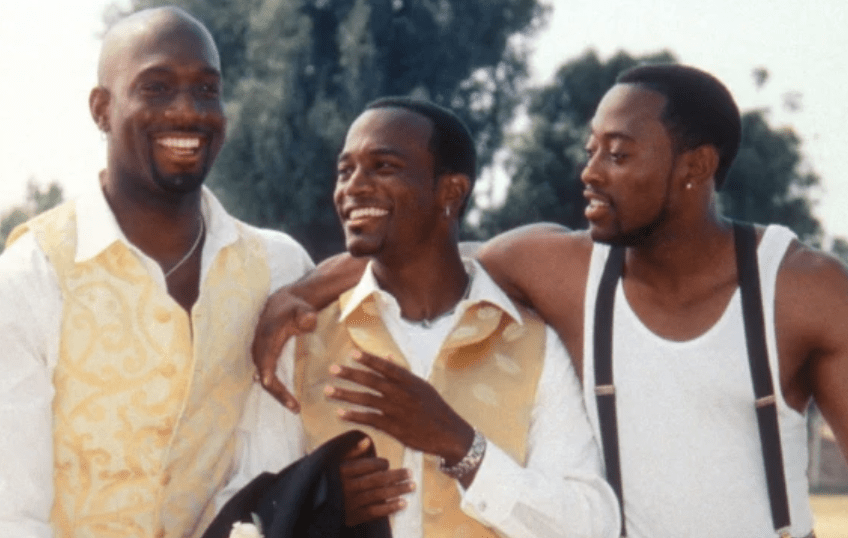
    The Wood is a 1999 romantic comedy written by Rick Famuyiwa and Todd Boyd. Famuyiwa also directed the film, which stars Omar Epps, Richard T. Jones, and Taye Diggs. This was one of those films that took me back to my days as teenager growing up in the Chi. From “the bet” the young actors made to the first time you got to slow dance with that girl, this film perfectly captured those classic high school moments and beyond.

    How many of us challenged our friends to see how many numbers we could get, and how many girls wrote their numbers down and somebody’s hand or a piece of paper? As I said, those were classic moments!

    15. Dead Presidents – 1995

    Screen-Shot-2021-02-09-at-7.59.16-PM

    Dead Presidents is a 1995 American crime film written by Michael Henry Brown, produced and directed by the Hughes brothers, starring Larenz Tate, Keith David, Chris Tucker, Freddy Rodriguez, N’Bushe Wright, and Bokeem Woodbine.

    The 90s Black Movie chronicles the life of Anthony Curtis, focusing on his teenage years as a high school graduate and his experiences during the Vietnam War. As he returns to his hometown in The Bronx, Curtis struggles to support himself and his family, eventually turning to a life of crime.

    This film was so popular that you still see their robbery disguise at a few costume parties here and there. This movie also featured a much younger Terrance Howard, who received a major beatdown courtesy of Larenz Tate’s character.

    14. Set it Off – 1996

    Screen-Shot-2021-02-09-at-8.20.35-PM

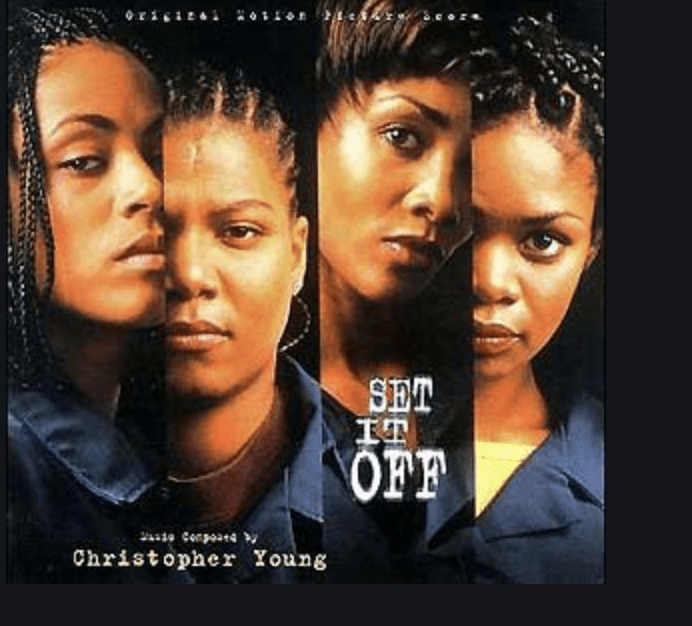
    Directed by F. Gary Gray, and written by Takashi Bufford, Set It Off is the 1996 film starring Jada Pinkett Smith, Queen Latifah, Vivica A. Fox, and Kimberly Elise. Just as Biggie said, “Watch me set it off like Vivica,” many of us were captivated by this urban drama.

    From Queen Latifah’s break-out performance as the hardcore lesbian character, “Cleo,” to Jada’s stellar showing as “Stony,” Set It Off was more than a movie about four women robbing banks. It was a movie that showed how the harsh realities of life lead to tough choices and how those choices can create life-or-death situations.
    13. Juice 1992

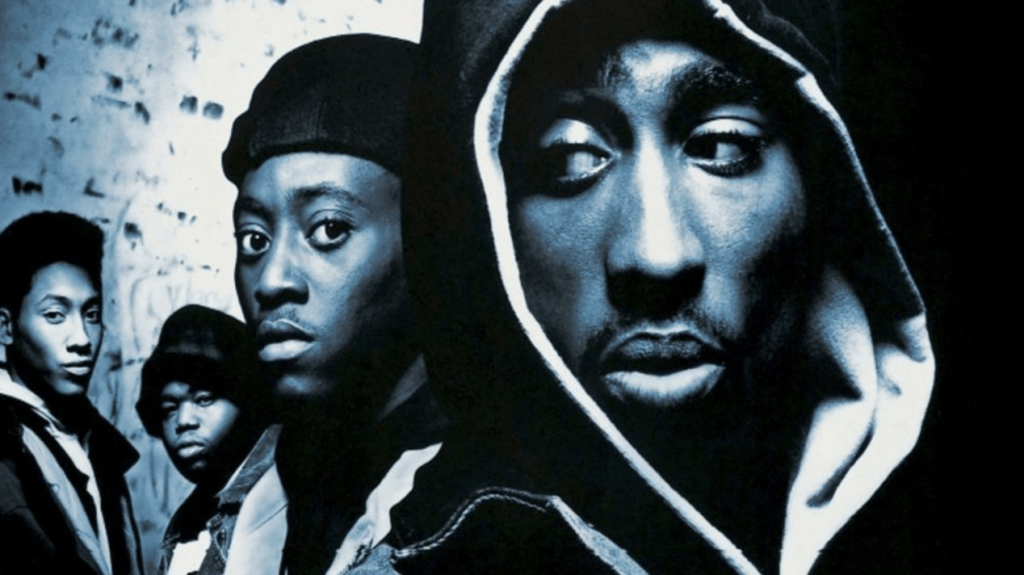
    Juice is a 1992 American crime drama thriller directed by Ernest R. Dickerson and written by Ernest R. Dickerson and Gerard Brown.

    This 90s Black Movie stars rapper Tupac Shakur and Omar Epps. Additional cast members include Jermaine “Huggy” Hopkins, Khalil Kain, and Samuel L. Jackson; the film features cameo appearances by Queen Latifah, EPMD, Special Ed, Ed Lover, Doctor Dré, Flex Alexander, Fab Five Freddy, Yo-Yo, Donald Faison, and Treach.

    Many people say this role would later define Tupac’s tragic life. Some people insisted he became more like his character “Bishop” once he landed this role. Others that knew him just said he was so good of an actor that people believed it so much. Either way, this film has now become a cult classic.

    12. Soul Food – 1997

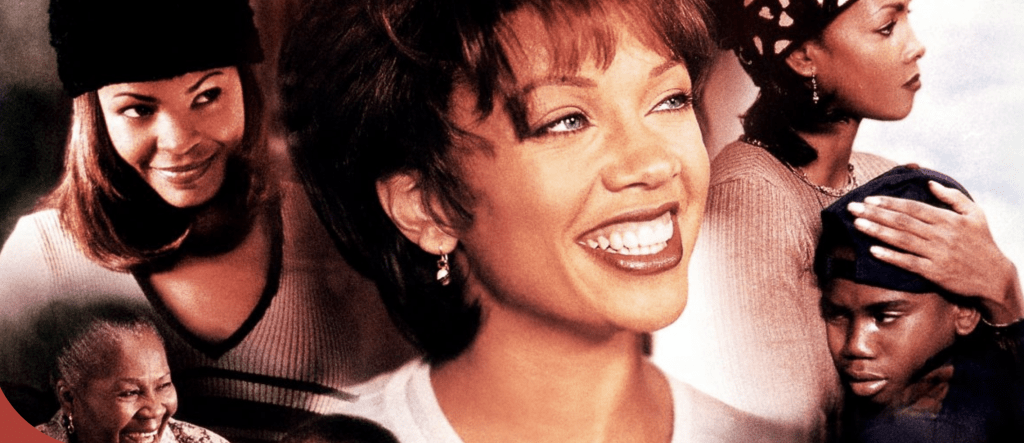
    Soul Food is a 1997 American comedy-drama film produced by Kenneth “Babyface” Edmonds, Tracey Edmonds, and Robert Teitel and released by Fox 2000 Pictures.

    Featuring an ensemble cast, the Black Movie stars Vanessa Williams, Vivica A. Fox, Nia Long, Michael Beach, Mekhi Phifer, Jeffrey D. Sams, Irma P. Hall, Gina Ravera, and Brandon Hammond. Written and directed by George Tillman, Jr. (in his major studio debut), the film centers on the trials of an extended African-American family, held together by longstanding family traditions which begin to fade as serious problems take center stage.

    This movie was so good that a television show was created based on the original screenplay. The films did a great job at exploring the different narratives that often shape the black family experience.

    11. Love Jones 1997

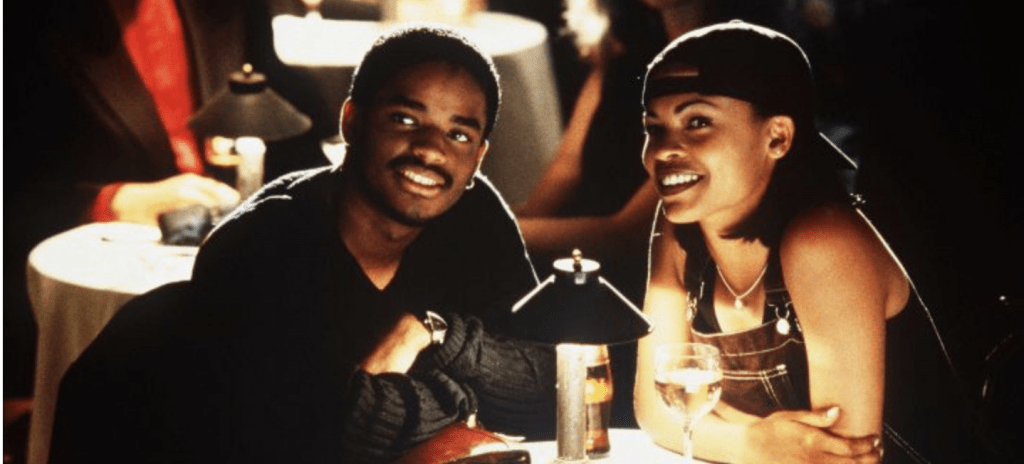
    Love Jones is a 1997 American romantic drama film written and directed by Theodore Witcher, in his feature film debut. It stars Larenz Tate, Nia Long, Isaiah Washington, Bill Bellamy, and Lisa Nicole Carson. All I can say about this film is that I still have female friends that get together to watch this movie for the 20th time.

    I have watched them melt every time Larenz Tate fixes his lips to say those memorable words, “See, I’m a brother to the night…” You all know the rest. This film did the perfect job of showing the complexities of relationships.

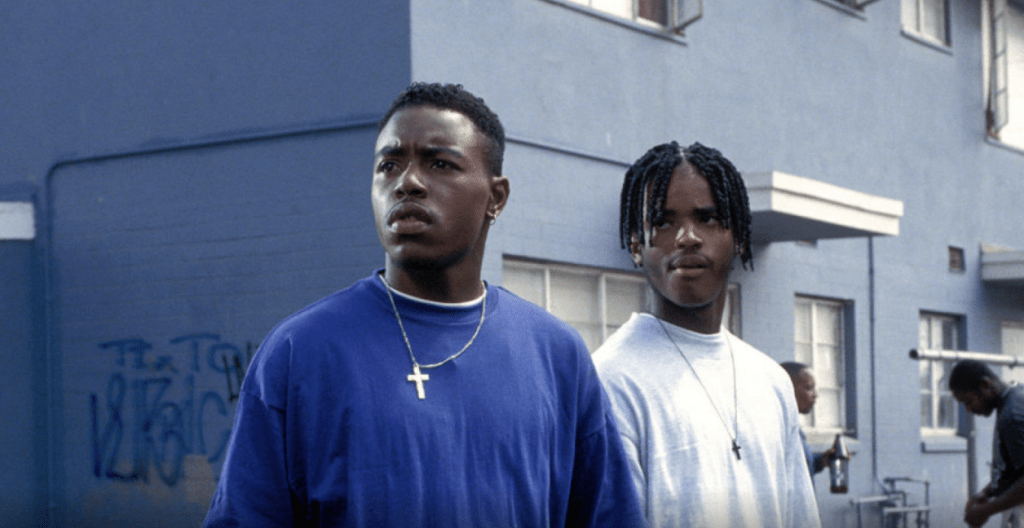
    10. Menace II Society 1993

    Menace II Society is a 1993 American hood drama film directed by Allen and Albert Hughes in his directorial debut starring Tyrin Turner, Jada Pinkett, Larenz Tate, and Samuel L. Jackson. The film is set in South Central Los Angeles, California.

    The film follows the life of a hoodlum named Kaydee “Caine” Lawson and his close friends. It gained notoriety for its scenes of violence, profanity, and drug-related content. It was released in May 1993 to critical acclaim for its gritty portrayal of urban violence and its powerful underlying messages.

    Besides that, this was another movie where Samuel Jackson made a brief but memorable appearance. I could at least quote ten lines verbatim this is one of those films.

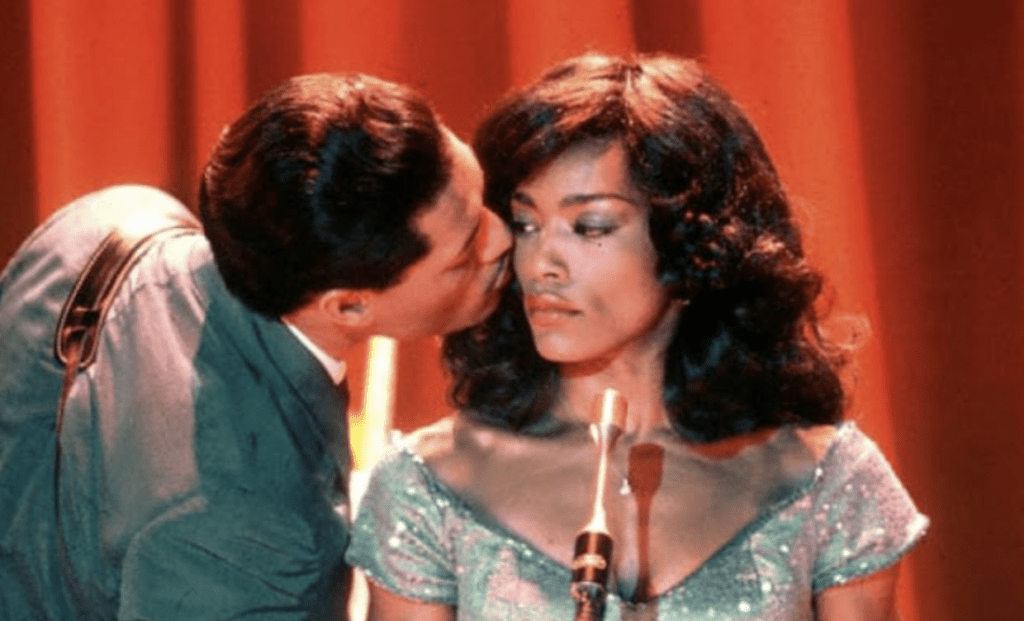
    9. What’s Love Got To Do With It – 1993

    What’s Love Got to Do with It is a 1993 American biographical film directed by Brian Gibson, loosely based on the life of Tina Turner.

    It stars Angela Bassett as Tina Turner and Laurence Fishburne as Ike Turner. Kate Lanier adapted the screenplay from the book I, Tina, written by Tina Turner and Kurt Loder. Both Ike and Tina Turner assigned rights to Lanier for their lives to be dramatized in the film. All I have to say about this film is “Taste the Cake, Anna Mae.”

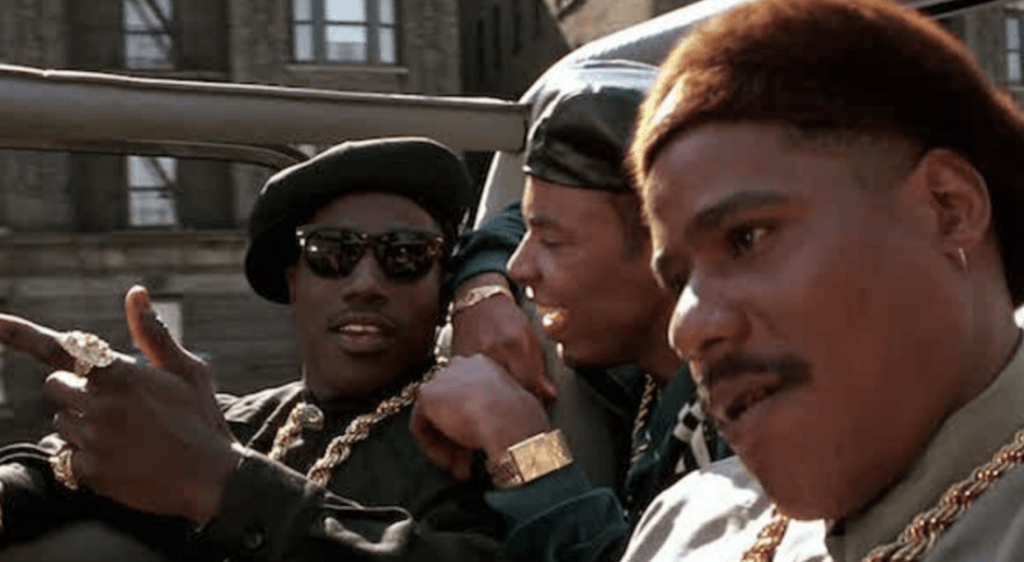
    8. New Jack City – 1991

    New Jack City is a 1991 American crime thriller action film based upon an original story and screenplay by Thomas Lee Wright, and directed by Mario Van Peebles in his directorial debut, who also co-stars in the film.

    The film stars Wesley Snipes, Ice-T, Allen Payne, Chris Rock, and Judd Nelson. Wesley Snipes plays Nino Brown, a rising drug dealer, and crime lord in New York City during the crack epidemic.

    Ice-T plays Scotty Appleton, a detective who vows to stop Nino’s criminal activity by going undercover to work for Nino’s gang. If you haven’t seen New Jack City, I need you to “Sit your five-dollar ass down before I make change.”

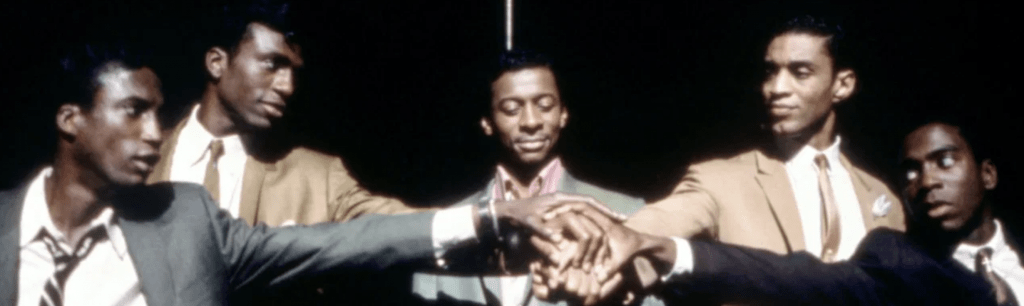
    7. Five Heartbeats – 1991

    How many times have you uttered or sang the words, “Nights like this, I wish raindrops would fall” while doing your best Eddie King Jr. impression?

    That was more of a rhetorical question but feel free to answer it. The Five Heartbeats is a 1991 musical drama film directed by Robert Townsend, who co-wrote the script with Keenan Ivory Wayans.
    Distributed by 20th Century Fox, the film’s main cast includes Townsend, Michael Wright, Leon Robinson, Harry J. Lennix, Tico Wells, Harold Nicholas of the Nicholas Brothers, and Diahann Carroll. Based on the lives of The Dells, Four Tops, Temptations, and other Motown-inspired groups, The Five Heartbeats is a cult classic that will stand the test of time.

    6. Boyz n the Hood – 1991

    Screen-Shot-2021-02-09-at-8.38.03-PM

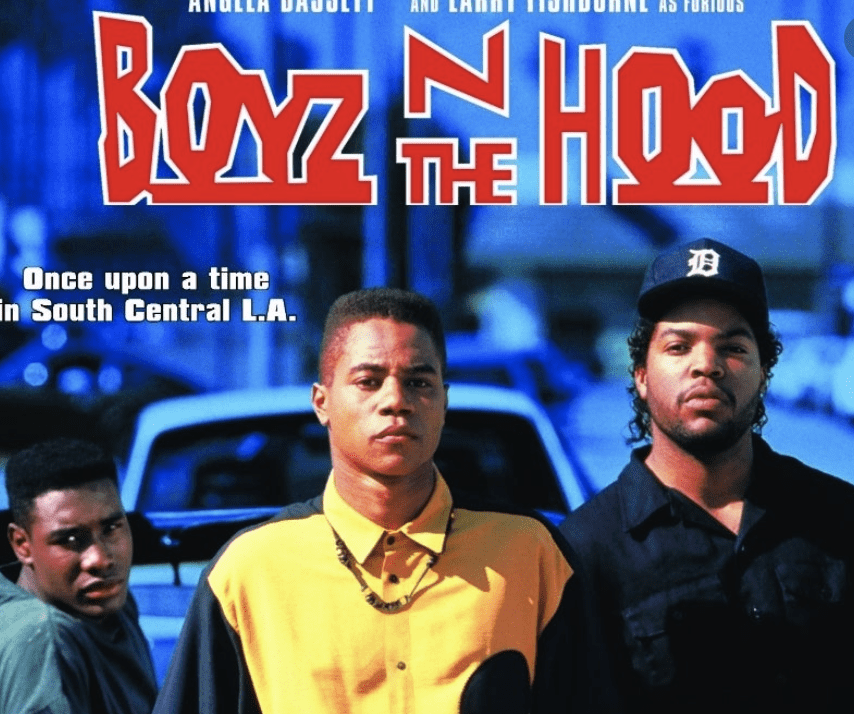
    Need I say more? Everyone knows a line from this movie because there are so many classic scenes. Boyz n the Hood is a 1991 American teen hood drama film written and directed by John Singleton in his directorial debut and starring Ice Cube, Cuba Gooding Jr., Morris Chestnut, Larry Fishburne, Nia Long, and Angela Bassett, depicting life in South Central Los Angeles, California.
    This was the first film debut for Ice Cube and Morris Chestnut. I can still remember the silence over the theater when Ricky got shot and the sniffles that followed.

    5. Friday – 1995

    Screen-Shot-2021-02-09-at-8.39.34-PM

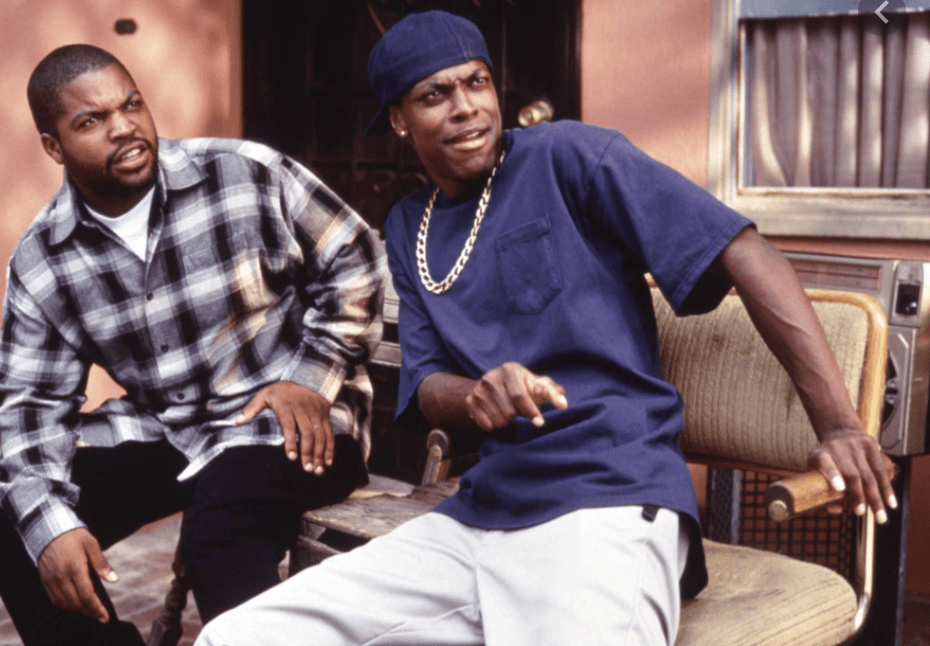
    You got knocked the f*ck out! We all at least fell the f*ck out from laughing at this classic comedy. Friday is a 1995 American stoner buddy comedy film directed by F. Gary Gray in his directorial debut written and narrated by Ice Cube, who also stars in the film.

    The film co-stars Chris Tucker, Nia Long, Bernie Mac, Tiny’Zeus’ Lister, Jr., and John Witherspoon. The film revolves around 16 hours in the lives of unemployed slackers Craig Jones and Smokey, who must pay a drug dealer $200 by 10:00 PM that night.

    Although there were two more Friday films that followed, nothing could compare to the first one. We are still waiting for the “Last Friday” film.

    4. House Party – 1990

    Screen-Shot-2021-02-09-at-8.42.55-PM

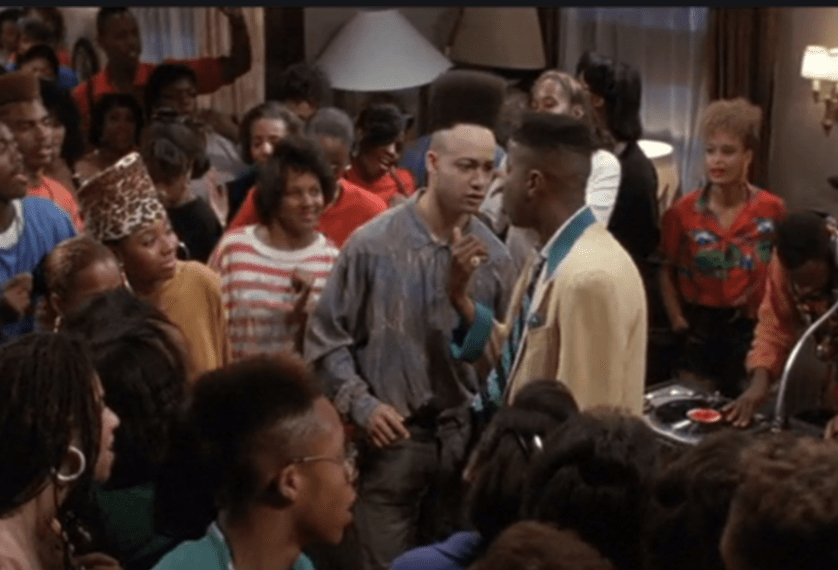
    This is one of my favorite films of all time, and I’m not the only one that feels that way.

    There were several House Party films that followed this original classic, but when it comes to those, I only have one thing to say, “I knew it; I knew it wasn’t Pierre Cardin.” Only those that have sent the film as much as I have will get that.

    The Black movie was released in 1990 by New Line Cinema. It stars Kid and Play of the popular hip-hop music duo Kid’n Play and Paul Anthony, Bow-Legged Lou, B-Fine from Full Force, and Robin Harris (who died of a heart attack nine days after House Party was released).

    The film also starred Martin Lawrence, Tisha Campbell, A.J. Johnson, Daryl “Chill” Mitchell and Gene “Groove” Allen (of Groove B. Chill), Kelly Jo Minter, John Witherspoon, with a cameo by funk musician George Clinton. This was Robin Harris’ last on-screen performance before his untimely death, shortly after the film was completed.

    The film was written and directed by Reginald Hudlin, based on his award-winning Harvard University student film.The film grossed $26,385,627 in its run at the box office.

    3. Malcolm X – 1992

    Screen-Shot-2021-02-09-at-8.46.15-PM

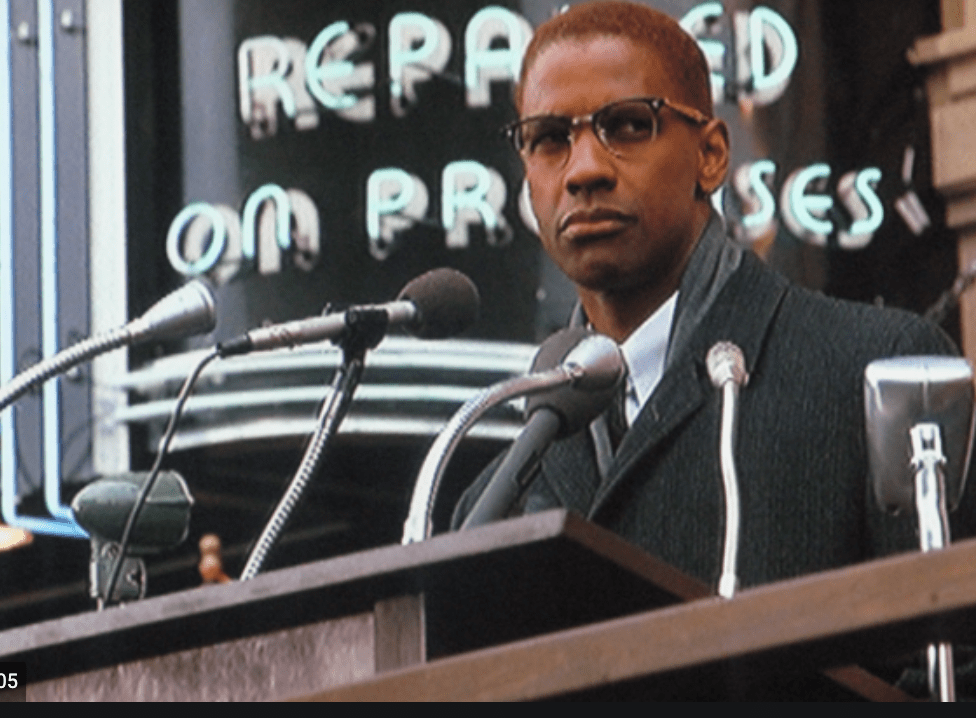
    Somebody, please explain to me why Denzel nor Spike Lee won an Oscar for this black movie? The scene when Denzel is outside the police radio station with Nation of Islam standing behind him, and he puts his hand up… you already know what happens, but that is literally one of the most powerful scenes in film history with just a simple hand gesture.

    Malcolm X is a 1992 American biographical drama film about the African-American activist Malcolm X. Directed and co-written by Spike Lee, the film stars Denzel Washington in the title role and Angela Bassett, Albert Hall, Al Freeman, Jr., and Delroy Lindo.

    Lee has a supporting role as Shorty, a character based partially on real-life acquaintance Malcolm “Shorty” Jarvis, a fellow criminal and jazz saxophonist.

    Black Panther Party co-founder Bobby Seale, the Rev. Al Sharpton, and future South Africa president Nelson Mandela have cameo appearances. This is the second of four film collaborations between Washington and Lee.

    2.The Best Man – 1999

    Screen-Shot-2021-02-09-at-8.49.27-PM

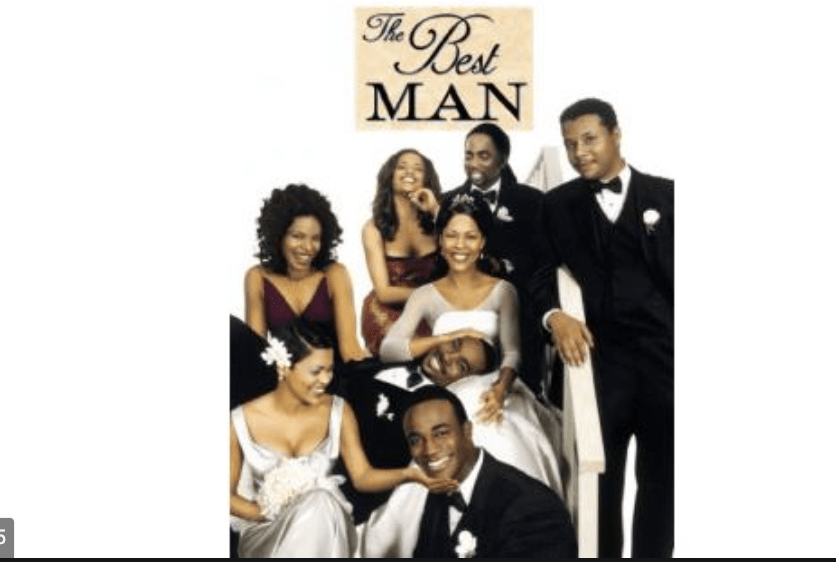
    I can’t even hear the song “Candy” by Cameo without thinking about the last scene of this film. This film was so good they had to do a sequel.

    The second film didn’t truly capture the magic of the first one, but they gave it a good shot by returning the original cast. If you didn’t know, the Best Man is a 1999 American romantic comedy-drama film written and directed by Malcolm D. Lee.

    It was produced by 40 Acres and a Mule Filmworks, with Lee’s cousin, Spike Lee, serving as producer. The film stars Taye Diggs, Nia Long, Morris Chestnut, and Sanaa Lathan.

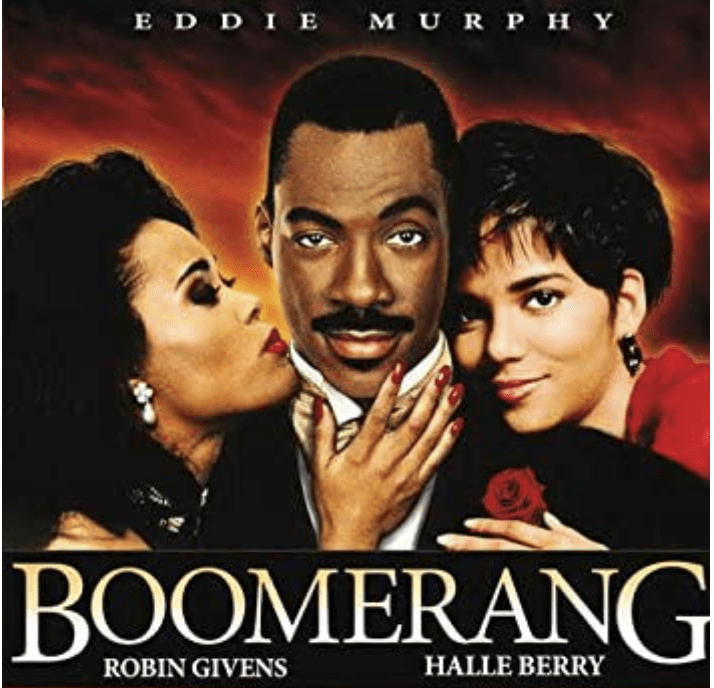
    1. Boomerang – 1992

    Screen-Shot-2021-02-09-at-8.50.49-PM

    Eddie Murphy had already given us Coming to America and Harlem Nights in the late 80s but this film is right up there with those two. All I can say is, “Don’t be pu**y whipped, whip that pu**y” or how about, “Maaarrcusss Daaarling.”

    Boomerang is a 1992 American romantic comedy black movie directed by Reginald Hudlin. The film stars Eddie Murphy as Marcus Graham, a hotshot advertising executive who is also an insatiable womanizer and male chauvinist.

    When he meets his new boss, Jacqueline Broyer (Robin Givens), Marcus discovers she is essentially a female version of himself. He realizes he is receiving the same treatment he delivers to others. The film features supporting performances by Halle Berry, David Alan Grier, and Martin Lawrence.

  • Iconic Black Cartoon Characters

    The absence of black characters in cartoons has been a long-standing issue in the animation industry.

    Historically, cartoons and animated shows have often lacked diversity and representation, particularly when it comes to black characters. This underrepresentation can significantly impact the viewers, as it reinforces stereotypes and fails to provide positive role models for black children and audiences.

    characters in cartoons

    One reason for the absence of black characters in cartoons is the lack of diversity within the animation industry. Historically, the industry has been predominantly white, and this lack of diversity behind the scenes can influence representation on screen. With diverse perspectives and experiences informing the creative process, it becomes easier to represent our society’s rich diversity accurately.

    Another contributing factor is the perpetuation of stereotypes and cultural biases. In the past, black characters in cartoons were often portrayed using racial stereotypes that were offensive and harmful.

    This has led to a reluctance to include black characters for fear of perpetuating these negative portrayals. However, it is important to recognize that diverse representation is not limited to avoiding negative stereotypes but also involves showcasing a wide range of positive and authentic black characters.

    There have been positive changes in recent years, with more efforts being made to include diverse characters in cartoons. Some animated series have consciously tried to include black characters and explore their stories and experiences. However, progress is still needed, as the representation of black characters in cartoons remains significantly lower than their real-world presence.

    Increased representation of black characters in cartoons is essential for several reasons. Firstly, it allows black children to see themselves reflected positively on screen, promoting self-esteem and a sense of belonging.

    Additionally, diverse representation in cartoons fosters empathy and understanding among viewers of all backgrounds, breaking down stereotypes and promoting inclusivity.

    Efforts should continue to be made to increase the representation of black characters in cartoons. This can involve hiring diverse creators, writers, and artists and providing opportunities for diverse voices to be heard and stories to be told. Collaboration with black communities and organizations can also help ensure the representation is authentic and respectful.

    Overall, the absence of black characters in cartoons is a significant issue requiring ongoing attention and effort. The animation industry can play a vital role in shaping a more inclusive and equitable society by working towards greater diversity and representation.

    Carl Carlson (The Simpsons): Carl is one of Homer Simpson’s best friends and co-workers at the Springfield Nuclear Power Plant. He is known for his laid-back personality and is one of the longest-running black characters in an animated series.

    Pops (Regular Show): Pops Maellard is a wealthy lollipop-shaped man and one of the main characters in the show. He is eccentric and kind-hearted, often providing wisdom to his friends.

    Garnet (Steven Universe): Garnet is a fusion of two gems named Ruby and Sapphire. She is a strong and stoic character and serves as the leader of the Crystal Gems. Garnet is celebrated for being a representation of a same-sex relationship.

    Cyborg (Teen Titans): Cyborg is a half-human, half-robot superhero and a member of the Teen Titans. He is known for his technical abilities and his charismatic personality.

    Static (Static Shock): Static, also known as Virgil Hawkins, is a teenage superhero with the power to control electricity. He starred in his own animated series, “Static Shock,” which was praised for its positive representation of a black superhero.

    Suzie Carmichael (Rugrats): Suzie is a confident and intelligent character in the Rugrats series. She is the neighbor and friend of the main characters and often provides valuable insights and support.

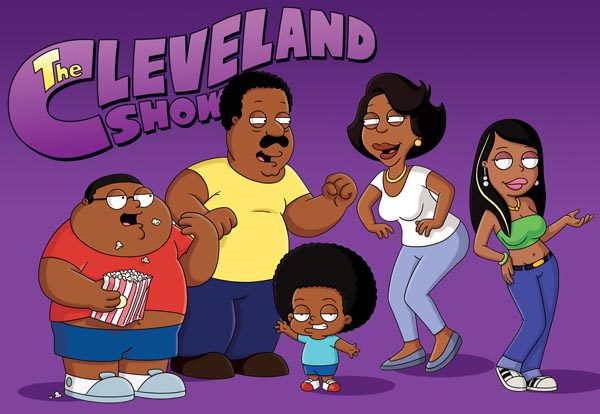
    Cleveland Brown (Family Guy/The Cleveland Show): Originally a character in Family Guy, Cleveland Brown later starred in his own spin-off series, “The Cleveland Show.” He is a friendly and well-meaning character known for his distinct voice.

    Penny Proud (The Proud Family): Penny Proud is the main character of “The Proud Family.” She is a smart and independent teenager navigating the challenges of adolescence. The show explored themes of African-American culture and family dynamics.

    Tiana (The Princess and the Frog): Tiana is the first African-American Disney princess. She is a hardworking and ambitious young woman who dreams of owning her own restaurant. Tiana’s character represents determination and resilience.

    James Proudstar/Warpath (X-Men: Evolution): Warpath is a Native American mutant with superhuman strength and agility. Although not the main focus of the series, his character brought diversity and representation to the X-Men animated series.

    These are just a few examples of notable black characters in cartoons, but many more have made significant contributions to animated storytelling.

    https://www.youtube.com/watch?v=JsCA5GY4p9U&list=PLLhOnau-tupRnXhYalTaC-dZYzFJtoiBB&index=6
  • Top Black Love Songs in Music

    When it comes to songs about lovers, Black musicians have made an indelible mark on the music scene throughout the decades, shaping the industry with their talent and creativity.

    The 1970s, in particular, witnessed the rise of great black music, especially when it came to captivating ballads about love.

    Here, we present ten historical songs that we at Black Top 10s regard as the best love songs ever.

    songs about lovers
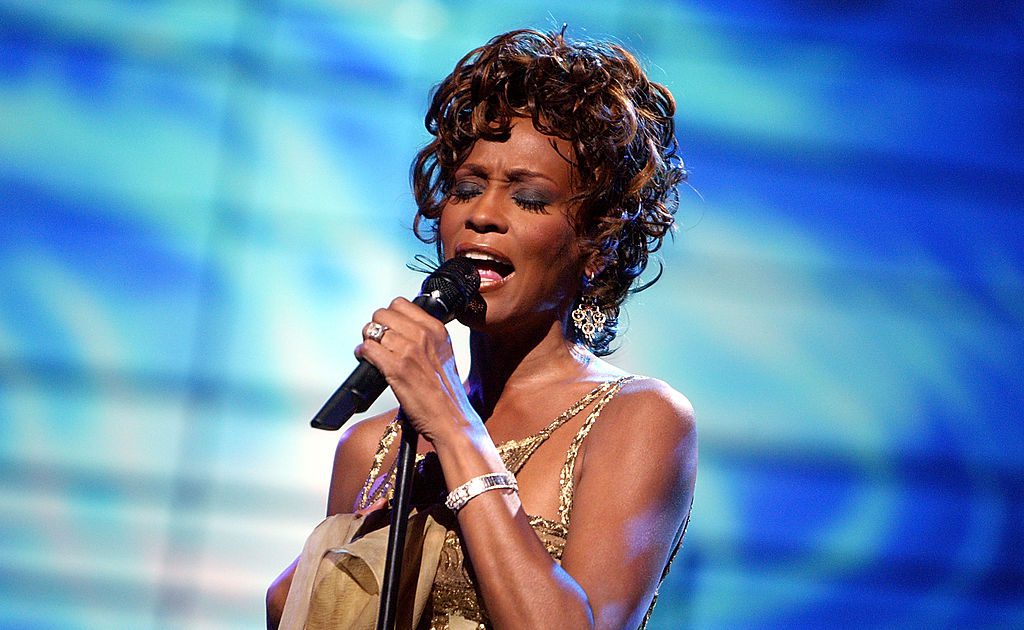
    LAS VEGAS, NV ? SEPTEMBER 15: Singer Whitney Houston is seen performing on stage during the 2004 World Music Awards at the Thomas and Mack Center on September 15, 2004 in Las Vegas, Nevada. (Photo by Kevin Winter/Getty Images)

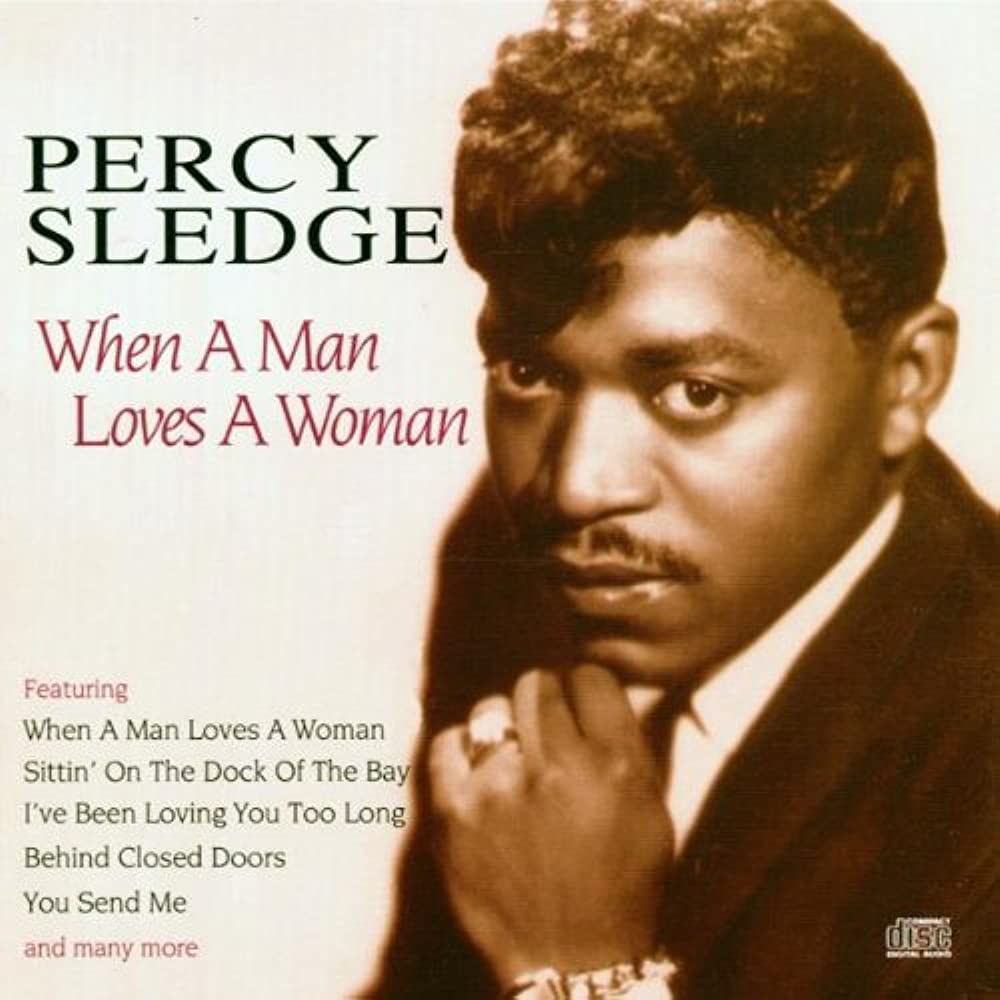
    “When a Man Loves a Woman” by Percy Sledge

    Percy Sledge’s “When a Man Loves a Woman” is an iconic soul-stirring classic that delves into the deepest depths of appreciation for a woman and pure unconditional love. The song was released in 1966. This timeless ballad captures the raw emotions and sacrifices one will make for their beloved. Sledge’s impassioned, undeniably powerful vocals and heartfelt delivery make it an eternal anthem among songs about lovers.

    “I Will Always Love You” by Whitney Houston

    The late Whitney Houston’s rendition of Dolly Pardon’s “I Will Always Love You” is a testament to the power of a reworked, compelling rendition that was 100 times better than the original. Houston’s version, released in 1992 for the film “The Bodyguard,” became an instant sensation. Houston’s unparalleled vocal range and emotional depth elevate this song to the realm of love’s transcendent and everlasting nature.

    “Love Ballad” by L.T.D.

    L.T.D.’s “Love Ballad” is a lush and melodic track that captures the essence of a tender and passionate love story. Former lead singer Jeffery Osborne brings the song home with his amazing vocals and interpretation. He is truly one of the most underrated singers in Black music history. Love Ballad was released in 1976. You barely hear the rest of the group on the song as Osborne owns it and his interpretation made it an instant classic and wedding song.

    “Always and Forever” by Heatwave

    Speaking of wedding songs, Heatwave’s “Always and Forever” is a beautiful ballad embodying true love’s nature. The song about lovers was released in 1977 and remains one of the group’s most popular songs. The late lead singer Johnny Wilder made this song a soulful masterpiece that had never been re-recorded because it could never be done again once Heatwave did it.

    “Reasons” Earth, Wind & Fire

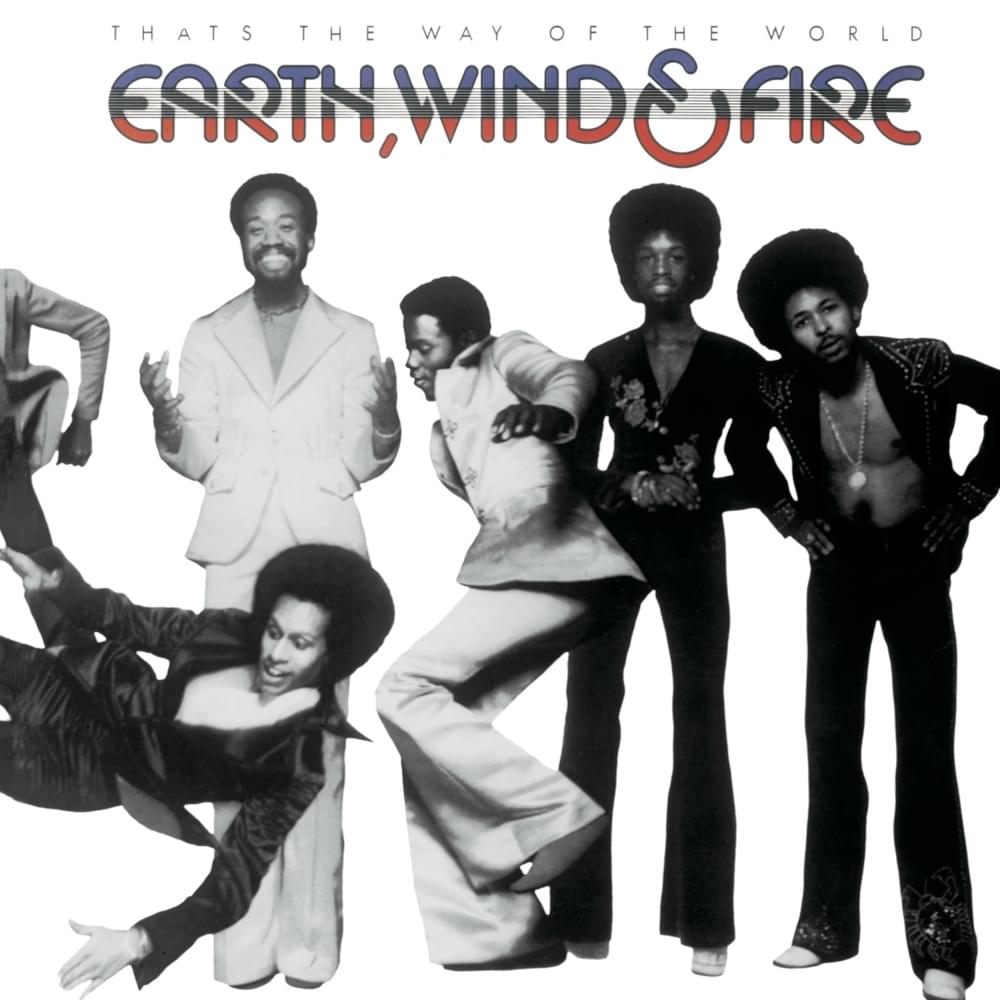
    Reasons is yet another classic that encapsulates the essence of love and longing. “Reasons” was released in 1975. The band’s exceptional musicianship and brilliant lyrics are second to none. With gentle melodies, lush orchestration, and intricate vocal harmonies, the song creates an enchanting atmosphere that pulls listeners into deep emotions. The late Maurice White’s soulful and passionate vocals and the band’s impeccable instrumentation evoke a sense of vulnerability and rawness that resonates with audiences. “Reasons” remains a timeless classic, showcasing Earth, Wind & Fire’s ability to craft a captivating love song that touches the depths of the human heart.

    “Betcha by Golly Wow” by The Stylistics

    The Stylistics’ “Betcha by Golly Wow” is a mesmerizing ballad embodying the bliss and adoration of love. Another song about lovers, “Betcha,” was released in 1972. This soulful track showcases the group’s velvety harmonies and romantic lyrics, making it a staple of black ballads about love.

    “Let’s Stay Together” by Al Green

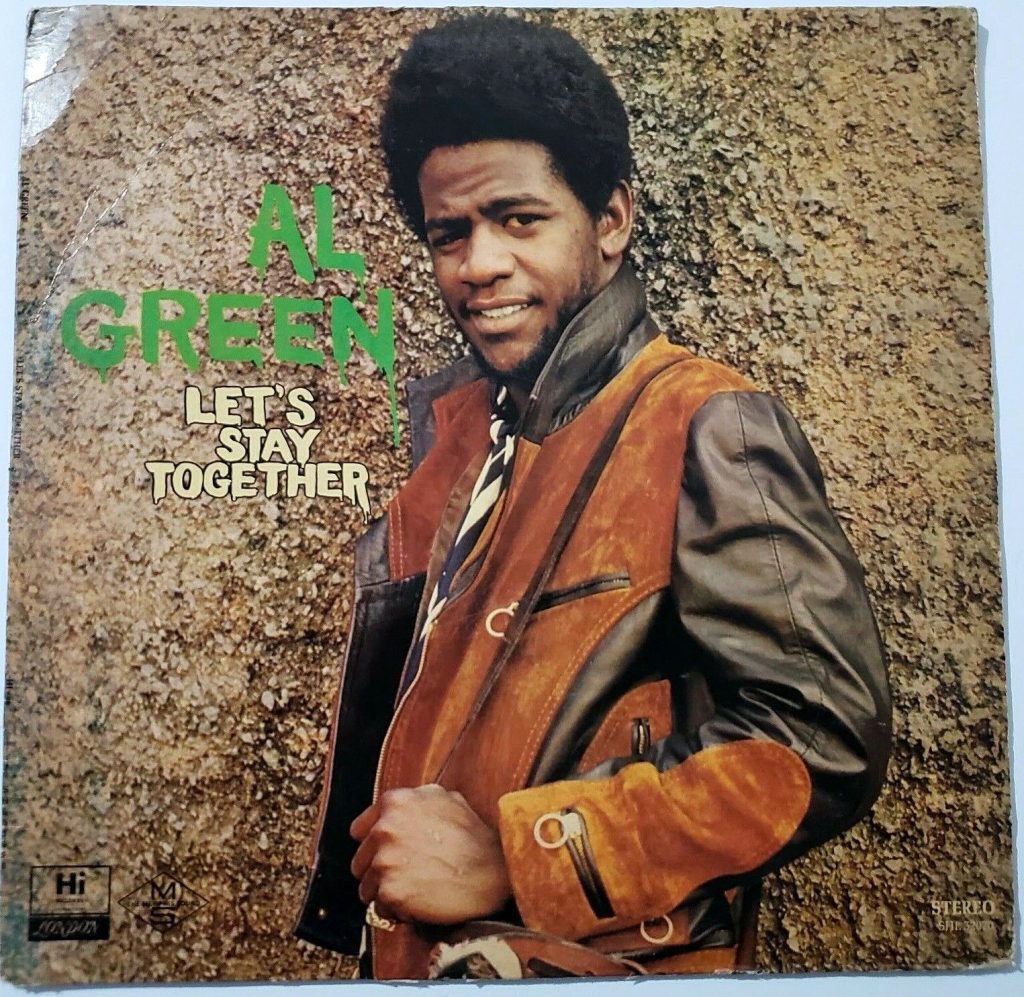
    Al Green’s “Let’s Stay Together” is a soulful masterpiece that epitomizes the power of love’s unbreakable bond. This mid-tempo ballad was released in 1972, and this timeless ballad showcases Green’s smooth vocals and heartfelt lyrics, solidifying its place as one of the most iconic songs about lovers.

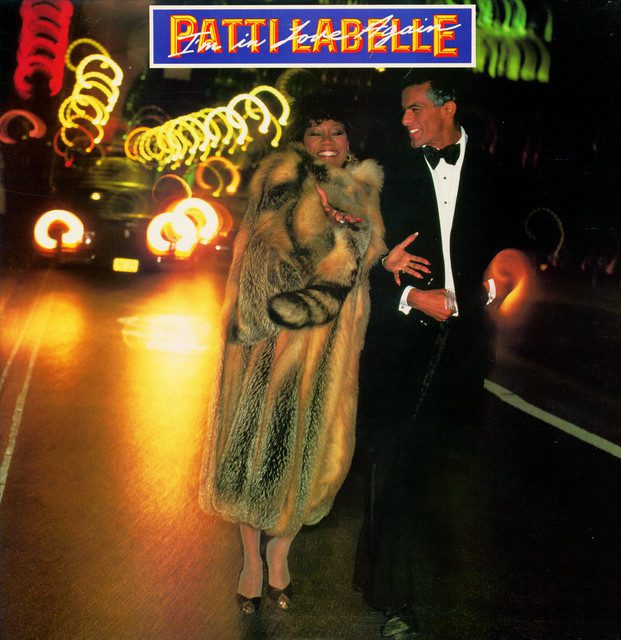
    “If Only You Knew” by Patti LaBelle

    Patti LaBelle‘s “If Only You Knew” is a powerful and dynamic ballad that explores the pain and longing of unrequited love. Recorded in 1979 and initially shelved by Philly International Records, the song was finally released in 1983 when Patti was dropped from Epic Records, and she was without a record deal. This fantastic song track showcases LaBelle’s dynamic vocals, range, and raw vulnerability, resonating with listeners who have experienced the complexities of unrequited love.

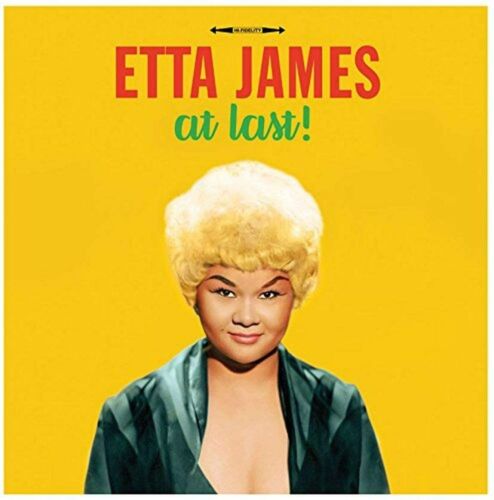
    “At Last” by Etta James

    Etta James’ “At Last” is a ballad that crossed decades of generations as one of the most loved ballads and songs about lovers of all time. There is no denying how the song radiates pure love and deep longing and discovering that special one … At Last. It was released in 1960 and is the song James is most famous for. When I worked at KACE in Los Angeles in the 90s, it was the most requested song, and the station played oldies. It remains an enduring classic among songs about lovers.

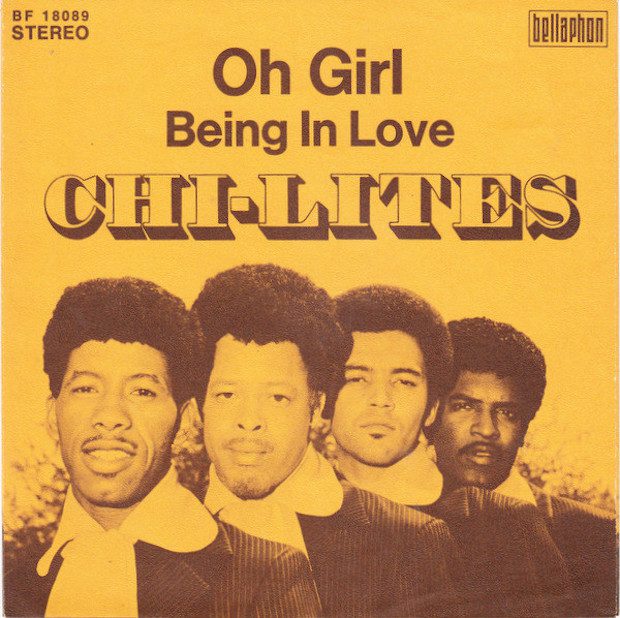
    Chi-Lites “Oh, Girl”

    The Chi-Lites’ “Oh, Girl” is another classic that uses instruments not usually heard in Black ballads. The song starts with a sad and powerful Harmonica intro which is immediately followed by the group’s smooth harmonies and honest lyrics. Oh, Girl was released in 1972. The song resonates with audiences across generations with its tender portrayal of a man’s vulnerability and plea for forgiveness in a relationship that has gone awry.

    The gentle melodies and delicate instrumentation perfectly complement the emotional depth of the lyrics, creating an atmosphere of introspection and longing. Today, it remains an enduring favorite among fans of soul and R&B, solidifying the Chi-Lites’ status as one of the great soul groups of their time.

    The collection of top 10 black songs about lovers showcases black musicians’ profound impact on the music industry. These songs reflect black artists’ talent and creativity and capture the universal experiences and emotions of love. From Percy Sledge’s soul-stirring “When a Man Loves a Woman” to the Chi-Lites‘ timeless classic “Oh Girl,” each song represents a unique blend of soulful vocals, heartfelt lyrics, and captivating melodies.

    These black musicians have left an indelible mark on the music scene, shaping the industry and inspiring generations of artists to come. Their contributions continue to resonate with listeners, solidifying their legacy and influence in the world of music.

  • Third Annual Famous Amos Ingredients for Success Entrepreneurs Initiative to Award $150,000 in Grants to Black-Owned Businesses

    Grant recipients will receive mentorship resources as well as capital to uplevel their businesses through annual program

    famous amos
    Famous Amos Ingredients for Success Entrepreneurs Initiative is a national grant competition that supports Black small business owners.

    Today Famous Amos, in partnership with the National Black Chamber of Commerce (NBCC), began accepting applications to the Famous Amos’ Ingredients for Success Entrepreneurs Initiative. The national grant competition, now in its third year, awards three Black, early-stage business owners with $50,000 in unrestricted business capital along with business and mentorship resources provided by NBCC.

    “The Ingredients for Success Entrepreneurs Initiative is a way for Famous Amos to honor the legacy of Wally Amos, a passionate entrepreneur whose impact has led to so many joyful cookie moments,” said Rachna Patel, Vice President of Marketing for Famous Amos. “We are thrilled to launch the third year of this special grant program for Black business owners as it means we get to continue carrying out our mission of advancing racial equity and supporting Black economic success.”

    Eligible applicants must be business owners at least 21 years old, at minimum 90% Black-owned, in business for five years or less, and headquartered in the United States. To be considered, applicants must submit a 90-120 second elevator pitch video that explains why they should receive the $50,000 grant for their business. The process of creating the pitch video is meant to mimic and prepare applicants on pitching their businesses for additional capital investments.

    Black businesses continue to face financial challenges in their efforts to sustain profits and success. According to a 2022 Meta survey, the COVID-19 pandemic greatly impacted small businesses due to their vulnerability to economic shocks. In turn, 51% of Black-owned small businesses experienced record low sales in 2022. A similar report by Black Enterprise found that venture capital funding for Black businesses fell 45% after hitting record highs in 2020.

    “We are proud to continue our partnership with Famous Amos to advance our necessary mission of empowering Black businesses and communities,” said Charles H. DeBow, III, CEO of the National Black Chamber of Commerce. “The Ingredients for Success Entrepreneurs Initiative is a philanthropic effort that provides a solution to a persistent need in the Black founders community: financial and mentorship support to ensure there is continued business growth. Closing the knowledge gap that many Black owners find themselves facing is critical to closing the significant wealth gap that Black communities have experienced for many generations.”

    A total of $300,000 has been given to six Ingredients for Success grant recipients from the previous two cycles. Previous grant recipients and Ingredients for Success alumni have included a legal services business, a startup fresh grocery, a luxury eyewear company, among more. The program continues to be highly competitive with thousands of applications submitted each year.

    Hopeful entrepreneurs have until 11:59 p.m. EST on Sunday, June 25, 2023 to submit their applications and elevator pitch videos into the online portal for Cycle 3 of Famous Amos’ Ingredients for Success Entrepreneurs Initiative.

    For more information and to apply, please visit FamousAmosIngredientsforSuccess.info.